
Reciprocating Saws
Reciprocating saws are handheld power saws designed for rough cutting, demolition, pruning, repair work and cutting in awkward spaces. They are ideal for garden construction, outdoor DIY, shed repairs, fence work, branch cutting and removal jobs where a more precise saw may be too slow or difficult to use.
A good reciprocating saw can make tough cutting jobs quicker and easier, especially when you need to cut timber, branches, metal, plastic, plasterboard or mixed materials with the correct blade fitted. The right choice depends on the material you need to cut, the power source, stroke length, speed control, weight and blade compatibility.
- Reciprocating Saws
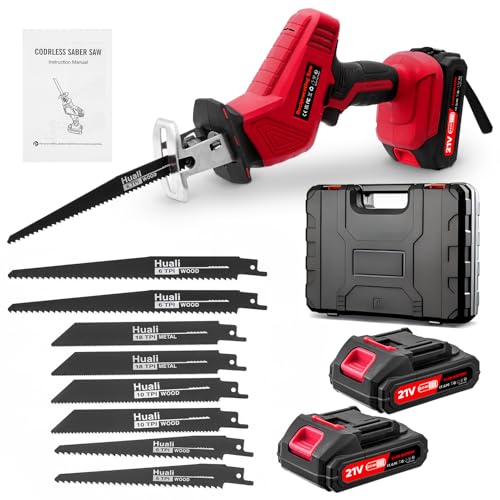
21V Cordless Reciprocating Saw with 8 Blades and 2 Batteries
Original price was: £35.89.£30.50Current price is: £30.50. *View On Amazon* - Reciprocating Saws
10-Piece Bi-Metal Reciprocating Saw Blade Set with Storage Box
Original price was: £8.99.£6.17Current price is: £6.17. *View On Amazon* - Reciprocating Saws
Cordless Reciprocating Saw with 2 x 4.0Ah Batteries and Carry Case
Original price was: £69.99.£64.99Current price is: £64.99. *View On Amazon* - Reciprocating Saws
Cordless Brushless Reciprocating Saw for Makita 18V Battery
Original price was: £59.99.£50.99Current price is: £50.99. *View On Amazon* - Reciprocating Saws
Cordless Reciprocating Saw for Makita 18V Battery, 3500 SPM, 4 Blades
Original price was: £31.99.£28.99Current price is: £28.99. *View On Amazon* - Reciprocating Saws
EZARC Reciprocating Saw Blades 300 mm 6 TPI, 3 Pack
Original price was: £24.97.£21.04Current price is: £21.04. *View On Amazon* - Reciprocating Saws
POSENPRO 750W Reciprocating Saw with 3-Position Rotating Handle
£39.99 *View On Amazon* - Reciprocating Saws
EZARC Obsidian Carbide Reciprocating Saw Blades for Metal, 150mm, 3 Pack
Original price was: £31.97.£27.17Current price is: £27.17. *View On Amazon* - Reciprocating Saws
GALAX PRO 900W Reciprocating Saw with Variable Speed and LED
Original price was: £54.99.£39.59Current price is: £39.59. *View On Amazon* - Reciprocating Saws
Enventor 850W Reciprocating Saw with Variable Speed and 28 mm Stroke
Original price was: £48.44.£40.28Current price is: £40.28. *View On Amazon* - Reciprocating Saws
Carbide-Tipped Masonry Reciprocating Saw Blades Standard Set 10 in and 12 in
£10.59 *View On Amazon* - Reciprocating Saws
Timisea Brushless Cordless Reciprocating Saw with 4 Blades and Safety Kit
£29.99 *View On Amazon* - Reciprocating Saws
EZUVITA 5 Piece 300 mm Japanese Teeth Pruning Reciprocating Saw Blades Set
Original price was: £17.99.£15.29Current price is: £15.29. *View On Amazon* - Reciprocating Saws
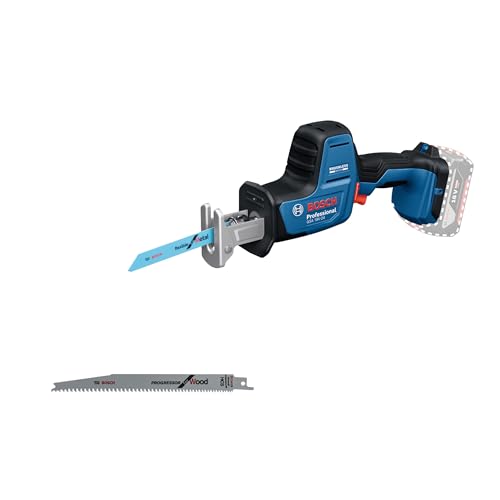
Bosch PRO GSA 18V-24 Reciprocating Saw
Original price was: £139.95.£118.89Current price is: £118.89. *View On Amazon* - Reciprocating Saws
KATSU Tools 750W Reciprocating Saw with Rotatable Handle
Original price was: £39.99.£32.99Current price is: £32.99. *View On Amazon* - Reciprocating Saws
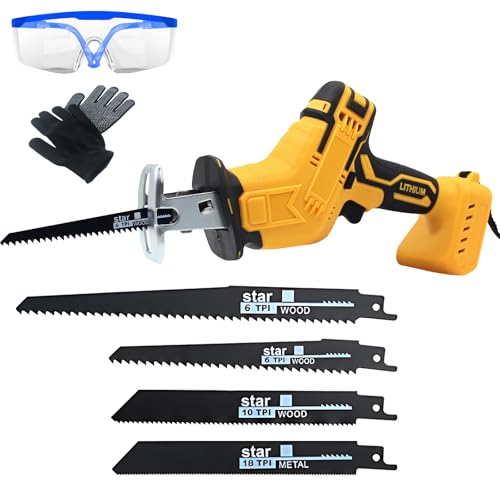
Ankishi 21V Cordless Reciprocating Saw with 2 Batteries and 8 Blades
£36.99 *View On Amazon* - Reciprocating Saws
Ryobi RRS18BL-0 18V ONE+ Cordless Brushless Reciprocating Saw
Original price was: £170.99.£128.00Current price is: £128.00. *View On Amazon* - Reciprocating Saws
12-Inch Carbide Reciprocating Saw Blade for Masonry and Brick
£7.98 *View On Amazon* - Reciprocating Saws
EZARC Reciprocating Saw Blades for Wood, 300 mm 6TPI 3-Pack
Original price was: £24.97.£21.22Current price is: £21.22. *View On Amazon* - Reciprocating Saws
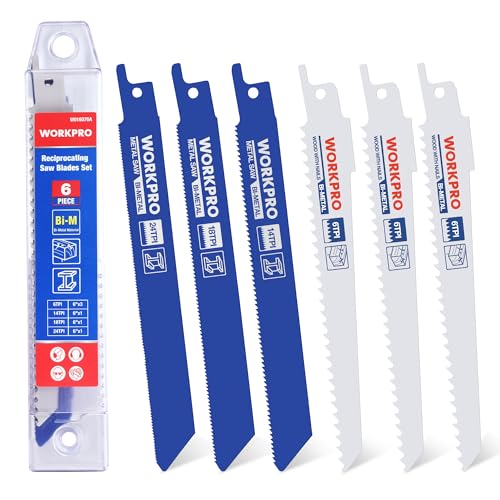
WORKPRO 6-Piece 150 mm Reciprocating Saw Blade Set
Original price was: £9.99.£7.99Current price is: £7.99. *View On Amazon* - Reciprocating Saws
DEWALT DCS382N-XJ 18V XR Brushless Reciprocating Saw Bare Unit
Original price was: £206.96.£129.99Current price is: £129.99. *View On Amazon* - Reciprocating Saws
Makita DJR186Z 18V Cordless Reciprocating Saw with 5Ah Battery and Charger
Original price was: £209.99.£192.99Current price is: £192.99. *View On Amazon* - Reciprocating Saws
BLACK+DECKER 18V Cordless Reciprocating Saw Bare Unit
Original price was: £40.00.£35.00Current price is: £35.00. *View On Amazon* - Reciprocating Saws
DeWalt DWE305PK-GB 240 V Reciprocating Saw Set, 2 Pieces
Original price was: £138.98.£127.98Current price is: £127.98. *View On Amazon*








How to Choose the Right Reciprocating Saw
Start by thinking about the jobs you need the saw for most often. If you are mainly cutting branches, fence panels, old timber or garden waste, look for a saw that feels comfortable to hold and accepts suitable pruning or wood cutting blades.
For demolition, repair and construction work, check that the saw has enough power and control for tougher materials. A reciprocating saw is usually chosen for practical rough cutting rather than neat finishing, so focus on strength, blade choice and ease of handling.
What Matters Most When Comparing Reciprocating Saws
The main things to compare are power source, stroke length, cutting speed, variable speed control, weight, grip comfort, blade change system and compatibility with different blade types. These features affect how quickly the saw cuts and how easy it is to control.
Stroke length affects how much blade movement the saw has during each cut. A longer stroke can help with faster cutting, while good speed control can help you work more carefully in tougher or more awkward materials. Comfort also matters because reciprocating saws can create vibration during use.
Corded or Cordless Reciprocating Saw?
A corded reciprocating saw can be a practical choice for longer cutting sessions where steady power is useful. It can suit workshop jobs, demolition work and outdoor DIY where mains power is available.
A cordless reciprocating saw gives you more freedom to move around the garden or work area without a cable. It is especially useful for pruning, fence repairs, shed work and jobs away from a socket.
The trade off is constant power versus mobility. Corded saws are often better for repeated longer cuts, while cordless saws are easier to use where access and movement matter more.
Reciprocating Saw, Jigsaw or Circular Saw?
A reciprocating saw is best for rough cutting, removal work, pruning and cutting in awkward places. It is not usually the first choice when you need a neat, accurate finish.
A jigsaw is better for controlled curves, shaped cuts and more detailed work. A circular saw is better for long, straight cuts through boards and timber.
The trade off is accuracy versus access. Reciprocating saws are useful when the job is awkward, rough or destructive, while jigsaws and circular saws are better for cleaner planned cuts.
Blades, Materials and Cutting Performance
A reciprocating saw relies on the correct blade. Wood blades, pruning blades, metal blades, demolition blades and multi material blades are all designed for different jobs.
If you are cutting branches or green wood, choose a pruning blade. If you are cutting metal pipe, fixings or profiles, use a suitable metal blade. For old timber, pallets or demolition work, a tougher demolition blade may be more appropriate depending on the material.
Using the wrong blade can make the saw harder to control and may give poor results, so always match the blade to the material and the job.
Comfort, Safety and Practical Use
A good reciprocating saw should feel balanced, secure and easy to guide. Look at the handle shape, grip comfort, trigger control and whether the blade can be changed easily.
Safety matters because reciprocating saws are powerful rough cutting tools. Support the material properly, use the correct blade and avoid forcing the saw through the cut. Always check the product guidance and use suitable protective equipment for the job.
Find a Reciprocating Saw That Suits Your Project
Browse our range of reciprocating saws and compare options by power source, cutting ability, weight, grip design and blade compatibility. Choose a saw that suits your materials, handles your outdoor jobs and helps make pruning, repairs, demolition and garden DIY easier to manage.
Reciprocating Saws FAQs
What is a reciprocating saw used for?
A reciprocating saw is used for rough cutting, demolition, pruning, repairs and cutting in awkward spaces. It can cut timber, branches, metal, plastic and other suitable materials with the correct blade.
Is a reciprocating saw good for garden work?
A reciprocating saw can be useful for garden work such as pruning thicker branches, cutting old timber, removing fence sections and breaking down garden waste, provided the correct blade is used.
What should I check before buying a reciprocating saw?
Check the power source, stroke length, speed control, weight, grip comfort, blade change system and whether the saw accepts blades suitable for the materials you need to cut.
Is a cordless reciprocating saw worth buying?
A cordless reciprocating saw is worth considering if you want freedom of movement around the garden or work area. It is useful for outdoor repairs, pruning and jobs away from mains power.
Is a corded reciprocating saw better than a cordless one?
A corded reciprocating saw is often better for longer cutting sessions where steady power is useful. A cordless saw is better when mobility and cable free working are more important.
Can a reciprocating saw cut branches?
Yes, a reciprocating saw can cut branches when fitted with a suitable pruning blade. It is useful for thicker growth where secateurs or a small hand saw would take too much effort.
Can a reciprocating saw cut metal?
Some reciprocating saws can cut metal when fitted with a suitable metal cutting blade. Always check the blade and saw details before cutting metal.
What is the difference between a reciprocating saw and a jigsaw?
A reciprocating saw is mainly used for rough cutting, demolition and awkward access jobs. A jigsaw is better for controlled curves, shaped cuts and neater DIY work.
What blades do I need for a reciprocating saw?
You need blades that match the material and job. Common options include wood blades, pruning blades, metal blades, demolition blades and multi material blades.
Are reciprocating saws suitable for beginners?
Reciprocating saws can be suitable for careful DIY users, but they are rough cutting tools and need proper control. Use the correct blade, support the material and follow the product guidance.
Do reciprocating saws need much maintenance?
Reciprocating saws need basic care, including checking the blade holder, battery or cable, vents, trigger and blades. Keep the tool clean, store it safely and replace worn or damaged blades.
 Getting ready for Summer? View our Home and Garden Products

Heading outdoors this winter? Take a look at our Outdoor Clothing.