
Bread Makers
Bread makers are kitchen appliances designed to mix, knead, prove and bake bread with less manual effort. They are ideal for anyone who wants to make homemade loaves, rolls, dough, pizza bases, cakes or speciality breads more easily at home.
A good bread maker can make baking feel more convenient, especially if you like the idea of fresh bread without needing to knead dough by hand or watch every stage of the process. The right choice depends on loaf size, programme options, crust settings, ingredient dispenser, timer, cleaning ease and how often you plan to bake.
- Bread Makers
Lékué Homemade Bread Kit, Silicone, Brown, 30 x 25 x 15 cm
Original price was: £38.95.£31.05Current price is: £31.05. *View On Amazon* - Bread Makers
Gziztx 15L Tandoor Oven Electric Roti Chapati Maker
Original price was: £41.99.£33.99Current price is: £33.99. *View On Amazon* - Bread Makers
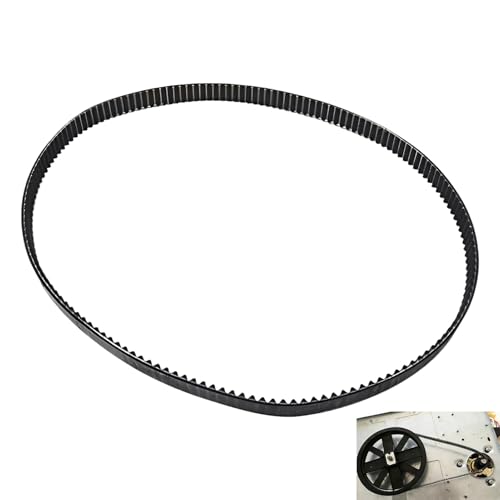
Morphy Richards Bread Maker Drive Belt 537mm 179 Teeth 8mm Width
£6.46 *View On Amazon* - Bread Makers
Zojirushi BB-PPC20BA Home Bakery Virtuoso Plus Breadmaker PFAS Free
£510.39 *View On Amazon* - Bread Makers
TRIUMPHKEY 19-in-1 Fully Automatic Bread Maker with Nut Dispenser
Original price was: £139.99.£109.99Current price is: £109.99. *View On Amazon* - Bread Makers
Le Creuset Signature Cast Iron Bread Oven 24cm Cerise 21301240600430
£205.32 *View On Amazon* - Bread Makers
KEEPEEZ 2.2lb Bread Maker Machine, 710W, 17-in-1, 3 Loaf Sizes
£169.99 *View On Amazon*






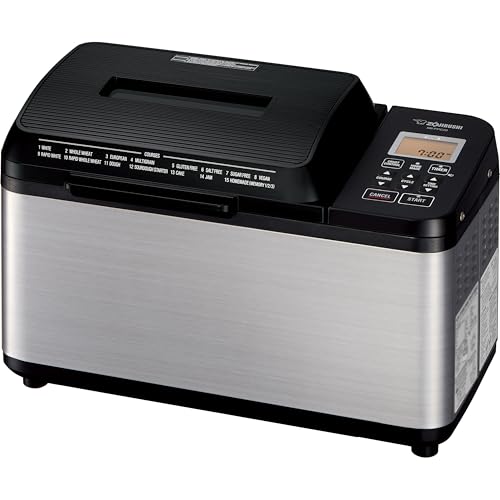


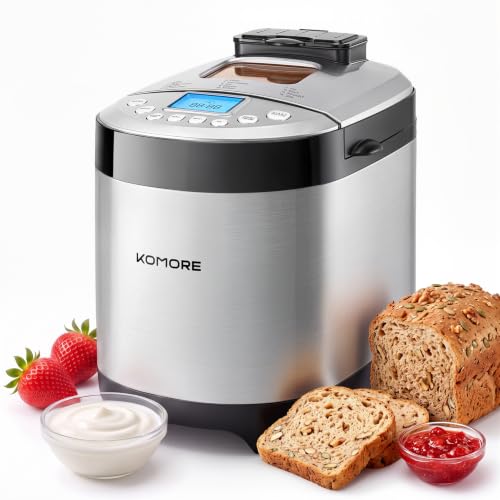

How to Choose the Right Bread Maker
Start by thinking about how much bread you usually need. A smaller bread maker may suit one person, couples or occasional baking, while a larger model can be better for families or anyone who wants bigger loaves.
Loaf size options are worth checking before buying. Some bread makers let you choose between different loaf sizes, which can be useful if your needs change through the week. If you bake regularly, flexibility can help reduce waste and make the appliance more practical.
What Matters Most When Comparing Bread Makers
The main things to compare are loaf capacity, baking programmes, crust colour settings, delay timer, keep warm function, viewing window, kneading paddle design, pan coating and ease of cleaning.
Programme choice matters because different breads need different mixing, proving and baking times. Basic white bread, wholemeal bread, sweet bread, gluten free bread, dough and cake programmes may all be available depending on the model. Choose a bread maker that suits the recipes you actually want to make rather than paying for functions you will rarely use.
Basic Bread Maker or Multi Function Bread Maker?
A basic bread maker is usually enough if you mainly want simple white or wholemeal loaves. It can be a good choice for everyday bread without too many settings or complicated controls.
A multi function bread maker may be better if you want more recipe flexibility. Extra programmes can help with dough, jam, cake, gluten free bread, sweet loaves or different crust finishes, depending on the product.
The trade off is simplicity versus flexibility. A basic model may be easier to use, while a feature rich model can suit people who enjoy trying different recipes.
Bread Maker or Baking by Hand?
A bread maker is useful if you want convenience and consistency. It handles the mixing, kneading, proving and baking stages in one appliance, which can save time and reduce effort.
Baking by hand gives you more control over shaping, texture and traditional techniques. It can be more satisfying if you enjoy the process, but it takes more time and attention.
The best choice depends on how you like to cook. If you want fresh bread with less work, a bread maker is usually the easier option. If you enjoy hands on baking, manual bread making may still be more enjoyable.
Timers, Crust Settings and Everyday Use
A delay timer can be useful if you want bread ready for breakfast or later in the day. Check how the timer works and whether it suits the recipes you plan to use.
Crust settings let you choose a lighter or darker finish, depending on the model. This can make the bread maker more flexible for different tastes in the household.
Think about noise and size too. Bread makers can take up worktop or cupboard space, and they may make some noise during the kneading stage. If you plan to use one regularly, make sure it fits comfortably in your kitchen.
Cleaning, Storage and Practical Details
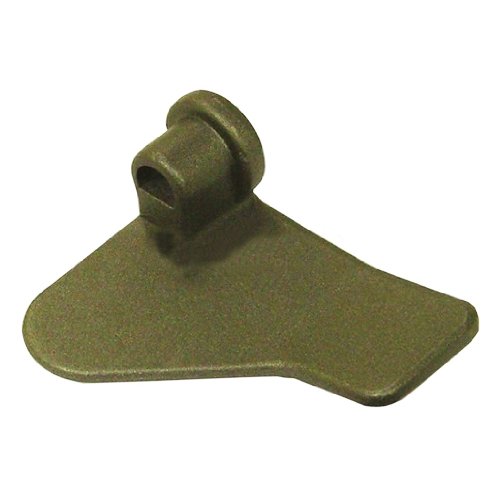
A good bread maker should be easy to clean after use. Look at whether the bread pan and kneading paddle are removable, how easy the pan is to wipe clean and whether crumbs collect in awkward places.
Storage is also important. Some bread makers are quite bulky, so check the dimensions before buying. If it will stay on the worktop, make sure it fits under cupboards and near a suitable plug socket. If it will be stored away, check the weight and shape so it is easy to lift when needed.
Find a Bread Maker That Suits Your Kitchen
Browse our range of bread makers and compare options by loaf size, programme choice, timer settings, crust control, cleaning ease and everyday practicality. Choose a bread maker that suits your kitchen, your household and the type of homemade bread you want to enjoy.
Bread Makers FAQs
What is a bread maker used for?
A bread maker is used to mix, knead, prove and bake bread. Some models can also prepare dough, cakes, jam or speciality breads depending on the programmes included.
Are bread makers worth buying?
Bread makers are worth considering if you want fresh homemade bread with less manual work. They are especially useful if you bake regularly or want more control over ingredients.
What should I check before buying a bread maker?
Check the loaf size, programme options, crust settings, delay timer, pan design, kneading paddle, cleaning method, appliance size and whether it suits the recipes you want to make.
Can bread makers make gluten free bread?
Some bread makers include a gluten free programme, but not all do. Check the product details carefully if gluten free baking is important to you.
Can a bread maker make dough without baking it?
Many bread makers include a dough programme that mixes and proves dough without baking it. This can be useful for rolls, pizza bases, flatbreads or shaped loaves.
What size bread maker do I need?
Choose the size based on your household and how much bread you eat. Smaller loaf sizes suit couples or occasional use, while larger loaf options are better for families.
Are bread makers easy to clean?
Many bread makers are fairly easy to clean if they have a removable bread pan and kneading paddle. Cleaning ease depends on the design and how quickly the appliance is cleaned after use.
Do bread makers use a lot of electricity?
Energy use varies by model, programme and baking time. Check the product details before buying if running cost is important to you.
Can I use normal flour in a bread maker?
Many bread maker recipes use strong bread flour, but requirements depend on the recipe and machine. Always follow the appliance and recipe guidance for the best results.
Do bread makers take up much space?
Bread makers can take up noticeable worktop or cupboard space. Check the dimensions before buying and think about where it will sit when in use and where it will be stored.
Is a bread maker better than an oven?
A bread maker is more convenient because it handles the full process in one appliance. An oven gives more control over shaping and baking style. Many people choose based on whether they prefer convenience or hands on baking.
Find out more about bread makers with our Bread Makers Buyers Guide
 Getting ready for Summer? View our Home and Garden Products

Heading outdoors this winter? Take a look at our Outdoor Clothing.