
Clothes Irons
Clothes irons are household appliances designed to remove creases from shirts, trousers, dresses, bedding, uniforms and everyday fabrics. They are ideal for anyone who wants clothes to look neater, feel fresher and be easier to wear or store after washing.
A good clothes iron can make laundry care quicker and more reliable, especially if you regularly iron workwear, school uniforms, formal clothing or household linens. The right choice depends on the type of fabrics you iron, steam output, soleplate design, weight, water tank size, cord length, heat settings and how often you use it.
- Clothes Irons
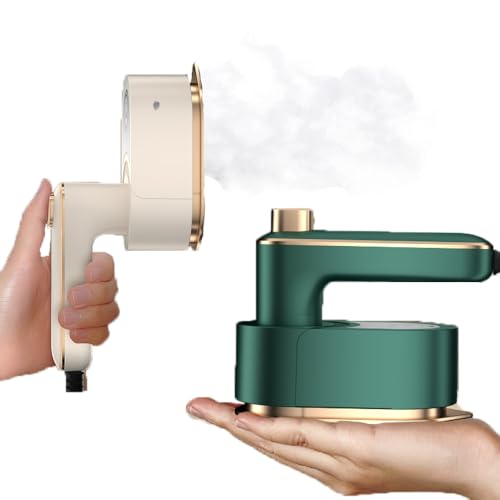
Travel Steamer for Clothes, Senndio 1200W Handheld Steamer Iron
Original price was: £19.99.£18.99Current price is: £18.99. *View On Amazon* - Clothes Irons
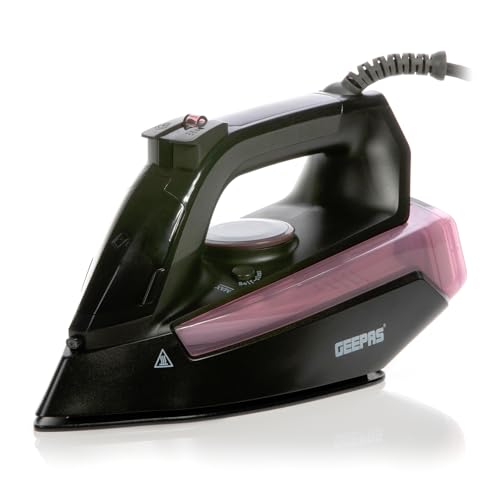
Tower 2 in 1 Garment Steamer and Iron T22031TL
Original price was: £39.99.£30.99Current price is: £30.99. *View On Amazon* - Clothes Irons
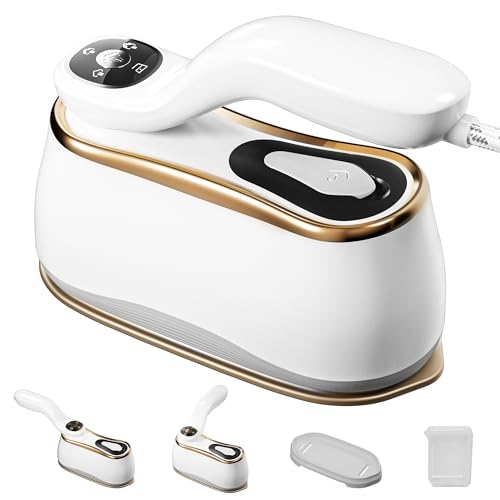
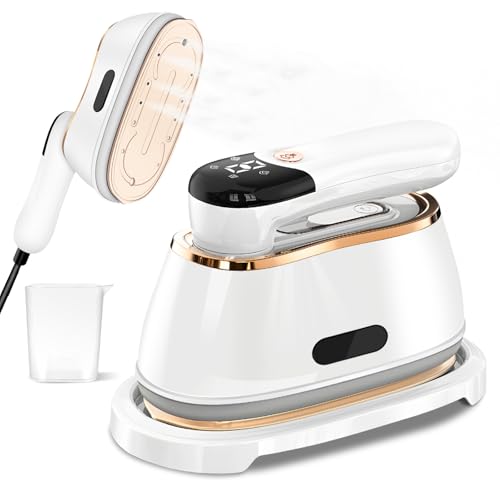
BEAUTURAL Mini Travel Steam Iron for Clothes
Original price was: £21.99.£16.99Current price is: £16.99. *View On Amazon*






How to Choose the Right Clothes Iron
Start by thinking about how much ironing you usually do. If you only iron the odd shirt or pair of trousers, a simple steam iron may be enough. If you regularly work through large laundry piles, bedding or family clothing, a more powerful iron or steam generator style option may be worth considering.
Fabric type also matters. Cotton, linen, synthetics, delicate fabrics and mixed materials can all need different heat and steam settings. A clothes iron with clear temperature control and useful steam options can help you adapt to different garments more easily.
What Matters Most When Comparing Clothes Irons
The main things to compare are steam output, soleplate material, heat settings, water tank capacity, weight, cord length, anti drip features, descaling support and how comfortable the iron feels in the hand.
Steam can make a real difference when dealing with stubborn creases. A stronger steam function may help with thicker fabrics, while lighter steam and lower heat settings can be better for delicate items. Soleplate smoothness is also important because an iron that glides well can make the job feel less tiring.
Steam Iron or Dry Iron?
A steam iron is usually the most practical choice for everyday home use. It uses heat and steam to help relax fabric fibres and remove creases more easily. This makes it useful for shirts, dresses, trousers, bedding and regular laundry.
A dry iron uses heat without steam. It can be useful for certain fabrics or people who prefer a simpler appliance without a water tank, but it may take more effort on stubborn creases.
The trade off is simplicity versus crease removal. Dry irons are straightforward, while steam irons are more versatile for typical household laundry.
Standard Iron or Steam Generator Iron?
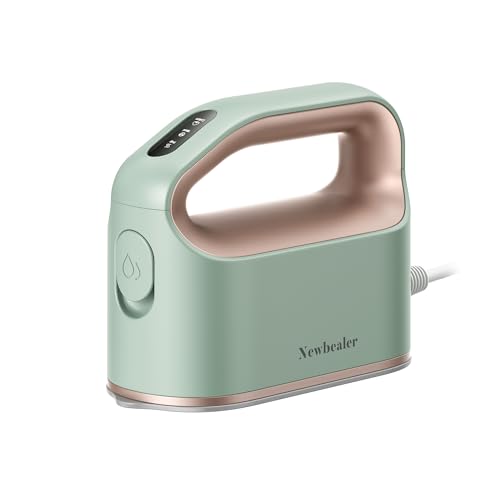
A standard clothes iron is compact, easy to store and suitable for most everyday ironing. It is a sensible choice for smaller households, occasional ironing and people who want a simple appliance.
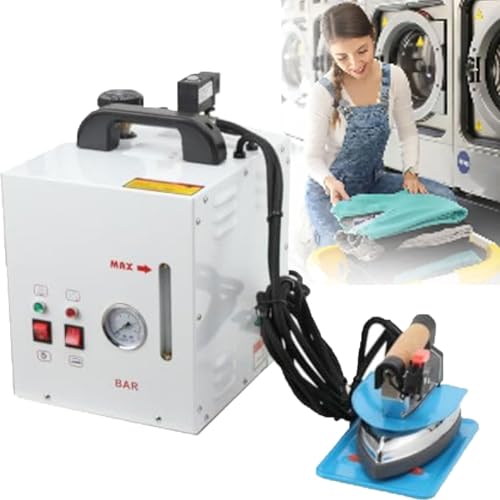
A steam generator iron usually has a separate water tank and produces more steam for larger ironing loads. It can be useful for families, heavy fabrics and bedding, but it takes up more storage space and may cost more.
The trade off is convenience versus capacity. A standard iron is easier to store and use quickly, while a steam generator can be more efficient for bigger laundry sessions.
Soleplate, Steam Holes and Glide
The soleplate is the part of the iron that touches the fabric, so it has a big effect on everyday use. A smooth soleplate can help the iron move more easily across clothing and reduce dragging.
Steam hole design also matters because it affects how steam is distributed across the fabric. Even steam coverage can help with larger garments and bedding, while a steam shot function can be useful for stubborn creases.
If you iron a mix of fabrics, look for an iron that offers control rather than just heat. Being able to adjust settings properly helps reduce the risk of using too much heat on delicate items.
Water Tank, Cord Length and Practical Features
Water tank size affects how often you need to refill the iron. A larger tank can be helpful for longer ironing sessions, while a smaller tank can make the iron lighter and easier to handle.
Cord length is worth checking if your plug socket is not close to the ironing board. A longer cord can make ironing more comfortable and reduce awkward movement.
Other practical features may include anti drip design, vertical steam, self cleaning or anti scale support, depending on the model. These details can make the iron easier to live with if you use it regularly.
Comfort, Safety and Everyday Use
A good clothes iron should feel comfortable, balanced and easy to control. Weight is a personal choice. A heavier iron may press fabric more firmly, while a lighter iron can be easier to lift and move for longer sessions.
Safety features are also worth considering. Auto shut off, stable heel rest and clear controls can make ironing feel more reassuring. Always follow the product guidance, use the correct setting for the fabric and keep the iron away from children and pets while hot.
Find a Clothes Iron That Suits Your Laundry Routine
Browse our range of clothes irons and compare options by steam output, soleplate design, tank size, weight, cord length and everyday features. Choose an iron that suits your laundry routine, handles the fabrics you wear most and helps make clothes care easier at home.
Clothes Irons FAQs
What is a clothes iron used for?
A clothes iron is used to remove creases from garments and household fabrics using heat, and often steam. It is useful for shirts, trousers, dresses, uniforms, bedding and everyday laundry.
What should I check before buying a clothes iron?
Check the steam output, soleplate design, heat settings, water tank size, cord length, weight, anti drip features, descaling support and whether the iron suits the fabrics you use most.
Is a steam iron better than a dry iron?
A steam iron is usually better for everyday laundry because steam helps remove creases more easily. A dry iron may suit simpler use or certain fabrics, but it can take more effort on stubborn creases.
Are steam generator irons worth buying?
Steam generator irons are worth considering if you regularly iron large laundry loads, bedding or heavier fabrics. They usually take up more space than standard irons, so storage should be checked before buying.
What soleplate is best for a clothes iron?
The best soleplate is one that glides smoothly, distributes heat well and suits the fabrics you iron. Check the product details for soleplate type and care guidance.
Do clothes irons need descaling?
Many steam irons need descaling or cleaning, especially in hard water areas. Some models include anti scale or self cleaning features, but you should always follow the product guidance.
Can clothes irons be used on delicate fabrics?
Some clothes irons can be used on delicate fabrics if they have suitable low heat settings. Always check the garment care label and the iron guidance before ironing delicate materials.
What is vertical steam on an iron?
Vertical steam lets you steam hanging garments, curtains or fabric items without laying them flat on an ironing board. Suitability and performance vary by model.
Is a heavier iron better?
A heavier iron can press fabric more firmly, but it may become tiring during long ironing sessions. A lighter iron can be easier to handle, so the better choice depends on comfort and use.
What is anti drip on a clothes iron?
Anti drip is designed to reduce water leaking from the soleplate at lower temperatures. This can help prevent water marks on clothing, depending on the model.
How do I choose an iron for shirts?
For shirts, look for a clothes iron with good steam control, a smooth soleplate, a comfortable grip and a tip shape that can reach collars, cuffs and button areas more easily.
How should I store a clothes iron?
Let the iron cool fully, empty the water tank if recommended, wrap the cord safely and store it upright in a dry place. Always follow the product guidance for safe storage.
Find out more with our Clothes Irons Buyers Guide.
 Getting ready for Summer? View our Home and Garden Products

Heading outdoors this winter? Take a look at our Outdoor Clothing.