BUYERS GUIDE
Clothes Irons Buyers Guide
Clothes Irons are household appliances designed to remove creases from clothing, bedding and fabric by using heat, pressure and, in many models, steam. They are often bought for everyday laundry, school uniforms, work shirts, delicate garments, bedding, sewing projects and general home clothing care.
This guide helps you choose the right clothes iron by explaining the practical details that matter before buying. The right choice depends on how often you iron, what fabrics you handle, how much steam you need, how comfortable the iron feels, how easy it is to refill, how simple it is to clean and where it will be stored.
A clothes iron is not just about heat. Soleplate design, steam control, temperature settings, water tank size, cord length, weight and safety features can all affect how practical it feels in daily use. A light compact iron may suit occasional use, while a higher steam or larger tank model may suit frequent ironing and larger laundry piles.
Specifications vary by model, so always check the individual product page before buying.
Quick Answer
The right Clothes Iron is the one that suits your ironing frequency, fabric types and comfort needs. For occasional ironing, a simple steam iron with clear controls may be enough. For regular shirts, uniforms, bedding or larger laundry loads, steam control, soleplate glide, tank size, cord length and ease of cleaning become more important. Always check fabric suitability, steam features, soleplate type, water tank details, safety guidance, cleaning instructions and product page information before buying.
Quick Product Comparison Framework
| Feature | What It Means | Why It Matters | What To Check |
|---|---|---|---|
| Iron type | Steam iron, dry iron, travel iron, cordless iron or steam generator style iron | Different types suit different ironing routines | Match the iron type to your main use |
| Steam function | Whether the iron produces steam and how it is controlled | Steam can help relax creases in suitable fabrics | Check steam features on the product page |
| Steam boost | A stronger burst of steam where included | Useful for stubborn creases where suitable | Check whether it is included |
| Soleplate type | The heated surface that glides over fabric | Affects glide, care and durability expectations | Check material and care guidance |
| Temperature control | How heat settings are selected | Important for different fabrics | Check whether settings are manual or automatic |
| Water tank size | How much water the iron can hold | Larger tanks may reduce refilling | Check capacity where listed |
| Anti drip feature | Helps reduce water leaking onto fabric where included | Useful at lower temperatures | Check product features carefully |
| Anti scale or self clean | Features intended to help manage limescale where included | Useful in hard water areas | Check cleaning guidance and water recommendations |
| Cord length | The power cord length | Affects reach and comfort at the ironing board | Check cord length where listed |
| Weight | How heavy the iron feels during use | Important for longer sessions and comfort | Check product weight before buying |
| Safety shut off | Automatic switch off where included | Adds reassurance if the iron is left still | Check feature details before relying on it |
| Storage | How easily the iron and cord can be stored | Important in small homes and utility cupboards | Check size, cord storage and standing design |
Key Decision Criteria Explained
Iron Type
The first decision is the type of clothes iron you need. A standard steam iron is the most common choice for everyday household ironing. It can use heat and steam to help remove creases from suitable fabrics.
A dry iron is simpler and may suit buyers who do not need steam, although it may be less versatile for stubborn creases. A travel iron may be compact and easier to pack, but it is usually not intended to replace a full size home iron for regular laundry.
Cordless irons may offer more movement around the ironing board, but buyers should check how they heat, recharge or rest between uses. Steam generator style irons may suit frequent or heavy ironing, although they usually need more storage space.
Choose the type that fits your real routine, not just the most feature rich option.
Steam Control
Steam can make ironing easier on many fabrics because it helps relax fibres and tackle creases. Some irons offer continuous steam, steam boost, vertical steam or adjustable steam where stated on the product page.
However, not every fabric should be steamed, and not every buyer needs a high steam model. If you mostly iron shirts, uniforms, cotton items or bedding, steam may be useful. If you iron delicate garments, you may care more about temperature control and fabric suitability.
Check both the iron instructions and clothing care labels before use.
Soleplate Design
The soleplate is the surface that touches the fabric. Its shape, material and steam hole layout can affect glide, crease removal and how easy the iron is to use around buttons, collars and seams.
A smooth glide can make longer ironing sessions more comfortable. A pointed tip can help with tighter areas. The trade off is care. Some soleplates may need more careful cleaning to avoid marks, scratches or build up.
Do not judge the soleplate by appearance alone. Check material details and care guidance before buying.
Temperature Settings
Temperature control matters because fabrics respond differently to heat. Cotton and linen may need different care from synthetics, wool, silk or delicate blends.
Some irons have manual temperature dials, while others may include automatic temperature control where stated. Manual settings give direct control, but the user needs to choose carefully. Automatic systems may be convenient, but suitability still depends on the model and garment care guidance.
Always check fabric labels before ironing.
Water Tank Size And Refilling
Water tank size affects how often the iron needs refilling during use. A larger tank can be useful for bigger laundry loads, but it can also make the iron heavier when full.
A smaller tank may be enough for occasional use and can help keep the iron lighter. The filling opening, water level visibility and included filling cup where supplied can also affect convenience.
If you iron often, refilling ease should be treated as a practical buying factor.
Weight And Comfort
Weight affects comfort, especially during longer ironing sessions. A heavier iron may feel steady on thicker fabrics, but it may become tiring if you iron a lot at once. A lighter iron may be easier to lift and move, but may not suit every buyer’s preference.
Handle shape and balance matter too. If the iron feels awkward, even good features may not make it enjoyable to use.
Check product weight and design details before buying, especially if you have limited grip strength or regularly iron large loads.
Cord Length And Movement
Cord length can make a big difference to everyday use. A short cord may restrict movement around the ironing board or require an awkward plug position. A longer cord may feel more flexible, but still needs safe cable management.
Cordless irons can reduce cord restriction, but they may work differently from corded models and may need a charging base or rest.
Think about where your plug socket is compared with your ironing board, then check cord information where listed.
Anti Scale And Self Cleaning Features
Limescale can be a concern, especially in hard water areas. Some irons include anti scale, self clean or anti calc features where stated. These may help with maintenance, but they do not remove the need to follow product care instructions.
Water recommendations vary by model. Some may allow tap water, some may recommend filtered or distilled water in certain situations, and some may have specific guidance.
Check the product page and instructions before choosing water type or cleaning method.
Anti Drip Features
Anti drip features are intended to help reduce water leakage from the soleplate where included. This can be useful when ironing at lower temperatures, where steam may not behave the same way as at higher settings.
However, feature performance varies by model, and anti drip should not be treated as a guarantee that no water marks will ever appear.
If you iron delicate or darker fabrics, check anti drip information and use the correct settings.
Storage And Everyday Practicality
Clothes irons need safe storage once cool. A compact iron may fit easily into a cupboard, while a steam generator style model may need more space for the base unit and cord.
Cord storage, upright stability and cooling time can all affect everyday practicality. If you live in a small home or store appliances in a utility cupboard, size matters.
Choose a model that is easy to put away, not just easy to buy.
Product Type Differentiation And Variants
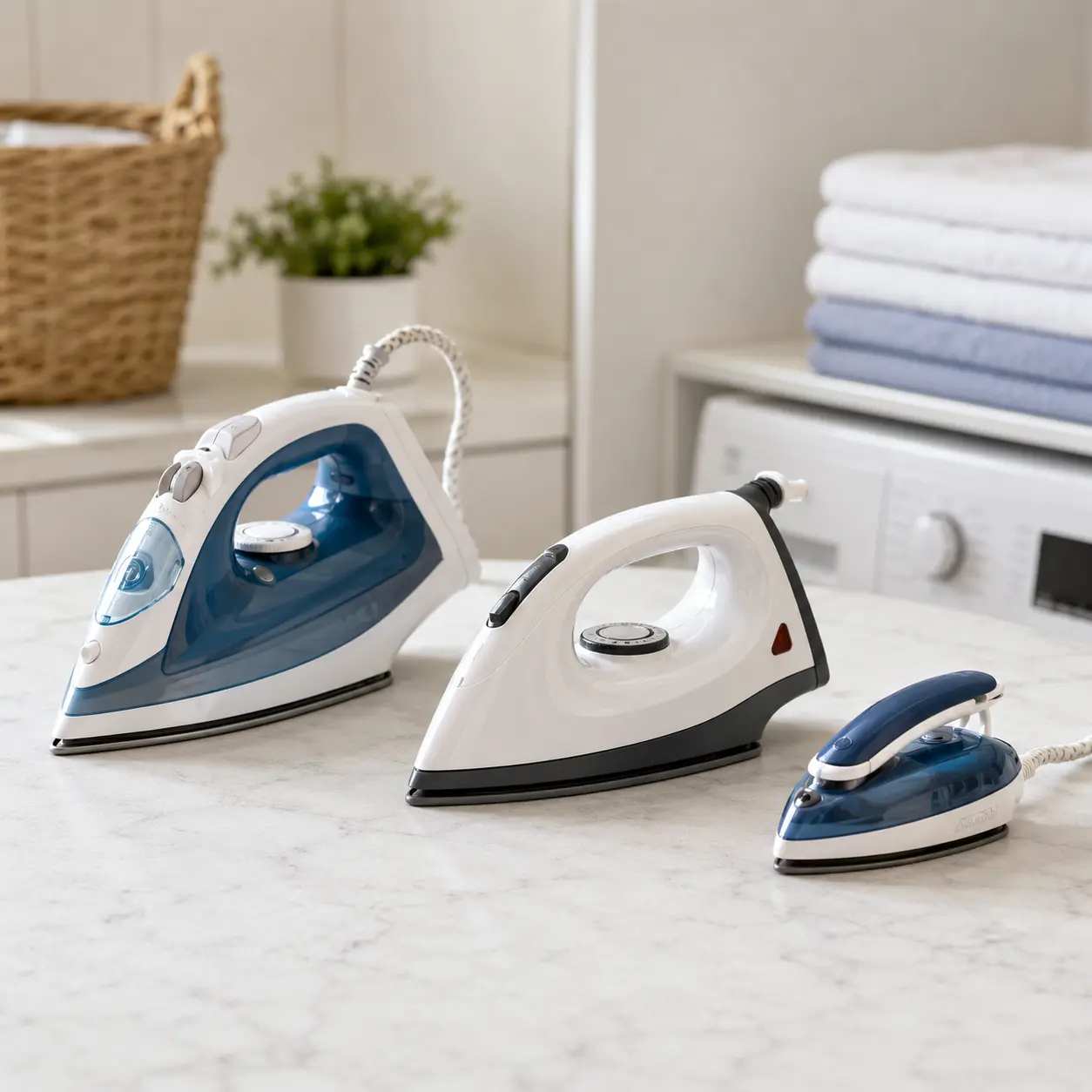
Steam Irons
Steam irons are common household irons that use heat and water to produce steam. They may suit everyday shirts, uniforms, cotton clothing, bedding and general laundry where the fabric allows steam ironing.
The limitation is maintenance. Water tanks, steam holes and scale management need care depending on the model.
Dry Irons
Dry irons use heat without steam. They may suit buyers who prefer simple controls or who mainly iron fabrics that do not need steam.
The limitation is that dry irons may be less useful for stubborn creases compared with steam models.
Travel Irons
Travel irons are compact models designed for portability. They may suit holidays, work trips, caravans or occasional use away from home.
The limitation is size and power suitability. A travel iron may not be practical for regular household ironing or large loads.
Cordless Irons
Cordless irons are designed to give more freedom of movement by removing the trailing cord from the iron itself. They may suit buyers who dislike cord restriction around the ironing board.
The limitation is that they may need to return to a base or rest to maintain heat, depending on the model. Check how the cordless system works before buying.
Steam Generator Irons
Steam generator style irons usually have a separate base unit and water tank. They may suit frequent ironing, larger laundry piles and buyers who want more steam capacity where stated.
The limitation is size, weight and storage. They can take up more space than standard steam irons.
Compact Household Irons
Compact irons may suit small homes, occasional use or buyers who want something lightweight and easy to store.
The limitation is that they may have smaller tanks or fewer features than larger models.
Specifications vary by model, so always check the individual product page before buying.
Suitability By Buyer Type Or Need
| Buyer Type Or Need | What To Prioritise | What To Be Careful About |
|---|---|---|
| Occasional user | Simple controls, compact size and easy storage | Avoid paying for features you will not use |
| Family household | Steam control, tank size and comfortable handling | Small tanks may need frequent refilling |
| Work shirt wearer | Soleplate glide, pointed tip and steam boost where included | Check fabric care labels |
| School uniform buyer | Reliable steam, easy refilling and quick setup | Avoid overcomplicating controls |
| Small home | Compact footprint and cord storage | Larger steam generator models may be bulky |
| Frequent ironer | Comfort, tank capacity, soleplate quality and cleaning features | Weight can matter during long sessions |
| Traveller | Compact travel iron and storage case where included | Travel irons may not replace a full size iron |
| Delicate fabric user | Temperature control and anti drip where included | Always check garment care labels |
| Hard water area | Anti scale or self clean features where included | Follow water and cleaning guidance |
| Buyer wanting flexibility | Steam iron with adjustable settings | More features only help if you use them |
Common Mistakes And Misunderstandings
Assuming More Steam Is Always Better
More steam can be helpful for certain fabrics and stubborn creases, but it is not always the right priority. Some fabrics need lower heat or little to no steam.
Choose steam features around your laundry, not just the highest looking number.
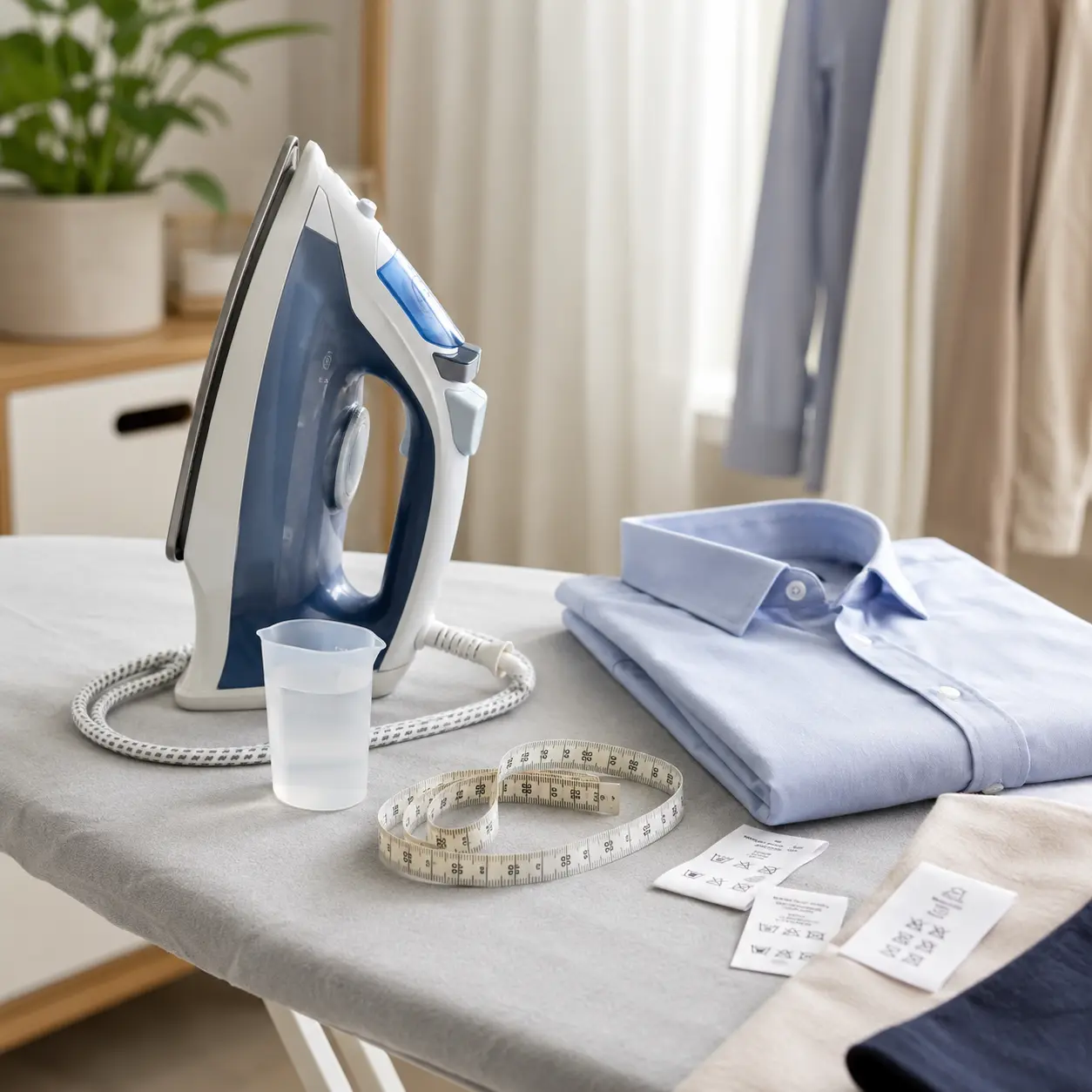
Ignoring Fabric Care Labels
Different fabrics need different heat and steam settings. Using the wrong setting can damage garments.
Always check the garment label before ironing.
Buying Too Large For Occasional Use
A large steam generator style iron may be useful for frequent ironing, but it may be bulky for someone who only irons occasionally.
If you rarely iron, simple storage and quick setup may matter more.
Buying Too Small For Family Laundry
A compact iron may be easy to store, but it may become frustrating if you regularly iron large piles of clothing or bedding.
Check tank size, soleplate size and comfort before buying.
Forgetting About Cord Length
Cord length affects movement at the ironing board. A short cord can make ironing awkward if the plug socket is not close enough.
Check cord details where listed.
Overlooking Cleaning And Scale
Steam irons need care. Scale, residue or blocked steam holes can affect use over time.
Check cleaning guidance and water recommendations before buying.
Assuming Every Iron Suits Delicate Fabrics
Not every iron is equally suitable for delicate garments. Temperature control, soleplate care and steam control matter.
For delicate fabrics, follow garment care labels and use suitable settings.
Expecting Safety Features To Replace Care
Automatic shut off can be reassuring where included, but it does not replace safe use. Irons are hot appliances and should be handled carefully. Always follow the product instructions.
Safety And Suitability Caveats
Clothes Irons should be used only as intended and in line with the manufacturer’s instructions. They involve heat, steam, water and electricity, so care is needed during use, filling, cooling and storage.
Place the iron on a stable ironing board or suitable heat safe surface. Keep the cord positioned safely and avoid leaving the iron where it could be knocked over. Allow the iron to cool before storing it, and keep it away from children and pets while hot.
Do not overfill the water tank or use water types unless the product guidance supports them. Do not iron garments unless the care label and fabric type allow it. Do not modify, dismantle or attempt to repair the appliance.
Always check the individual product page for steam features, temperature control, water tank capacity, soleplate material, cord length, safety features, electrical information and care guidance before buying.
Maintenance, Storage And Lifespan Considerations
Clothes irons need regular care to stay practical. Empty the water tank if the product guidance recommends it, and follow instructions for cleaning the soleplate and steam vents.
Scale management matters for steam irons. If the model includes self clean or anti scale features, use them only as directed. Avoid scraping the soleplate or using unsuitable cleaning products.
Store the iron once cool, with the cord safely wrapped or placed according to the product guidance. If the iron has a filling cup or accessories, keep them together so they are easy to find.
The lifespan of a clothes iron depends on model, frequency of use, water quality, cleaning, storage and how carefully it is handled.
How To Compare Models Efficiently
- Decide how often you iron.
- Choose the right iron type for your routine.
- Check steam features if you regularly tackle creases.
- Compare soleplate material and care guidance.
- Check temperature control options.
- Review water tank size and filling method.
- Check weight and comfort for longer sessions.
- Compare cord length or cordless design.
- Review anti scale, anti drip and safety features where included.
- Read the individual product page before buying.
Summary Buyer Decision Checklist
Before buying Clothes Iron, check the following:
| Buying Check | Why It Matters |
|---|---|
| Iron type | Steam, dry, travel and generator styles suit different users |
| Steam control | Useful for suitable fabrics and stubborn creases |
| Soleplate type | Affects glide, fabric contact and care |
| Temperature settings | Important for different fabrics |
| Water tank size | Larger tanks may reduce refilling |
| Weight | Affects comfort during longer sessions |
| Cord length | Affects movement around the ironing board |
| Anti scale features | Useful for maintenance where included |
| Anti drip feature | May help reduce water marks where included |
| Safety shut off | Adds reassurance where included |
| Storage space | Larger models need more room |
| Product page details | Specifications vary by model |
Frequently Asked Questions
A standard steam iron is often a practical choice for everyday household ironing. It can handle many common laundry tasks where the fabric care label allows steam. Check steam control, soleplate type, water tank size and weight before buying.
A steam iron can be more versatile for many households because steam may help with creases in suitable fabrics. A dry iron can still suit buyers who want a simple appliance without water or steam. The better choice depends on what you iron most often.
A steam generator style iron may suit frequent ironing, larger laundry piles or buyers who want a separate large water tank where included. It may be more than you need for occasional ironing. Check storage space, weight and product details before buying.
There is no single best soleplate for everyone. The right choice depends on glide, fabric care, cleaning requirements and durability expectations. Check the material and care guidance on the individual product page.
Water guidance varies by model and local water conditions. Some irons may allow tap water, while others may recommend different water use or scale management. Always follow the product instructions.
Water dripping can happen if steam is used at unsuitable temperatures, if the tank is overfilled, or if the model lacks suitable anti drip control. It can also relate to care and scale issues. Check the product guidance before use.
Check the garment care label first. Then choose the correct temperature and steam setting for the fabric. If in doubt, use extra caution and follow the iron and garment instructions.
Cordless irons can make movement easier because there is no cord trailing from the iron during use. However, they may need a base or rest to maintain heat depending on the model. Check how the system works before buying.
Weight matters if you iron for longer periods or have difficulty lifting appliances. A heavier iron may feel steady, while a lighter iron may be easier to handle. Choose based on comfort as well as features.
Follow the product guidance for emptying, cleaning and scale management. Keep the soleplate clean, avoid unsuitable water or cleaning products, and store the iron safely once cool. Regular care helps keep the appliance practical.