
Dish Washers
Dish washers are kitchen appliances designed to clean plates, bowls, cups, glasses, cutlery, pans and cooking utensils with less manual washing up. They are ideal for busy households, families, shared homes and anyone who wants to save time after meals.
A good dishwasher can make daily kitchen routines much easier, especially if you cook often or regularly deal with full sinks after breakfast, lunch and dinner. The right choice depends on kitchen space, place settings, energy use, water use, noise level, wash programmes, installation type and how many dishes you need to clean at once.
- Dish Washers
Hisense HS523E15WUK Slimline 10 Place Free Standing Dishwasher White with 30 Minutes Quick Wash
Original price was: £249.00.£221.22Current price is: £221.22. *View On Amazon* - Dish Washers
AEG 5000 Series Freestanding Dishwasher FFX52507ZW 45cm White Class E
Original price was: £529.99.£440.00Current price is: £440.00. *View On Amazon* - Dish Washers
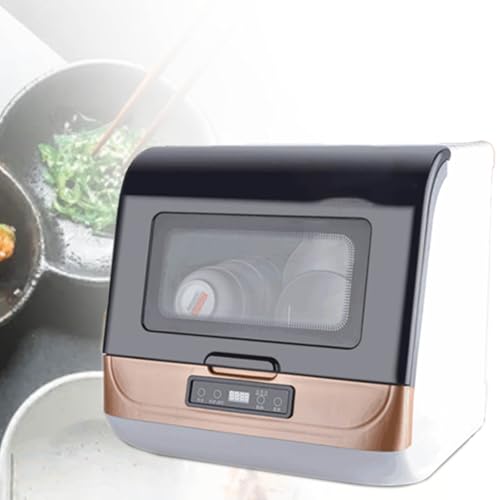
Table Top Dishwasher with 5L Built In Water Tank and Four Washing Modes
£584.63 *View On Amazon* - Dish Washers
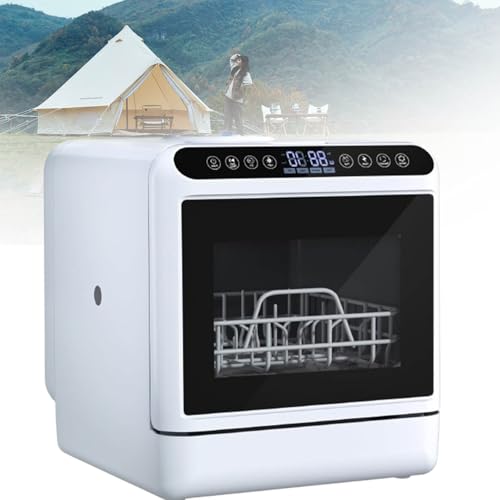
Baridi Table Top Dishwasher 6 Place Settings 6 Programmes Silver DH84
£209.98 *View On Amazon* - Dish Washers
Cryfokt Mini USB Ultrasonic Dishwasher Portable Countertop Washer
£36.21 *View On Amazon*






How to Choose the Right Dish Washer
Start by thinking about the space available in your kitchen. A full size dishwasher is usually the most practical option for families or larger households, while a slimline dishwasher can suit smaller kitchens where floor space is limited.
Also consider how often you cook and how many dishes build up each day. If you usually wash only a few items, a compact or tabletop dishwasher may be enough. If you cook proper meals most days, a larger model with flexible racks and a good range of programmes may be more useful.
What Matters Most When Comparing Dish Washers
The main things to compare are size, place settings, energy rating, water use, noise level, programme choice, drying performance, rack layout, cutlery storage and installation requirements.
Capacity is especially important. Place settings give a useful guide to how much the dishwasher can hold, but layout matters too. Adjustable racks, foldable supports and a practical cutlery tray or basket can make the dishwasher easier to load with mixed plates, mugs, bowls and pans.
Full Size, Slimline or Tabletop Dish Washer?
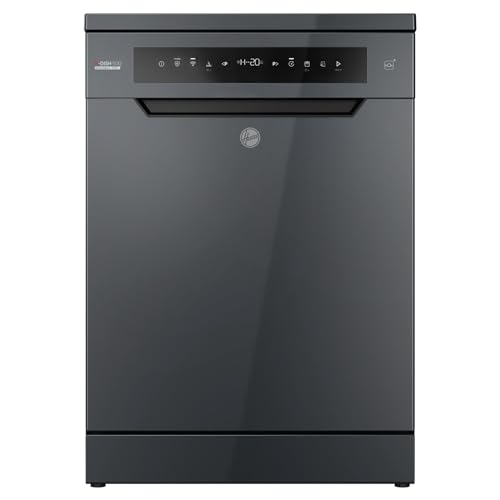
A full size dishwasher is usually best for families, larger households and people who cook often. It gives more room for daily dishes, pans and mixed kitchen items.
A slimline dishwasher is better for smaller kitchens where a full size model will not fit. It offers less capacity, but it can still be very useful for one or two people, couples or compact homes.
A tabletop dishwasher is the most compact option and can suit flats, small kitchens, caravans or occasional use. The trade off is capacity. Tabletop models save space, but they cannot handle the same amount as a full size appliance.
Integrated or Freestanding Dish Washer?
A freestanding dishwasher is usually easier to position, replace or move. It can be a practical choice if you want a visible appliance that fits into an existing kitchen space.
An integrated dishwasher is designed to sit behind a kitchen cabinet door for a more built in look. It can help the kitchen look neater, but installation and replacement may need more planning.
The trade off is flexibility versus appearance. Freestanding dishwashers are simpler to manage, while integrated models blend into the kitchen design more neatly.
Wash Programmes, Drying and Everyday Use
Dishwasher programmes can include quick wash, eco wash, intensive wash, glass care, hygiene wash and automatic settings depending on the model. The best programme choice depends on what you wash most often.
A quick programme can be useful for lightly soiled dishes when time matters. An intensive programme may be better for pans, trays and dried on food. Eco programmes may use less energy or water, but they can take longer to complete.
Drying performance is also worth checking. Some dishwashers dry better than others, and plastic items often hold water more than glass or ceramic. If you dislike drying items by hand, look closely at drying features before buying.
Noise Level, Energy Use and Running Costs
Noise level matters if your kitchen is open plan or close to living areas, bedrooms or a home office. A quieter dishwasher can be easier to live with if you run it in the evening or while people are relaxing.
Energy and water use are also important, especially if the appliance will be used most days. Check the energy rating and product details before buying so you understand how efficient the dishwasher is likely to be in normal use.
Loading, Cleaning and Maintenance
A good dishwasher should be easy to load and maintain. Look at the rack layout, cutlery area, spray arm access and whether larger plates or pans fit comfortably.
Dishwashers still need basic care. Filters should be cleaned, spray arms may need checking, and dishwasher salt or rinse aid may be needed depending on the model and water hardness in your area. Always follow the product guidance for safe use and maintenance.
Find a Dish Washer That Suits Your Kitchen
Browse our range of dish washers and compare options by size, capacity, installation type, noise level, energy use and wash programmes. Choose a dishwasher that fits your kitchen, suits your household and helps make everyday cleaning easier after meals.
Dish Washers FAQs
What is a dish washer used for?
A dish washer is used to clean plates, bowls, cups, glasses, cutlery, pans and cooking utensils. It helps reduce manual washing up and can make everyday kitchen cleaning easier.
What should I check before buying a dish washer?
Check the size, place settings, energy rating, water use, noise level, wash programmes, drying performance, rack layout and whether the model is freestanding, integrated, slimline or tabletop.
What size dish washer do I need?
The right size depends on your kitchen space and household size. Full size dishwashers suit larger households, slimline models suit smaller kitchens, and tabletop models suit very compact spaces.
Is a slimline dish washer worth buying?
A slimline dish washer is worth considering if you want dishwasher convenience but do not have space for a full size model. It gives less capacity, so it is best for smaller households.
What is the difference between integrated and freestanding dish washers?
An integrated dish washer sits behind a kitchen cabinet door for a built in look. A freestanding dish washer is visible and usually easier to position, move or replace.
Are tabletop dish washers any good?
Tabletop dish washers can be useful for flats, small kitchens, caravans and occasional use. They save space, but they have limited capacity compared with full size or slimline models.
Do dish washers use a lot of water?
Water use varies by model and programme. Many dish washers are designed to use controlled amounts of water, but you should check the product details and energy label before buying.
Are dish washers noisy?
Noise levels vary between models. If your kitchen is open plan or close to living spaces, check the noise rating before buying.
What does place setting mean on a dish washer?
Place settings describe the dishwasher capacity using a standardised mix of plates, bowls, cups and cutlery. It gives a useful comparison, but the real loading space also depends on rack design.
Do dish washers need salt and rinse aid?
Some dish washers need salt and rinse aid, especially in hard water areas. Requirements vary by model, so always follow the product instructions.
Can dish washers clean pans?
Many dish washers can clean suitable pans, but heavily soiled or oversized pans may need a stronger programme or pre cleaning. Always check whether the pan is dishwasher safe.
Do dish washers need maintenance?
Yes, dish washers need basic maintenance such as cleaning the filter, checking spray arms, using suitable detergent and following guidance for salt, rinse aid and cleaning cycles.
Find out more with out Dishwashers Buyers Guide.
 Getting ready for Summer? View our Home and Garden Products

Heading outdoors this winter? Take a look at our Outdoor Clothing.