
Microwave Ovens
Microwave ovens are kitchen appliances designed to heat, defrost, reheat and cook food quickly using microwave energy. They are ideal for busy homes, small kitchens, offices, student accommodation, family kitchens and anyone who wants a faster way to prepare everyday meals and snacks.
A good microwave oven can make daily cooking much easier, especially for reheating leftovers, warming drinks, defrosting food, cooking ready meals, softening ingredients or preparing simple dishes. The right choice depends on capacity, power level, control type, cooking functions, kitchen space, cleaning ease and how often you use it.
- Microwave Ovens
Nostalgia Retro Countertop Microwave Oven, 800-Watt, 0.28 cu m, Pink
£252.97 *View On Amazon* - Microwave Ovens
Hoover HMG20C5SB-80 H-Microwave 20L Digital Microwave Oven with Grill, 800W, Black
£195.00 *View On Amazon* - Microwave Ovens
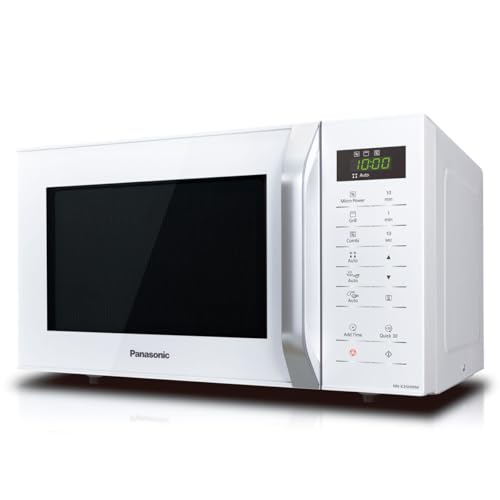
Igenix 20L 700W White Digital Microwave – IGMS02070W
Original price was: £64.99.£58.49Current price is: £58.49. *View On Amazon* - Microwave Ovens
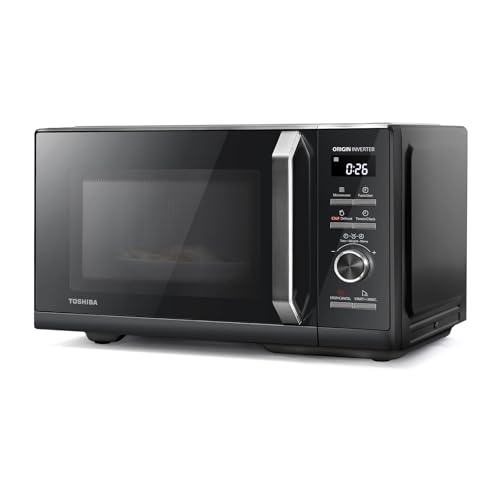
Toshiba 25L 3-in-1 Digital Microwave Oven With Grill, Origin Inverter, Chef Defrost, 10 Power Levels, 7 Auto Menus, Black, MW3-AG25PFI(BK)
Original price was: £134.99.£104.98Current price is: £104.98. *View On Amazon* - Microwave Ovens
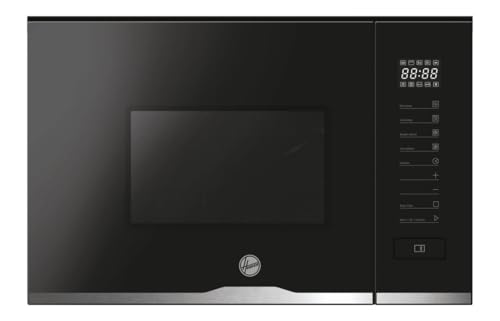
Hoover HMC34C5S0 Compact Built-in Oven with Microwave Black
£349.99 *View On Amazon* - Microwave Ovens
Panasonic NN-TK81LCSCP Built-in Microwave Oven Kit, Stainless Steel Finish
£226.54 *View On Amazon* - Microwave Ovens
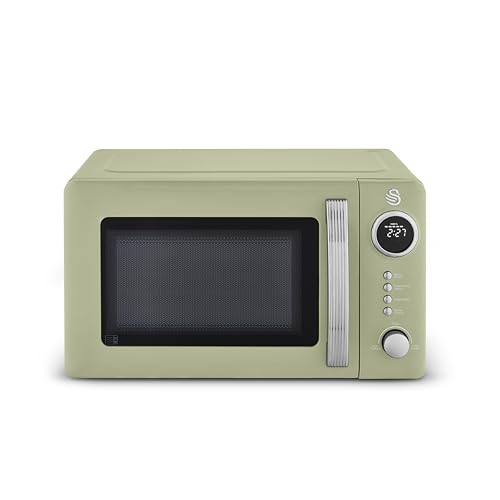
GEEPAS Retrovive 700W Digital Freestanding Microwave Oven 20L Grey
Original price was: £89.99.£76.49Current price is: £76.49. *View On Amazon* - Microwave Ovens
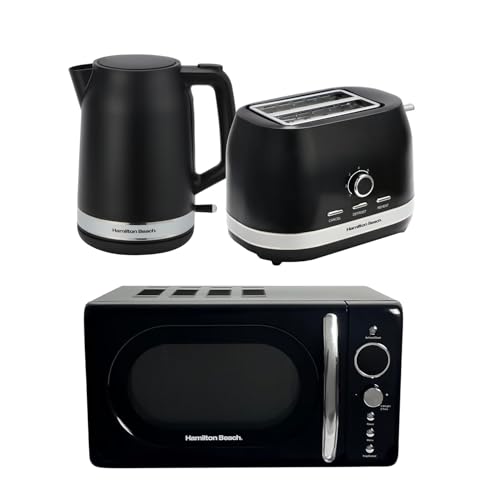
Hamilton Beach Ella Kitchen Set – 1.7L Kettle, 2 Slice Toaster & 20L Microwave, Black – ELLABB
Original price was: £169.99.£134.98Current price is: £134.98. *View On Amazon* - Microwave Ovens
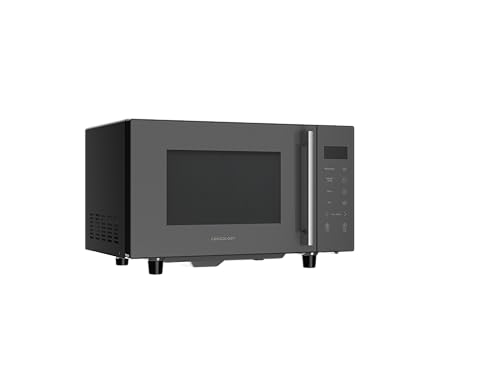
Cookology CFFB23LMSL Flatbed Microwave with Grill 23L Freestanding Grey
£99.99 *View On Amazon*









How to Choose the Right Microwave Oven
Start by thinking about how you normally use a microwave. If you mainly reheat meals, warm soup or defrost food, a simple solo microwave may be enough. If you want extra cooking flexibility, a grill microwave or combination microwave may be more suitable.
Capacity is one of the most important details to check. Smaller microwaves can suit compact kitchens, offices or occasional use, while larger models are better for families, bigger plates and larger dishes. Always check the internal capacity and the size of your dinner plates before buying.
What Matters Most When Comparing Microwave Ovens
The main things to compare are capacity, wattage, power levels, control style, preset programmes, defrost settings, turntable size, door opening, internal layout, noise level and ease of cleaning.
Wattage affects how quickly and evenly food may heat, but it should not be the only buying factor. A microwave also needs to fit your kitchen space, suit your dishes and be easy to use day after day. Clear controls can matter more than a long list of programmes if you mainly use the appliance for simple heating.
Solo Microwave, Grill Microwave or Combination Microwave?
A solo microwave is the simplest type. It is mainly used for reheating, defrosting and basic microwave cooking. It is usually the most practical choice if you want straightforward everyday convenience.
A grill microwave includes a grill function, depending on the model. This can help brown or crisp certain foods more than a standard microwave, making it more flexible for snacks, toast style toppings and some cooked dishes.
A combination microwave can combine microwave cooking with oven style or grill functions, depending on the appliance. It can be useful in smaller kitchens or homes where extra cooking space is helpful. The trade off is that combination models may be larger, more expensive and need more cleaning than a basic solo microwave.
Freestanding or Integrated Microwave Oven?
A freestanding microwave is usually the easiest option to place, move and replace. It can sit on a worktop, shelf or suitable kitchen surface, provided there is enough ventilation space around it.
An integrated microwave is built into a kitchen unit for a neater fitted look. It can save worktop space and suit modern kitchen designs, but installation and replacement need more planning.
The trade off is flexibility versus appearance. Freestanding microwaves are simpler and easier to move, while integrated microwave ovens help create a cleaner built in finish.
Manual Controls or Digital Controls?
Manual microwave controls are usually simple dials for power and time. They can be easy to understand and useful if you prefer straightforward operation without menus or settings.
Digital controls can offer more precision, preset programmes, timers, clocks and automatic settings depending on the model. They may be better if you want more control over cooking times and functions.
The trade off is simplicity versus features. Manual controls suit quick everyday use, while digital controls offer more options for people who use the microwave in different ways.
Turntable or Flatbed Microwave?
A turntable microwave uses a rotating glass plate to help move food during cooking or reheating. It is common, simple and works well for many everyday microwave tasks.
A flatbed microwave does not use a rotating plate and may offer more usable internal space, depending on the design. This can make it easier to fit larger or awkward shaped dishes.
The trade off is familiarity versus space. Turntable models are common and straightforward, while flatbed microwaves can be easier for larger dishes and simpler internal cleaning.
Defrosting, Presets and Everyday Cooking
Defrost settings can be useful if you regularly thaw frozen food. Some microwaves let you defrost by time, while others may offer weight based defrost programmes depending on the model.
Preset programmes can help with common tasks such as reheating drinks, cooking potatoes, warming ready meals or defrosting food. These features can be convenient, but they are only useful if they match the way you cook.
For most households, the most useful microwave is one with clear power settings, easy timing and enough space for regular dishes.
Cleaning, Safety and Practical Use
A microwave oven should be easy to wipe clean after use. Food splashes can build up inside, so a smooth interior, removable turntable or accessible flatbed design can make cleaning easier.
Safety and suitability matter too. Use microwave safe containers, avoid unsuitable materials and always follow the product guidance. Metal, sealed containers and some plastics may not be suitable for microwave use, so check both the appliance instructions and the container guidance before heating food.
Size, Ventilation and Kitchen Space
Before buying, measure the space where the microwave will sit. Check the width, height and depth of the appliance, and allow enough room for the door to open properly.
Ventilation is important because microwave ovens need space around them to operate safely. Do not squeeze a freestanding microwave into a tight gap unless the product guidance says it is suitable. If worktop space is limited, an integrated model or compact microwave may be worth considering.
Find a Microwave Oven That Suits Your Kitchen
Browse our range of microwave ovens and compare options by capacity, wattage, control type, cooking functions, size and ease of cleaning. Choose a microwave that fits your kitchen, suits your daily routine and helps make reheating, defrosting and quick cooking easier.
Microwave Ovens FAQs
What is a microwave oven used for?
A microwave oven is used for reheating food, warming drinks, defrosting frozen items and cooking suitable meals or ingredients. Some models also include grill or combination cooking functions.
What should I check before buying a microwave oven?
Check the capacity, wattage, power levels, control type, cooking functions, turntable or flatbed design, dimensions, cleaning ease and whether it fits your kitchen space.
What size microwave oven do I need?
The right size depends on your household and the dishes you use. Smaller microwaves suit compact spaces and simple reheating, while larger models are better for families and bigger plates.
Is a higher wattage microwave better?
A higher wattage microwave may heat food more quickly, but it is not the only thing to consider. Capacity, controls, cooking functions and ease of use also matter.
What is the difference between a solo microwave and a combination microwave?
A solo microwave is mainly for reheating, defrosting and basic microwave cooking. A combination microwave may include oven style or grill functions depending on the model.
Are grill microwaves worth buying?
Grill microwaves are worth considering if you want more flexibility than a basic microwave. They can help brown or crisp some foods, depending on the appliance and setting.
Is a flatbed microwave better than a turntable microwave?
A flatbed microwave can offer more usable internal space and easier cleaning. A turntable microwave is common, familiar and suitable for many everyday reheating and cooking tasks.
Can I put metal in a microwave oven?
Metal should not normally be used in a microwave unless the appliance and product guidance clearly say it is safe. Always follow the microwave instructions and use suitable containers.
Are integrated microwave ovens worth buying?
Integrated microwave ovens are worth considering if you want a built in kitchen look and more worktop space. They need more planning than freestanding models, especially for installation and replacement.
Are microwave ovens easy to clean?
Many microwave ovens are easy to clean if spills are wiped up quickly. Removable turntables, smooth interiors and flatbed designs can make cleaning more convenient.
Do microwave ovens use a lot of electricity?
Electricity use varies by wattage, cooking time and how often the microwave is used. Because microwaves usually run for short periods, they can be convenient for quick heating tasks, but product energy use should still be checked before buying.
Can a microwave oven replace a normal oven?
A microwave oven can handle many reheating and quick cooking jobs, but it may not replace a normal oven for baking, roasting or larger meals. Combination microwaves may offer more flexibility, depending on the model.
Where should I put a microwave oven?
Place a microwave oven on a stable, suitable surface with enough ventilation space and easy access to a plug socket. Make sure the door can open fully and follow the product positioning guidance.
Find out more with our Microwave Oven Buyers Guide.
 Getting ready for Summer? View our Home and Garden Products

Heading outdoors this winter? Take a look at our Outdoor Clothing.