
Garden Chimeneas
Garden chimeneas add warmth, atmosphere and a natural focal point to patios, lawns and outdoor seating areas. Whether you want a cosy spot for cooler evenings, a stylish alternative to a fire pit, or a compact fire feature for relaxed garden entertaining, the right chimenea can make your outdoor space feel more inviting.
Our garden chimeneas range is designed for outdoor living, garden comfort and evening entertaining. From traditional clay chimeneas to metal chimeneas, cast iron styles and compact patio designs, you can choose an option that suits your garden size, seating layout, fuel preference and how often you plan to use it.
- Garden Chimeneas
Outdoor Weathering Steel Cone Fire Pit, Brown, 50 x 50 x 95 cm
£159.00 *View On Amazon* - Garden Chimeneas
Charles Bentley Barcelona Clay Chiminea with Stand, Large
Original price was: £89.99.£79.99Current price is: £79.99. *View On Amazon* - Garden Chimeneas
Rimwig Chiminea Cover 125 x 80 x 29 cm with Air Vents
Original price was: £12.99.£8.99Current price is: £8.99. *View On Amazon* - Garden Chimeneas
VEVOR 22 Inch Chiminea Outdoor Wood Burning Fire Pit with Grill Mesh
£265.90 *View On Amazon* - Garden Chimeneas
JSH Large Modern Outdoor Chiminea Garden Heater, 110 cm Rust
£109.99 *View On Amazon* - Garden Chimeneas
Xialuwy Chimenea Fire Pit Cover 25 x 48 in with Drawstring Bag
£15.09 *View On Amazon* - Garden Chimeneas
Casa Mia Tempo Gas Chiminea with Cooking Griddle, Corten Steel
£149.99 *View On Amazon* - Garden Chimeneas
Singwow 500L Garden Waste Bags, Reinforced Base Edge, 2 Pack
Original price was: £14.99.£11.98Current price is: £11.98. *View On Amazon* - Garden Chimeneas
Original Organics Mexican Chimenea, Large Clay Patio Fire Feature
£349.95 *View On Amazon* - Garden Chimeneas
Original Organics Mexican Chimenea with Alloy Steel Stand, Azteca Yellow, 110 cm
£274.95 *View On Amazon* - Garden Chimeneas
120kg Oak Kiln Dried Logs for Wood Burner, Log Burner and Stove
£180.00 *View On Amazon* - Garden Chimeneas
CookKing Faro Garden Fireplace Stove, 158 cm Natural Steel
£289.95 *View On Amazon* - Garden Chimeneas
Waterproof Round Patio Heater Cover with Zipper and Drawstring, 226 x 89 x 48 cm
£7.59 *View On Amazon* - Garden Chimeneas
La Hacienda Firpit Swallows Oxidised Fire Globe, 50 x 50 x 61 cm
£114.35 *View On Amazon*


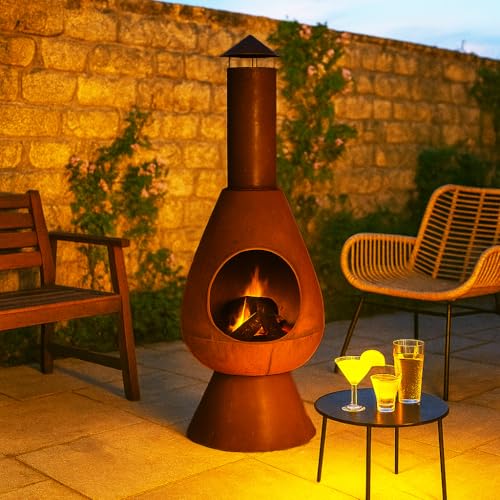


Create a Cosy Outdoor Focal Point
A chimenea gives your garden a warm and welcoming centrepiece. The upright shape, fire chamber and chimney-style design help create a more contained fire feature than many open fire pits, making it a popular choice for patios and seating areas.
For garden entertaining, a chimenea can help guests gather naturally around a warm glow after food, drinks or a BBQ. For quieter evenings, it can make a patio or lawn feel calmer, cosier and more comfortable when the temperature drops.
In the UK, where evenings can feel cool even during summer, a garden chimenea can help you enjoy your outdoor space for longer.
How to Choose a Garden Chimenea
Start by thinking about where the chimenea will sit. A small patio may suit a compact model, while a larger garden seating area may need a taller or more substantial design.
Key decision factors include size, material, fuel type, stability, heat output, smoke direction, opening size, weight, cleaning access, weather care, storage, safety distance and how close it will be to fences, sheds, furniture and plants.
You should also think about who will use the garden. If children or pets are often nearby, choose your position carefully and keep a clear safety zone around the chimenea whenever it is in use.
Clay Chimeneas vs Metal Chimeneas
Clay chimeneas often have a traditional look and can suit relaxed garden spaces, patios and rustic outdoor seating areas. They may need careful handling, gradual heating and protection from frost, depending on the product guidance.
Metal chimeneas, including steel and cast iron designs, can feel sturdier and may suit more regular outdoor use. They can become very hot during use and may need weather protection to reduce rust or surface wear.
The trade-off is traditional style versus durability and care. Clay can look warm and decorative, while metal may feel more robust, but both need sensible use, cleaning and storage.
Small Chimeneas vs Large Chimeneas
Small garden chimeneas are useful for compact patios, courtyards and smaller seating areas. They take up less room, are easier to position and may be more practical if you only want occasional warmth and atmosphere.
Large chimeneas can create a stronger focal point and may provide more presence in bigger gardens. They usually need more space, more fuel and more careful placement, but they can work well in larger entertaining areas.
The right choice depends on your garden layout. A chimenea should fit comfortably into the space without blocking paths, crowding furniture or sitting too close to flammable materials.
Chimeneas vs Fire Pits
Chimeneas and fire pits both add flame and warmth to a garden, but they feel different in use. A fire pit is usually more open, making it easy for people to sit around in a circle and enjoy the fire from several sides.
A chimenea is more enclosed, with a front opening and chimney-style top. This can make it feel neater and more directed, especially on patios or in seating areas where you want the fire positioned in one clear place.
The trade-off is open social flame versus contained design. A fire pit may feel more communal, while a chimenea can be a better choice where you want a defined outdoor feature.
Wood Burning and Fuel Considerations
Many garden chimeneas are designed for suitable dry wood, but fuel guidance varies by product. Some may also allow other fuels, depending on the material and design.
Always use the fuel recommended by the manufacturer. Avoid treated timber, painted wood, household waste, plastics or unsuitable materials, as these can create harmful fumes, unpleasant smoke or damage the chimenea.
Dry, suitable fuel usually burns more cleanly than damp fuel. Damp wood can create more smoke, make lighting harder and reduce the enjoyment of sitting nearby.
Useful Features to Look For
A good garden chimenea should be stable, easy to access and practical to clean. Useful features may include a wide front opening, sturdy legs or base, spark guard, poker, removable ash tray, rain lid, protective cover and clear fuel guidance.
For patios, check whether the chimenea needs a heat-resistant base or stand. For gardens with children or pets, a spark guard and careful positioning are especially important.
Before buying, compare the dimensions, weight, material, assembly needs, opening size and cleaning method. A chimenea should suit your space and routine, not become awkward to move, clean or store.
Where to Place a Garden Chimenea
Place your chimenea on a stable, level, heat-safe surface with plenty of clearance around it. Keep it away from fences, sheds, decking edges, dry grass, trees, plants, washing lines, garden furniture, doors, windows, children and pets.
Avoid using a chimenea under gazebos, awnings, parasols, low branches or covered areas unless the product and shelter guidance clearly say the setup is safe. Heat, sparks, smoke and carbon monoxide can create serious risks.
Think about smoke direction before lighting. Position the chimenea so smoke is less likely to blow towards seating, neighbours, open windows or doors.
Using Garden Chimeneas Safely
Garden chimeneas should only be used outdoors in a well-ventilated area. Never use a chimenea inside a house, shed, garage, tent, awning, gazebo or enclosed space.
Do not leave a lit chimenea unattended. Keep children and pets away, use suitable tools when adding fuel, and avoid touching the body of the chimenea while it is hot.
Let the chimenea cool completely before moving, cleaning, covering or storing it. Ash and embers can stay hot for longer than expected, so dispose of waste carefully and only when fully cooled.
Looking After Your Chimenea
Chimeneas last longer when they are cared for properly. Let the fire burn down fully, allow everything to cool, then remove ash and debris according to the product instructions.
Clay chimeneas may need extra care in cold or wet weather. Sudden heat changes, frost and trapped moisture can cause damage, so follow the product guidance closely.
Metal chimeneas may need protection from rain and rust depending on the finish. A suitable cover and dry storage can help keep the chimenea in better condition between uses.
Garden Chimeneas for Patios and Entertaining
A chimenea can work beautifully as part of a patio seating area. Pair it with comfortable chairs, outdoor lighting, side tables and blankets to create a relaxed evening space.
For entertaining, place the chimenea where guests can enjoy the warmth without needing to walk too close to it. Keep drinks tables, cushions, throws and decorations at a safe distance.
A well-positioned chimenea can make a garden feel more like an outdoor room, especially when combined with simple seating and soft lighting.
Shop Garden Chimeneas Online
Browse our garden chimeneas range to find outdoor fire features for patios, lawns, garden seating areas and evening entertaining. Compare clay chimeneas, metal chimeneas, compact designs, larger models and useful accessories to choose a chimenea that suits your garden and the way you relax outside.
Garden Chimeneas FAQs
What is a garden chimenea?
A garden chimenea is an outdoor fire feature with a fire chamber and chimney-style top. It is used to add warmth, light and atmosphere to patios, gardens and outdoor seating areas.
Are chimeneas good for gardens?
Yes, chimeneas can be good for gardens when used safely and placed correctly. They create a cosy focal point and can make outdoor seating areas more comfortable in the evening.
What is the difference between a chimenea and a fire pit?
A chimenea is more enclosed and usually has a chimney to direct smoke upwards. A fire pit is more open and often allows people to sit around the flame from several sides.
Are clay or metal chimeneas better?
Clay chimeneas offer a traditional look but may need more careful handling and weather protection. Metal chimeneas can feel more robust, but they may need protection from rust and can become very hot during use.
Can I use a chimenea on a patio?
Yes, many chimeneas can be used on patios if they are placed on a stable, heat-safe surface with enough clearance from furniture, fences, plants and buildings. Always follow the product guidance.
Can I use a chimenea on decking?
Only use a chimenea on decking if the product guidance and setup clearly allow safe use. Heat, sparks and embers can damage decking and create fire risk, so a proper heat-safe base is essential.
Can I use a chimenea under a gazebo?
You should not use a chimenea under a gazebo unless the chimenea and shelter guidance specifically allow safe use. Heat, smoke, sparks and carbon monoxide can be dangerous in covered or enclosed spaces.
What fuel should I use in a chimenea?
Use only the fuel recommended by the manufacturer. Many chimeneas are designed for suitable dry wood, but product guidance varies. Do not burn treated timber, rubbish, plastics or unsuitable materials.
Do chimeneas produce smoke?
Wood burning chimeneas can produce smoke, especially if damp or unsuitable fuel is used. Dry suitable fuel and good airflow can help reduce smoke, but you should still consider wind direction and neighbours.
How do I light a chimenea safely?
Follow the manufacturer’s instructions. Use suitable fire lighting products, start with a small fire, keep flammable items away and never use petrol, spirits or unsafe accelerants.
Do chimeneas need a cover?
A cover is useful for many chimeneas, especially if they stay outside. It can help protect against rain, dirt and general weather exposure where the product guidance recommends covering.
How do I clean a chimenea?
Let it cool completely, then remove ash and debris according to the product instructions. Wipe or brush surfaces as recommended and avoid harsh cleaning methods unless the manufacturer says they are suitable.
Can chimeneas stay outside all year?
Some chimeneas can stay outside with suitable care, while others need covering or dry storage. Clay chimeneas may need extra protection from frost and moisture, so check the product guidance.
Are chimeneas safe around children and pets?
Chimeneas can be used safely only with close supervision and sensible placement. Keep children and pets well away from the fire, hot surfaces, fuel and ash, and never leave a lit chimenea unattended.
 Getting ready for Summer? View our Home and Garden Products

Heading outdoors this winter? Take a look at our Outdoor Clothing.