
Kid's Down Jackets
Kid’s Down Jackets are designed to help children stay warm and comfortable during cold weather, outdoor activities and everyday family adventures. Whether you are buying for school runs, camping trips, winter walks, holidays, playground use or general outdoor wear, the right down jacket can make chilly days much easier to manage.
This category includes down and down style insulated jackets for children across different ages, fits and uses. Depending on the product, you may find lightweight down jackets, padded jackets, hooded jackets, packable styles, warm everyday jackets and insulated outer layers suitable for outdoor use where listed.
- Kid's Down Jackets
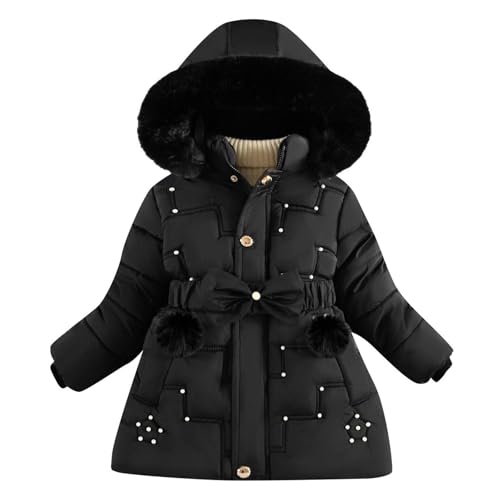
Girls Hooded Padded Winter Jacket
Original price was: £29.98.£11.99Current price is: £11.99. *View On Amazon* - Kid's Down Jackets
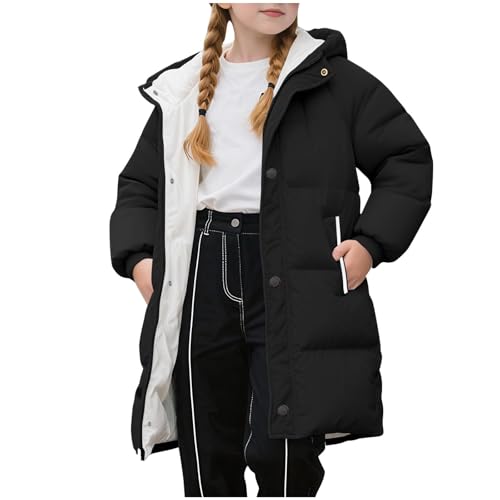
Kids Boys Hooded Quilted Winter Jacket Waterproof Long Coat
£23.69 *View On Amazon* - Kid's Down Jackets
QIANCOME Kids Quilted Hooded Winter Coat, Long Sleeve Padded Jacket
Original price was: £13.49.£12.49Current price is: £12.49. *View On Amazon* - Kid's Down Jackets
Girls Down Jacket Cropped Padded Winter Coat for 14-15 Years
£13.99 *View On Amazon* - Kid's Down Jackets
Pleyihe Kids Waterproof Jacket, Black, Age 13-14 Years, Regular Fit
Original price was: £10.99.£9.99Current price is: £9.99. *View On Amazon* - Kid's Down Jackets
Boys Blackish Green Puffer Jacket with Removable Faux Fur Hood, 9-10 Years
£12.99 *View On Amazon* - Kid's Down Jackets
Happy Cherry Girls Padded Winter Coat with Faux Fur Hood, 160 cm
£35.48 *View On Amazon* - Kid's Down Jackets
Under Armour Boys Pronto Colourblock Puffer Jacket, 12-13 Years, Blue Atlantis
£64.99 *View On Amazon* - Kid's Down Jackets
Aiihoo Kids Girls Metallic Motorcycle Jacket, Gold, 15-16 Years
£10.89 *View On Amazon* - Kid's Down Jackets
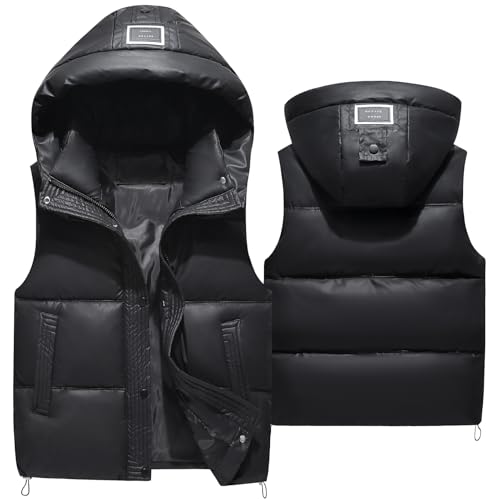
NEAWEALY Kids Puffer Vest Black, 8-9 Years
Original price was: £17.59.£15.99Current price is: £15.99. *View On Amazon* - Kid's Down Jackets
Girls 2-Piece Snow Suit Set with Puffer Jacket and Bib Pants, Black, 6-7 Years
£47.99 *View On Amazon* - Kid's Down Jackets
Mountain Warehouse Polar Zone Kids Jacket and Pants Set Navy 5-6y
£49.99 *View On Amazon* - Kid's Down Jackets
WIEAYUMEI Kids Waterproof Winter Jacket, Black, 10-11 Years
£26.99 *View On Amazon* - Kid's Down Jackets
SEAUR Boys Down Vest Kids Gilet Black, 10-11 Years
Original price was: £20.90.£19.85Current price is: £19.85. *View On Amazon* - Kid's Down Jackets
Kids Hooded Fleece Winter Coat with Ear Detail, Dark Blue
Original price was: £18.99.£14.99Current price is: £14.99. *View On Amazon* - Kid's Down Jackets
Kids Hooded Fleece Winter Coat with Ear Detail, Black, 2-3 Years
Original price was: £18.99.£16.99Current price is: £16.99. *View On Amazon* - Kid's Down Jackets
Regatta Professional Kids’ Thermal Jacket with Hood and Zipped Pockets
£20.57 *View On Amazon* - Kid's Down Jackets
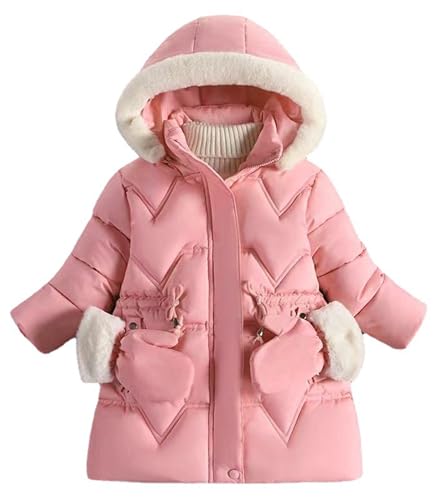
Happy Cherry Girls Padded Hooded Winter Coat with Gloves, 2-7 Years
£27.88 *View On Amazon* - Kid's Down Jackets
Weighted Compression Vest for Kids with Adjustable Straps
£23.99 *View On Amazon* - Kid's Down Jackets
Happy Cherry Kids Down Gilet Thermal Sleeveless Jacket Black, Size 150
£16.98 *View On Amazon*









What Are Kid’s Down Jackets?
Kid’s down jackets are insulated jackets designed to trap warmth around the body. Traditional down insulation uses soft natural fill, while some products may use down blends or down style insulation depending on the listing.
The main purpose is warmth without unnecessary bulk. Many down jackets are chosen because they feel light, comfortable and easy for children to wear, although warmth, weight, outer fabric and weather suitability can vary by product.
What Kid’s Down Jackets Are Used For
Kid’s down jackets are used for cold weather walks, school journeys, camping, travel, holidays, outdoor play, family days out and everyday winter layering. They can be useful whenever a child needs extra warmth but still needs to move freely.
For mild cold days, a lighter jacket may be enough. For colder conditions, a warmer insulated jacket may be more suitable where listed, especially when worn with base layers, jumpers or other outdoor clothing.
They can also be useful as a spare warm layer for campsite evenings, after sports sessions or during long days out when temperatures drop.
How To Choose The Right Kid’s Down Jacket
Start with the conditions the jacket will be used in most often. A jacket for the school run may need everyday comfort and easy fastening, while one for camping or winter walks may need better warmth, layering space and practical pockets where listed.
Next, think about the child’s age and activity level. Younger children may need simple zips, secure hoods and easy movement. Older children may care more about style, fit, weight and how the jacket feels with school bags or outdoor kit.
Finally, check product details carefully. Look for information on insulation type, outer fabric, hood style, pockets, packability, water resistance and care instructions where listed.
Key Features To Compare
Warmth is one of the most important features. Some jackets are made for light warmth, while others are designed for colder conditions where listed. Always compare the product details rather than assuming every down jacket offers the same level of insulation.
Weight and bulk also matter. A lighter jacket can be easier for children to wear, carry and pack, while a thicker jacket may feel warmer but less flexible during active play.
Outer fabric is worth checking. Some jackets may include water resistant or wind resistant features where listed, but down jackets are not all waterproof. If heavy rain is likely, a waterproof outer layer may be needed.
Pockets, hoods, cuffs, zip guards, adjustable hems and packable designs can also make a difference to everyday practicality.
Down Jackets Compared With Synthetic Padded Jackets
Down jackets are often chosen for warmth and lightness. They can feel cosy without being overly heavy, which can be helpful for children who dislike bulky coats.
Synthetic padded jackets may perform differently, especially in damp conditions, depending on the product. They may be easier to care for in some cases and may suit families who want a simpler everyday option.
The trade off is that down jackets may need more careful washing and drying, while synthetic jackets may not always offer the same warmth to weight feel. The best choice depends on the child, the weather and how the jacket will be used.
Down Jackets Compared With Waterproof Jackets
A down jacket is mainly chosen for warmth. A waterproof jacket is mainly chosen for rain protection. Some insulated jackets may include water resistant features where listed, but this does not mean they are suitable for heavy rain.
For cold and dry weather, a down jacket may be ideal. For wet weather, a waterproof outer layer may be more practical. For cold, wet days, layering a waterproof shell over a suitable insulated jacket may work where the garments fit comfortably together.
Beginner Occasional And Regular Outdoor Use Guidance
For occasional cold weather use, choose a simple jacket that feels comfortable, warm enough for the intended conditions and easy for the child to wear.
For regular outdoor use, compare warmth, durability, hood design, pockets and wash care more carefully. A jacket that is worn daily needs to be practical as well as comfortable.
For children who spend lots of time outdoors, layering compatibility becomes important. The jacket should work with school clothing, base layers, fleeces, waterproofs and bags where suitable.
Use Cases By Activity
For school runs, look for comfort, easy fastening and a fit that works over uniforms or everyday clothing.
For camping, a down jacket can be useful in cool evenings and early mornings. Packability may matter where listed, especially when space is limited.
For walking and family days out, warmth, movement and hood coverage can be useful depending on the weather.
For travel and holidays, lighter or packable styles may be practical where listed, as they can be easier to carry when not worn.
For playground use and outdoor play, durability, easy movement and simple care should be considered carefully.
Fit Sizing And Growing Room
Kid’s down jackets should fit comfortably across the chest, shoulders and arms. The child should be able to move, bend, sit, reach and play without the jacket pulling or feeling restrictive.
Check the size guide where listed and compare it with the child’s measurements. Age sizing can vary, so height, chest and body measurements may be more useful than age alone.
Growing room can be helpful, but the jacket should not be so large that sleeves cover the hands, the hem catches, or the jacket feels bulky under bags or waterproof layers.
Layering With Kid’s Down Jackets
Down jackets work well as part of a layering system. A base layer or T shirt can sit underneath, followed by a jumper or fleece if extra warmth is needed. The down jacket can then act as the main warm layer.
In wet conditions, a waterproof jacket may be needed over the top where suitable. Make sure the layers fit together comfortably and do not restrict movement.
Children often move between active play and standing still, so layers are useful because they can be adjusted as temperatures and activity levels change.
Weather Suitability And Comfort
Down jackets are often best suited to cold and dry conditions, depending on the product. Some may offer light resistance to wind or showers where listed, but they should not be treated as waterproof unless the product clearly states this.
If a down jacket becomes wet, it may feel less comfortable and may need careful drying. For rainy days, a waterproof layer or a different jacket may be more practical.
Comfort also includes breathability and movement. A very warm jacket may be useful in cold weather, but it can feel too hot during active play, so consider how energetic the child usually is.
Safety And Practical Considerations
Kid’s down jackets should support safe and comfortable movement. Avoid jackets that are too long, too loose or likely to catch on play equipment, bike parts, branches or camping gear.
Hoods, cords and fastenings should be checked carefully, especially for younger children. Choose age suitable designs and make sure the child can manage the jacket safely where needed.
Keep insulated jackets away from open flames, heaters and cooking areas. This is especially important during camping trips, bonfires, barbecues and outdoor events.
For low light conditions, bright colours or reflective details may be useful where listed, but they should not replace supervision or suitable lighting.
Care Cleaning And Storage
Always follow the care label on the product. Down jackets may need more careful washing and drying than everyday coats, especially if they use natural down or specialist insulation where listed.
Let the jacket dry fully before storing it. Damp insulated clothing can become uncomfortable, smell unpleasant and may not perform as intended next time it is worn.
Store down jackets loosely where possible rather than crushed for long periods. If a jacket is packable, use the packable feature for travel, but avoid leaving it compressed for longer than needed unless the product guidance says otherwise.
Useful Accessories To Consider
Useful accessories for kid’s down jackets may include warm hats, gloves, scarves, neck warmers, base layers, fleeces, waterproof jackets, outdoor trousers, walking socks and small day bags.
For camping and winter trips, spare socks, gloves and a waterproof outer layer can be especially practical. For school use, a hat and gloves can help complete a simple cold weather setup.
Choosing accessories alongside the jacket helps make sure the child is prepared for the weather rather than relying on one item to do everything.
Why Buy From YPC?
At YPC, we understand active lifestyles and the need for practical products that work in real use. Kid’s down jackets should be chosen for warmth, fit, comfort, care needs and the way children actually move, play and spend time outdoors.
YPC brings together a wide range of sports, outdoor and activity products so you can compare available kid’s down jackets by size, use, warmth, features and suitability. Browse the Kid’s Down Jackets category to compare the range and choose practical cold weather clothing for school, camping, walking, travel and everyday outdoor use.
FAQs
What is a kid’s down jacket used for?
A kid’s down jacket is used to help keep a child warm in cold weather. It can be suitable for school runs, winter walks, camping, travel, outdoor play and everyday use depending on the product.
Are kid’s down jackets waterproof?
Not always. Some may have water resistant features where listed, but down jackets are not automatically waterproof. Check the product details carefully if rain protection is important.
Are down jackets warm for children?
Down jackets can provide useful warmth, depending on the insulation, design and product details. Always compare warmth related information where listed and choose based on the conditions the child will use it in.
What should children wear under a down jacket?
Children can wear everyday clothing, base layers, jumpers or fleeces under a down jacket depending on the weather. Make sure the layers fit comfortably and do not restrict movement.
Can a kid’s down jacket be used for camping?
Yes, a down jacket can be useful for camping, especially during cool evenings and mornings. Keep it away from flames, cooking areas and damp conditions, and check weather suitability before packing.
How should a kid’s down jacket fit?
It should feel comfortable across the chest, shoulders and arms, with enough room for movement and light layers. It should not be so large that it catches, slips or feels awkward during play.
How do I wash a kid’s down jacket?
Follow the care label on the jacket. Down and insulated jackets can need specific washing and drying care, so avoid treating them like ordinary everyday coats unless the label says it is suitable.
What is the difference between a down jacket and a padded jacket?
A down jacket usually uses down or down style insulation where listed, while padded jackets may use synthetic insulation. Both can provide warmth, but they may differ in weight, care, damp weather performance and feel.
 Getting ready for Summer? View our Home and Garden Products

Heading outdoors this winter? Take a look at our Outdoor Clothing.