
Airsoft Air and Co2 Fill Stations
Airsoft air and CO2 fill stations are used to support compatible compressed air and CO2 powered airsoft equipment. They can help players, teams and organisers manage HPA tanks, refillable air systems, CO2 compatible equipment and site controlled filling setups safely and more efficiently.
Our Airsoft Air and CO2 Fill Stations range is designed for players and organisers who need practical support equipment for compatible airsoft pressure systems. At YPC, we run real airsoft skirmish days at Yorkshire Outdoor Activity Park, so we understand how important rated equipment, safe filling areas, honest chrono checks and responsible pressure handling are during proper airsoft play.
- Airsoft Air and Co2 Fill Stations
TUXING 2L Carbon Fibre Composite Air Cylinder, 4500 psi, White
£169.00 *View On Amazon* - Airsoft Air and Co2 Fill Stations
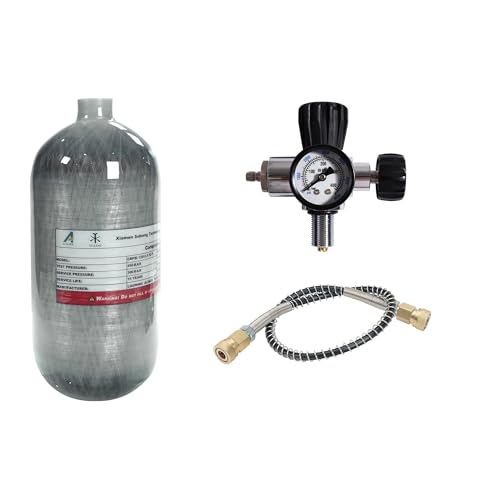
TUXING 3L Carbon Fibre Air Tank with Valve Regulator Gauge and Bag
£219.99 *View On Amazon* - Airsoft Air and Co2 Fill Stations
Air Fill Station with Dual Gauge and 50 cm Hose, M18x1.5
£91.26 *View On Amazon* - Airsoft Air and Co2 Fill Stations
Aopkeo Universal Fill Adapter for Paintball Marker Remote Hose, G1/2 ASA
£23.15 *View On Amazon* - Airsoft Air and Co2 Fill Stations
TUXING 2L Carbon Fibre Air Tank with Regulator Gauge, 4500psi
£189.00 *View On Amazon* - Airsoft Air and Co2 Fill Stations
TUXING 3L 4500 psi Carbon Fibre Air Tank with Valve Regulator Gauge
£179.00 *View On Amazon* - Airsoft Air and Co2 Fill Stations
TUXING 6.8L Carbon Fibre Air Tank 4500Psi Composite Cylinder
£189.00 *View On Amazon* - Airsoft Air and Co2 Fill Stations
TUXING 3L Carbon Fibre Air Tank with Valve Regulator Gauge
£189.00 *View On Amazon* - Airsoft Air and Co2 Fill Stations
Xiuganpo G5/8 Quick Fill Adapter Hose, 4500 psi Filling Station
£14.66 *View On Amazon* - Airsoft Air and Co2 Fill Stations
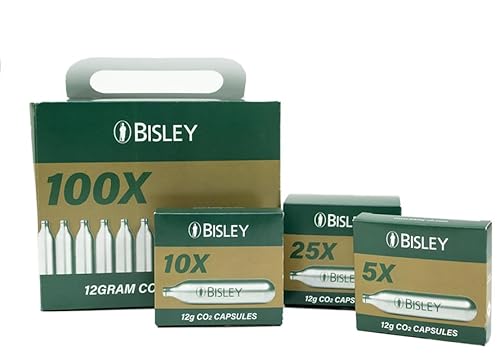
BISLEY 12g CO2 Cartridges Pack of 40 Non-Threaded Gas Canisters
£17.49 *View On Amazon* - Airsoft Air and Co2 Fill Stations
ZXAOMMBEA 0.7L Carbon Fibre HPA Cylinder Tank M18 x 1.5
£570.86 *View On Amazon* - Airsoft Air and Co2 Fill Stations
Black Stainless Steel CO2 Adapter with 1/8 NPT Threaded Tank Connector
£9.16 *View On Amazon* - Airsoft Air and Co2 Fill Stations
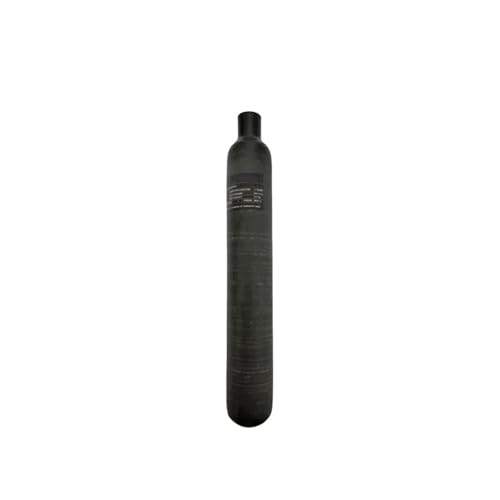
TUXING 2.5L Carbon Fibre Composite Cylinder M18x1.5 Empty Tank
£189.00 *View On Amazon* - Airsoft Air and Co2 Fill Stations
TUXING 6.8L Carbon Fibre Air Tank 4500 psi Composite Cylinder with Bag
£236.54 *View On Amazon* - Airsoft Air and Co2 Fill Stations
TUXING 6.8L Carbon Fibre Air Tank 4500psi Composite Cylinder
£236.54 *View On Amazon* - Airsoft Air and Co2 Fill Stations
Aolidsive CO2 Quick Fill Adapter, G5/8 Thread, 30MPA, 1 Pack
£13.19 *View On Amazon* - Airsoft Air and Co2 Fill Stations
Aolidsive Quick Fill Adapter, G5/8 Thread CO2 Tank Refill Connection
£13.18 *View On Amazon* - Airsoft Air and Co2 Fill Stations
EIMSOAH Quick Fill Adapter for 6.8L CO Tank, G5/8 Thread
£14.49 *View On Amazon* - Airsoft Air and Co2 Fill Stations
Spacnana G5/8 High Pressure Quick Fill Adapter for CO2 and HPA
£13.62 *View On Amazon* - Airsoft Air and Co2 Fill Stations
CHICIRIS Compact Air Line Coil, Aluminium, G1/2
£19.65 *View On Amazon* - Airsoft Air and Co2 Fill Stations
TUXING 3L 4500psi Carbon Fibre Air Tank with Valve Regulator Gauge and Bag
£209.00 *View On Amazon* - Airsoft Air and Co2 Fill Stations
CO2 Gas Tank Gauge with 1/8 NPT Side Thread, 2000 PSI
£9.81 *View On Amazon*





Practical Filling Support for Airsoft Power Systems
Airsoft pressure systems need to be treated carefully. HPA tanks, regulators, fill lines, fittings, gauges and CO2 equipment all involve stored pressure, so compatibility and safe handling matter.
A good fill station can make airsoft preparation more organised, especially for players using HPA replicas or sites supporting air fills during events. It can also help keep filling controlled rather than improvised.
Fill equipment should only be used with compatible cylinders, tanks, fittings and pressure systems. Guesswork is not acceptable when compressed air or CO2 is involved.
How to Choose Airsoft Air and CO2 Fill Stations
Start by checking what you need the fill station for. HPA air tanks, CO2 compatible equipment, team use and site use can all require different fittings, pressure ratings and handling requirements.
Key decision factors include gas type, HPA compatibility, CO2 compatibility, rated pressure, fitting type, thread compatibility, gauge clarity, hose quality, valve control, fill source, tank condition, site rules, safe filling area, operator knowledge, transport safety and whether the equipment is suitable for airsoft use.
Do not choose a fill station only because it looks like it will connect. The fittings, pressure rating and intended use must all match.
HPA Fill Stations Explained
An HPA fill station is normally used to connect a suitable high pressure air source to a compatible airsoft HPA tank.
The fill station may include a valve, pressure gauge, hose, bleed system and fittings, depending on the product. These parts help control and monitor the filling process when used correctly.
HPA fill stations should be used only with suitable compressed air equipment and compatible airsoft HPA tanks. They should never be used with unsuitable gases or unknown pressure sources.
CO2 Fill Stations Explained
CO2 fill stations are used only with equipment designed for refillable CO2 use. CO2 has different handling considerations from compressed air and should not be treated as the same system.
Many small CO2 capsules used in airsoft are disposable and should not be refilled. A CO2 fill station should only be used with compatible refillable equipment where the product guidance clearly allows it.
CO2 filling must be handled carefully because CO2 pressure, temperature and liquid gas behaviour can create risk if used incorrectly.
Compressed Air vs CO2
Compressed air and CO2 are not the same thing. HPA systems normally use regulated compressed air, while CO2 systems use carbon dioxide stored under pressure.
An HPA fill station should not be treated as a CO2 fill station unless the product specifically supports that use. CO2 equipment should not be connected to HPA equipment by guesswork.
The right fill station depends on the gas type, tank, fittings and product guidance. Mixing systems incorrectly can be dangerous and can damage equipment.
Fill Stations for HPA Tanks
HPA tanks are commonly used by airsoft players running HPA replicas, HPA adapters or regulated air setups.
A fill station for HPA tanks should match the tank’s fill nipple, pressure rating and intended air source. The gauge should be clear enough to monitor pressure properly.
HPA tanks should only be filled within their rated limits and product guidance. Damaged, leaking, out of test or uncertain tanks should not be filled or used.
Fill Stations for CO2 Compatible Equipment
CO2 compatible airsoft equipment must be used with the correct CO2 products and filling equipment. Not every CO2 item is refillable.
Disposable CO2 capsules should not be refilled. Refillable CO2 tanks or systems should only be filled with suitable equipment and according to the product guidance.
If you are unsure whether a CO2 product is refillable, treat it as non-refillable until confirmed otherwise by the manufacturer or a competent supplier.
Pressure Ratings and Limits
Pressure rating is one of the most important safety factors when choosing a fill station. Every part of the system must be suitable for the pressure involved.
This includes the tank, fill station, hose, fittings, gauge, valves and source cylinder. A weak link in the system can create serious risk.
Do not exceed the rated working pressure of any part. Do not rely on appearance, thread fit or assumptions.
Gauges and Pressure Reading
A pressure gauge helps the user see what is happening during filling. A clear, reliable gauge is important because overfilling or misreading pressure can create risk.
The gauge should be suitable for the pressure range being used and should be easy to read in the intended setting.
Do not use a fill station with a damaged, unclear or unreliable gauge. If you cannot confirm pressure accurately, the setup is not suitable.
Valves and Bleed Systems
Fill stations may include valves and bleed systems to help control pressure and release pressure from the line after filling.
These features should be used only according to the product instructions. Incorrect valve use can cause sudden pressure release, leaks or unsafe handling.
If a valve is stiff, leaking, damaged or unpredictable, stop using the fill station until it has been checked.
Fill Whips and Hoses
Fill whips and hoses connect the fill station to the tank or equipment. They must be rated for the pressure, gas type and intended use.
A hose should not be cracked, kinked, crushed, cut or leaking. It should route safely without being under strain.
Do not use damaged hoses. A fill hose is pressure equipment, not a normal accessory cable.
Fittings and Connectors
Fittings and connectors must match the equipment being used. This may include fill nipples, quick disconnect fittings, threaded connectors or platform-specific adapters depending on the system.
Do not force fittings together. Cross-threading, poor alignment or incompatible connectors can cause leaks and damage.
A fitting that looks close enough is not good enough. It must be correct, secure and suitable for the pressure involved.
Thread Compatibility
Thread compatibility matters because different cylinders, valves, adapters and fill stations may use different thread types.
Using the wrong thread can damage the equipment and may create an unsafe pressure connection.
If a fitting does not screw in smoothly by hand before tightening, stop and check compatibility. Do not force it.
Quick Disconnect Fittings
Quick disconnect fittings are common in HPA airsoft systems because they make connection and disconnection more convenient.
They still need to be used carefully. The fitting should lock securely, seal properly and disconnect only when safe to do so according to the product guidance.
Check quick disconnect fittings for dirt, damage and leaks before use. Small seal problems can cause major inconvenience on game day.
Air Source Compatibility
An HPA fill station needs a suitable air source, such as a compatible high pressure air cylinder or site fill system. It should not be connected to random compressors or unsuitable sources.
Standard workshop or household compressors are usually not suitable for filling airsoft HPA tanks to high pressure and may not provide the clean, dry air required.
Use only appropriate air fill equipment and follow product and site guidance.
CO2 Source Compatibility
CO2 filling equipment must be matched to the correct CO2 source and receiving equipment. CO2 storage and transfer is not the same as filling with compressed air.
Temperature, pressure and liquid CO2 behaviour make compatibility and safe handling especially important.
Do not improvise CO2 filling equipment. Use only products intended for the task and follow the guidance supplied with the equipment.
Air Cylinders and Tank Condition
Air cylinders and HPA tanks should be inspected before use. Check for damage, leaks, dents, cracks, corrosion, damaged threads, damaged valves and any signs of misuse.
Where cylinders require testing or inspection, they should be within the required test period before being filled or used.
Do not fill a tank if its condition is uncertain. Compressed gas equipment should be treated seriously.
CO2 Cylinders and Container Condition
CO2 cylinders and refillable CO2 containers should be checked carefully before use. Damaged valves, dents, corrosion, leaks or unclear markings are warning signs.
Do not fill or use damaged, unmarked, unknown or unsuitable CO2 containers.
CO2 containers should also be stored and transported safely, away from heat, impact and enclosed spaces where gas build-up could become a concern.
Safe Filling Areas
Filling compressed air or CO2 equipment should be done in a suitable area, away from crowds, trip hazards, loose kit, sparks, heat sources and public access.
At airsoft sites, filling should take place only where the site allows it. Some sites may have a designated fill area or may require staff control.
A fill station should not be used casually in busy safe zone walkways or where players could knock equipment during filling.
Site Rules and Marshal Control
Airsoft sites may have specific rules on HPA fills, CO2 fills, fill station use, pressure checks, regulator locks, cylinder inspection and who may operate filling equipment.
Always follow the site’s rules. If the site does not allow personal fill stations or requires staff supervision, that instruction comes first.
A personal fill station does not give a player the right to fill tanks anywhere on site.
HPA and Chrono Compliance
HPA systems must be chronographed honestly. Fill stations support air supply, but they do not replace site power checks.
Players should chrono with the BB weight, pressure setting and setup they intend to use. If pressure is changed after chrono, the site may require the replica to be checked again.
Responsible HPA use depends on safe air supply and honest power compliance.
Regulator Locks and Pressure Control
Some sites require HPA regulators to be locked after chrono so the pressure cannot be adjusted during play.
Fill station use should not be used to work around regulator locks or site procedures. Power settings should remain within the tested and approved limits.
If a regulator, line or fill setup is changed during the day, follow the site’s recheck process.
CO2 and Power Variation
CO2 systems can vary with temperature, cartridge condition, magazine design and equipment setup. This can affect performance and chrono readings.
If a CO2 setup is used at a site, it should be checked according to that site’s rules. Do not assume a CO2 powered replica will stay identical in all weather conditions.
CO2 should be used only with compatible equipment and within site limits.
Fill Stations for Airsoft Sites
Airsoft sites may use fill stations to support players running HPA or other compatible pressure systems. Site use usually requires more planning than individual player use.
A site fill setup should be controlled, inspected, placed safely and understood by the staff or responsible operators.
Clear procedures help prevent confusion, overfilling, unsafe handling and arguments around pressure or tank condition.
Fill Stations for Teams
Teams may use fill stations to support several HPA players during game days, private events or training sessions where permitted.
Team use requires clear organisation. Players should know who is responsible for the equipment, where filling is allowed and what safety checks are expected.
Do not let inexperienced players use pressure equipment unsupervised. Convenience should not come before safety.
Fill Stations for Regular HPA Players
Regular HPA players may choose a fill station so they can manage their air supply more efficiently where site rules and suitable equipment allow.
A good setup can make preparation easier, but it also adds responsibility. The player needs to understand tank ratings, fittings, regulators, line condition and safe filling guidance.
At YPC airsoft events, responsible HPA players are the ones who arrive with tested equipment, pass chrono cleanly and follow site procedures without argument.
Fill Stations for Beginners
Beginners should not rush into air or CO2 fill equipment before they understand HPA, CO2 safety, site rules and pressure ratings.
A new player is usually better starting with a standard AEG or simple approved setup before moving into compressed air systems.
If a beginner wants to use HPA, they should get guidance from an experienced airsoft technician, site staff or competent supplier before buying fill equipment.
Fill Stations for Woodland Airsoft
Woodland airsoft often involves mud, rain, uneven ground and busy safe zones. Fill equipment needs to be kept clean, stable and protected from impact.
A fill station should not be left where players can trip over hoses, knock cylinders or get mud into fittings.
Outdoor conditions make preparation and storage especially important. Keep caps, covers and storage bags where appropriate to protect fittings.
Fill Stations for CQB Style Airsoft
CQB style airsoft, where permitted, may use HPA setups in compact replicas or speed focused platforms. Fill equipment should still be controlled and site compliant.
Because CQB sites may have closer engagement distances, power limits and regulator lock rules can be especially important.
Fill station use should support safe play, not higher output or unchecked adjustments.
Fill Stations for Event Organisers
Event organisers may need filling support for larger games, HPA users or scenario events where compressed air equipment is expected.
Planning matters. Filling areas, staff responsibility, safety procedures, player briefing, tank checks and chrono control should all be considered.
A fill station is only useful if it is part of an organised process. Poorly managed filling can create confusion and risk.
Transporting Fill Stations
Fill stations, hoses, gauges and fittings should be transported carefully so they are not crushed, contaminated or damaged.
Keep fittings protected from dirt and impact. Do not throw hoses loose into a kit bag with tools, BB bottles, batteries or heavy gear.
Transport source cylinders and tanks according to their own safety guidance. Pressure equipment should not be treated like ordinary luggage.
Storing Fill Stations
Store fill stations in a clean, dry place away from moisture, heat, sharp objects and contamination.
Hoses should not be sharply bent or stored under heavy equipment. Gauges should be protected from impact.
Keep dust caps, covers and storage cases where supplied. Clean fittings help reduce leaks and connection problems.
Cleaning and Maintenance
Fill stations should be checked regularly for dirt, damaged seals, worn fittings, cracked hoses, damaged gauges and stiff valves.
Clean according to the product guidance and do not introduce unsuitable oils, grease or contaminants into pressure fittings.
If a fill station leaks or behaves unusually, stop using it until it has been inspected. Pressure equipment should not be ignored when it shows a fault.
Leak Checks and Warning Signs
Leaks, hissing sounds, sudden pressure loss, frost where it should not appear, damaged seals, loose fittings or unstable gauges are warning signs.
Do not continue using a leaking fill station. Depressurise safely according to the product guidance and check the equipment before further use.
If you do not know why a leak is happening, ask someone competent rather than guessing.
Temperature Awareness
Temperature can affect pressure systems, especially CO2. Heat can increase pressure, while cold can change performance and handling.
Do not leave pressure equipment in hot vehicles, direct sunlight or near heaters. Do not expose hoses, tanks or cylinders to unnecessary heat.
Cold gas and rapid pressure release can also create frost or cold contact risk. Handle pressure equipment with care.
Do Not Modify Fill Equipment
Do not drill, modify, adapt, rethread, bypass, tape over faults or alter fill station parts to make them fit.
Pressure equipment should be used only as intended. Unsafe modifications can create serious risk and may make the equipment unsuitable for airsoft use.
If the correct fitting is not available, buy the correct part rather than improvising.
When to Ask a Technician or Competent Supplier
Ask an experienced airsoft technician, site operator or competent supplier if you are unsure about HPA filling, CO2 compatibility, tank ratings, regulator settings, thread types, leaks or safe use.
This is especially important if the equipment will be used by several players or at an organised event.
Pressure systems are not the right place for trial and error.
Responsible Use Away from Site
Fill stations, HPA tanks, CO2 cylinders and pressure equipment should be transported and stored responsibly.
Airsoft replicas and related equipment should be kept discreet and secure when travelling. Do not display pressure equipment or replica accessories in public in a way that causes concern.
Use fill stations only in appropriate private, site-approved or event-controlled environments.
When Not to Use a Fill Station
Do not use a fill station if it is damaged, leaking, out of rating, incompatible, missing parts, fitted with the wrong connectors or connected to an unsuitable gas source.
Do not fill damaged tanks, unknown tanks, out-of-test tanks, disposable CO2 capsules or equipment not designed to be refilled.
If you are unsure, stop. The safest decision is not to fill until compatibility and condition are confirmed.
Shop Airsoft Air and CO2 Fill Stations Online
Browse our Airsoft Air and CO2 Fill Stations range to find practical filling support equipment for compatible HPA tanks, air systems, CO2 equipment, site setups and team use. Compare gas type, pressure rating, fittings, gauges, hoses, valves, source compatibility, portability, safe handling features and airsoft suitability to choose fill equipment that supports your setup responsibly.
Airsoft Air and CO2 Fill Stations FAQs
What is an airsoft air fill station used for?
An airsoft air fill station is used to connect a suitable high pressure air source to a compatible HPA tank or airsoft air system.
What is an airsoft CO2 fill station used for?
An airsoft CO2 fill station is used only with compatible refillable CO2 equipment where the product guidance clearly allows filling.
Are HPA and CO2 fill stations the same?
No. HPA and CO2 are different systems. Do not treat air and CO2 fill stations as interchangeable unless the product specifically supports that use.
Can I refill disposable CO2 capsules?
No. Disposable CO2 capsules should not be refilled. Use only refillable equipment designed for that purpose.
Can I fill an HPA tank with CO2?
No. HPA tanks should be filled only with the suitable compressed air source specified for that tank and system.
Can I fill a CO2 tank with compressed air?
Do not mix gases or systems by guesswork. Use only the gas and fill equipment specified for the container and product.
Do I need a pressure gauge on a fill station?
Yes, a clear and suitable gauge is important because it helps monitor pressure and avoid unsafe filling.
What pressure rating should I choose?
Choose equipment rated for the pressure and system you are using. Every part of the fill setup must be suitable, including hoses, fittings, valves and gauges.
Can I use any compressor to fill an HPA tank?
No. Standard household or workshop compressors are usually not suitable for filling airsoft HPA tanks. Use proper high pressure air fill equipment.
Can I use a fill station at any airsoft site?
Not always. Site rules vary. Some sites control all filling or may not allow personal fill stations. Always ask the site first.
What is a fill whip?
A fill whip is a pressure-rated hose used as part of a fill setup to connect equipment safely where compatible.
What are quick disconnect fittings used for?
Quick disconnect fittings allow compatible HPA lines or fill equipment to connect and disconnect more conveniently, provided they are rated and fitted correctly.
Can a fill station leak?
Yes. Leaks can happen from damaged seals, poor fittings, worn hoses or incompatible parts. Stop using leaking equipment until it has been checked.
Should I fill a damaged HPA tank?
No. Do not fill damaged, leaking, heavily dented, corroded, out-of-test or unknown tanks.
How should I store a fill station?
Store it clean, dry and protected from impact, heat, moisture and dirt. Keep hoses and fittings protected.
Why buy Airsoft Air and CO2 Fill Stations from YPC?
YPC runs real airsoft skirmish days at Yorkshire Outdoor Activity Park, so we understand how important rated equipment, safe filling areas, reliable fittings, pressure awareness and site compliant airsoft setup are during proper play.
 Getting ready for Summer? View our Home and Garden Products

Heading outdoors this winter? Take a look at our Outdoor Clothing.