
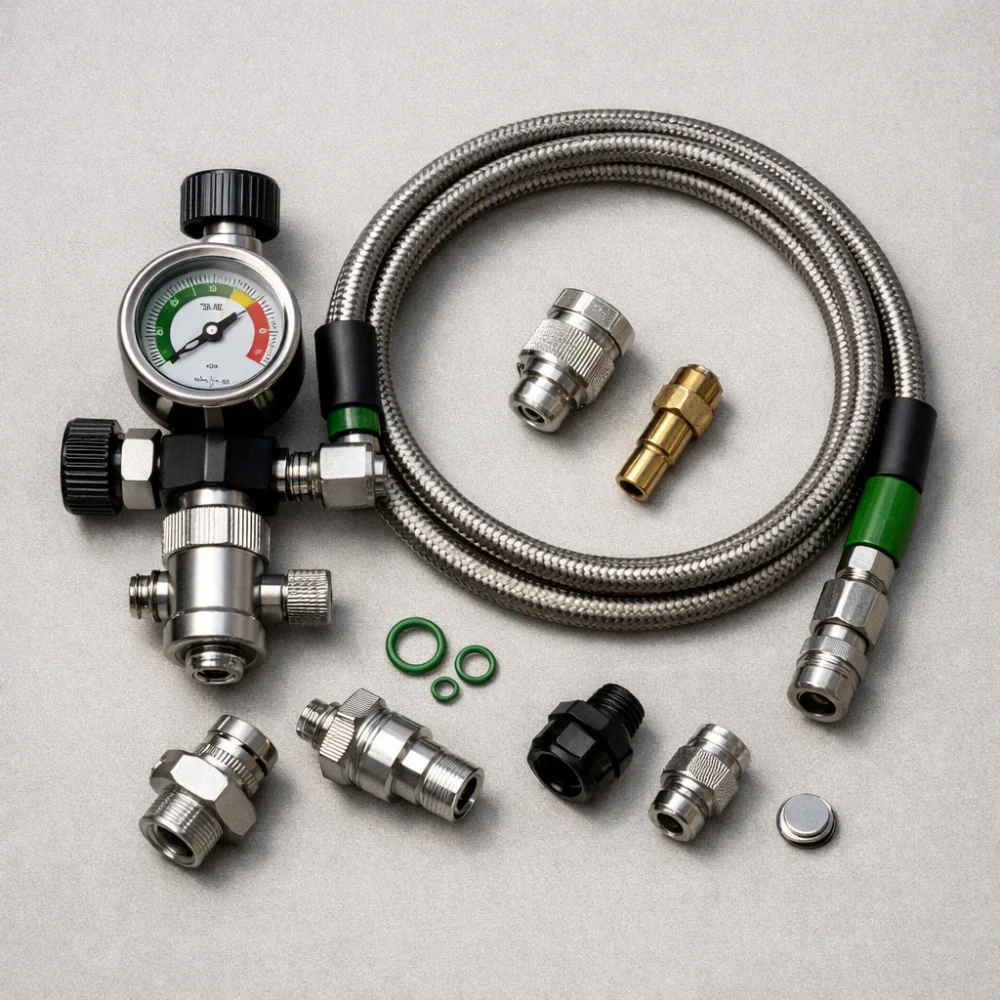
Airsoft air and CO2 fill stations are the parts of a setup that let you transfer gas safely and conveniently from one source to another. For buyers, the main challenge is not just finding a station that looks suitable, but making sure it matches the rest of the equipment it will connect to.
This guide is for anyone setting up or replacing a filling setup for airsoft HPA or CO2 use. It focuses on the choices that affect compatibility, convenience and day-to-day handling, rather than repeating catalogue descriptions.
Because these products sit in a technical part of the setup, the key question is usually not “which one is best?” but “which one fits my bottle, hose and filling method?” That makes the details on the individual product page especially important.
What should I look for in an airsoft air or CO2 fill station?
Start with compatibility, then look at how the fill station is built and how you will actually use it. A simpler station can be easier to manage if your setup is straightforward, while a more feature-rich one may suit buyers who want clearer readings or a different connection style. The best choice is the one that fits the rest of your equipment without forcing awkward adapters.
Specifications vary by model, so always check the individual product page before buying.
| Feature | What It Means | Why It Matters | What To Check |
|---|---|---|---|
| Connection type | The way the fill station attaches to your bottle, tank or hose | Compatibility depends on matching the right connection standard | Look for the exact connector style and any stated threading or fitting details |
| Pressure reading | Whether the station includes a gauge and how easy it is to read | Useful for monitoring fill progress and avoiding guesswork | Check whether a gauge is included and where it is positioned |
| Hose or whip style | The length and flexibility of the connecting line, if supplied | Can affect reach, comfort and how easy the setup is to handle | Confirm whether a hose is included and whether the length suits your layout |
| Valve control | How the fill flow is started and stopped | A smoother control setup can make filling feel more manageable | Look for the type of valve or control method described on the product page |
| Build and materials | The materials used for the body, fittings and exposed parts | Influences durability and how robust the station feels in regular use | Check the listed materials and whether any parts are described as reinforced or heavy-duty |
| Intended gas type | Whether the product is meant for air, CO2 or a specific filling use | Using the wrong type of station can create compatibility problems | Read the category description and the individual product details carefully |
Key decision criteria explained
Compatibility first
Compatibility is the most important factor because a fill station only helps if it connects properly to the rest of your kit. Check the connector style, any thread details and whether the product is intended for the type of bottle or tank you already use. If you are unsure, compare the product page against your existing equipment before buying.
Gauge and control
Some buyers prefer a station with a gauge because it makes the filling process easier to follow. Others may be happy with a simpler setup if they already have another way to monitor pressure. A gauge is helpful, but it is not a substitute for checking that the whole setup is suitable for the intended use.
Hose length and flexibility
If the fill station includes a hose or whip, think about where the bottle sits during filling and how much reach you need. A longer line can make placement easier, while a shorter one may feel tidier for compact setups. The trade-off is usually convenience versus simplicity, so check the description rather than assuming a standard layout.
Material and overall build
Fill stations are handled repeatedly, so the quality of the fittings and body matters. A solid build can be reassuring if you expect regular use, but it is still worth comparing the actual listed parts instead of relying on appearance alone. Materials, included accessories and the finish of the fittings are all worth checking on the product page.
Types and variants you may see
In this category, the main differences are usually about how the fill station is set up rather than a completely different product role.
- Basic fill stations: A straightforward option for buyers who want the essential connection and little else. These can suit simple setups, but they may offer fewer convenience features.
- Gauge-equipped fill stations: Useful when you want an easier visual reference during filling. The limitation is that the presence of a gauge does not tell you everything about compatibility.
- Hose-based fill stations: Handy when you need more reach or a more flexible arrangement. They can be easier to position, though they add another part to manage.
- CO2-focused options: Suited to buyers who are setting up for CO2 use rather than generic air filling. The main consideration is making sure the product is intended for your gas type and setup.
Which fill station suits which kind of buyer?
| Buyer need | What to prioritise | Why it helps |
|---|---|---|
| Simple replacement | Direct compatibility and a familiar connection style | Makes it easier to swap parts without changing the rest of the setup |
| First-time setup | Clear product information and an easy-to-understand gauge or hose layout | Reduces uncertainty when building a new filling arrangement |
| More regular use | Robust fittings, sensible hose length and a clear control method | Helps the station feel easier to handle over time |
| Compact storage | Simpler construction and fewer extra parts | Can make storage and packing away less awkward |
| Compatibility-conscious buyer | Exact connector and thread details | Reduces the chance of ordering a part that does not match the rest of the kit |
Common mistakes and misunderstandings
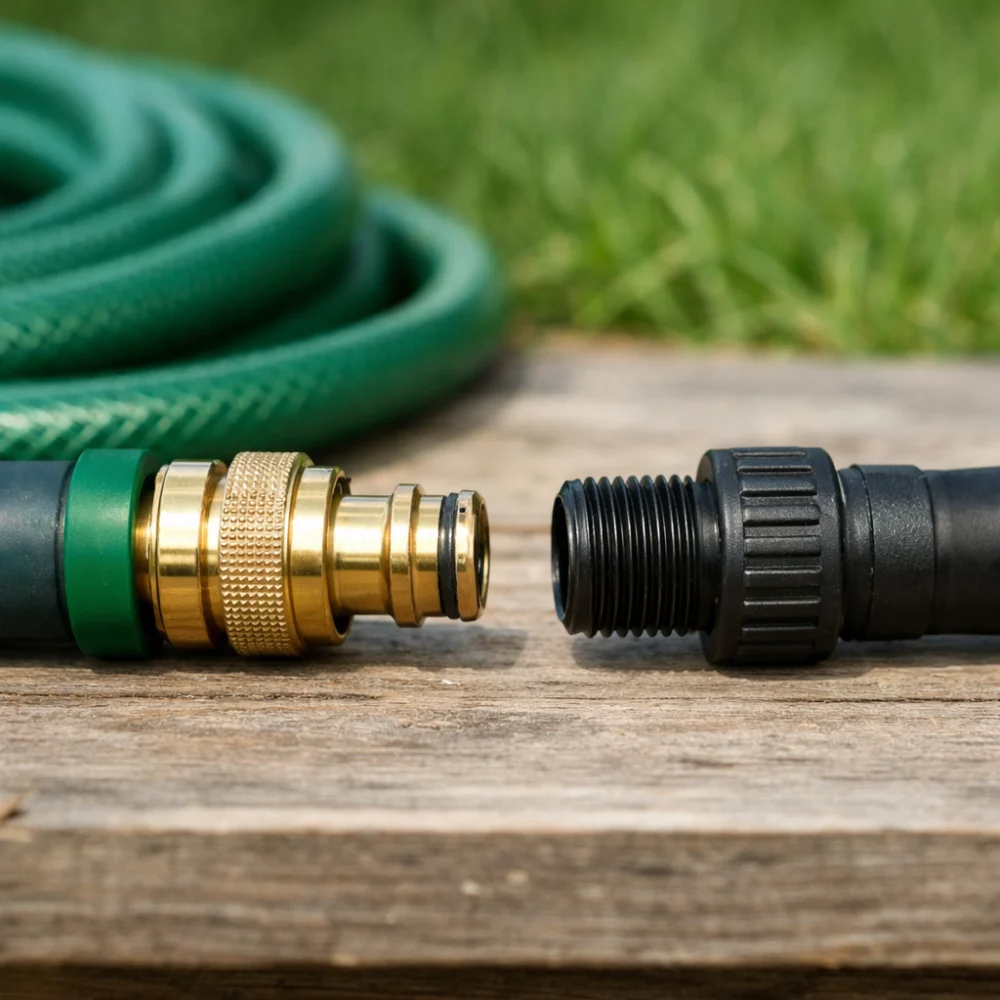
- Assuming all fill stations fit the same way. They do not. Matching the connection details is more important than choosing by appearance.
- Focusing only on the gauge. A gauge can be useful, but the wrong fittings still make the product unsuitable.
- Overlooking hose length. A hose that is too short or unnecessarily long can make the setup less convenient than expected.
- Not checking what is included. Some products are more complete kits, while others are more basic. Read the listing carefully so you know whether you need extra parts.
Safety and suitability caveats
These products are technical accessories, so suitability matters as much as appearance. Check the intended gas type, the connection format and the individual product details before buying. Do not assume a fill station will work with a nearby item just because it looks similar.
For airsoft use, it is sensible to match the fill station to the rest of your setup rather than mixing parts based on guesswork. If a product page is light on detail, treat that as a reason to be cautious rather than to fill in the gaps yourself.
Maintenance, storage and lifespan considerations
Fill stations usually do not need complex upkeep, but they do benefit from sensible storage and periodic visual checks. Keep fittings clean, avoid unnecessary strain on hoses or connectors and store the unit so it is not knocked about with other kit.
If a model uses seals, gauges or flexible lines, those are the parts most likely to deserve attention over time. Buying a station with clear product information can make future replacement or matching parts easier.
How to compare options efficiently
- Identify the gas type and setup you are actually using.
- Check the exact connection and fitting details first.
- Decide whether you want a gauge, hose or simpler layout.
- Compare the build and the included parts against your practical needs.
- Read the individual product page closely before ordering.
Buyer checklist
- Does the fill station match your bottle, tank or hose connection?
- Is it intended for the gas type you need?
- Do you want a gauge, or is a simpler setup enough?
- Is the hose length or layout suitable for where you will use it?
- Are the included parts clearly listed?
- Have you checked the product page for the exact details that matter?
Frequently asked questions
What is the main job of a fill station?
Its role is to help connect one part of your setup to another for filling. The exact use depends on whether the product is intended for air or CO2 and how your own equipment is configured. Because of that, compatibility matters more than a general description.
Do I need a gauge on the fill station?
Not always, but many buyers find a gauge useful because it makes the process easier to follow. If you already have another reliable way to monitor pressure, a simpler station may be enough. The key is to choose the layout that suits your routine.
Can I use any fill station with any tank or bottle?
No, not safely or reliably. Connection type, thread details and intended gas use all need to line up. Always compare the product page with the equipment you already own.
Is a longer hose better?
Not automatically. A longer hose can make positioning easier, but it can also add bulk or feel less tidy. Choose the length that fits your storage space and filling arrangement.
Are CO2 fill stations the same as air fill stations?
They are not always interchangeable. The intended gas type and the product’s design matter, so read the listing carefully. If a page is not clear, treat that as a sign to double-check before buying.
What should I compare if two products look similar?
Start with the fittings, then compare the gauge, hose layout, included parts and listed materials. Small differences can matter more than visual similarity. Specifications vary by model, so always check the individual product page before buying.

