
Airsoft HPA Tanks
Airsoft HPA tanks are compressed air bottles used to power compatible HPA airsoft replicas, HPA engines, adapters and regulated air systems. They store high pressure air which is then controlled through a suitable regulator, line and fitting setup before reaching the replica.
Our Airsoft HPA Tanks range is designed for players who need practical air bottles for compatible HPA airsoft systems. At YPC, we run real airsoft skirmish days at Yorkshire Outdoor Activity Park, so we understand how important safe pressure equipment, reliable air supply, honest chrono checks and site compliant HPA setup are during proper airsoft play.
- Airsoft HPA Tanks
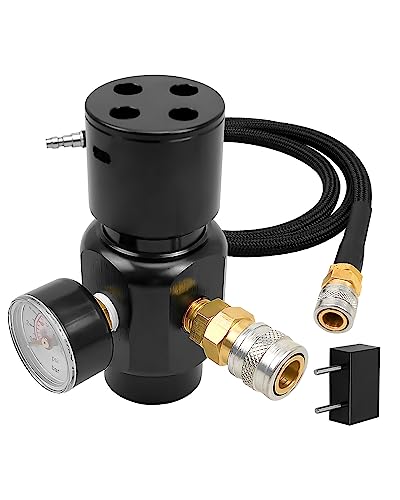
HavenlyCove Air Tank Regulator Rupture Disc Burst Valve 6000psi
£4.13 *View On Amazon* - Airsoft HPA Tanks
GANCEI Adjustable HPA Tank Regulator with Needle Valve, Stainless Steel
£30.86 *View On Amazon* - Airsoft HPA Tanks
Hoppipola Stainless Steel 8mm Male Quick Fill Nipple, 1/8 BSPP
£4.49 *View On Amazon* - Airsoft HPA Tanks
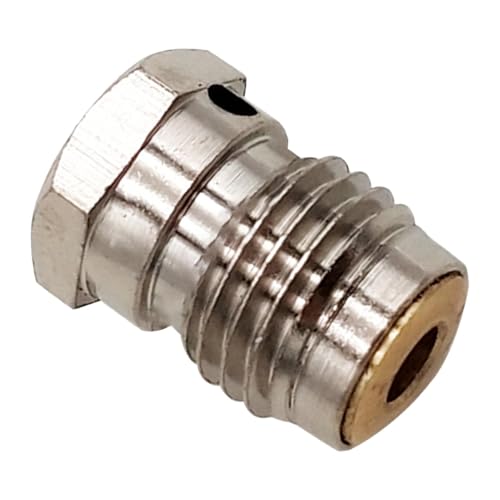
ReachMall HPA System Burst Disk for Tank Regulators, Brass Housing
£7.63 *View On Amazon* - Airsoft HPA Tanks
HPA Tank Regulator Valve Head Seal Polyurethane Washer G1/2-14, 50 Pack
£59.52 *View On Amazon* - Airsoft HPA Tanks
5000psi HPA Tank Regulator Brass Pressure Reducing Valve with Burst Disk
£4.04 *View On Amazon* - Airsoft HPA Tanks
HanOaki Brass Burst Disc Replacement Pack for HPA Tank Regulator Valve
£6.11 *View On Amazon* - Airsoft HPA Tanks
ACEXIER C5 Tactical Headset Helmet Communication Equipment, Khaki
£53.99 *View On Amazon* - Airsoft HPA Tanks
HK Army Alpha Air Carbon Fibre HPA Tank 68ci/4500psi Blizzard
£201.00 *View On Amazon* - Airsoft HPA Tanks
8mm Fill Nipple Male Quick Disconnect Valve, 1/8 NPT Thread
£15.66 *View On Amazon* - Airsoft HPA Tanks
Clover Airsoft Amped Airsoft HPA Line Heavy Weave Jungle Heavy
£41.93 *View On Amazon* - Airsoft HPA Tanks
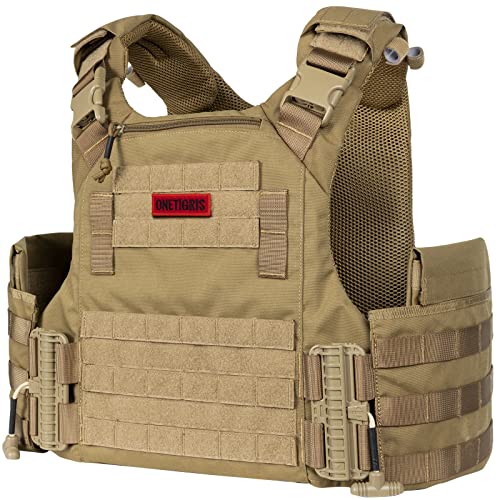
OneTigris FYR Tactical Vest Molle Quick-Release Plate Carrier, Coyote Brown
£99.98 *View On Amazon* - Airsoft HPA Tanks
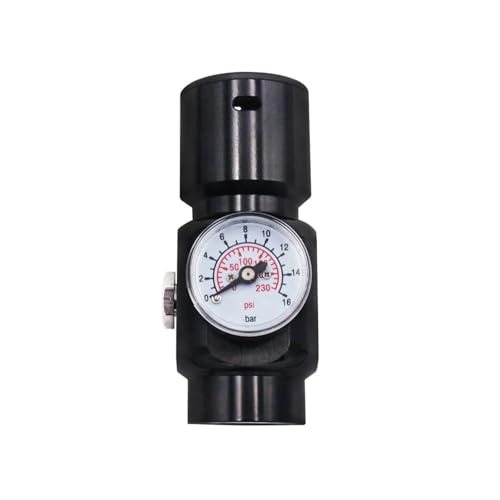
TIKSCIENCE CO2 Pressure Regulator for Paintball with Gauge Adapter
£53.82 *View On Amazon* - Airsoft HPA Tanks
TUXING 6.8 L Carbon Fibre HPA Tank 4500 psi Composite Gas Cylinder
£189.04 *View On Amazon* - Airsoft HPA Tanks
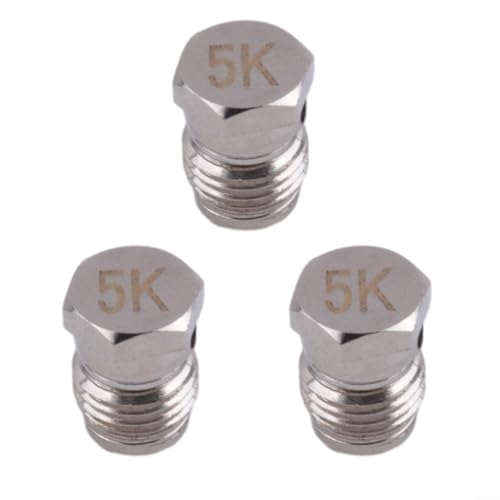
Manloney LLC 5K Burst Disk for Paintball HPA Tank Regulator
£20.75 *View On Amazon* - Airsoft HPA Tanks
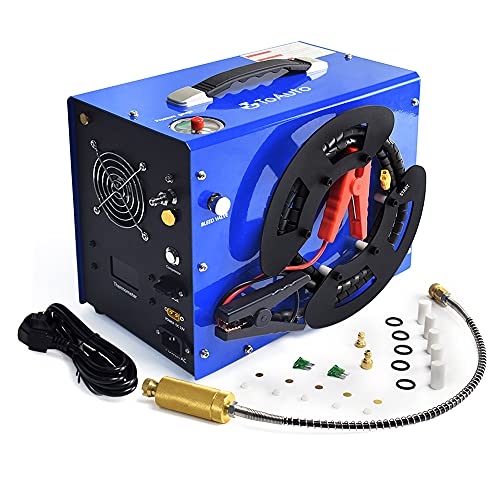
TOAUTO A3 PCP Air Compressor with Auto-Stop and 8 mm Quick Connector
£316.13 *View On Amazon*








Compressed Air Storage for HPA Airsoft
An HPA tank is the air source for an airsoft HPA setup. It stores compressed air and supplies that air to the regulator, which then reduces and controls the pressure used by the replica.
A suitable tank can make an HPA setup more consistent and practical for a full skirmish day. The wrong tank, damaged tank or out of test tank can create serious safety and reliability problems.
HPA tanks should always be treated as pressure equipment. They are not ordinary accessories and should never be filled, transported or used carelessly.
How to Choose an Airsoft HPA Tank
Start by checking your airsoft setup, regulator, tank carrier and site fill options. The tank needs to match the system you use and the way you carry your kit during games.
Key decision factors include tank size, pressure rating, material, weight, capacity, regulator compatibility, fill nipple type, gauge position, test date, condition, site fill availability, tank pouch fit, line routing, transport safety and whether the tank is suitable for your airsoft HPA system.
Do not choose an HPA tank only because it holds more air. A larger tank may last longer, but it may also be heavier, bulkier and harder to carry comfortably.
Airsoft HPA Tanks Explained
HPA stands for High Pressure Air. In airsoft, an HPA tank stores compressed air which is used to power a compatible replica through a regulated system.
The tank itself does not decide the final output of the replica. The regulator, pressure setting, engine, barrel, BB weight and setup all affect performance and chrono readings.
A good HPA tank should be safe, in good condition, suitable for the system and practical to carry through a full game day.
HPA Tanks vs CO2 Cartridges
HPA tanks and CO2 cartridges are not the same thing. HPA tanks use compressed air, while CO2 cartridges contain carbon dioxide.
HPA tanks are usually refillable and used with regulators, air lines and compatible airsoft HPA systems. Disposable CO2 powerlets are usually single use and are used only in compatible CO2 replicas or magazines.
Do not mix HPA and CO2 systems by guesswork. Use only the gas type and equipment specified for your airsoft setup.
HPA Tanks vs Green Gas
Green gas is commonly used in compatible gas pistols and gas magazines. HPA tanks are used with regulated air systems and normally connect through a line, adapter or HPA engine.
Green gas is self-contained in the magazine or reservoir, while HPA usually uses an external tank and regulator.
HPA can offer strong consistency when set up correctly, but it also means carrying a tank, line and regulator. The right choice depends on your replica, site rules and how you prefer to play.
Tank Size and Capacity
Tank size affects how much air you can carry and how long you can play between fills. A larger tank may provide more shots, while a smaller tank may be lighter and easier to carry.
The best size depends on your replica efficiency, firing style, game length and whether air fills are available at the site.
Do not assume the biggest tank is the best choice. A tank that is uncomfortable to carry may make the whole loadout less practical.
Small HPA Tanks
Small HPA tanks can be useful for compact loadouts, pistol HPA setups, CQB style play where permitted and players who want to keep their kit light.
They are easier to carry but may need refilling sooner, especially if used with higher volume replicas or frequent shooting.
Small tanks can be a good choice if your site has easy air fill access or if you prefer a lightweight setup.
Larger HPA Tanks
Larger HPA tanks are useful for players who need more air capacity for full skirmish days, longer events or higher air use setups.
They can reduce the need for frequent refills, but they add weight and bulk. This matters when the tank is carried in a backpack, bottle pouch or hydration style carrier.
A larger tank should be chosen only if it fits your carrier, suits your movement and remains comfortable across the full day.
Aluminium HPA Tanks
Aluminium HPA tanks are commonly used in airsoft because they are usually robust, practical and often more affordable than lighter composite options.
They can be a sensible choice for beginners moving into HPA, regular skirmish players and setups where weight is less of a concern.
The trade off is weight. Aluminium tanks can be heavier than carbon fibre style tanks of similar capacity, which may matter during long games.
Carbon Fibre HPA Tanks
Carbon fibre style HPA tanks are often chosen by players who want lower weight or higher capacity options, depending on the model.
They can be more comfortable to carry during longer games because they may reduce the load in a backpack or tank pouch.
However, they usually cost more and still require careful inspection, correct filling and proper test compliance. Lighter does not mean less responsibility.
3000 PSI and 4500 PSI HPA Tanks
Many airsoft HPA tanks are described by their pressure rating, with 3000 PSI and 4500 PSI being common examples in the wider HPA market.
The pressure rating must match the tank, regulator, fill source and safe use guidance. Do not fill a tank above its marked rating.
Always follow the tank markings, site fill rules and product guidance. If a tank is rated for a lower pressure, it must not be filled to a higher pressure.
Tank Pressure Ratings
The tank pressure rating is one of the most important safety details. It tells you the maximum pressure the tank is designed to hold.
This rating should be clearly marked on the tank. If markings are missing, unclear or damaged, the tank should not be filled until its suitability has been confirmed.
Do not rely on appearance or guesswork. Pressure equipment must be identified and used correctly.
Tank Test Dates and Inspection
HPA tanks may have test dates, inspection markings or service requirements depending on the type of tank and applicable rules.
Before using or filling a tank, check that it is in date where required and that markings are readable. Fill operators or sites may refuse to fill tanks that are out of test, damaged or unclear.
A tank cover should be removed if it hides markings or damage. Inspection comes before appearance.
Tank Condition and Safety Checks
Before each game day, check the tank for visible damage, dents, cracks, deep scratches, corrosion, damaged threads, loose valves, damaged gauges or signs of leaking.
Do not use or fill a tank if its condition is uncertain. A damaged HPA tank should be treated seriously.
A safe HPA setup starts with a safe tank. No regulator or accessory can make a damaged pressure bottle safe.
Regulator Compatibility
An HPA tank normally needs a suitable regulator to reduce the stored air pressure to a usable output pressure for the airsoft system.
The regulator must fit the tank correctly and must be suitable for the setup. Thread compatibility, output range, pressure rating and site lock requirements all matter.
Do not force regulators or fittings onto a tank. If the threads do not fit smoothly, stop and check compatibility.
Tank Regulators
Some tanks are supplied with a tank regulator, while others may need a compatible regulator setup depending on the system.
The regulator is a critical part of the HPA setup because it controls the pressure leaving the tank. A damaged, leaking or unsuitable regulator should not be used.
If you are unsure about regulator fitting, output pressure or compatibility, ask an experienced airsoft technician or competent supplier before use.
Output Pressure and Airsoft Replicas
The tank stores air at high pressure, but the replica should only receive pressure controlled by the regulator and suitable air system components.
Do not connect a tank directly to an airsoft replica unless the system is specifically designed and regulated for that use.
Pressure control is essential for safety, reliability and site compliance.
Fill Nipples and Fill Valves
The fill nipple or fill valve is used to connect the tank to a suitable air fill source.
This area should be kept clean and protected from dirt, mud and damage. A dust cover can help protect the fill point when the tank is not being filled.
Do not fill a tank if the fill nipple is damaged, loose, contaminated or leaking.
Pressure Gauges
A pressure gauge helps show how much air is in the tank or how the system is behaving, depending on the setup.
The gauge should be readable, secure and undamaged. A cracked, loose or unreliable gauge should be checked before use.
Do not ignore strange pressure readings. If the gauge behaves unusually, stop and inspect the system safely.
Tank Threads and Fittings
Tank threads and fittings must remain clean, undamaged and compatible with the regulator or fill equipment.
Cross threading, dirt, damaged seals or forced fittings can create leaks and unsafe connections.
If something does not fit easily and correctly, do not tighten it harder. Check the part and confirm compatibility.
Tank Pouches and Carriers
HPA tanks are often carried in backpacks, bottle pouches, hydration style packs, belt carriers or dedicated tank holders.
A good carrier should hold the tank securely without bouncing, twisting or pulling on the air line. It should also allow safe routing of the line to the replica.
The tank carrier should fit the tank size properly. A loose tank can move around, while a carrier that is too tight can make access difficult.
Tank Covers and Protection
Tank covers help protect the outside of the HPA tank from scratches, scuffs and light knocks. They can also improve grip and help the tank sit more securely in a pouch.
A cover does not make a damaged tank safe. It should be removed when needed to inspect the tank condition, markings and test information.
Do not use a cover to hide damage, corrosion or unclear markings.
Air Line Routing from the Tank
The air line should leave the tank and regulator cleanly without being pinched, twisted or pulled.
Poor line routing can cause snagging, leaks, discomfort or strain on fittings. This is especially important in woodland games where branches, slings and pouches can catch loose lines.
Test your full setup before play. Shoulder the replica, switch sides, kneel, crouch and move around to check that the line works properly.
HPA Tanks for AEG Conversions
Many HPA setups are built from AEG platforms converted with HPA engines. These replicas often use external tanks, regulators and lines.
The tank must provide enough air for the setup while remaining comfortable to carry. Tank size, regulator type, line length and pouch placement all affect the final loadout.
A converted replica still needs to pass site chrono checks and follow power, firing mode and engagement rules.
HPA Tanks for HPA Pistols
HPA pistol setups may use a tank and line connected to a compatible adapter or magazine system.
Because pistols are normally compact, the tank and line can change the way the setup feels. A smaller tank or compact carry method may be more practical.
Always check site rules on HPA pistol adapters, magazine capacity, pressure limits and CQB style play where permitted.
HPA Tanks for DMR Style Builds
DMR style HPA builds often need controlled, consistent output and honest chrono testing. The tank should support reliable air supply without making the loadout too heavy.
Players using DMR style setups may carry fewer magazines but may need a stable tank and regulator setup that remains consistent through the day.
A replica is not a DMR just because it uses HPA. Site rules, power limits, firing mode and engagement distances decide that.
HPA Tanks for Sniper Style Setups
Some sniper style airsoft setups use HPA for consistency and control. These systems may use heavier BBs and more deliberate shooting styles.
The tank should provide enough air for the day while remaining comfortable for slow movement, kneeling or concealed play.
Heavy BB use, pressure settings and joule output must be checked honestly according to site rules.
HPA Tanks for Speedsoft Style Setups
Speedsoft style airsoft, where permitted, often uses compact HPA systems and lightweight carry setups.
A smaller or lighter tank may suit fast movement better than a large heavy bottle. Line routing and tank stability become especially important.
Power limits, rate of fire rules and site conduct still come first. A fast setup must still be safe and controlled.
HPA Tanks for Woodland Airsoft
Woodland airsoft can be tough on HPA equipment. Mud, rain, branches, long grass, uneven ground and full-day movement all test the tank, line, pouch and fittings.
For woodland play, the tank should be securely carried and protected from knocks. The line should not catch on branches or tactical kit.
At YPC skirmish days, HPA setups need to work in real outdoor terrain, not just in a clean safe zone.
HPA Tanks for CQB Style Airsoft
CQB style airsoft, where permitted, often involves tight spaces, fast movement and closer engagement distances.
A compact tank setup can be useful, but it must remain secure and site compliant. Regulators may need to be locked and chrono checks may be stricter due to closer play.
A tank that bounces, shifts or catches on barriers will quickly become frustrating in close spaces.
Tank Weight and Loadout Balance
Tank weight affects comfort more than many new HPA players expect. Even a modest tank can feel heavy after several hours if carried badly.
Balance the tank with the rest of your kit. A backpack carrier, bottle pouch or belt setup should keep the tank stable and reduce bouncing.
If the tank makes your loadout uncomfortable, consider a different size, carrier or line routing setup.
Air Efficiency and Tank Choice
Some HPA systems use air more efficiently than others. Air use can depend on the engine, pressure, dwell settings, barrel setup, BB weight and how much you shoot.
A highly efficient setup may work well with a smaller tank. A less efficient or high-volume setup may need more capacity.
If you are running out of air quickly, the solution may be tuning or setup checks rather than simply buying a bigger tank.
Filling HPA Tanks
HPA tanks should only be filled using suitable high pressure air equipment and within the tank’s marked pressure rating.
Follow site rules, fill station guidance and tank instructions. Do not use unsuitable compressors, unknown fill sources or improvised equipment.
If you are not confident filling a tank safely, ask site staff or someone competent before attempting it.
Site Air Fill Availability
Before choosing a tank size, check whether your usual airsoft site offers HPA fills and what pressure is available.
If fills are available, a smaller tank may be more practical. If fills are limited, a larger capacity tank may be useful.
Site fill arrangements vary, so do not assume every venue can fill every tank or pressure rating.
Transporting HPA Tanks
HPA tanks should be transported carefully. Protect the valve, regulator, fill nipple and gauge from impact.
Do not throw tanks loose into a kit bag with tools, BB bottles, batteries or heavy equipment. Do not leave tanks in hot vehicles or direct sunlight.
Keep pressure equipment secure and organised when travelling to and from games.
Storing HPA Tanks
Store HPA tanks in a clean, dry place away from heat, moisture, sharp objects and heavy kit that could damage valves or fittings.
Do not store a tank where it can fall, be knocked over or have the regulator damaged.
Follow the tank and regulator guidance for storage. If the tank will not be used for a while, inspect it before the next fill or game day.
Temperature and HPA Tanks
Temperature can affect pressure equipment and user comfort. Tanks should be kept away from excessive heat, direct sunlight and hot vehicles.
Cold weather may affect some equipment handling, seals and player comfort, even if HPA is generally less temperature sensitive than green gas performance.
Store and transport tanks sensibly in all seasons.
Leaks and Warning Signs
Leaks, hissing, sudden pressure drops, damaged gauges, loose fittings or unusual regulator behaviour are warning signs.
If a tank or regulator leaks, stop using it and inspect the setup safely. Do not continue playing with a leaking pressure system.
If you cannot identify the cause, ask a competent technician or supplier for help.
Tank Maintenance
HPA tanks need regular visual checks and sensible care. Keep threads, fill nipples, gauges and regulator areas clean and protected.
Do not oil or lubricate pressure fittings unless the product guidance specifically says it is safe. Unsuitable products can damage seals or create hazards.
Replace damaged parts only with compatible components and get expert help where needed.
Tank Testing and Replacing
Some HPA tanks require periodic testing or inspection depending on their type and markings.
If a tank is out of test, damaged, unclear, heavily worn or no longer trusted, it should not be filled or used.
Replacing a questionable tank is far better than risking unsafe pressure equipment.
Chrono Checks with HPA Tanks
The tank supplies the air, but chrono compliance depends on the full setup. Regulator output, engine settings, BB weight and replica configuration all matter.
Always chrono honestly with the BB weight and pressure setup you intend to use. If regulator settings change, follow the site’s recheck process.
HPA players should expect clear site checks and should make compliance easy for marshals.
Tournament Locks and Site Rules
Some sites require HPA regulators to be locked after chrono so pressure cannot be changed during play.
Your tank and regulator setup should allow site rules to be followed properly. Do not hide adjustments or alter pressure after chrono unless the site allows and rechecks the replica.
Responsible HPA use depends on trust and clear compliance.
HPA Tanks for Beginners
HPA tanks are not usually the first purchase for a new airsoft player. Beginners often start with an AEG before moving into HPA systems.
If a beginner chooses HPA, they need to understand tank ratings, regulators, lines, chrono rules, filling procedures and safe transport before use.
A tank is pressure equipment, so advice from an experienced airsoft player, site staff or technician is worthwhile.
HPA Tanks for Regular Players
Regular HPA players often choose tanks based on their role, site, air efficiency and preferred carry method.
They may keep more than one tank size for different setups or carry a spare if site fill access is limited.
At YPC airsoft events, prepared HPA players usually check their tank, regulator, line and chrono setup before the first game rather than fixing problems halfway through the day.
Common HPA Tank Mistakes
Common mistakes include using out of test tanks, ignoring leaks, choosing a tank that is too large to carry comfortably, hiding markings under covers, using poor tank pouches or failing to check site fill availability.
Another common mistake is focusing only on tank pressure or capacity while ignoring regulator compatibility and site rules.
A good tank choice is safe, compatible, comfortable and practical for the way you actually play.
Responsible Use Away from Site
HPA tanks and airsoft replicas should be transported and stored responsibly. A complete HPA setup can look realistic or alarming outside an airsoft environment.
Transport replicas safely, legally and discreetly in suitable bags or cases. Keep HPA tanks protected, secure and out of public view where appropriate.
Use HPA equipment only in suitable airsoft environments, safe zones or private preparation areas.
When Not to Use an HPA Tank
Do not use or fill an HPA tank if it is damaged, leaking, out of test, heavily dented, corroded, missing markings, fitted with damaged valves or uncertain in any way.
Do not exceed the marked pressure rating. Do not modify the tank, valve, threads or regulator.
If the tank cannot be confirmed safe and compatible, do not use it.
Shop Airsoft HPA Tanks Online
Browse our Airsoft HPA Tanks range to find practical compressed air bottles for compatible HPA airsoft systems. Compare tank size, pressure rating, material, weight, capacity, regulator compatibility, fill nipple access, gauge position, tank carrier fit and site fill suitability to choose the right HPA tank for your airsoft setup.
Airsoft HPA Tanks FAQs
What is an airsoft HPA tank used for?
An airsoft HPA tank stores compressed air for compatible HPA replicas, engines, adapters and regulated air systems.
What does HPA mean in airsoft?
HPA means High Pressure Air. In airsoft, it usually refers to replicas powered by regulated compressed air from a tank.
Are HPA tanks the same as CO2 cartridges?
No. HPA tanks use compressed air, while CO2 cartridges contain carbon dioxide. They are different systems and should not be mixed.
Can any airsoft gun use an HPA tank?
No. The replica must be compatible with an HPA engine, adapter or air system designed for that platform.
What size HPA tank should I choose?
Choose based on air capacity, weight, carry comfort, site fill availability and how much air your setup uses during games.
Are bigger HPA tanks better?
Not always. Bigger tanks may hold more air, but they can be heavier and bulkier. Comfort and carry method matter.
Are aluminium HPA tanks good for airsoft?
Yes, aluminium tanks can be practical and affordable for airsoft, but they may be heavier than some carbon fibre options.
Are carbon fibre HPA tanks good for airsoft?
Yes, carbon fibre style tanks can be lighter and more comfortable to carry, but they usually cost more and still need proper inspection and safe handling.
What does PSI mean on an HPA tank?
PSI refers to pressure. The tank’s PSI rating tells you the pressure it is designed to hold. Never fill above the marked rating.
Can I fill an HPA tank with a normal compressor?
No. Standard household or workshop compressors are usually not suitable for filling HPA tanks. Use proper high pressure air fill equipment.
Do HPA tanks need testing?
Some tanks require periodic testing or inspection depending on type and markings. Check the tank guidance and never use out of test tanks where testing is required.
Can I use a damaged HPA tank?
No. Do not use or fill damaged, leaking, dented, corroded, out of test or uncertain tanks.
Can a tank cover make a damaged tank safe?
No. A cover only helps protect the outside from light wear. It does not make a damaged or unsafe tank usable.
Do HPA tanks affect chrono readings?
The tank supplies air, but chrono output depends on the regulator, replica setup, BB weight and pressure settings. Always chrono honestly according to site rules.
How should I transport an HPA tank?
Transport it carefully, protected from impact, heat and damage. Keep valves, gauges and regulators secure and do not leave tanks in hot vehicles.
Why buy Airsoft HPA Tanks from YPC?
YPC runs real airsoft skirmish days at Yorkshire Outdoor Activity Park, so we understand how important safe pressure equipment, reliable air supply, honest chrono checks and practical HPA loadout setup are during proper airsoft play.
 Getting ready for Summer? View our Home and Garden Products

Heading outdoors this winter? Take a look at our Outdoor Clothing.