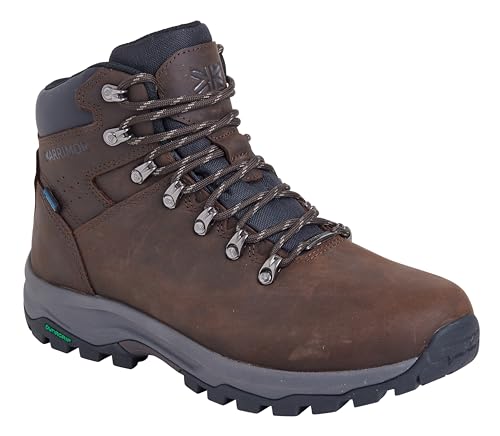
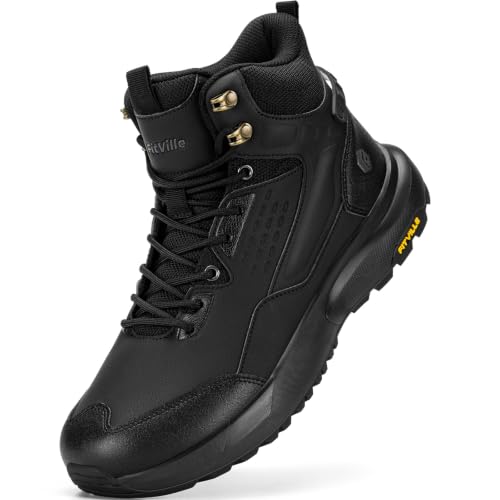
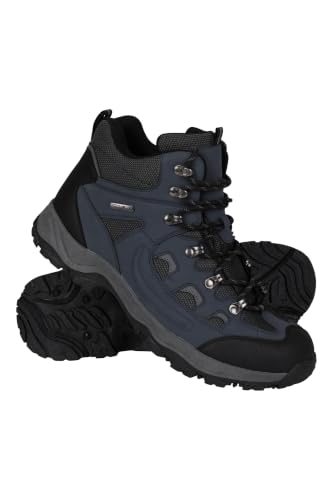
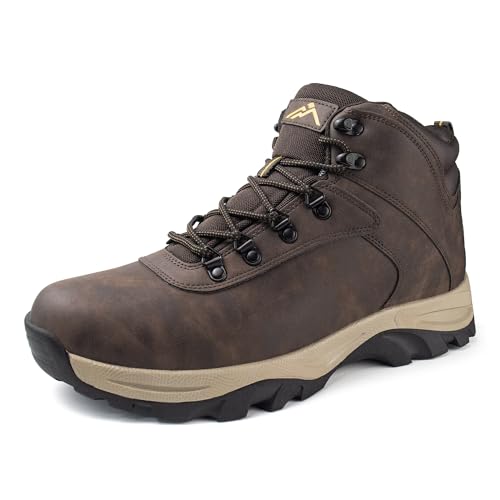
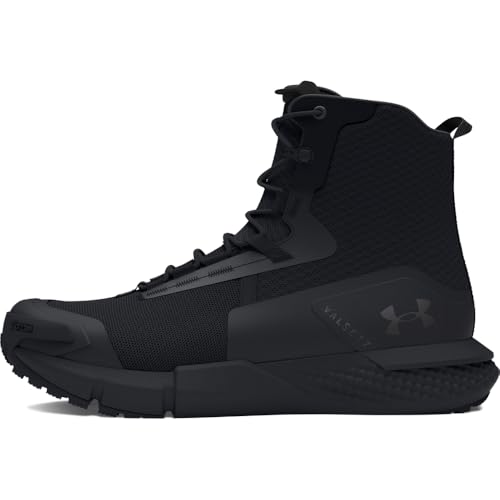
Men’s Hiking Boots are designed to support your feet and ankles during walking, hiking, camping trips, hill routes and longer days outdoors. Whether you are tackling countryside paths, woodland tracks, muddy trails, campsite walks or more demanding terrain, the right hiking boots can make every step feel more secure and comfortable.
This category includes men’s hiking boots for different activities, seasons, foot shapes and outdoor conditions. Depending on the product, you may find waterproof hiking boots, leather walking boots, lightweight hiking boots, insulated boots, mid cut boots, high cut boots and trail focused footwear where listed.
£145.00Original price was: £145.00.£106.77Current price is: £106.77.*View On Amazon*
What Are Men’s Hiking Boots?
Men’s hiking boots are outdoor boots made for walking on uneven ground, mixed terrain and longer routes. They usually provide more structure than casual trainers and may include features such as grippy soles, ankle support, cushioning, protective toe areas, waterproof membranes or durable uppers where listed.
The main purpose is to help your feet stay supported, protected and comfortable while walking outdoors. The right boot should match the terrain, weather and distance you expect to cover.
What Men’s Hiking Boots Are Used For
Men’s hiking boots can be used for hiking, walking, camping, trekking, countryside routes, woodland paths, dog walks, outdoor work, travel and general active use in rougher conditions.
For short walks, a lighter boot may be enough. For longer hikes, steeper routes or wet ground, support, grip and weather protection become more important. For camping trips, a comfortable pair of boots can make walking around fields, trails and campsites much easier.
They are especially useful when ordinary trainers do not provide enough grip, support or protection for the conditions.
How To Choose The Right Men’s Hiking Boots
Start with the terrain. Smooth paths and light trails may suit lightweight hiking boots, while rocky, muddy or uneven routes may need more support, grip and protection where listed.
Next, think about the weather. If you often walk in rain, mud or wet grass, waterproof or water resistant features may be important where listed. If you walk in warmer weather, breathability and lower weight may matter more.
Finally, consider fit and comfort. Hiking boots should feel secure around the heel and midfoot, with enough room at the toes for walking downhill and wearing suitable socks. A boot that feels fine for a few minutes may feel very different after several miles.
Key Features To Compare
Grip is one of the most important features in men’s hiking boots. Sole pattern, tread depth and rubber compound can vary by product, so check the listing carefully if you need boots for mud, rock, grass or mixed terrain.
Support also matters. Some boots offer a higher ankle design, while others are lower or more flexible. More support can be useful on uneven ground, while lighter boots may feel easier for faster or gentler walks.
Water protection is worth comparing. Waterproof, water resistant and breathable features can vary between products. A waterproof boot may help in wet conditions where listed, but breathability, care and sock choice still affect comfort.
Cushioning, weight, toe protection, heel hold, lacing system and upper material can also affect how practical the boot feels in real use.
Hiking Boots Compared With Walking Shoes
Walking shoes are often lighter and more flexible than hiking boots. They can be suitable for paths, travel, summer walks or people who prefer less bulk.
Hiking boots usually provide more coverage, structure and ankle support. They may be better for muddy routes, uneven ground, colder weather or carrying a rucksack where suitable.
The trade off is weight and flexibility. Boots can feel more protective, while shoes can feel quicker and less restrictive. The right choice depends on the route, weather and personal comfort.
Hiking Boots Compared With Trail Running Shoes
Trail running shoes are designed for faster movement and lighter footwork on trails. They may offer grip and flexibility, but they usually do not provide the same ankle coverage or structure as hiking boots.
Men’s hiking boots are usually chosen for walking comfort, support and protection over longer outdoor routes. They may feel more stable when moving slowly over rough ground or carrying kit.
If you are hiking rather than running, boots may be the more practical choice, especially in wet, muddy or uneven conditions.
Beginner Regular And Experienced Hiking Guidance
Beginners should focus on comfort, fit and suitability for common walking conditions. A supportive pair of hiking boots with reliable grip and easy lacing can be a practical starting point.
Regular walkers may want to compare waterproofing, sole durability, ankle support, cushioning and weight more carefully. Boots used every week need to feel comfortable across different routes and weather.
Experienced hikers often look closely at boot stiffness, tread design, upper material, midsole support, lacing control and compatibility with gaiters or heavier socks where suitable. Small details can matter on longer or more demanding routes.
Use Cases By Activity
For countryside walking, choose boots that offer comfort, grip and enough protection for paths, fields and uneven ground.
For hill walking, support, sole grip and secure lacing become more important, especially on slopes and loose surfaces.
For camping, hiking boots can help with muddy fields, campsite tracks and day walks from base camp. Waterproof features may be useful where listed.
For dog walking, comfort and weather readiness are often key. A boot that handles wet grass, mud and repeated use can be practical.
For travel and everyday outdoor wear, lighter hiking boots may be more comfortable if you need footwear that works across walking, sightseeing and casual outdoor use.
Fit Sizing And Comfort
Men’s hiking boots should feel secure without pinching. The heel should not lift excessively, the midfoot should feel supported and the toes should have space to move naturally.
Check the size guide where listed and consider the socks you will wear. Hiking socks can change the feel of the boot, especially if they are thicker or cushioned.
When walking downhill, your toes should not press hard into the front of the boot. When walking uphill, the heel should remain controlled without rubbing.
Some hiking boots may need a short wearing in period where suitable. It is sensible to try new boots on shorter walks before using them for a long hike.
Waterproofing Breathability And Weather Suitability
Waterproof hiking boots can be useful for rain, mud, wet grass and winter walking where listed. However, waterproof does not always mean suitable for deep water, and protection can depend on boot height, construction and care.
Breathability is important for comfort. A boot that protects against wet weather but traps too much heat may feel uncomfortable during active walking or warm conditions.
For colder weather, insulated or more protective boots may be suitable where listed. For warmer weather, lighter and more breathable options may feel more comfortable.
Always match the boot to the likely conditions rather than assuming one pair will suit every season perfectly.
Compatibility With Socks Gaiters And Outdoor Kit
Hiking boots should work with suitable walking socks. Good socks can help with cushioning, moisture management and reducing rubbing, depending on the product.
Gaiters may be useful where compatible, especially in mud, wet grass or loose debris. Check boot shape and gaiter compatibility before assuming they will work together.
If you carry a rucksack, your boots may need to provide more support than they would for a short local walk. Extra weight can change how your feet and ankles feel over longer distances.
Boots should also work with waterproof trousers, walking trousers and outdoor layers so your whole setup feels comfortable.
Safety And Practical Considerations
Men’s hiking boots should support confident movement on suitable terrain, but they do not remove the need for care, route planning and sensible judgement.
Check soles, laces and uppers before each walk. Worn tread, damaged eyelets, loose stitching or poor fit can affect comfort and stability.
Choose boots that match the route. Lightweight boots may not be suitable for rough mountain terrain, while heavy boots may feel excessive for short easy paths.
In wet, icy, rocky or steep conditions, footwear is only one part of safe walking. Consider weather, visibility, route difficulty and your own experience before setting off.
Care Cleaning And Storage
Always follow the care instructions for the product. Hiking boots often need more careful maintenance than everyday footwear, especially if they use leather, waterproof membranes or treated fabrics where listed.
After muddy walks, remove loose dirt and allow boots to dry naturally where suitable. Avoid placing them too close to strong heat, as this may affect materials or adhesives.
Let boots dry fully before storage. Damp boots can develop odour and may become less pleasant to wear.
Store them in a dry place with laces loosened and insoles removed where suitable. Regular care can help keep boots comfortable and ready for the next walk.
Useful Accessories To Consider
Useful accessories for men’s hiking boots may include walking socks, gaiters, waterproof trousers, boot cleaning products, spare laces, insoles where compatible, rucksacks, walking poles and outdoor clothing.
For wet or muddy routes, gaiters and waterproof trousers may help keep lower legs more comfortable. For longer walks, good socks and spare layers can make a noticeable difference.
Choosing accessories alongside boots helps create a more complete walking setup rather than relying on footwear alone.
Why Buy From YPC?
At YPC, we understand active lifestyles and the need for practical products that work in real use. Men’s hiking boots should be chosen for fit, grip, support, weather suitability and the type of routes you actually walk.
YPC brings together a wide range of sports, outdoor and activity products so you can compare available men’s hiking boots by size, use, comfort, features and suitability. Browse the Men’s Hiking Boots category to compare the range and choose practical footwear for walking, hiking, camping and everyday outdoor routes.
FAQs
What are men’s hiking boots used for?
Men’s hiking boots are used for walking, hiking, camping, trekking, dog walks and outdoor routes where extra grip, support and protection may be useful.
Are hiking boots better than walking shoes?
Hiking boots usually offer more ankle coverage, support and protection, while walking shoes are often lighter and more flexible. The better choice depends on the terrain, weather and distance.
Should men’s hiking boots be waterproof?
Waterproof hiking boots can be useful for wet grass, mud and rainy conditions where listed. If you mainly walk in dry or warm weather, breathability and weight may be just as important.
How should men’s hiking boots fit?
They should feel secure around the heel and midfoot, with enough room at the toes. Your feet should not slide inside the boot, and your toes should not press hard at the front when walking downhill.
Do hiking boots need breaking in?
Some hiking boots may need a short wearing in period where suitable. It is sensible to wear new boots on shorter walks before using them for longer routes.
Can I wear hiking boots for everyday use?
Yes, some hiking boots can be suitable for everyday outdoor use, dog walking or travel where comfortable. Heavier boots may feel less practical for casual daily wear.
What socks should I wear with hiking boots?
Walking or hiking socks are usually the most suitable choice. They can help with cushioning, comfort and moisture management depending on the product and boot fit.
How do I care for men’s hiking boots?
Clean off dirt after use, let the boots dry naturally and follow the product care instructions. Store them dry and avoid leaving them damp or exposed to strong heat.
Heading outdoors this winter? Take a look at our Outdoor Clothing.
Manage Consent
To provide the best experiences, we use technologies like cookies to store and/or access device information. Consenting to these technologies will allow us to process data such as browsing behaviour or unique IDs on this site. Not consenting or withdrawing consent, may adversely affect certain features and functions.
Functional
Always active
The technical storage or access is strictly necessary for the legitimate purpose of enabling the use of a specific service explicitly requested by the subscriber or user, or for the sole purpose of carrying out the transmission of a communication over an electronic communications network.
Preferences
The technical storage or access is necessary for the legitimate purpose of storing preferences that are not requested by the subscriber or user.
Statistics
The technical storage or access that is used exclusively for statistical purposes.The technical storage or access that is used exclusively for anonymous statistical purposes. Without a subpoena, voluntary compliance on the part of your Internet Service Provider, or additional records from a third party, information stored or retrieved for this purpose alone cannot usually be used to identify you.
Marketing
The technical storage or access is required to create user profiles to send advertising, or to track the user on a website or across several websites for similar marketing purposes.