
Men's Snow Boots
Men’s snow boots are cold weather boots designed to help keep feet more comfortable during snow, slush, frost and wintry outdoor conditions. They are useful for winter travel, ski holidays, walking around resorts, dog walking, commuting in cold weather, outdoor work and general use when ordinary shoes are not practical.
The right pair should suit the weather, surface, fit preference and how long they will be worn. When comparing men’s snow boots, look at insulation where listed, waterproof or water resistant features where listed, sole grip, ankle coverage, lining, fastening style, weight, comfort, sizing and compatibility with winter socks or waterproof trousers.
- Men's Snow Boots
Men’s Orthopaedic Warm Snow Boots with Waterproof Slip-On Design
£2.99 *View On Amazon* - Men's Snow Boots
PiDaGlobal Men’s Winter Snow Boots, Fur Lined Mid-Calf, Blue 10
Original price was: £39.99.£35.99Current price is: £35.99. *View On Amazon* - Men's Snow Boots
Hanani Men’s Snow Boots, Fur Lined Ankle Boots with Side Zip
Original price was: £39.98.£33.98Current price is: £33.98. *View On Amazon* - Men's Snow Boots
Fadezar Barefoot Boots Waterproof Snow Walking Boots, Black-N, UK 5
£33.98 *View On Amazon* - Men's Snow Boots
Hanani Men’s Winter Snow Boots Waterproof Fur-Lined Ankle Boots UK 7 Black
Original price was: £39.99.£35.99Current price is: £35.99. *View On Amazon* - Men's Snow Boots
FitVille Men’s Extra Wide Snow Boots with Adjustable Straps
Original price was: £59.99.£50.99Current price is: £50.99. *View On Amazon* - Men's Snow Boots
FitVille Mens Extra Wide Winter Snow Boots with Fleece Lining
£16.99 *View On Amazon* - Men's Snow Boots
Moudn Men’s Fur-Lined Winter Ankle Boots with Anti-Slip Sole
£33.99 *View On Amazon* - Men's Snow Boots
riemot Men’s Snow Boots Lace-Up Brown, UK 10 / EU 44
Original price was: £49.99.£32.98Current price is: £32.98. *View On Amazon* - Men's Snow Boots
A2Z Navy Tall Wellington Rain Boots for Men with Treaded Sole
Original price was: £13.99.£11.99Current price is: £11.99. *View On Amazon* - Men's Snow Boots
ZHNSHM Men’s Winter Snow Boots, Fur Lined Slip-On Ankle Boots, Blue
£43.99 *View On Amazon* - Men's Snow Boots
NORTIV 8 Men’s Waterproof Leather Walking Boots, Black, Size 12
£45.99 *View On Amazon* - Men's Snow Boots
ANALEAF Men’s Snow Boots Fur Lined Winter Lace-Up Boots
Original price was: £48.98.£41.60Current price is: £41.60. *View On Amazon* - Men's Snow Boots
Topwolve Men’s Black Snow Boots, Waterproof Mid-Calf Winter Boots, UK 10
Original price was: £39.99.£35.99Current price is: £35.99. *View On Amazon* - Men's Snow Boots
FitVille Men’s Extra Wide Ankle Winter Snow Boots, Jet Black, Size 9
Original price was: £53.99.£47.99Current price is: £47.99. *View On Amazon*


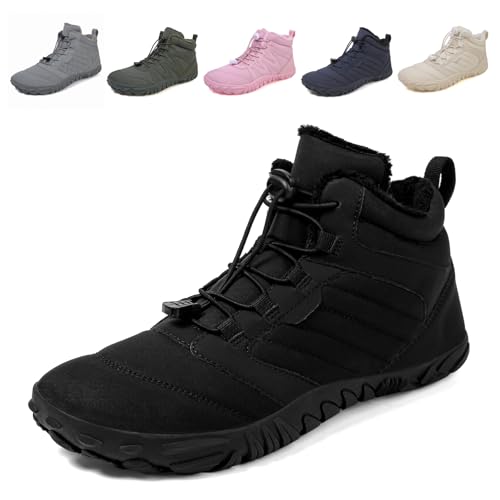


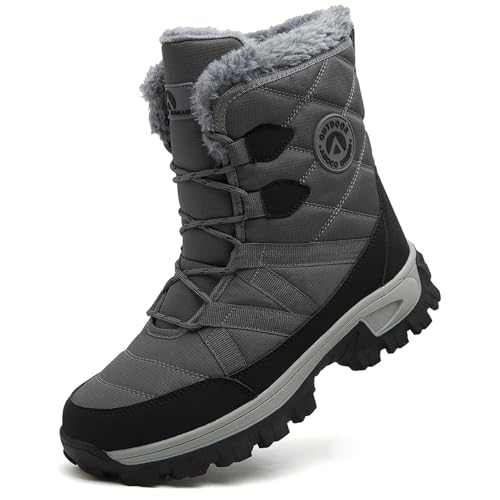


What Are Men’s Snow Boots
Men’s snow boots are winter footwear designed for colder, wetter and more slippery conditions than standard casual shoes. They usually provide more coverage and protection than everyday trainers, with features aimed at warmth, comfort and outdoor practicality.
Depending on the product, snow boots may include insulated linings, water resistant uppers, waterproof membranes, deeper tread soles, padded collars, lace fastenings, pull on designs or adjustable closures where listed. Features vary widely, so each product should be checked carefully before buying.
Snow boots are not all designed for the same level of winter use. Some are suitable for casual snow days and resort wear, while others may be better suited to longer outdoor use where the product details support that.
What Men’s Snow Boots Are Used For
Men’s snow boots are used for walking in snow, cold weather travel, winter holidays, light outdoor tasks, icy mornings, ski resort paths, campsites in winter and general cold weather errands.
They can be useful when pavements, paths or car parks are wet, slushy or snow covered. They may also help keep feet warmer than ordinary trainers, especially when worn with suitable socks and other winter clothing.
For ski trips, men’s snow boots are often worn off the slopes, such as around accommodation, resort streets or snowy car parks. They are not a replacement for ski boots, walking boots or specialist mountaineering footwear unless the product is clearly designed for that purpose.
How To Choose The Right Men’s Snow Boots
Start with the conditions you expect. For occasional UK snow or frosty mornings, a practical warm boot with good tread may be enough. For colder travel or regular winter use, compare insulation, lining, weather protection and sole design more carefully.
Next, think about wet conditions. Snow often turns to slush, so waterproof or water resistant features where listed can be important. Do not assume every snow boot is fully waterproof unless the product information clearly states this.
Fit is also essential. Snow boots should feel secure without pressing on the toes, heel or ankle. If you plan to wear thick winter socks, allow enough room while avoiding a loose fit that causes rubbing.
Consider how easy the boots are to put on and remove. Lace up boots may offer more adjustment, while pull on or zip styles where listed may be quicker for casual use.
Key Features To Compare
Warmth is one of the first features to compare. Some snow boots may include insulated linings or fleece style interiors where listed, but warmth levels vary by product.
Weather protection should be checked carefully. Waterproof, water resistant and snow suitable features should only be relied on when clearly described in the listing.
Sole grip matters in winter conditions. Look at tread design, outsole material and intended surface where listed. No boot can guarantee grip on ice, so caution is always needed.
Ankle coverage can add comfort and help keep snow or cold air out. Higher boots may offer more coverage, while lower styles may feel easier for everyday wear.
Fastening style affects fit. Laces, zips, straps, drawcords or pull on openings where listed can all change how secure and convenient the boots feel.
Weight is worth considering. Heavier boots may feel more protective, while lighter boots can be easier for travel and daily use depending on the product.
Men’s Snow Boots Compared With Walking Boots
Walking boots are designed mainly for hiking, paths and outdoor walking. They may offer support, grip and weather protection where listed, but they are not always insulated for snow or freezing temperatures.
Men’s snow boots are usually chosen for warmth and winter conditions. They may feel more comfortable in snow or slush, depending on the design, but they may not offer the same walking support as hiking boots.
The trade off is warmth versus walking performance. For long hill walks, a suitable walking boot may be better. For snowy streets, resort use or cold weather errands, snow boots may be more practical.
Snow Boots Compared With Wellington Boots
Wellington boots can be useful for mud, wet grass and puddles, especially where waterproof rubber construction is suitable. However, standard wellies may not provide much warmth unless lined.
Snow boots are usually chosen for cold weather comfort, insulation and walking on snowy or slushy ground. They may feel warmer and more supportive for winter wear, depending on the product.
The better choice depends on the conditions. Wellies can be practical for wet ground and muddy jobs, while snow boots are usually better suited to colder winter use.
Guidance For First Time, Regular And Experienced Winter Users
First time buyers should focus on warmth, fit and simple winter practicality. A comfortable pair with suitable tread and easy fastening can be a sensible starting point for occasional snow and cold weather.
Regular winter users may want to compare insulation, waterproof features where listed, outsole grip, ankle coverage and durability more carefully. If the boots will be worn often, comfort over several hours becomes important.
Experienced outdoor users may look more closely at boot height, sole stiffness, lining type, compatibility with gaiters, sock space and how the boots perform in mixed snow, slush and cold dry conditions where listed.
Travellers heading to colder climates should check temperature guidance where provided, but should not rely on unsupported assumptions. Layering, socks and the wider outfit also affect comfort.
Use Cases By Activity And Setting
For winter commuting, men’s snow boots can provide practical warmth and coverage when pavements are cold, wet or slushy.
For ski holidays, snow boots are useful for resort walking, travelling to accommodation and moving around snowy areas away from the slopes.
For dog walking, they can help keep feet more comfortable during cold early mornings, frosty fields and wet winter paths.
For camping or outdoor events in winter, snow boots can be useful around cold ground, muddy access points and evening conditions where suitable.
For everyday errands, a lighter snow boot may be practical when trainers or casual shoes do not feel suitable for the weather.
For outdoor work or practical tasks, check whether the boots are suitable for the setting and any safety requirements before buying.
Fit, Sizing And Comfort
Men’s snow boots should feel comfortable with the socks you plan to wear. Thick socks can take up extra space, so sizing should be checked carefully where guidance is provided.
The toes should have room to move slightly, but the foot should not slide around inside the boot. Too much movement can cause rubbing, while a tight fit can reduce comfort and warmth.
Ankle fit also matters. A boot should support comfortable walking without digging into the ankle or calf. Higher boots should allow enough movement for stairs, walking and sitting.
If you use insoles, check whether the boot has enough room and whether the existing footbed can be removed where listed.
Compatibility With Winter Clothing And Outdoor Kit
Men’s snow boots should work with the rest of your winter clothing. This may include walking trousers, waterproof trousers, ski trousers, thermal socks, gaiters, base layers, insulated jackets and gloves.
If you will wear waterproof trousers or ski trousers, check that the lower leg sits comfortably over or around the boot. Avoid awkward bunching that could let snow or cold air in.
For colder conditions, good socks are important. Thick socks can add warmth, but they should not make the boots too tight.
If you are travelling, consider luggage space and weight. Some snow boots can be bulkier than ordinary footwear, so check product details and packing needs before choosing.
Safety And Responsible Use
Snow boots can support winter comfort, but they do not remove the risks of snow, ice and slippery surfaces. Always walk carefully and avoid assuming any sole will grip perfectly on ice.
Choose boots that suit the surface and activity. A casual snow boot may not be suitable for steep paths, mountain routes or technical winter walking.
Check the boots before use. Damaged soles, loose fastenings or worn tread can reduce comfort and may affect safety on slippery ground.
In low light or poor weather, think about visibility as well as footwear. Reflective clothing, lights or brighter outer layers where suitable can help support safer winter movement.
Weather Protection And Warmth
Weather protection varies by product. Some men’s snow boots may be waterproof, water resistant, insulated, breathable or lined where listed. Always check the product information carefully.
Do not assume a boot is waterproof simply because it is described as a snow boot. Wet snow and slush can test footwear differently from cold dry snow.
Warmth depends on the boot lining, sock choice, fit, activity level and how long you stay outside. A warm boot can still feel cold if it becomes wet or if the fit restricts circulation.
For very cold conditions, combine suitable boots with warm socks, insulated clothing and sensible breaks indoors where possible.
Care, Cleaning And Storage
Always follow the care guidance supplied with the product. Snow boots can collect salt, slush, mud and moisture, so cleaning after use can help keep them in better condition.
Remove loose dirt and let boots dry naturally in a suitable place. Avoid direct heat unless the product guidance says it is safe, as high heat can affect some materials.
If the boots become wet inside, remove insoles where suitable and allow them to dry fully before the next use.
Store snow boots clean and dry. Avoid leaving them damp in car boots, porches or bags for long periods, as this can lead to odours and material wear.
Useful Accessories To Consider
Useful accessories may include thermal socks, walking socks, gaiters, waterproof trousers, insulated jackets, gloves, hats, boot bags and suitable footwear care products.
For ski trips or winter travel, spare socks and a boot bag can be especially practical. For home use, a mat or drying area near the door can help manage snow, mud and slush after wear.
If buying men’s snow boots as a gift, consider the wearer’s size, sock choice, usual winter activities and whether they need casual warmth or more outdoor focused footwear.
Why Buy From YPC
At YPC, we understand active lifestyles and the need for practical products that work in real use. Men’s snow boots should be easy to compare by warmth, fit, grip, weather suitability, fastening style, ankle coverage, care needs and intended winter use.
This category is designed to help buyers choose practical snow boots for cold weather, winter travel, resort use, dog walking and everyday outdoor comfort. Browse the men’s snow boots at YPC and compare the available options to find a suitable pair for your winter routine.
FAQs
What are men’s snow boots used for?
Men’s snow boots are used for cold weather, snow, slush, winter travel, ski resort walking, dog walking and everyday outdoor use when ordinary footwear may not be suitable.
Are men’s snow boots waterproof?
Some snow boots may be waterproof or water resistant where listed, but not all are. Always check the product details before buying if wet snow or slush protection is important.
Are snow boots good for walking on ice?
Snow boots may offer winter tread and grip where listed, but no boot can guarantee safety on ice. Walk carefully, choose suitable routes and avoid relying on footwear alone.
Can I wear snow boots for skiing?
Snow boots can be useful around ski resorts and snowy accommodation areas, but they are not a replacement for ski boots. Use proper ski boots for skiing unless instructed otherwise by a qualified provider.
Should snow boots fit bigger than normal shoes?
They should fit comfortably with the socks you plan to wear. You may need room for thicker socks, but the boots should not feel loose or allow the foot to slide around.
What socks should I wear with men’s snow boots?
Warm walking socks or thermal socks can be useful, depending on the boot fit and conditions. Avoid socks that make the boots too tight, as this can reduce comfort.
Are snow boots suitable for everyday winter wear?
Yes, many men’s snow boots can be suitable for everyday winter wear where the style, comfort and weather suitability match your routine. Check weight, fit and fastening style before buying.
How do I care for men’s snow boots?
Follow the care guidance supplied with the product. Remove mud, salt and slush after use where suitable, dry the boots naturally and store them clean and dry.
 Getting ready for Summer? View our Home and Garden Products

Heading outdoors this winter? Take a look at our Outdoor Clothing.