
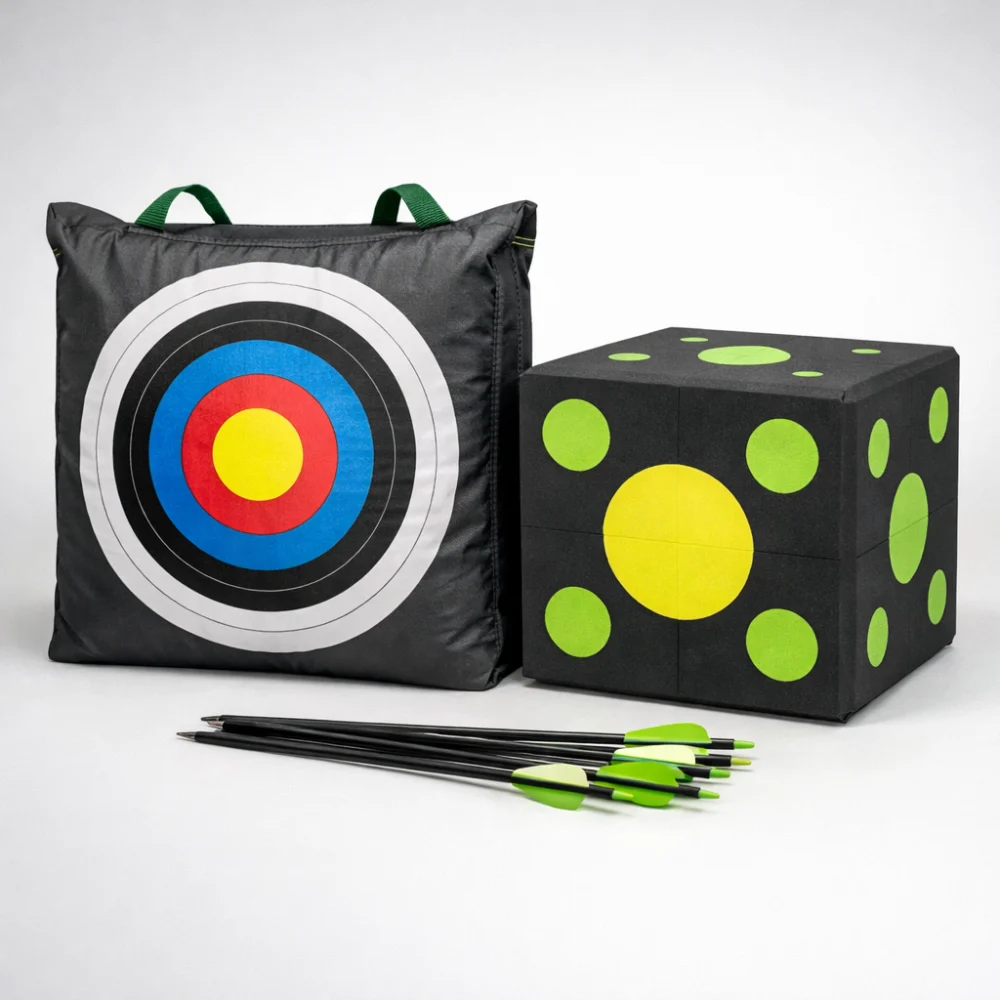
Archery bag and cube targets are a practical choice for target practice when you want a portable, relatively simple place to stop arrows. They are often considered by beginners, home users and more experienced archers who want a convenient setup for regular practice.
The main decision is not just shape. It is how the target matches your arrow type, draw weight, space and how often you plan to shoot. A sensible choice is usually the one that fits your practice routine without being larger, heavier or more specialised than you need.
Because bag and cube targets vary by construction and intended use, it helps to compare them by stopping power, portability, durability and ease of moving or storing them. Specifications vary by model, so always check the individual product page before buying.
What should you look for in an archery bag or cube target?
Start with the kind of shooting you do most often. A compact target can suit occasional practice or limited space, while a larger or more substantial option may make sense if you shoot more frequently or want to spread impact over a bigger face. The trade-off is usually between portability and how much target area or longevity you want.
| Feature | What it means | Why it matters | What to check |
|---|---|---|---|
| Target style | Bag or cube format, each with a different shape and shooting surface | Affects setup, portability and how the target sits in your practice area | Whether the shape suits your storage space and usual shooting distance |
| Arrow type suitability | How the target is intended to cope with your arrows | Different arrows and tips can affect wear and stopping performance | Product details for compatible arrow types and intended use |
| Size and weight | How easy the target is to carry, place and move | Matters if you set up and pack away often | Whether the size is practical for your home, garden or range setup |
| Durability | How well the target stands up to repeated use | Helps judge long-term value, especially with frequent practice | Construction details, replaceable parts or wear-resistant surfaces if listed |
| Arrow removal | How easily arrows can be pulled from the target | Can affect comfort during longer practice sessions | Any product notes about easy arrow removal or layered construction |
| Storage and portability | How simple it is to move or store after use | Important for smaller gardens, clubs or occasional practice | Carry handles, compact shape and whether it can be stowed indoors |
Key decision criteria explained
Stopping power and intended use
Stopping power is the target’s ability to absorb shots effectively for the kind of practice you do. This matters because a target that suits lighter practice may not be the right fit for heavier use or a different arrow setup. Look for the product wording that matches your bow type and shooting style, rather than assuming every bag or cube target behaves the same way.
Portability versus stability
If you plan to move the target often, portability becomes important. If the target stays in one place, stability and shooting convenience may matter more. A lighter target is easier to carry but can be less convenient if you need to reposition it frequently or want a steadier practice setup.
Size and usable surface
Bag and cube targets can offer different amounts of shooting surface, which affects how forgiving they feel during practice. A larger face can be more comfortable for casual shooting, while a more compact design may be easier to store. Think about how much margin you want around your aiming area and how much room you have available.
Durability and wear
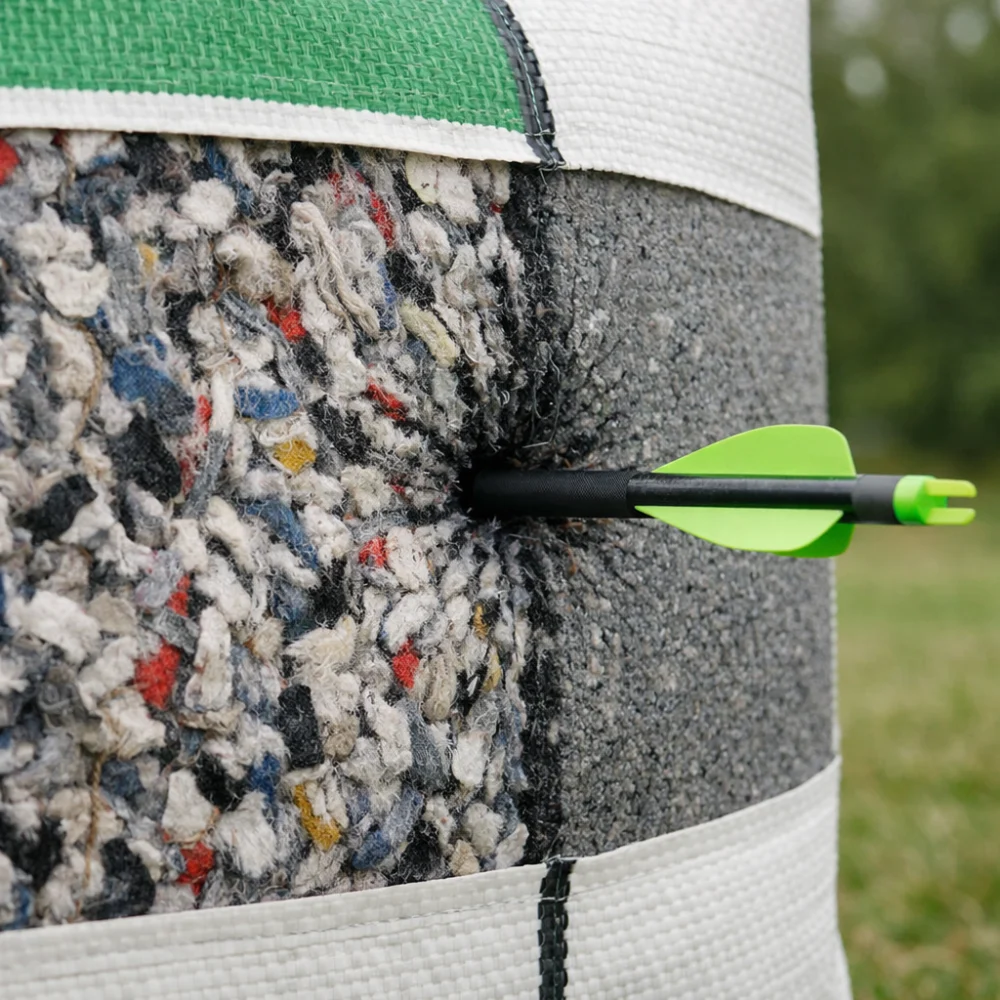
Repeated shots gradually wear any target. If you practice often, it is worth checking whether the target is described as having a replaceable insert, layered construction or another wear-focused design. That can affect running cost and how long the target remains useful, even when the outer shape still looks fine.
Arrow removal and maintenance
Some buyers focus only on stopping arrows, but easier arrow removal can make a real difference to comfort and pace during a session. It also helps if you expect family members or beginners to use the target. If a model has specific care or storage advice, follow that guidance so the target keeps its shape and performance for longer.
Product types and variants
Within this category, the main differences are usually in shape, construction and how the target is meant to be used. A bag-style target is often straightforward and portable, while a cube-style target may offer multiple sides or a different balance of surface area and convenience. Some models are designed more for general practice, while others are aimed at heavier use or a narrower type of shooting.
For most buyers, the useful question is not which shape is objectively better, but which one fits the way you practise. If you want something easy to move and store, portability may matter most. If you shoot often and want a more versatile target face, the construction and usable sides may matter more.
Which target suits different buyers?
| Buyer need | What to prioritise | Why it helps |
|---|---|---|
| Beginner practice | Simple setup, easy arrow removal and a forgiving target face | Makes regular practice less awkward and easier to maintain |
| Home or garden use | Portable size, storage convenience and suitability for the available space | Helps the target fit into a normal routine without being intrusive |
| Frequent practice | Durability, wear-resistant construction and practical handling | Supports repeated use and helps the target remain serviceable |
| Limited storage space | Compact design and easy moving or stowing | Reduces the friction of taking the target out and putting it away |
| Gift purchase | Broad suitability and clear product information | Makes it easier to choose something practical without guessing too much |
Common mistakes and misunderstandings
- Choosing only by shape. Shape matters, but the more important question is whether the target suits your arrows, space and practice frequency.
- Ignoring storage and handling. A target that sounds useful may still be awkward if it is difficult to move or put away regularly.
- Overlooking wear expectations. Even a good target will show signs of use over time, so consider durability if you shoot often.
- Assuming one target suits every bow setup. Different products are intended for different types of shooting, so always check the individual product page before buying.
Safety and suitability caveats
Archery targets should be chosen for the equipment and practice environment you actually use. Do not rely on appearance alone, and avoid assuming that a target suitable for one arrow setup will suit another. If you are buying for younger or less experienced users, keep the focus on suitability, control and clear instructions rather than making assumptions about a model’s limits.
Place the target in a sensible practice area with a suitable backstop and enough space for safe shooting. The right target helps with practice, but it does not remove the need to check the individual product information and use common sense about where and how it will be used.
Maintenance, storage and lifespan
Bag and cube targets usually need straightforward care, but that care still affects how long they remain useful. Keep them dry if the product guidance suggests it, store them away from unnecessary weather exposure, and inspect them for wear if you shoot regularly. If a target has a removable or replaceable section, that can help manage long-term ownership costs.
Think about whether you need something that can be stored indoors between sessions or left in a dedicated outdoor space. The easier a target is to store and move, the more likely it is to stay in regular use.
How to compare options efficiently
- Decide how you will use the target most often: occasional practice, regular training or shared use.
- Choose the shape and size that fits your space and handling needs.
- Compare the product details that matter most, especially intended use, durability and arrow removal.
- Check whether the target is practical to store, carry and set up in your usual location.
- Read the individual product page carefully before buying, since specifications vary by model.
Summary buyer decision checklist
- Does the target suit your bow and arrow setup?
- Is the size practical for your available space?
- Will you be able to move and store it easily?
- Does the construction fit how often you expect to shoot?
- Is the target description clear about intended use and limitations?
- Have you checked the individual product page for model-specific details?
Frequently asked questions
What is the difference between a bag target and a cube target?
A bag target is usually a simpler soft target format, while a cube target is shaped to offer a different layout and may provide several usable sides. The right choice depends on how you want to set up and store the target, as well as how you prefer to practise.
Are bag and cube targets suitable for beginners?
They can be, provided the target is appropriate for the arrows and practice style being used. Beginners often benefit from clear, straightforward targets that are easy to place and maintain, but the product details still matter.
How do I know whether a target will suit my arrows?
Check the individual product page for the intended use and any compatibility notes. Do not rely on the shape alone, because different targets are made with different construction and wear expectations.
Do I need a larger target if I shoot more often?
Not necessarily, but more frequent shooting can make durability and usable surface more important. A larger or more substantial target may be more comfortable for some users, while others may prefer a compact option that is easier to manage.
Can I leave an archery bag or cube target outside?
That depends on the model and the care guidance supplied with it. If a target is not designed for prolonged weather exposure, storing it indoors or under cover is usually the safer buying assumption.
What should I check before buying for home use?
Focus on size, moving and storage, and whether the target fits the space where you will shoot. It is also worth checking that the target suits your shooting setup and that you have a suitable backstop and safe practice area.

