
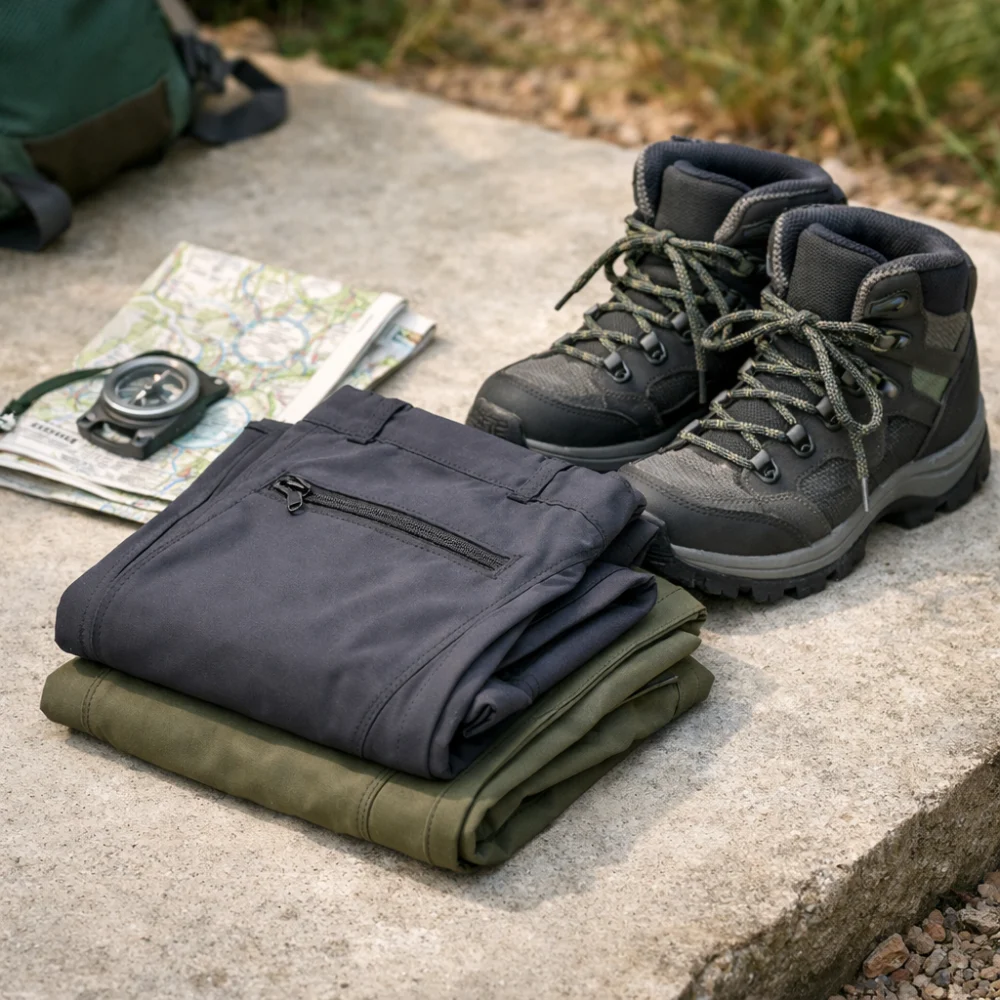
Women’s hiking and walking trousers are designed for moving comfortably outdoors, whether you are on local footpaths, longer day walks or hill paths. The right pair depends less on fashion and more on fit, freedom of movement, weather resistance and how much you value breathability, pockets or easy care.
This guide helps you compare the main choices without overcomplicating the decision. It is most useful if you want trousers that feel comfortable in motion, suit the season you walk in and match the sort of ground and weather you actually meet.
What should you look for first?
Start with the conditions you are most likely to face. For regular walking in changeable weather, a balanced pair that combines comfort, stretch and reasonable protection is often the easiest place to start. If you walk in colder, wetter or more exposed conditions, you may prefer a warmer or more weather-resistant style, but that can reduce breathability or lightness.
The main trade-off is usually between comfort and protection. Lighter trousers often feel easier to move in and dry more quickly, while tougher or warmer trousers can feel less airy. Specifications vary by model, so always check the individual product page before buying.
| Feature | What it means | Why it matters | What to check |
|---|---|---|---|
| Fit and rise | How the trousers sit at the waist, hips and legs | Affects comfort, coverage and freedom of movement | Waist style, leg shape and any stretch in the fabric |
| Fabric feel | Whether the material feels light, soft, firm or structured | Changes comfort, mobility and how suitable they feel for longer walks | Fabric description and whether stretch is mentioned |
| Weather resistance | How well the trousers cope with wind, drizzle or damp ground | Important if you walk year-round or in unsettled weather | Any water-resistant, wind-resistant or quick-drying details |
| Breathability | How easily heat and moisture can escape | Helps reduce clamminess when walking uphill or in mild weather | Ventilation features, lighter fabrics or breathable construction |
| Pockets and storage | How much secure carrying space is built in | Useful for keys, maps or a phone on the move | Number, placement and closure type of pockets |
| Weight and packability | How bulky the trousers feel in a bag or while worn | Useful for travel, long days out and variable forecasts | Fabric weight cues, packable design or zip-off options |
Key decision criteria
Fit and movement
Walking trousers should let you stride, climb and sit comfortably without pulling at the waistband or knees. A little stretch can make a major difference on hills or uneven ground, especially if you want trousers that move with you rather than against you.
Check the cut carefully if you know you prefer a slimmer, straight or more relaxed shape. Also look for details such as articulated shaping or stretch panels where these are listed, because they can improve comfort without making the trousers feel baggy.
Fabric and season
Different fabrics suit different walking patterns. Lighter, quick-drying trousers are often easier for spring and summer, while heavier or brushed fabrics may feel more suitable for cooler conditions. If you walk all year, you may want something versatile rather than highly specialised.
A warmer or more robust fabric can be reassuring in colder weather, but it may feel too warm on steep climbs or busy summer walks. Think about the temperature range you are most likely to meet rather than choosing for the coldest day you can imagine.
Weather protection
Some walking trousers cope better with wind and light drizzle than others. That can be useful for mixed British weather, but it is worth remembering that water-resistant trousers are not the same as full waterproof trousers. If you expect prolonged rain, it may be better to buy trousers for comfort and pair them with separate waterproof overtrousers when needed.
Pockets and practical features
Pockets are useful, but the details matter. Deep or secure pockets are often easier to live with than shallow ones, and zip pockets can be helpful if you want items to stay put while walking. If you carry a phone, check whether the pocket placement looks comfortable when sitting or moving.
Waist adjustment and closures
A good waist fit matters because trousers that shift or dig in can distract from a walk. Some designs rely on a simple fixed waistband, while others may include partial adjustment, belt loops or elasticated sections. Think about whether you prefer a neat, secure fit or a bit more flexibility after layers or a meal.
Common types and variants
Within this category, the main differences are usually about fabric weight, stretch, leg shape and weather focus rather than dramatic style changes.
- Lightweight walking trousers: Often chosen for mild weather and long-distance comfort. They are usually easier to wear on warmer days, but may offer less warmth.
- Stretch hiking trousers: Suited to people who want easier movement on hills or uneven terrain. The trade-off is that stretch does not automatically mean weather protection.
- Water-resistant or quick-drying styles: Useful for changeable conditions and occasional damp. They can still need a separate waterproof layer in heavier rain.
- Warmer or fleece-lined styles: Better for colder walks and winter use. They can feel too warm for active summer walking.
- Zip-off or convertible trousers: Practical if you want one garment to cope with changing temperatures. The compromise is often a more technical look and extra zip bulk.
Which type suits different needs?
| Your need | What to prioritise | Why |
|---|---|---|
| Regular local walks | Comfort, fit and easy movement | These matter more than specialist weather features for everyday use |
| Longer hill walks | Stretch, secure pockets and breathable fabric | Comfort over many hours becomes more important |
| Cooler-season walking | Warmer fabric and some wind resistance | Cold legs or a draughty feel can make a walk less enjoyable |
| Mixed weather walking | Quick-drying fabric and flexible layering | You may want a pair that handles changing conditions without feeling heavy |
| Travel and packing light | Lightweight construction and simple care | Easy drying and low bulk can be more useful than heavy-duty features |
Common mistakes to avoid
- Choosing by looks alone: A flattering cut is useful, but walking comfort, stretch and pocket placement often matter more in practice.
- Confusing water-resistant with waterproof: Light weather protection can be helpful, but it is not a substitute for full rain gear.
- Ignoring seasonality: A pair that feels right in spring may be too warm in midsummer or too light in winter.
- Overlooking the waistband: A poor waist fit can spoil an otherwise good pair, especially on longer walks.
- Assuming one pair does everything: Many buyers are happier with trousers chosen for a clear use case than with a general-purpose compromise.
Safety and suitability
These are clothing choices rather than technical safety products, but suitability still matters. Make sure the trousers are appropriate for the temperature, terrain and weather you expect, especially if you walk in exposed or remote places where comfort affects endurance.
If you are buying for variable conditions, check whether the trousers are meant as a main layer or as part of a layering system. Do not rely on a single garment to handle every forecast unless the product page clearly supports that use.
Care, storage and lifespan
Walking trousers usually last longer when they are washed and stored according to the care guidance for the specific fabric. Features such as stretch, water resistance and brushed finishes can make care more important, because repeated washing or high heat may affect how the garment feels over time.
If you expect frequent use, choose a style that is easy to wash and comfortable enough to wear often. That is usually more practical than a pair that looks ideal but feels awkward after an hour outdoors.
How to compare options efficiently
- Decide where and when you will wear them most often.
- Choose the general type that fits that use, such as lightweight, stretch, warmer or more weather-resistant.
- Compare fit, fabric feel, pockets and weather protection.
- Check whether the trousers suit your usual layers and walking pace.
- Read the individual product page carefully before buying.
Summary checklist
- Will they suit your usual walking weather and season?
- Does the fit sound comfortable for walking, climbing and sitting?
- Is the fabric light, warm or protective in the right balance for you?
- Are the pockets and waist details practical for your needs?
- Will they pair well with other layers or rain protection if needed?
- Have you checked the individual product page for model-specific details?
Frequently asked questions
What is the difference between hiking trousers and walking trousers?
In practice, the terms are often used for similar outdoor trousers. Hiking trousers may sound a little more technical, while walking trousers can suggest everyday comfort and general use. The most important thing is to judge the garment by its fabric, fit and weather suitability rather than the label alone.
Should I choose stretchy trousers?
Stretch is often helpful if you walk uphill, stride over uneven ground or simply want a more comfortable fit. It is not essential for everyone, though, and some buyers prefer a firmer fabric feel. Check whether the stretch seems aimed at movement or just at a slightly softer finish.
Are water-resistant trousers enough for rainy walks?
They can be useful in light drizzle or brief damp conditions, but they are not the same as proper waterproof trousers. If you expect steady rain, it is safer to think of water resistance as a helpful extra rather than full weather protection. Many walkers still carry separate waterproof layers.
What pocket features are most useful?
Secure pockets that are easy to reach while walking are often the most practical choice. Zip closures can help keep items in place, while deeper pockets are useful for everyday essentials. If you carry a phone, check that the pocket placement looks comfortable for your body shape and stride.
Do I need zip-off trousers?
Only if you genuinely expect changing temperatures or want one garment that can adapt through the day. They can be convenient, but some people prefer the simpler feel of a standard trouser. If you seldom change layers on a walk, a regular pair may be easier to live with.
How should walking trousers fit?
They should feel secure at the waist and give enough room to move freely without pulling across the hips, knees or thighs. A slightly relaxed fit is often more comfortable for long walks, but too much looseness can feel awkward or catch the wind. The best fit is the one that suits your movement, layers and comfort preferences.
Can I use these for everyday wear as well as walking?
Often yes, especially if you choose a simple design and a comfortable fit. The main difference is whether you prioritise outdoor features such as stretch, pocket security or weather resistance. A pair that works for both uses is usually a good value choice if it still feels comfortable outside the countryside.

