
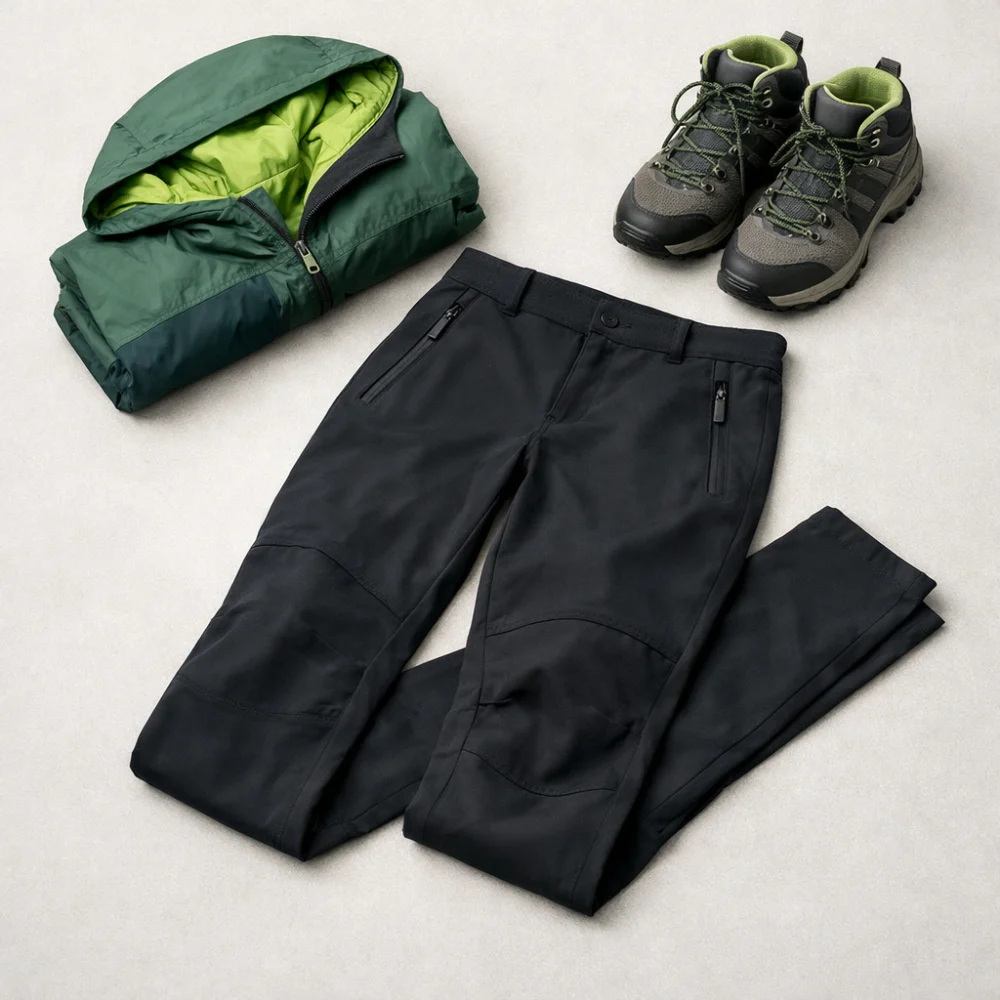
Women’s softshell trousers are designed for outdoor wear when you want more protection and comfort than lightweight leggings or standard walking trousers, but do not need the full weatherproofing of waterproof trousers. They are commonly chosen for walking, travel, and changeable conditions where movement matters as much as cover.
The main buying decision is how much weather resistance, stretch, warmth and breathability you need. Some pairs lean towards active comfort in dry or breezy conditions, while others feel more substantial for colder days and exposed routes.
If you are comparing options, it helps to think about where you will wear them most often, how much layering you need underneath, and whether you prefer a closer fit or more room for movement.
What should you look for in women’s softshell trousers?
Start with the conditions you expect to meet most often. Softshell trousers usually sit between lightweight walking trousers and waterproof trousers, so the best choice depends on whether you value stretch and comfort more than full rain protection. A good first filter is fit, fabric feel and weather resistance, then finer details such as pockets, ankle finish and waistband comfort.
Specifications vary by model, so always check the individual product page before buying.
| Feature | What it means | Why it matters | What to check |
|---|---|---|---|
| Weather resistance | How well the fabric sheds wind, drizzle and light spray | Helps decide whether the trousers suit dry days, damp conditions or colder exposed walks | Look for the wording used on the product page and any limits mentioned |
| Stretch and mobility | How much give the fabric has when you stride, crouch or climb | Important for comfort on hills, longer walks and active days | Check for stretch fabric, articulated design details or fit notes |
| Warmth | How insulating and substantial the trousers feel | Can make a noticeable difference in cool seasons and windy conditions | Consider the fabric weight, lining and whether layering is intended |
| Breathability | How easily moisture can move away from the body | Helps reduce clamminess when you are moving quickly | Compare the product description with your likely activity level |
| Fit and rise | How the trousers sit at the waist, hips and legs | Affects comfort, layering and freedom of movement | Review size guidance, leg shape and whether the cut looks slim or relaxed |
| Practical details | Pockets, hems, belt loops and other useful features | These can improve everyday usability even when fabric performance is similar | Check whether the layout suits gloves, maps, phones or other essentials |
Key decision criteria
Weather resistance versus breathability
Softshell trousers are useful because they offer a middle ground. They can feel more protective than simple stretch trousers, but they are not usually the right choice if you need dependable waterproofing in sustained rain. If your outings often involve damp grass, gusty ridges or light showers, that balance may suit you well. If you expect persistent wet weather, consider whether you need a separate waterproof layer instead.
Stretch and freedom of movement
The comfort of softshell trousers often comes from the way the fabric moves with you. That matters on steps, slopes and longer walks, especially if you prefer a less restrictive feel around the knees and seat. A stretchier pair may feel more comfortable in motion, while a firmer pair may hold its shape better or feel a touch more substantial.
Warmth and layering
Some buyers want a trouser that can cope with cooler temperatures on its own, while others want a flexible outer layer over thermal base layers. Think about when you will wear them most: shoulder-season walks, winter dog walking, travel, or mixed outdoor use. The more warmth you want built in, the more likely the trousers may feel less airy on milder days.
Fit, rise and leg shape
Fit is not just about size. A pair that feels fine standing still may feel limiting once you climb, kneel or sit for a while. Check whether the trousers are described as slim, regular or relaxed, and pay attention to rise if you prefer coverage at the back or more room at the waist.
Practical features
Pockets, cuffs, ankle finishes and waistband details may seem minor, but they affect everyday use. If you keep essentials in pockets, make sure the layout is practical for walking and sitting. If you wear boots, consider whether the hem is likely to sit neatly over them or feel bulky.
Common types and variants
Within this category, the main differences are usually about fabric feel and intended use rather than radically different product types.
- Lightweight softshell trousers may suit milder weather or more active use where breathability and mobility matter most.
- Warmer or lined softshell trousers may suit colder conditions, but can feel less versatile in warmer weather.
- Water-resistant softshell styles may cope better with drizzle and wind, though they are still not a substitute for proper waterproof trousers in heavy rain.
- Walking-oriented fits may prioritise comfort and movement for hills and trails, while more casual styles may lean towards everyday wear.
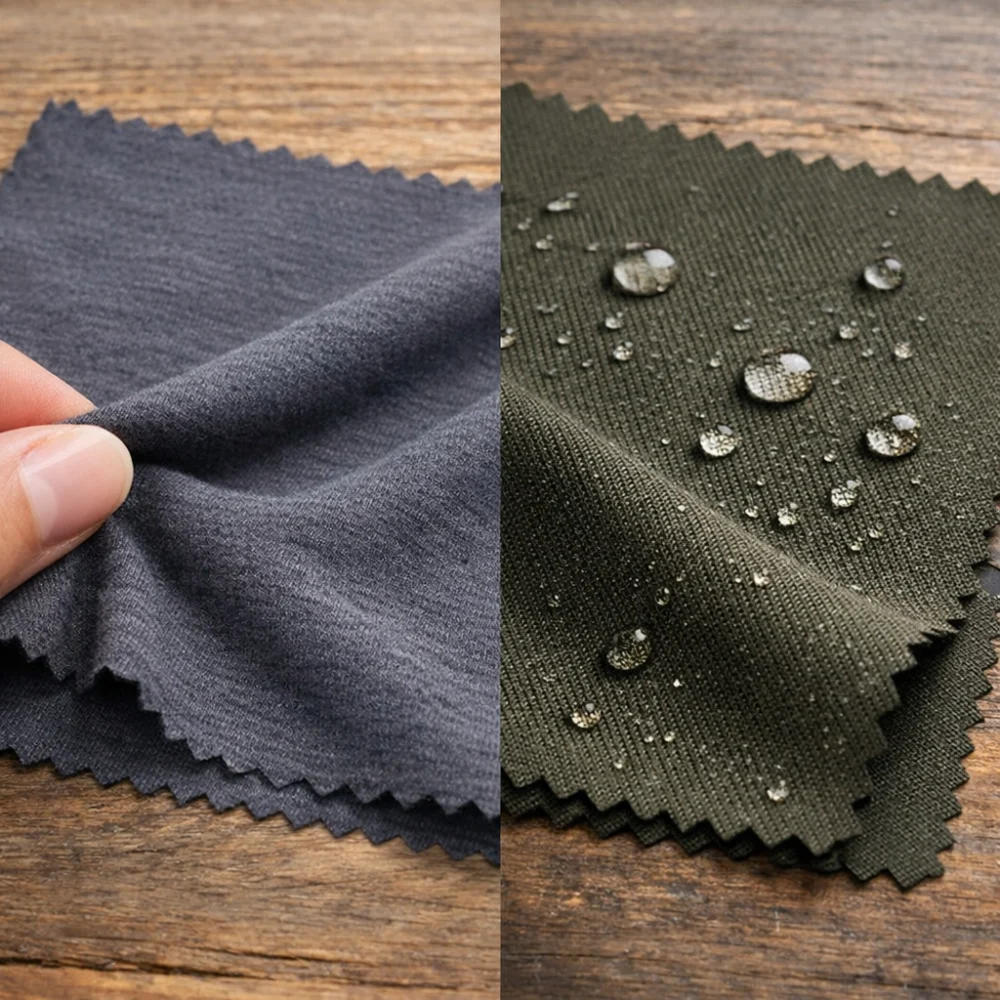
Some product names use similar language across different categories, so read the description carefully and focus on the actual fabric and fit cues rather than the title alone.
Which buyer needs suit which features?
| Buyer need | Features to prioritise | What to be cautious about |
|---|---|---|
| Regular hill walkers | Stretch, secure fit, comfort in motion and enough weather resistance for changeable conditions | Overly stiff fabrics that limit stride length |
| Cold-weather walkers | More substantial fabric feel, wind resistance and room for layering if needed | Styles that are too lightweight for the temperatures you expect |
| Mixed outdoor and everyday wear | Comfort, simple styling and pockets that work for day-to-day use | Overly technical features you may not need |
| Buyers who dislike bulky waterproofs | Soft feel, mobility and moderate weather protection for showery days | Expecting full rain protection from a softshell fabric |
| Layering under shells or coats | Smoother fit, manageable bulk and a cut that sits comfortably under outer layers | Very thick or heavily lined options if you need flexibility |
Common mistakes to avoid
- Assuming softshell means waterproof. Some pairs resist light moisture, but they are usually chosen for comfort and versatility rather than all-day rain protection.
- Choosing on warmth alone. A warmer pair may be less useful if you mainly want breathability for active use.
- Ignoring fit in motion. A good standing fit does not always mean comfort when walking uphill or stepping over obstacles.
- Overlooking leg shape and hem finish. These details can affect how the trousers sit with boots and whether they feel practical in real use.
- Reading the product title too literally. Descriptions can sound similar across softshell, walking and weather-resistant trousers, so check the detailed notes carefully.
Suitability and care considerations
Think about where you will actually use the trousers. If your plans include exposed hills, cold winds or damp mornings, a more protective softshell may make sense. If you mainly want casual comfort for drier outings, a lighter pair may be more appropriate.
For care, softshell fabrics often benefit from following the product’s cleaning guidance and avoiding harsh treatment that could affect finish or feel. Storage is usually straightforward, but it is still sensible to keep them clean and dry before putting them away. If a pair depends on a particular treatment, lining or fabric construction, check the product information so you know what maintenance it needs.
How to compare options efficiently
- Decide whether you need comfort-first walking trousers, more weather resistance, or a warmer option for colder conditions.
- Compare the fabric feel, stretch and fit shape before looking at smaller details.
- Check how the product description treats rain, wind and breathability, rather than assuming all softshells perform the same way.
- Look at practical features such as pockets, waistband comfort and ankle finish.
- Read the individual product page carefully for the points that matter most to you.
Summary buyer decision checklist
- Do you need more comfort and wind resistance than standard walking trousers provide?
- Will you wear them mostly in cool, dry or changeable conditions?
- Is stretch and ease of movement more important than maximum rain protection?
- Does the fit look suitable for walking, bending and layering?
- Are the practical details, such as pockets and hems, useful for your routine?
- Have you checked the individual product page for the exact fabric and care guidance?
Frequently asked questions
Are women’s softshell trousers waterproof?
Not usually. Many offer some resistance to wind and light moisture, but that is different from a fully waterproof garment. If you expect steady or heavy rain, you may need waterproof trousers instead.
Are they good for winter?
They can be, especially if you want a warmer, more protective feel than lightweight trousers offer. The right choice depends on how cold it is, how active you are and whether you plan to layer underneath.
Can I wear them for everyday use?
Yes, many buyers use softshell trousers for general outdoor wear as well as walks. If you want a practical, comfortable trouser that is not overly technical, they can work well for that purpose.
How should softshell trousers fit?
They should allow natural movement without pulling at the waist, hips or knees. A fit that works while standing still is not enough on its own, so think about walking, bending and layering when you choose a size.
Are softshell trousers better than hiking trousers?
Not always. Hiking trousers may be lighter and more breathable, while softshell trousers often offer more wind resistance and a more substantial feel. The better choice depends on the conditions and the kind of comfort you prefer.
Do I need lined softshell trousers?
Only if you want extra warmth or expect colder conditions. Lined styles can feel cosier, but they may be less versatile in milder weather or when you are moving quickly.

