
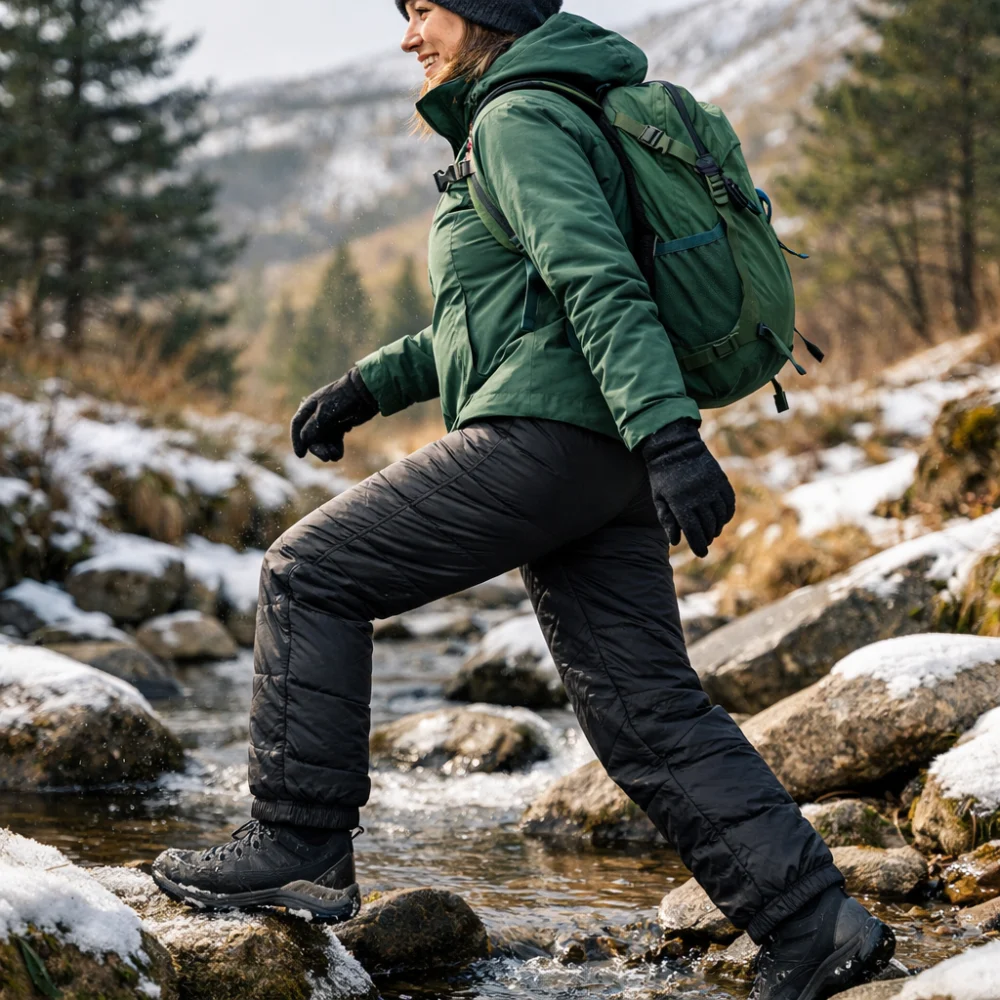
Women’s insulated trousers are designed to help keep the lower body warmer in cold conditions without needing to layer heavily underneath. They are commonly chosen for winter walks, snowy days, chilly campsites and other outdoor activities where ordinary trousers feel too cold.
The main buying challenge is balancing warmth, movement and weather protection. A warmer pair can feel bulkier, while a lighter pair may be easier to walk in but less comfortable when the temperature drops or the wind picks up.
This guide focuses on the features that usually matter most when comparing insulated trousers, so you can narrow the choice to the level of warmth, fit and weather resistance that suits your plans.
What should you look for in women’s insulated trousers?
Start with the conditions you expect to wear them in. If you mainly want extra warmth for cold walks, a lighter insulated style may be enough; if you will be in snow, sitting still for long periods or facing wind and damp, you may want a more protective design.
The best first filter is not brand or style, but intended use. Specifications vary by model, so always check the individual product page before buying.
| Feature | What it means | Why it matters | What to check |
|---|---|---|---|
| Insulation level | How much warmth the trousers are designed to provide | More insulation usually means more comfort in colder weather, but can add bulk | Look for wording that suggests lighter or heavier warmth, and match it to your activity |
| Outer fabric protection | How well the outer layer resists wind and light moisture | Helps with comfort in exposed conditions and in snow | Check whether the trousers are described as wind-resistant, water-resistant or waterproof |
| Fit and cut | How the trousers sit on the body and how much room they allow | Fit affects freedom of movement, layering and comfort over a long day | Review the sizing, waistband style and whether the cut is straight, relaxed or tailored |
| Leg length and hem design | How the trouser length works with boots and footwear | An awkward length can reduce comfort and let in cold air | Check inseam details, hem shape and whether the trousers are intended to fit over boots |
| Weight and packability | How easy the trousers are to carry or pack away | Useful if you want a spare layer rather than an all-day winter garment | Consider whether they are for active use, travel or occasional cold-weather backup |
Key decision criteria explained
Warmth versus mobility
Insulated trousers are meant to improve comfort in cold weather, but warmth and freedom of movement rarely increase together. A heavily insulated pair may be ideal for standing around outdoors, but feel less convenient for energetic walking or scrambling.
If you plan to move a lot, look for a balance that keeps you warm without feeling restrictive. If you spend more time stationary, comfort in the cold may matter more than low bulk.
Weather resistance
Not every insulated trouser is designed for wet weather. Some are mainly for warmth, while others include an outer layer that helps with wind or light snow.
Think about whether you need protection from dry cold, damp paths or snowy conditions. If you expect prolonged rain, insulated trousers alone may not be the right substitute for proper waterproof layers.
Fit over base layers
Some buyers want insulated trousers as a single winter layer, while others plan to wear them over leggings or thermals. That changes the fit you should look for.
If you want room for extra layers, allow for that in sizing and check whether the waistband, thigh area and lower leg have enough ease. If you prefer a neater everyday look, too much room may feel unnecessary.
Ease of use
Practical details such as waistband closure, pocket layout and how easily the trousers move with you can affect how often you wear them. These details matter more than they might seem at first glance, especially for regular use.
Choose the features that suit how you will actually use them, rather than focusing only on the warmest-looking option.
Types and variants you may see
Within this category, the main differences are usually about how the insulation is built and how protective the outer fabric is. Some options feel closer to winter walking trousers, while others are more suitable for snow sports or very cold outdoor use.
- Lighter insulated trousers suit cold-but-active days where you want warmth without too much bulk.
- Heavier insulated trousers suit colder, more exposed conditions or slower-paced outdoor use.
- More weather-resistant styles suit snow, slush and windy environments better than warmth-only options.
- Bib or brace styles may suit some snow-based activities, but they are less versatile for everyday wear.
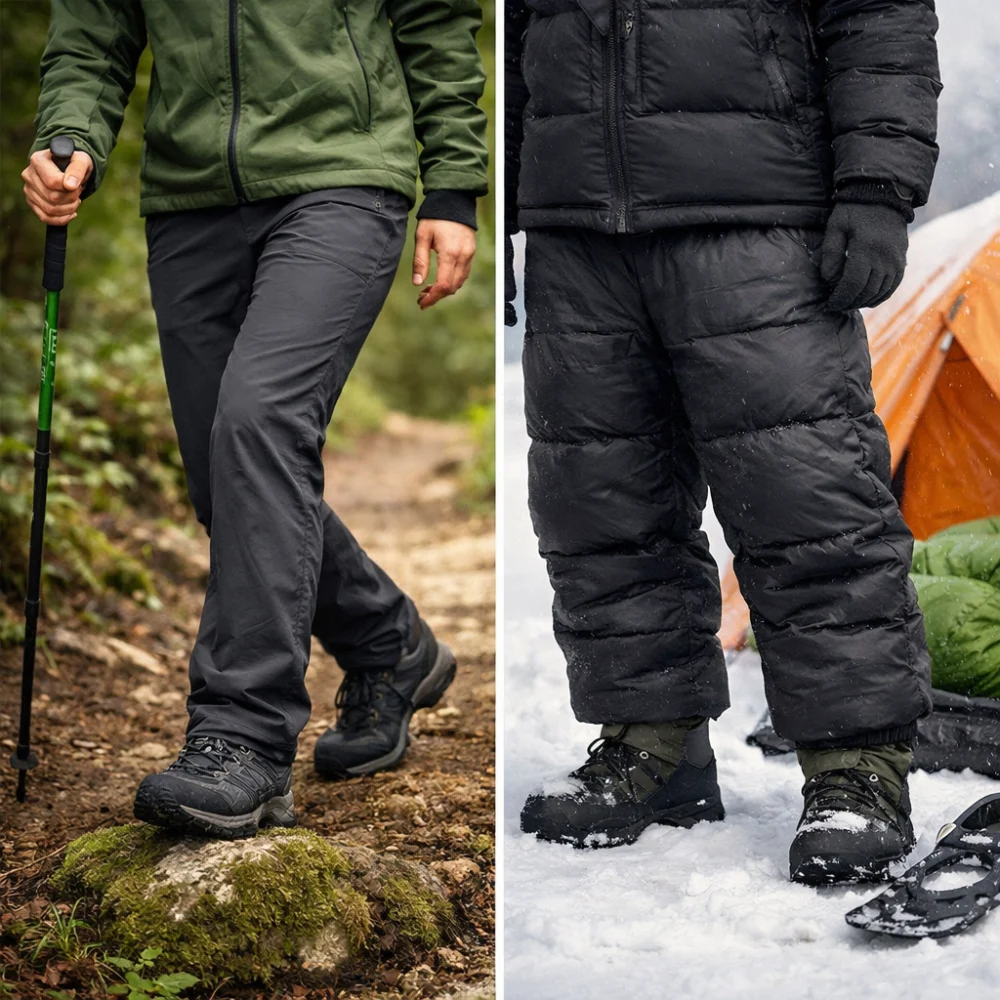
Choose the style that matches how you will wear them most often, because a specialist design can feel less convenient if your use is mixed.
Which features matter most for different buyers?
| Buyer need | What to prioritise | Main trade-off |
|---|---|---|
| Winter walking | Comfort, moderate warmth and easy movement | May not be warm enough for long periods in very cold conditions |
| Snowy days or light snow play | More insulation and better weather resistance | Can feel bulkier and less breathable |
| Travel and everyday cold-weather use | Balanced warmth, simple fit and versatility | Usually less specialised for harsh conditions |
| Stationary outdoor activity | Higher warmth and layering room | Reduced agility and potentially more bulk |
Common mistakes and misunderstandings
- Assuming all insulated trousers are waterproof. Warmth and waterproofing are different things, so check the product description carefully.
- Choosing warmth without considering movement. Very warm trousers may be uncomfortable if you plan to walk quickly or bend often.
- Ignoring layering needs. If you want to wear thermals underneath, a close fit may not be practical.
- Overlooking leg length. A poor length can make cold-weather wear less comfortable, especially with boots.
Safety and suitability caveats
Insulated trousers are a comfort and weather-layer choice, not a guarantee of protection in severe cold, wet or hazardous conditions. If your plans involve deep snow, prolonged exposure or heavy rain, check whether the product is suitable for those conditions rather than assuming it will cover every situation.
Use the product page to confirm the intended activity, fit guidance and any weather-resistance claims before you buy.
Maintenance, storage and lifespan considerations
General care can affect how well insulated trousers continue to perform. Follow the care information on the individual product page or label, especially if the trousers have a water-resistant finish or a more delicate outer fabric.
After use in damp or muddy conditions, allow them to dry fully before storing them away. Keep them folded or hung in a clean, dry place so the insulation and shape are less likely to be affected over time.
How to compare options efficiently
- Decide where you will wear them most often: walking, travel, snow, or slower outdoor activity.
- Choose the warmth level that matches that use rather than defaulting to the heaviest option.
- Check fit carefully, including room for layers and the length you need with your footwear.
- Compare weather resistance if wind, slush or light moisture are part of your use case.
- Read the individual product page for the most relevant details before making a final choice.
Buyer checklist
- Does the warmth level match your coldest expected conditions?
- Will you need room for base layers underneath?
- Is the fit suitable for walking, travel or more stationary use?
- Do you need wind resistance, water resistance or waterproof protection?
- Is the leg length likely to work well with your footwear?
- Have you checked the product page for the exact specifications?
Frequently asked questions
Are insulated trousers the same as ski trousers?
Not always. Some insulated trousers are designed for general winter use, while others are closer to ski or snow trousers with more weather protection and a more specialised shape. Check the intended use on the product page rather than relying on the name alone.
Can I wear insulated trousers over leggings?
Often yes, but it depends on the fit. If you want to layer underneath, look for a cut that allows enough room without feeling tight at the waist or thighs.
Are insulated trousers suitable for rain?
Only if the product is described as water-resistant or waterproof, and even then the level of protection can vary. Warmth alone does not mean a trouser will keep you dry.
Do insulated trousers feel bulky?
They can, especially if they are designed for heavier warmth. If you want a lighter feel for active use, look for a slimmer or less heavily insulated style.
What is the main difference between insulated trousers and softshell trousers?
Insulated trousers prioritise warmth, while softshell trousers usually focus more on movement and light weather protection. Some buyers prefer softshell for active days and insulated trousers for colder, slower-paced use.
How should I choose the right size?
Use the product page sizing guidance and think about whether you will wear layers underneath. If you are between sizes, the right choice often depends on whether you want a closer fit or extra room for warmth.

