
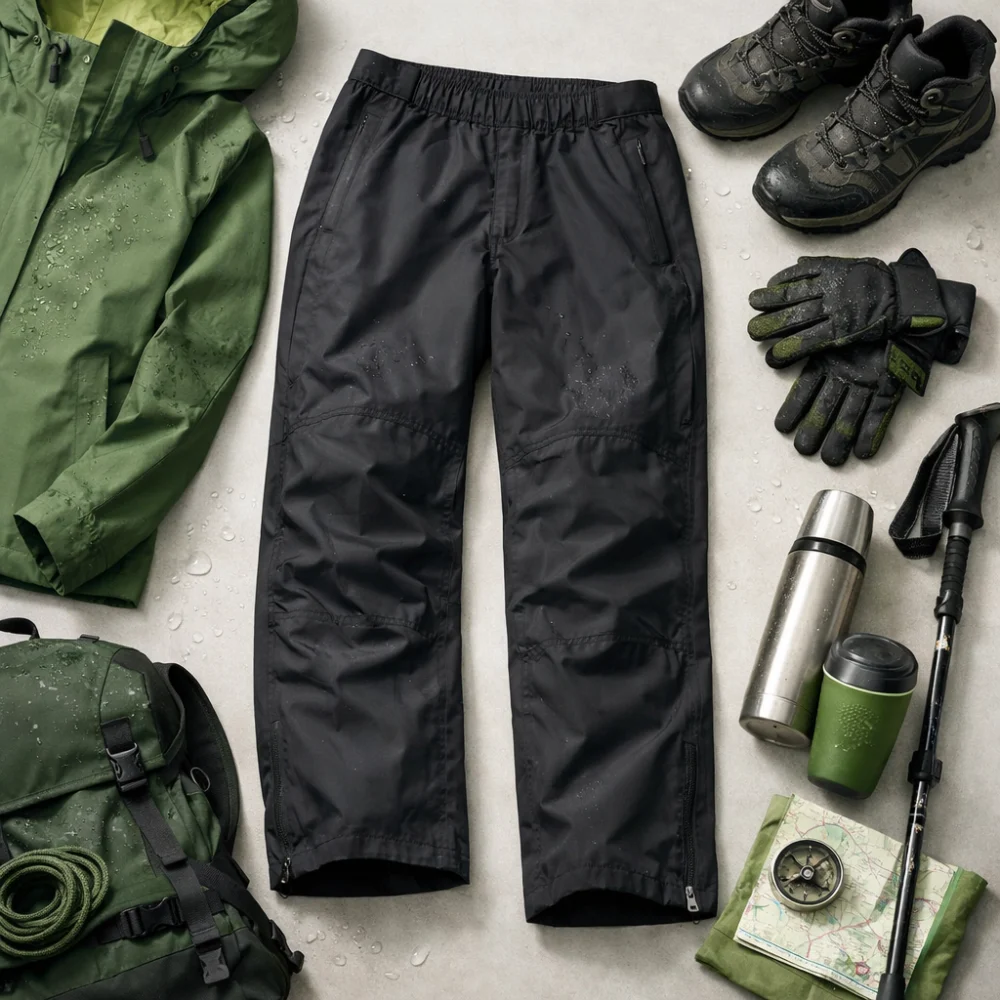
Women’s waterproof trousers are for keeping your lower half drier in wet, windy or muddy conditions. They are often bought as a layer to pull on over other clothing, but some styles are designed to be worn as part of an everyday outdoor kit.
The right choice depends on how wet the conditions are, how much movement you need and how easy you want them to be to put on and take off. The main trade-off is usually between weather protection, breathability, comfort and convenience.
If you are comparing options, it helps to start with the setting first: walking, travel, commuting, work outdoors or backup rain protection for carrying in a bag. Specifications vary by model, so always check the individual product page before buying.
What should I look for first?
Start with the kind of use you expect most often. A lightweight packable pair is often more convenient for occasional rain, while a more substantial design may suit longer exposure or rougher ground. The best starting point is not the highest protection level, but the pair that matches how you will actually wear them.
Think about fit over base layers, how quickly you need to get them on, and whether you need features such as ankle adjusters or a more generous cut. Breathability also matters, because waterproof trousers that trap too much moisture can feel uncomfortable during active use.
| Feature | What it means | Why it matters | What to check |
|---|---|---|---|
| Intended use | When and where you will wear them | Helps match the trousers to walking, commuting or outdoor work | Product description, intended activity and cut |
| Fit and layering | How they sit over other clothing | Affects comfort, movement and how easy they are to pull on quickly | Waist style, leg room and whether they are designed as overtrousers |
| Weather protection | How much rain and wind they are meant to handle | Better protection matters for longer exposure or harsher weather | Waterproof description and any feature notes on seams or fabric |
| Breathability | How easily moisture can escape during wear | Important if you will be active, hiking or wearing them for longer periods | Breathable or venting claims on the product page |
| Packability | How small and light they are to carry | Useful for keeping a spare pair in a rucksack or car | Packed size, weight and whether a storage bag is included |
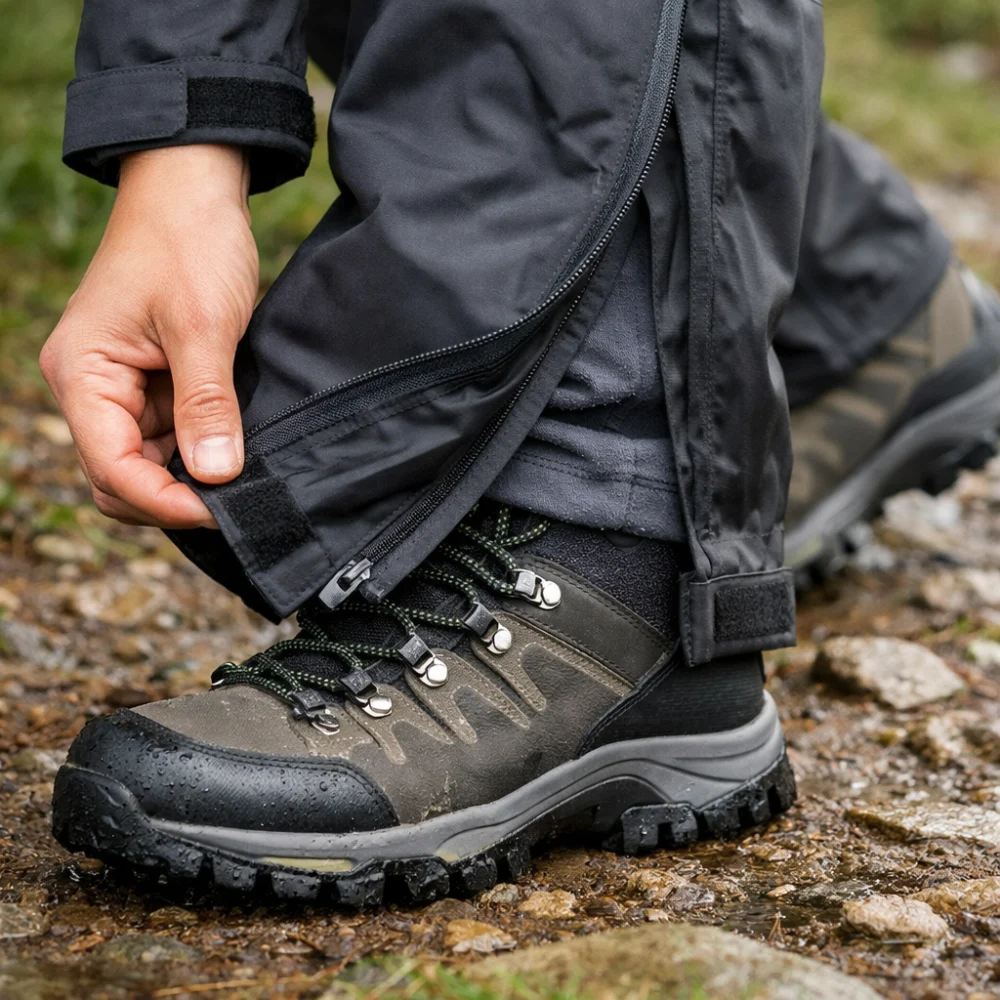
| Leg finishes | Features at the ankle and lower leg | Helps reduce water ingress and makes them easier to fit over boots | Adjustable cuffs, zips or elasticated finishes |
Key decision criteria
Fit over other layers
Many buyers use waterproof trousers as an outer shell, so fit over leggings, walking trousers or workwear matters as much as the waist size itself. A pair that is too tight can feel restrictive, while one that is too loose may be awkward in wind or when climbing steps. Look for wording that suggests overtrouser use if that is your plan.
Breathability versus full weather protection
More weather protection often means a more sealed feel, which can reduce comfort if you are moving hard. If your use is mostly short spells in rain, this may be fine. If you expect longer walks or repeated wear, a more breathable option may feel easier to live with.
Fast on and off
For sudden showers, convenience can matter more than any single technical feature. Side openings, adjustable ankles or a more forgiving waist can make the trousers easier to use in real life, especially when you already have boots on.
Durability and finish
Durability depends on the fabric and construction, but the practical question is how the trousers will cope with your setting. Dog walking on paths, commuting, campsite use and outdoor work can all put different demands on the garment. Check whether the product page suggests a lightweight travel layer or something more substantial.
Common types and variants
Within this category, the most useful distinction is often between lightweight overtrousers and more substantial waterproof trousers. Lightweight pairs are usually chosen for emergency rain cover and easy packing. Heavier options may feel steadier in tougher conditions, but they can be less convenient to carry.
You may also see differences in leg opening, lining and cut. A straighter cut can make layering easier, while a closer fit may feel neater for shorter outings. The right choice depends on whether you want minimal backup protection or something you will wear more regularly.
Which style suits different buyers?
| Buyer need | What to prioritise | Why it helps |
|---|---|---|
| Occasional rain cover | Packability, easy storage and quick pull-on design | Handy to keep in a bag without taking up much space |
| Frequent walking | Comfort, fit over layers and breathable feel | More comfortable for longer periods of movement |
| Outdoor chores or work | Coverage, sturdier construction and practical ankle finishes | Better suited to repeated use in damp conditions |
| Travel or commuting | Lightweight carry and simple on-and-off use | Easier to manage when weather changes unexpectedly |
Common mistakes to avoid
- Choosing by size alone: waterproof trousers need to work over the layers you will actually wear.
- Ignoring breathability: a very protective pair can still feel uncomfortable if you will be active.
- Overlooking leg opening details: ankle fit affects both comfort and how well they work over footwear.
- Buying more protection than you need: if you only want backup rainwear, a bulky pair may be inconvenient to carry.
Safety and suitability notes
Waterproof trousers are a clothing choice, not a guarantee of staying completely dry in every situation. Fit, weather intensity and how long you are out all affect comfort and performance. For very wet or demanding use, check the individual product information carefully and make sure the design matches your planned activity.
Care, storage and everyday ownership
General care is usually straightforward, but waterproof clothing can lose comfort or appearance if it is stuffed away damp for long periods. Let the trousers dry properly after use and store them clean and dry when possible. If a pair is meant to pack down small, that is useful for carrying, but it does not remove the need for basic care.
When comparing options, also think about whether the trousers will live in a rucksack, car boot or hallway hook. That practical detail can matter as much as fabric choice if you want them ready when the weather changes.
How to compare options efficiently
- Decide where you will wear them most often.
- Choose between lightweight packable protection and a more substantial everyday pair.
- Check the fit, especially over the layers you expect to wear.
- Compare breathability, ankle finish and ease of putting them on.
- Read the individual product page for the features that matter most to you.
Summary buyer decision checklist
- Will I wear them over other trousers or on their own?
- Do I need easy packing, or more substantial coverage?
- Will I be active enough for breathability to matter?
- Are the cuffs and leg openings practical for my footwear?
- Does the product description match my likely weather and use?
Frequently asked questions
Are women’s waterproof trousers usually worn over other trousers?
Often, yes. Many are designed as overtrousers so they can be pulled on quickly when rain starts. Check the product description if you need a pair that fits easily over walking trousers, leggings or workwear.
What is the difference between packable and more substantial waterproof trousers?
Packable styles are usually chosen for convenience and backup rain cover, while more substantial designs may be better suited to frequent or longer use. The trade-off is typically between carry convenience and a more robust feel. Your planned use should decide which matters more.
How important is breathability?
It matters more if you are active, walking for long periods or wearing the trousers for extended spells. If you only need brief rain protection, breathability may be less important than quick access and easy storage.
What should I check for if I want to wear them over boots?
Look at the leg opening, cuff design and any ankle adjustment. A wider or adjustable lower leg is often easier to fit over footwear. If you regularly use boots, this detail can make a noticeable difference to comfort and practicality.
Do all waterproof trousers feel the same to wear?
No. Cut, fabric, lining and intended use can all change the feel quite a bit. Some are designed to disappear into a bag until needed, while others are made to be worn more often. Specifications vary by model, so always check the individual product page before buying.
How should I think about fit if I am between sizes?
Consider what you will wear underneath and how much movement you need. If you want room for layering or quicker pull-on use, a slightly more generous fit may be more practical. Always rely on the product page guidance for the specific item.
Can one pair suit commuting and walking?
Sometimes, yes, if you want a balanced option with reasonable packability and comfort. The most useful choice is usually the one that matches your main use first and your secondary use second, rather than trying to maximise every feature at once.

