
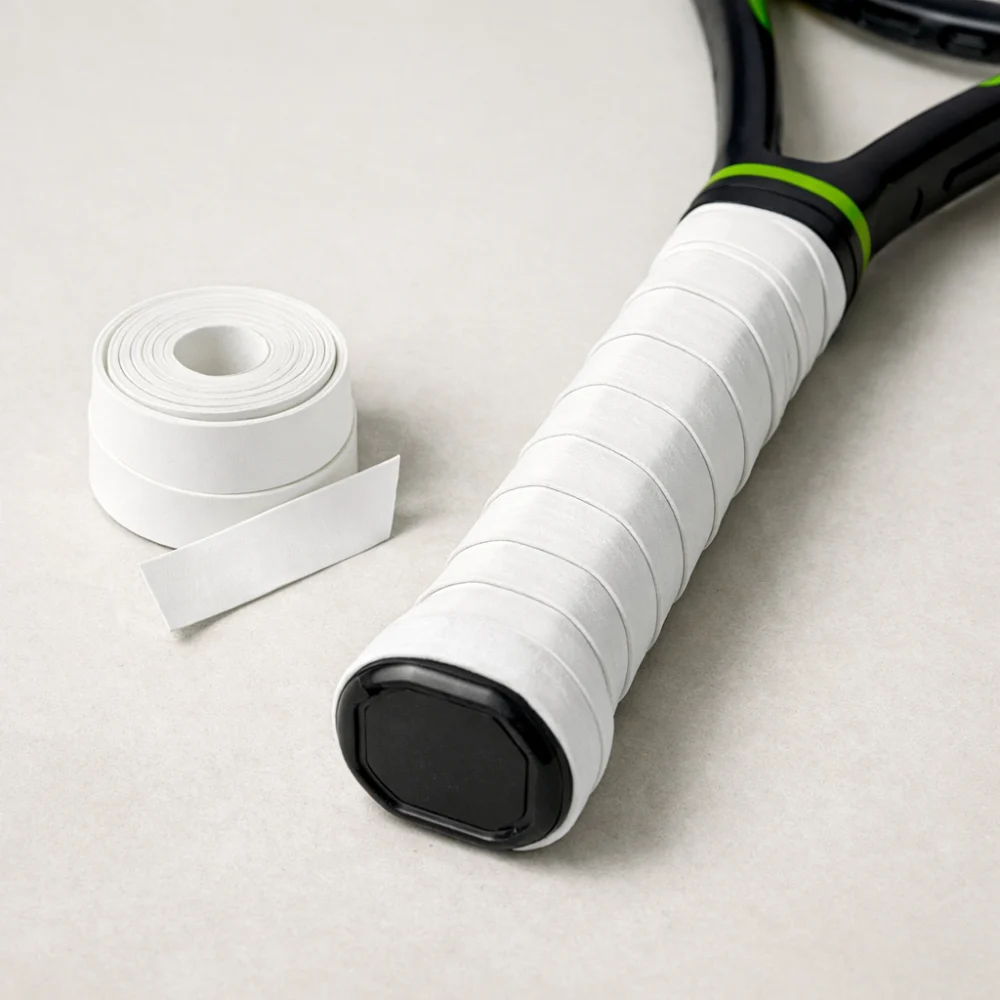
Tennis grips and overgrips can make a racket feel more secure, more comfortable and easier to control, but they do different jobs. The right choice depends on whether you want to refresh the base grip, fine-tune the handle feel or simply add a bit more tack and absorbency.
For many buyers, the main decision is not whether to buy a grip, but which type suits the way they play and how often they are willing to replace it. A small change in handle thickness, texture or moisture absorption can noticeably affect comfort and confidence in the hand.
Because the category covers both replacement grips and overgrips, it helps to think about your current racket feel, how sweaty your hands get and whether you prefer a slimmer or fuller handle. Specifications vary by model, so always check the individual product page before buying.
What should you choose first: a replacement grip or an overgrip?
If your racket handle feels worn, hard or uneven, a replacement grip is usually the starting point. If you are broadly happy with the base grip and only want to improve tack, comfort or moisture control, an overgrip is often the simpler choice. Overgrips are also useful when you want to adjust the handle feel without making a permanent change. The main trade-off is that replacement grips tend to restore the original foundation of the handle, while overgrips change the feel on top of it and usually need more frequent replacement.
| Feature | What It Means | Why It Matters | What To Check |
|---|---|---|---|
| Type | Replacement grip or overgrip | Changes whether you are rebuilding the handle or adding a layer over it | Product description and intended use |
| Feel | Tacky, cushioned, dry or more textured | Influences hold, comfort and confidence during play | Grip finish and buyer guidance on feel |
| Absorbency | How much moisture the grip is meant to take in | Helps hands stay secure when sweat is an issue | Material notes and any moisture-focused wording |
| Thickness | How much bulk the grip adds | Can subtly alter the way the racket sits in the hand | Grip profile and whether it is described as slim or padded |
| Durability | How quickly the grip may wear or lose feel | Affects how often you may need to replace it | General product description and how the grip is positioned for use |
Key decision criteria
Base grip condition
If the original handle covering is worn, slippery or damaged, an overgrip may improve the feel but will not rebuild the base layer underneath. A replacement grip is the more appropriate choice when the foundation itself needs renewing. That distinction matters because buyers sometimes expect a single overgrip to solve a clearly worn handle, when the better fix is to replace the underlying grip first.
Moisture and comfort
Some players prefer a tackier feel, while others want a drier grip that does not feel sticky in the hand. If your hands sweat a lot, absorbency may matter more than extra cushioning. If comfort is your main concern, a softer or more padded feel may be preferable, but it can also change how directly you sense the racket handle.
Handle thickness and feel
Adding an overgrip usually makes the handle feel slightly larger. That can be useful if you prefer a fuller hold, but it can also make the racket feel bulkier than you like. Buyers often overlook this and focus only on the surface feel, when the thickness change can be just as noticeable in play.
Texture and control
Grip texture influences how secure the racket feels during faster swings and grip changes. Some players want a smooth, cushioned feel; others prefer a more defined surface. What matters is not which texture sounds better, but whether it suits your hand, sweat level and comfort preference.
Types and variants within the category
There are two broad types to compare. Replacement grips are fitted where the original grip sits and are intended to restore or refresh the handle. Overgrips are thinner layers wrapped over an existing grip or replacement grip to change feel and add protection. If you want a simple, reversible change, an overgrip is often the easier option. If the base layer is tired, a replacement grip is more appropriate.
Within those types, products are often chosen by feel rather than by complex technical differences. The main practical differences usually come down to tack, absorbency, cushioning and thickness.
Which type suits which buyer?
| Buyer need | Likely better fit | Why | Point to check |
|---|---|---|---|
| Worn or tired handle | Replacement grip | Refreshes the base layer rather than masking it | Grip intended for base use |
| Quick feel change | Overgrip | Easy way to alter feel without replacing the underlying grip | Thickness and finish |
| Need more moisture control | Overgrip or replacement grip with absorbent feel | Helps when sweaty hands affect hold | Absorbency wording |
| Prefer a fuller handle | Overgrip | Usually adds a little bulk and can make the handle feel larger | How many layers you plan to add |
| Want a softer feel | Cushioned replacement grip or softer overgrip | Can reduce harshness in the hand | Comfort and padding description |
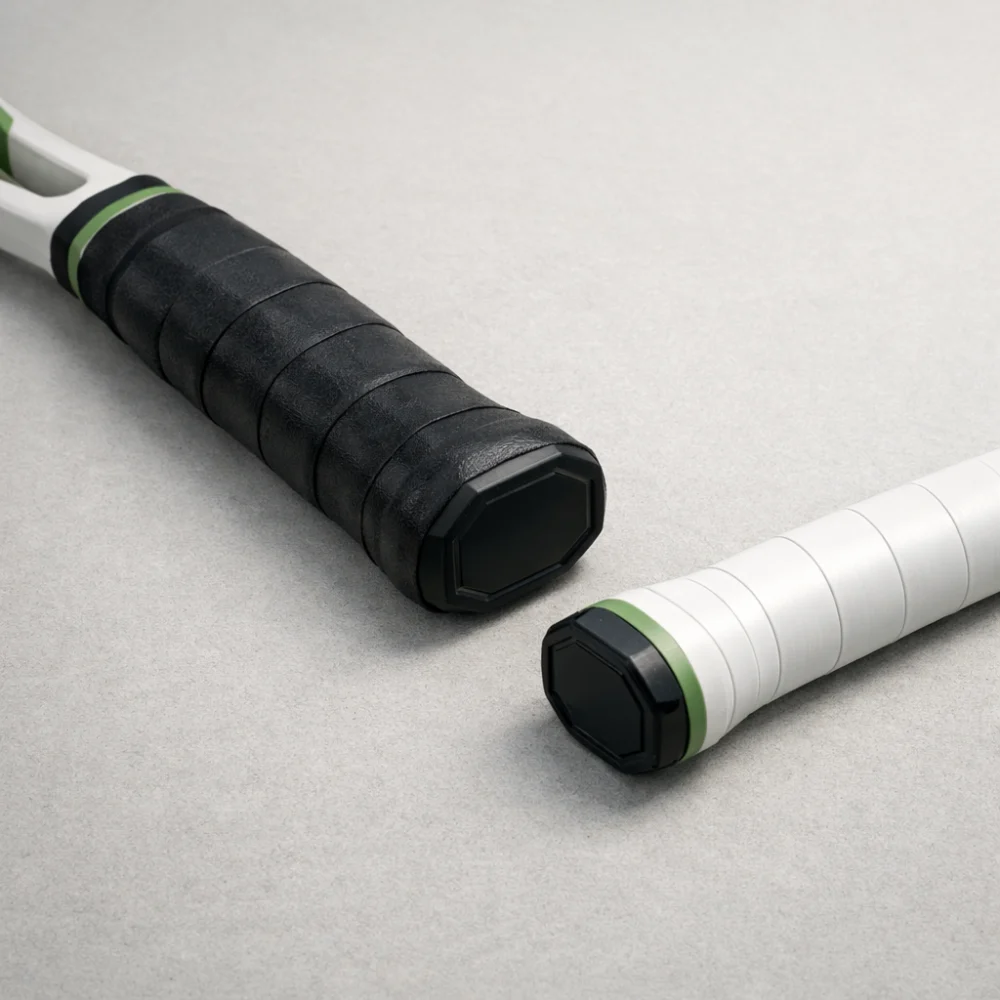
Common mistakes and misunderstandings
- Thinking every grip does the same job. A replacement grip restores the base; an overgrip adjusts the surface feel.
- Ignoring handle thickness. Even a thin overgrip can change how the racket sits in the hand.
- Choosing only by colour or appearance. Feel, absorbency and thickness usually matter more than the visual finish.
- Expecting one grip to last indefinitely. Grip surfaces wear with use and need replacing when feel or control drops off.
Safety and suitability caveats
These products are about feel, comfort and handle condition rather than performance guarantees. Check that the grip type suits your racket handle and the way you want the racket to feel in play. If you are unsure whether to replace the base grip or add an overgrip, the product description and any fit guidance on the individual page are the best place to confirm before buying.
Maintenance, storage and lifespan considerations
Grips and overgrips are consumable items, so replacement timing is part of the ownership decision. How long they stay usable depends on how often you play, how much moisture they absorb and how much surface wear they take. Keeping them dry and stored sensibly between sessions can help maintain feel, but they will still lose grip over time.
How to compare options efficiently
- Decide whether you need to restore the base grip or just change the surface feel.
- Choose the feel you want: tacky, dry, cushioned or more textured.
- Check whether absorbency or comfort matters more for your hand and playing conditions.
- Think about how much extra thickness you are willing to add.
- Read the individual product page for the intended use and any fit guidance.
Summary buyer decision checklist
- Do I need a replacement grip or an overgrip?
- Do I want more tack, more absorbency or more cushioning?
- Will a thicker handle feel right for me?
- Is the grip intended for my use case?
- Am I happy to replace it regularly if needed?
- Have I checked the individual product page for the details that matter?
Frequently asked questions
What is the difference between a tennis grip and an overgrip?
A replacement grip is the main layer fitted to the handle, while an overgrip is wrapped over the top of an existing grip. The first is used to renew or rebuild the handle feel; the second is used to fine-tune it. That is the simplest way to decide between them.
Can I use an overgrip on top of a worn grip?
You can, but it depends on how worn the base layer is. If the underlying grip is badly damaged or uneven, an overgrip may not give you the feel you want. It is better suited to a handle that is still fundamentally sound.
How do I know if I need a more absorbent grip?
If your hands feel slippery during play or the handle feels damp quickly, absorbency may be a priority. Buyers who sweat more often tend to benefit from grips that are positioned as moisture-friendly. The product description should give you the clearest clue.
Will an overgrip make my racket feel bigger?
Usually, yes, at least a little. The effect is not dramatic in every case, but it can be noticeable if you are sensitive to handle size. If you already like a slim grip, check the thickness and whether you plan to add more than one layer.
How often should I replace a tennis overgrip?
That depends on how much you play and how quickly the surface loses its feel. Some players replace overgrips often because they want a consistent tacky feel, while others use them for longer if the feel still works for them. Once it feels slippery, flat or worn, it has usually done its job.
Is a softer grip always more comfortable?
Not necessarily. Softer grips can feel gentler in the hand, but they may also reduce the directness of the connection with the racket. Comfort is personal, so it is worth balancing softness against the level of control and feedback you prefer.

