
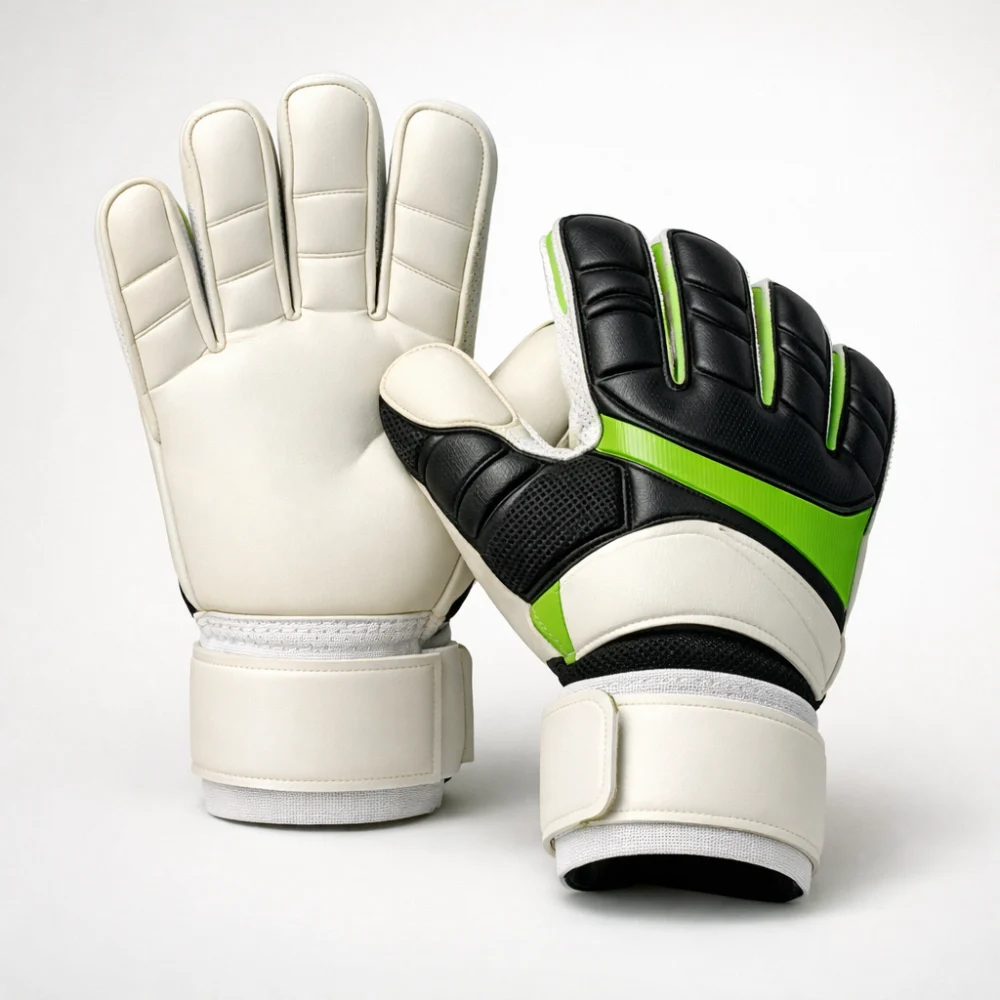
Goalkeeper gloves are a practical part of football kit, but the right pair depends on how and where you play. Some buyers want a close, responsive feel for match use, while others are looking for extra protection, easier handling or a more durable choice for training.
This guide focuses on the decisions that matter most when comparing options in this category. It should help you separate the features that genuinely affect performance from the details that are mostly down to preference.
What should you look for in goalkeeper gloves?
The best starting point is fit, because gloves that do not sit properly will feel awkward no matter how good the grip or padding looks on paper. After that, look at palm grip, finger protection, cut style and how much comfort or durability you need for your level of play. Specifications vary by model, so always check the individual product page before buying.
| Feature | What it means | Why it matters | What to check |
|---|---|---|---|
| Fit | How the glove sits on the hand and fingers | Affects comfort, feel and control | Size guidance, wrist closure and whether the fit is described as snug or roomier |
| Palm grip | The contact surface used to catch and hold the ball | Influences handling in different conditions | Grip focus, palm material details and any notes about training or match use |
| Cut style | The way the fingers and palm are shaped | Changes feel, flexibility and how much contact you get with the ball | Whether the cut is designed for a tighter, more traditional or more wrapped fit |
| Finger protection | Any added support in the fingers | May help buyers who want extra reassurance | Whether protection is included and how much flexibility it may reduce |
| Wrist fastening | The closure around the wrist | Helps keep the glove secure and stable | Cuff length, fastening style and whether easy on-off matters to you |
| Durability | How well the glove may cope with repeated use | Important for regular training or hard surfaces | Reinforced areas, palm description and intended use notes |
Key decision criteria explained
Fit and size
Glove sizing is one of the biggest factors in comfort. A pair that is too tight can feel restrictive, while one that is too loose may reduce control and make the ball feel less secure. If you are buying for a junior player, a growing teenager or as a replacement, fit matters even more because hand shape and comfort preferences can change quickly.
Grip and handling
Grip is about how securely the ball sits in the palm and how confidently you can catch or hold it. Buyers often assume more grip is always better, but that is not the whole story: softer grip-focused palms may feel excellent, yet some options can trade off durability. Think about whether the gloves are mainly for matches, training or a bit of both.
Protection versus flexibility
Some goalkeeper gloves include finger protection or similar support features, which may suit buyers who want extra reassurance. The trade-off is that added support can reduce the natural feel or flexibility of the glove. If you prefer a lighter, freer feel, a simpler glove may be a better match.
Comfort and wrist support
Comfort is not just about softness. A good wrist closure can make the glove feel more stable and easier to wear for a full session, especially if you prefer a secure hold around the wrist. If you dislike fuss when putting gloves on and off, the fastening style is worth checking carefully.
Types and variants within the category
Goalkeeper gloves often vary more by playing preference than by strict product type. That said, buyers usually compare a few broad styles.
- Grip-focused gloves suit players who want a more responsive catching feel, especially for match situations.
- Training-oriented gloves may prioritise durability and regular use over a softer, more specialised grip feel.
- Protection-led gloves may appeal to buyers who want added finger support and a little more reassurance.
- Junior gloves are usually chosen for smaller hands and younger players, where fit and ease of wear matter as much as grip.
The right option depends less on the label and more on how the glove balances control, comfort and longevity for the person wearing it.
How different buyers can narrow the choice
| Buyer need | What to prioritise | Why |
|---|---|---|
| Match player | Fit, grip and ball feel | These factors have the most immediate impact on confidence and handling |
| Regular trainer | Durability and comfort | Repeated use can put more pressure on palms and closures |
| Buyer wanting extra reassurance | Finger protection and secure wrist fastening | Added support may feel more stable, although it can reduce flexibility |
| Junior player | Correct sizing and easy wear | A glove that is simple to put on and fits well is usually more useful than a more complex design |
| Gift buyer | Size guidance and general comfort features | If you are unsure of the exact playing preference, a balanced option is easier to choose |
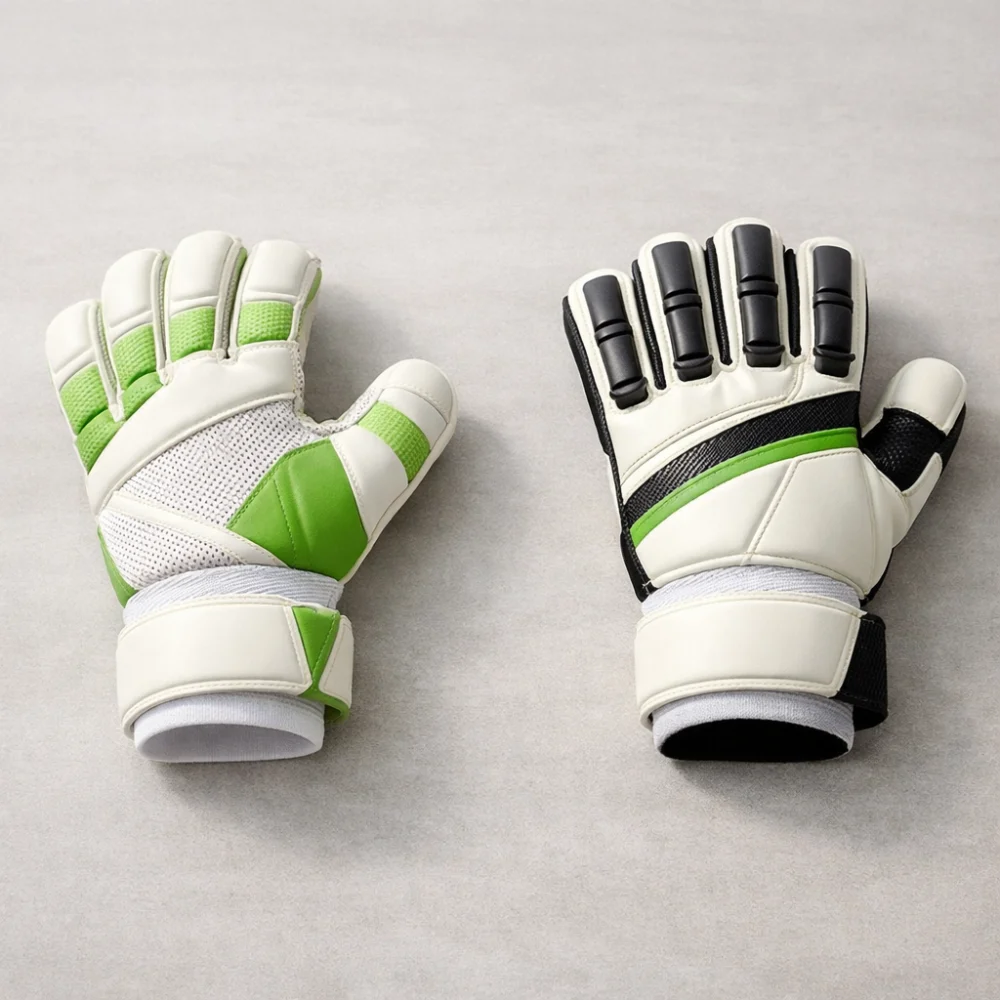
Common mistakes and misunderstandings
- Choosing only on grip claims. Grip matters, but fit and comfort can matter just as much in real use.
- Assuming more protection is always better. Extra support may help some players, but it can also reduce feel and flexibility.
- Buying the same size as another glove without checking. Sizing can vary, so the product page is the safer guide.
- Overlooking the intended use. A glove that suits occasional matches may not be the best choice for frequent training.
Safety and suitability caveats
Goalkeeper gloves should be chosen to suit the player, the level of use and the conditions they will face. If a glove is intended for a specific age group, hand size or style of play, check that information carefully before buying. A more protective design may feel reassuring, but it should still allow the wearer to move naturally and comfortably.
Maintenance, storage and lifespan considerations
How long gloves last depends heavily on how often they are used and how they are looked after. Dirt, rough surfaces and repeated washing can all affect how a pair feels over time. It is sensible to think about how easy they are to clean, how they should be stored and whether you may want a second pair for training or wet conditions.
How to compare options efficiently
- Decide who the gloves are for and what level of use they will get.
- Start with fit and size, then narrow by wrist fastening and comfort.
- Compare grip, protection and durability based on whether the gloves are for matches, training or both.
- Check the product page for any model-specific notes that affect feel or suitability.
- Choose the pair that best balances control, comfort and expected wear.
Summary buyer decision checklist
- Have I checked the size and fit guidance carefully?
- Do I need more grip, more protection or better durability?
- Will the gloves be used for matches, training or both?
- Does the wrist closure suit how secure I want the glove to feel?
- Have I reviewed any model-specific notes before deciding?
Frequently asked questions
How should goalkeeper gloves fit?
They should feel secure without being painfully tight, with enough room for natural hand movement. A poor fit can affect comfort and control, so do not rely on glove appearance alone. If you are between sizes, check the product page guidance carefully.
Are more expensive goalkeeper gloves always better?
Not necessarily. A more expensive pair may offer features that suit certain players, but the best choice still depends on fit, use and personal preference. A simpler glove can be the smarter buy if it matches the player’s needs better.
Should I choose gloves with finger protection?
That depends on how much support you want and whether you are comfortable with a slightly different feel. Some players like the reassurance; others prefer maximum flexibility. Consider the trade-off rather than assuming protection is essential.
Can one pair of gloves do everything?
Some can handle a mix of use, but many gloves are better suited to either match play, regular training or a specific preference. If you need one all-round option, look for a balanced specification rather than a highly specialised design.
Why does grip feel different between gloves?
Grip can vary because gloves are designed with different palm materials, construction styles and intended uses. That is why two pairs in the same category can feel quite different. Check the product details rather than relying on the name alone.
What matters most for a junior goalkeeper?
Correct size, comfort and ease of wear are usually the key points. Junior players often benefit from gloves that are simple to put on and comfortable to use, rather than a design with lots of extra features they may not need.

