
Table and Chop Saws
Table and chop saws are powered cutting tools designed for making accurate cuts in timber, boards and other suitable materials. They are ideal for garden construction, workshop jobs, decking, fencing, shed building, timber framing, outdoor repairs and DIY projects where cleaner, straighter and more repeatable cuts are needed.
A good table saw or chop saw can make cutting work quicker and more consistent than using a hand saw. The right choice depends on the type of cuts you need, the materials you work with, the space you have available, the blade size, cutting capacity and how much accuracy your project requires.
- Table and Chop Saws
RocwooD Mitre Saw Stand 150 kg Folding Steel Work Support
£47.99 *View On Amazon* - Table and Chop Saws
Sbestily Mini Miter Cut-Off Chop Saw for Metal, Wood Crafts
£53.99 *View On Amazon* - Table and Chop Saws
Saxton TCT Negative Rake Circular Saw Blade 216mm 100T 30mm Bore
£21.49 *View On Amazon* - Table and Chop Saws
Starrett 235mm TCT Circular Saw Blade for Wood, 40-Tooth, 16/19/25mm Bore
Original price was: £6.72.£6.48Current price is: £6.48. *View On Amazon* - Table and Chop Saws
BAUBECK 184mm 24T Multi-Purpose Circular Saw Blade, 16mm Bore
Original price was: £13.99.£9.90Current price is: £9.90. *View On Amazon* - Table and Chop Saws
PRO 255mm Circular Saw Blade, 30mm Bore with Reduction Rings
Original price was: £18.99.£17.99Current price is: £17.99. *View On Amazon* - Table and Chop Saws
Shall Folding Roller Stand 2-Pack, 27.8-43 in Adjustable Height
£49.29 *View On Amazon* - Table and Chop Saws
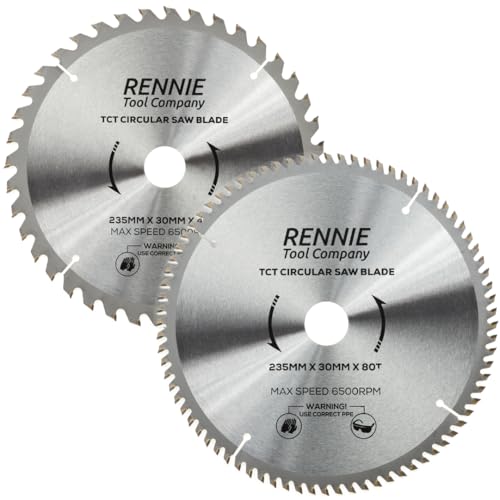
Rennie Tool 235mm TCT Circular Saw Blades 2 Pack, 30mm Bore
£21.99 *View On Amazon* - Table and Chop Saws
.PRO Circular Wood Saw Blade 210mm x 100T x 30mm Bore with Reduction Rings
Original price was: £15.99.£13.99Current price is: £13.99. *View On Amazon* - Table and Chop Saws
Evolution Power Tools MCS Mitering Chop Saw Stand with Powerlift Assist
£189.98 *View On Amazon* - Table and Chop Saws
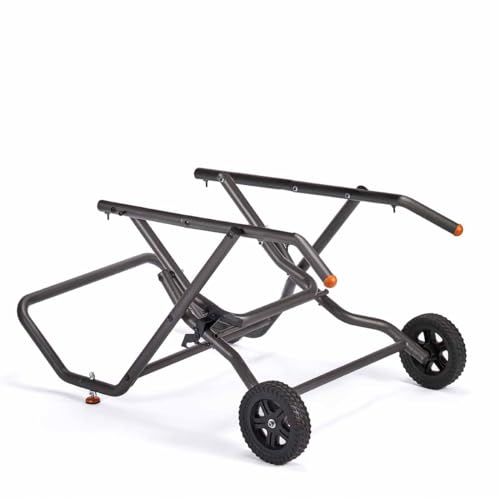
Evolution Power Tools Folding Wheeled Table Saw Stand for R255TBL
£88.04 *View On Amazon* - Table and Chop Saws
SADODO 2-Piece Adjustable Cutting Machine Support Stands
£16.99 *View On Amazon* - Table and Chop Saws
DeWalt DW7232 Adjustable Miter Saw Stand Material Support Stop
Original price was: £30.22.£22.96Current price is: £22.96. *View On Amazon* - Table and Chop Saws
Einhell Mitre Saw Stand with Folding Lightweight Frame
Original price was: £72.00.£70.00Current price is: £70.00. *View On Amazon* - Table and Chop Saws
LSHUZIYU 254mm 80T Circular Saw Blade with 30mm Arbor Washer
£28.99 *View On Amazon* - Table and Chop Saws
Evolution Power Tools FW255TCT-60 Fine Finish Wood Cutting Saw Blade 255 mm
Original price was: £39.50.£33.58Current price is: £33.58. *View On Amazon* - Table and Chop Saws
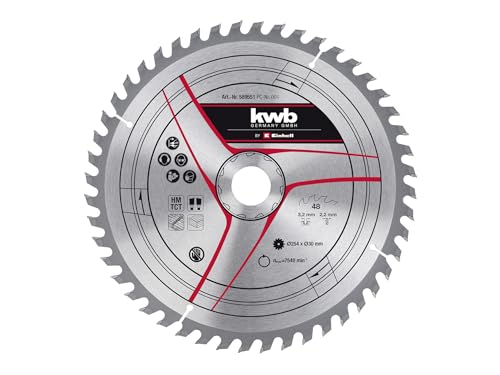
Original Einhell Circular Saw Blade 254 x 30 mm, 48 Teeth
£29.95 *View On Amazon* - Table and Chop Saws
Original Einhell 210 mm Circular Saw Blade, 30 mm Bore, 40 Teeth
Original price was: £27.95.£15.95Current price is: £15.95. *View On Amazon* - Table and Chop Saws
Scheppach HM216L Sliding Mitre Saw with UMF1600 Stand and 2 Blades
Original price was: £225.00.£209.00Current price is: £209.00. *View On Amazon* - Table and Chop Saws
Rennie Tools 216mm 40T TCT Circular Saw Blade with Reduction Rings
£9.99 *View On Amazon*








How to Choose the Right Table or Chop Saw
Start by thinking about the type of cutting you do most often. If you need to cut long boards, sheet materials or timber down to width, a table saw may be the better choice. If you mainly need crosscuts, angled cuts, mitres or repeated cuts through timber lengths, a chop saw or mitre saw may be more practical.
Also consider where the saw will be used. Table saws usually need more working space around the machine, especially when handling larger boards. Chop saws can often be easier to set up for cutting lengths of timber, but they still need a stable surface and enough room to support the material safely.
What Matters Most When Comparing Table and Chop Saws
The main things to compare are blade size, cutting capacity, motor power, table or base stability, fence accuracy, mitre adjustment, bevel cutting ability, dust extraction, weight and safety features.
Cutting capacity is especially important. A saw must be able to handle the size and thickness of the timber or material you plan to cut. Accuracy also matters, especially for decking frames, fence rails, garden structures, shelving, trim and any project where pieces need to fit together neatly.
Table Saw or Chop Saw?
A table saw is usually better for ripping timber, cutting boards to width and handling longer straight cuts. It is useful when you need repeatable cuts and a flat table surface to guide the material through the blade.
A chop saw is usually better for cutting timber to length. It brings the blade down onto the material, making it useful for crosscuts, angled cuts and repeated cuts on posts, battens, decking boards and framing timber.
The trade off is cut direction and working style. A table saw is better when you move the material through the blade. A chop saw is better when the material stays still and the blade moves down through it.
Chop Saw or Mitre Saw?
The terms chop saw and mitre saw are sometimes used loosely, but they are not always the same. A basic chop saw is usually designed for straight downward cuts. A mitre saw can often be adjusted for angled cuts, and some models may also offer bevel cutting depending on the design.
If you need simple straight cuts, a chop saw may be enough. If you need angled joints, trim work, frames or more precise corner cuts, a mitre saw style option may be more useful.
The best choice depends on your projects. For garden construction, angled cuts can be helpful for frames, cladding, edging, decking details and outdoor timber work.
Blade Choice and Material Compatibility
The saw itself is only part of the decision. The blade must also match the material and the finish you want. Timber, boards, laminate, plastic, aluminium and other suitable materials may all need different blade types depending on the saw and product guidance.
Tooth count affects the cut finish. Fewer teeth can cut faster through rough timber, while more teeth can help create a cleaner finish on visible edges. Always check that the blade size, bore, speed rating and material use match the saw before fitting it.
Safety, Stability and Practical Use
Table and chop saws should always be used on a stable surface with the correct blade, guards and safety features in place. Material should be supported properly so it does not twist, lift or move during the cut.
Dust extraction is also worth considering, especially if you cut timber regularly in a garage, workshop or shed. A cleaner cutting area can make work more comfortable and help you see your cutting line more clearly.
Think about storage too. Some saws are compact and portable, while others need permanent bench space. If you only use a saw occasionally, portability and storage size may matter as much as cutting capacity.
Find a Table or Chop Saw That Suits Your Project
Browse our range of table and chop saws and compare options by saw type, blade size, cutting capacity, accuracy, stability and ease of use. Choose a saw that suits your materials, your workspace and the garden construction or DIY projects you want to complete.
Table and Chop Saws FAQs
What is a table saw used for?
A table saw is used for making straight cuts in timber, boards and suitable sheet materials. It is especially useful for ripping timber, cutting boards to width and making repeated accurate cuts.
What is a chop saw used for?
A chop saw is used for cutting materials to length with a downward cutting action. It is commonly used for timber lengths, battens, posts, framing pieces and general construction cuts.
What is the difference between a table saw and a chop saw?
A table saw is better for long straight cuts and ripping boards. A chop saw is better for crosscuts, cutting timber to length and repeated cuts on lengths of material.
Is a chop saw the same as a mitre saw?
Not always. A basic chop saw usually makes straight downward cuts, while a mitre saw can usually be adjusted for angled cuts. Some products use the terms differently, so always check the product details.
What should I check before buying a table saw?
Check the blade size, cutting depth, rip capacity, fence accuracy, table stability, dust extraction, safety features, weight and whether the saw suits the materials you plan to cut.
What should I check before buying a chop saw?
Check the blade size, cutting capacity, mitre range, bevel options, base stability, material support, dust extraction and whether the saw is suitable for the timber or material you need to cut.
Can table and chop saws cut decking boards?
Many table saws and chop saws can cut decking boards when fitted with a suitable blade for the material. Check the cutting capacity and blade compatibility before buying.
Are table saws suitable for beginners?
Table saws can be suitable for confident DIY users, but they need careful setup, proper control and safe handling. Beginners should choose a manageable model and follow the product guidance closely.
Do table and chop saws need dust extraction?
Dust extraction is not always essential, but it is very useful if you cut timber regularly. It helps keep the work area cleaner and can make cutting lines easier to see.
When should I replace a saw blade?
Replace a saw blade if it is blunt, damaged, warped, missing teeth, burning the material or producing rough cuts. A sharp, suitable blade is safer and gives better results.
 Getting ready for Summer? View our Home and Garden Products

Heading outdoors this winter? Take a look at our Outdoor Clothing.