
Camera Memory Cards
Camera memory cards store the photos and videos captured by your camera, action camera, drone or imaging device. This category is ideal if you need reliable storage for everyday photography, outdoor filming, travel, content creation, wildlife cameras or high resolution video.
The right memory card depends on your device, the type of files you create and how fast the card needs to write data. A casual camera user may only need dependable storage, while someone filming high resolution video or shooting fast bursts of photos may need a faster, higher capacity card.
- Camera Memory Cards
32GB Micro SD Card with Adapter, C10 A1 TF Memory Card
Original price was: £12.99.£11.04Current price is: £11.04. *View On Amazon* - Camera Memory Cards
2-Pack 128GB Class 10 Micro SD Memory Cards with Adapter
£36.98 *View On Amazon* - Camera Memory Cards
ONYXX Electronics 16GB Micro SD Card Class 10 Memory Card
Original price was: £10.99.£9.99Current price is: £9.99. *View On Amazon* - Camera Memory Cards
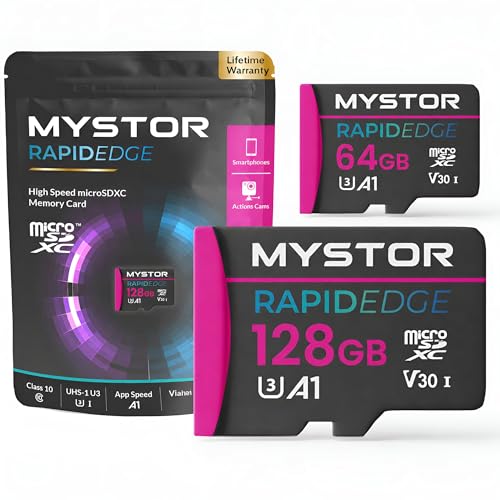
Mystor 64GB microSDXC Memory Card for Tapo Doorbells
Original price was: £24.99.£19.75Current price is: £19.75. *View On Amazon* - Camera Memory Cards
32GB UHS-I SDHC Class 10 Memory Card
Original price was: £17.99.£12.99Current price is: £12.99. *View On Amazon* - Camera Memory Cards
16GB UHS-I SDHC U1 Class 10 High Speed Memory Card
Original price was: £11.99.£10.99Current price is: £10.99. *View On Amazon* - Camera Memory Cards
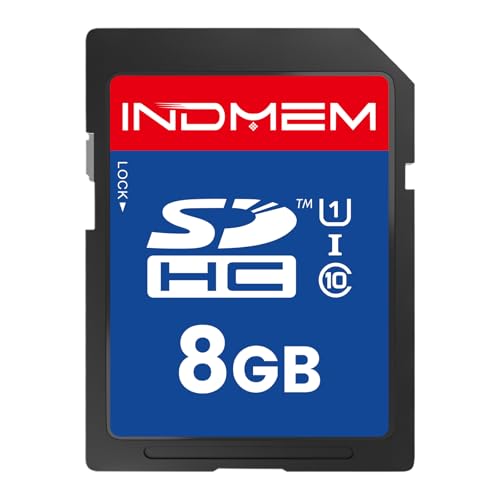
8GB SDHC UHS-I Class 10 Memory Card
Original price was: £10.99.£9.99Current price is: £9.99. *View On Amazon* - Camera Memory Cards
Dalimee 3-Port Memory Card Reader with Lightning, USB-C and USB-A
Original price was: £9.99.£8.49Current price is: £8.49. *View On Amazon* - Camera Memory Cards
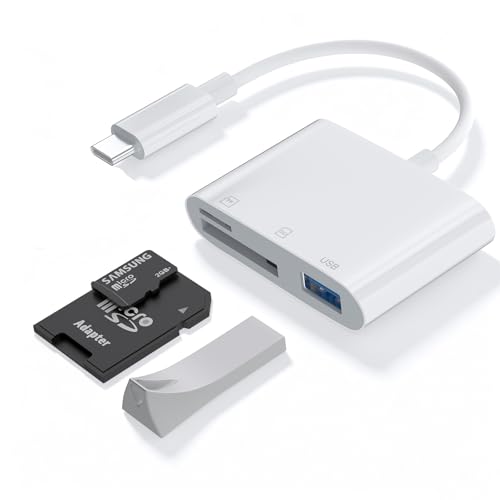
USB-C Dual Slot SD Card Reader for iPhone, iPad, MacBook and Samsung
£3.99 *View On Amazon* - Camera Memory Cards
Biwin MS100 32GB Micro SDXC Memory Card UHS-I A1 V10 U1
Original price was: £11.49.£9.99Current price is: £9.99. *View On Amazon* - Camera Memory Cards
GREENKINDER Kids Instant Print Camera with 2.4″ Screen
Original price was: £30.99.£22.26Current price is: £22.26. *View On Amazon* - Camera Memory Cards
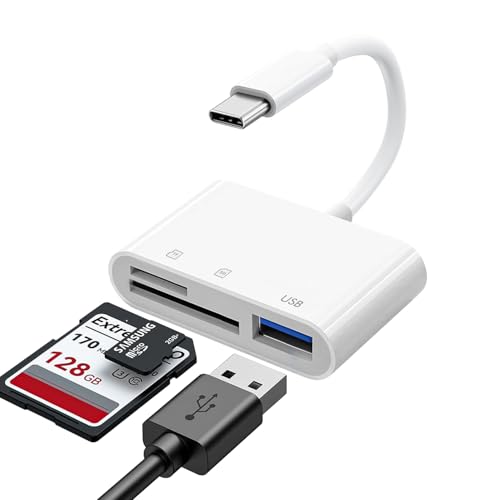
SD Card Reader USB-C TF Micro Memory Card Adapter with USB A Port
£3.99 *View On Amazon* - Camera Memory Cards
Mystor 64GB Micro SD Card for Tapo Cameras with SD Adapter
£19.75 *View On Amazon* - Camera Memory Cards
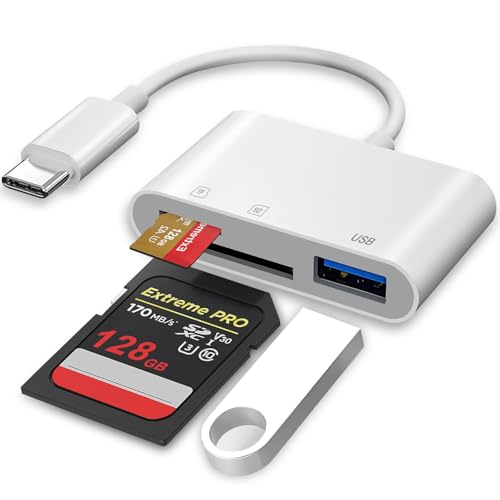
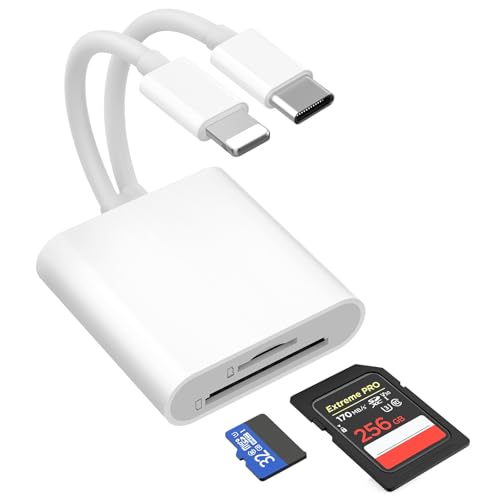
Dual Connector Dual Slot MicroSD and SD Card Reader for Lightning and USB-C
£5.99 *View On Amazon*
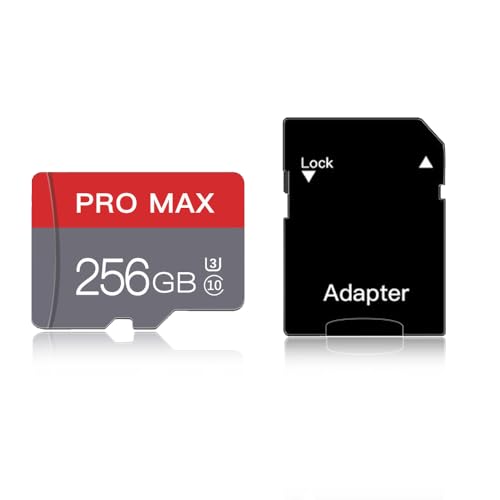


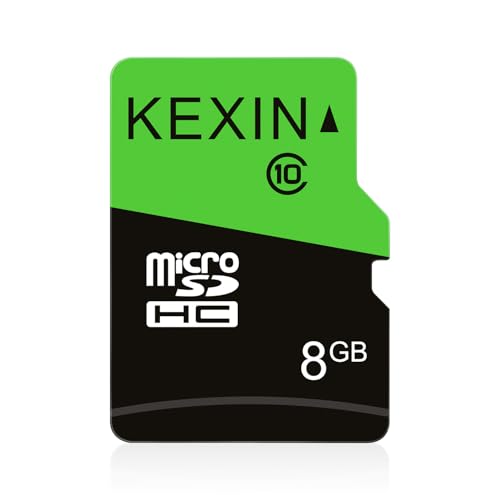

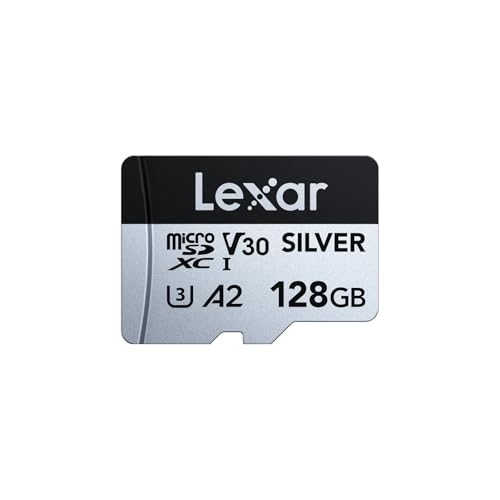








What Are Camera Memory Cards Used For?
Camera memory cards are removable storage cards used to save image and video files. They are commonly used in digital cameras, mirrorless cameras, DSLR cameras, action cameras, trail cameras, drones and some video recording devices.
They are not all the same. Some cameras use SD cards, some smaller devices use microSD cards, and some advanced cameras may use CFexpress cards. Always check your camera manual or product details before buying, because the wrong card type may not fit or may not perform properly.
How To Choose The Right Camera Memory Card
Start with compatibility. Check whether your device needs SD, microSD, CFexpress or another format. Then check the maximum supported capacity and the speed rating recommended by the camera manufacturer.
Capacity is important because it decides how much you can store before changing or clearing the card. Photos, 4K video, high frame rate footage and long recording sessions can fill a card quickly. If you shoot regularly, it can be useful to have more than one card rather than relying on a single card for everything.
Speed matters too. Read speed affects how quickly files transfer to a computer or card reader. Write speed affects how well the card can save photos and video while you are shooting. For video, burst photography and fast action, write performance is often the more important figure.
SD, MicroSD Or CFexpress?
SD cards are widely used in many cameras and are a common choice for photography and general video. They are available in different capacities and speed classes, so it is important to choose one that matches your camera’s requirements.
MicroSD cards are smaller and are often used in action cameras, drones, compact devices and some trail cameras. They may come with an SD adapter, but you should still check that the card itself has the right speed and capacity for your device.
CFexpress cards are usually linked to more advanced cameras and demanding photo or video work. They can offer very fast performance, but they also cost more and must match the exact CFexpress type your camera supports.
Capacity Or Speed: Which Matters More?
Capacity matters most if you take lots of photos, record long clips or travel without regularly transferring files. A larger card means fewer interruptions and less need to delete files while you are out.
Speed matters most if your camera records high resolution video, shoots fast photo bursts or creates large files quickly. A card with plenty of storage can still be a poor choice if it cannot write data fast enough for your camera.
The best choice is usually a balance. Choose enough capacity for your normal shooting, then make sure the speed rating is suitable for your camera and the type of content you create.
Key Features To Compare
When comparing camera memory cards, look at card format, capacity, write speed, read speed, speed class, video speed class, durability claims, device compatibility and whether you need an adapter or card reader.
For photography, capacity and reliable write speed are important. For video, pay close attention to the video speed rating and your camera’s recommended requirements. For drones and action cameras, also check whether the card suits compact devices and outdoor use.
It is also worth thinking about workflow. If you transfer lots of large files, faster read speeds and a suitable card reader can save time. If you shoot important events or travel footage, using multiple cards can reduce the risk of losing everything if one card is damaged or misplaced.
Beginner, Enthusiast Or Serious Creator?
Beginners should focus on a compatible card with enough capacity for everyday photos and simple video. It does not need to be the fastest card available if the camera does not require that level of performance.
Enthusiasts may need higher capacity, faster write speeds and better support for high resolution video or burst shooting. Serious creators may need premium cards, spare cards, fast card readers and a more careful storage workflow.
The right camera memory card is not always the largest or most expensive one. It is the card that fits your device, supports the way you shoot and gives you enough reliable storage when you need it.
Why Buy Camera Memory Cards From YPC?
At YPC, we have used a lot of outdoor equipment ourselves in real activity settings, so we understand why dependable storage matters. A memory card may seem like a small accessory, but it can affect whether your camera records smoothly and whether your footage is safely stored.
Browse the Camera Memory Cards range, compare the options and choose the card that fits your camera, your recording needs and your storage habits.
Camera Memory Cards FAQs
What memory card do I need for my camera?
Check your camera manual or product details first. Your camera may need SD, microSD, CFexpress or another format, and it may also have specific capacity or speed requirements.
Is SD or microSD better for cameras?
Neither is automatically better. SD cards are common in many cameras, while microSD cards are often used in action cameras, drones and smaller devices. The right choice depends on what your device supports.
How much storage do I need on a camera memory card?
It depends on the file size, photo resolution, video quality and how long you shoot between transfers. Higher resolution photos and video need more storage, so regular users may prefer larger capacity cards or multiple cards.
Does memory card speed matter for photography?
Yes, especially for burst photography, fast action and large image files. A faster write speed can help the card keep up while the camera saves photos.
What speed card do I need for video recording?
For video, check your camera’s recommended speed rating. High resolution or high frame rate video usually needs a faster card with a suitable video speed class.
What is the difference between read speed and write speed?
Read speed affects how quickly files transfer from the card to another device. Write speed affects how quickly the card saves photos or video while you are shooting.
Are CFexpress cards the same as SD cards?
No. CFexpress and SD are different memory card formats. CFexpress cards are used in some advanced cameras and must match the exact type supported by the camera.
Should I use one large memory card or several smaller cards?
Several smaller cards can reduce the risk of losing all your photos or video if one card fails or gets misplaced. One larger card can be more convenient, but it puts more files in one place.
Do I need a card reader for camera memory cards?
A card reader can be useful if you transfer photos or videos to a computer. It can also be faster and more convenient than connecting the camera directly, depending on your setup.
Camera Memory Cards Buyers Guide
An overview of how memory card formats, speed ratings, and capacity affect photography and video workflows, and which factors matter when comparing cards for different camera uses.
 Getting ready for Summer? View our Home and Garden Products

Heading outdoors this winter? Take a look at our Outdoor Clothing.