
Camera Tripods
Camera tripods help keep your camera steady, level and easier to control while taking photos or recording video. This category is ideal if you want sharper images, smoother footage, better low light results, stable framing or a more reliable setup for outdoor photography, travel, content creation, wildlife watching or product shots.
The right tripod depends on your camera, where you use it and how much support you need. A lightweight tripod may be perfect for travel and walking, while a heavier tripod may give better stability for larger cameras, long lenses or windy outdoor conditions.
- Camera Tripods
K&F CONCEPT Lightweight Travel Camera Tripod with Bluetooth Remote
£23.99 *View On Amazon* - Camera Tripods
SmallRig Action Camera Tripod for DJI Osmo Pocket and Action
Original price was: £10.90.£9.90Current price is: £9.90. *View On Amazon* - Camera Tripods
Lamicall Mini Phone Tripod Stand with Remote for Smartphone and GoPro Camera
Original price was: £19.99.£17.99Current price is: £17.99. *View On Amazon* - Camera Tripods
NEEWER TP34 Flexible Mini Tripod and Phone Stand
Original price was: £26.99.£16.99Current price is: £16.99. *View On Amazon* - Camera Tripods
K&F CONCEPT 62.2″ Lightweight Camera Tripod with Phone Clip
Original price was: £25.99.£23.99Current price is: £23.99. *View On Amazon* - Camera Tripods
K&F CONCEPT A225C2 Carbon Fibre Camera Tripod, 60 in/153 cm
Original price was: £124.99.£114.99Current price is: £114.99. *View On Amazon* - Camera Tripods
2 Pack Tripod Quick Release Plate with Screws, 43 mm
Original price was: £6.29.£5.99Current price is: £5.99. *View On Amazon* - Camera Tripods
K&F CONCEPT 63 in Travel Compact Aluminium Camera Tripod with Ball Head
£49.99 *View On Amazon* - Camera Tripods
XXZU 75″ Aluminium Camera Tripod with Remote and Monopod Function
Original price was: £33.99.£29.99Current price is: £29.99. *View On Amazon* - Camera Tripods
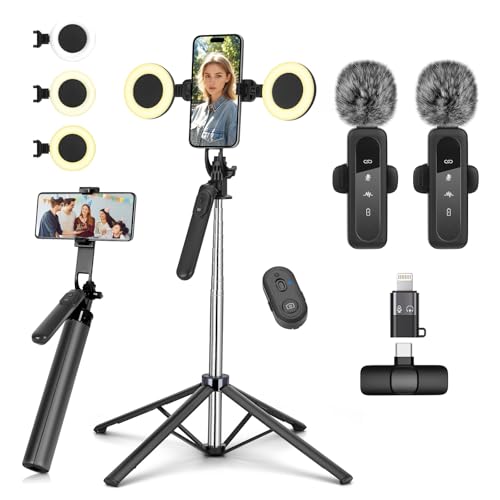
180cm Selfie Stick Vlogging Kit with Dual Lights and Wireless Mic
Original price was: £35.99.£32.99Current price is: £32.99. *View On Amazon* - Camera Tripods
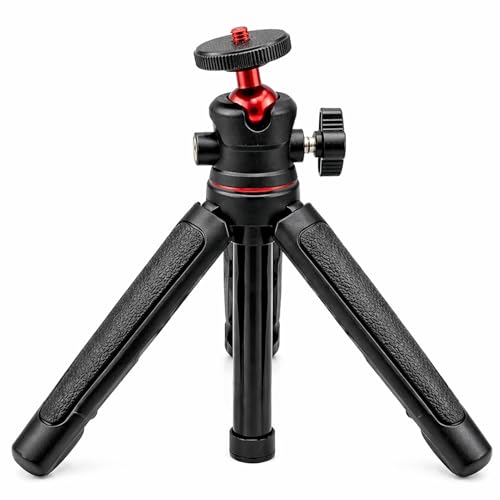
Black Mini Tripod Stand for Portable Cameras and DJI Osmo Pocket
£4.49 *View On Amazon* - Camera Tripods
Ulanzi TT24 Selfie Stick Tripod, Cka Quick Release Action Camera Tripod for DJI Pocket 3 4/DJI Osmo Action 5 4, Camera Tripod for Go Pro/Insta360 X6/X5/X4/X3/Ace Pro/ONE X2, Action Camera Accessory
Original price was: £23.99.£22.79Current price is: £22.79. *View On Amazon* - Camera Tripods
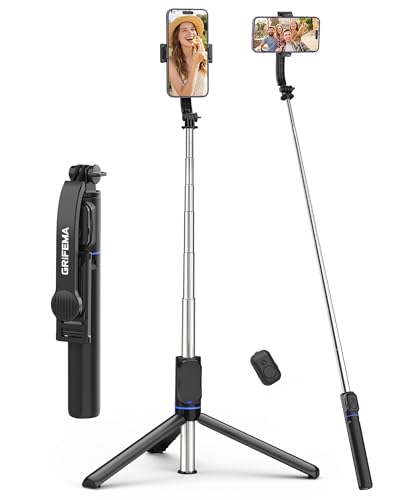
Ulanzi Mini Camera Tripod Selfie Stick with Phone Holder, Black
£8.99 *View On Amazon* - Camera Tripods
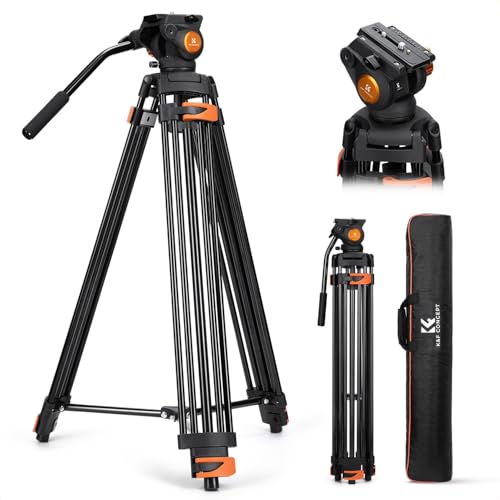
SMALLRIG 73 inch Heavy Duty Aluminium Alloy Video Tripod with Fluid Head
£89.90 *View On Amazon* - Camera Tripods
Aluminium Phone Tripod and Selfie Stick with Wireless Remote, 180 cm
£9.99 *View On Amazon* - Camera Tripods
SIRUI AM-324S+G1 Carbon Fibre Tripod with Low Profile Ball Head
£199.00 *View On Amazon* - Camera Tripods
YZNT Universal Smartphone Tripod Mount with Cold Shoe Adapters
Original price was: £12.99.£8.99Current price is: £8.99. *View On Amazon* - Camera Tripods
POLAM-FOTO 68 Inch Camera Tripod with Phone Holder and 3-Way Head
£21.49 *View On Amazon*









What Is A Camera Tripod Used For?
A camera tripod is used to hold a camera still. It can help reduce blur from hand movement, keep framing consistent and make it easier to shoot long exposures, landscapes, portraits, video, wildlife, product photos and group shots.
Tripods are useful for photographers, video creators, vloggers, outdoor hobbyists, bird watchers, travellers and anyone who wants more control over camera position. They can also help when you want to be in the photo yourself, record from a fixed angle or use slower shutter speeds.
How To Choose The Right Camera Tripod
Start by checking what equipment you need the tripod to support. A compact camera or phone setup may only need a small, lightweight tripod. A DSLR, mirrorless camera or camera with a larger lens may need something stronger and more stable.
Height is one of the first things to compare. A tripod that is too short can be uncomfortable, while one that extends higher can make framing easier. Also check the folded size if you plan to carry it in a bag, take it travelling or use it outdoors.
Stability matters just as much as height. A lightweight tripod is easier to carry, but it may not feel as secure in wind or on uneven ground. A heavier tripod can feel more planted, but it may be less convenient for long walks or casual use.
Lightweight Tripod Or Heavy Duty Tripod?
A lightweight tripod is usually better for travel, walking, casual photography and days when you need to carry your kit for longer periods. The main benefit is portability. The trade off is that very light tripods may be less stable with larger cameras or in rough outdoor conditions.
A heavy duty tripod is better when stability matters more than weight. It may suit larger cameras, long lenses, studio style work, wildlife photography, video setups or repeated use in one location. The trade off is that it can be bulkier and less comfortable to carry.
For many buyers, the best tripod is the one that gives enough stability without becoming too awkward to take with you.
Tripod Head Types To Compare
The tripod head affects how easily you move, angle and lock the camera. A ball head is simple, compact and quick to adjust, which makes it useful for general photography and travel. A pan and tilt head gives more controlled movement in separate directions, which can be helpful for precise framing.
For video, smooth movement is important. A tripod head that pans cleanly can make footage look more controlled. For still photography, quick adjustment and secure locking may matter more.
Also check whether the tripod uses a quick release plate. This can make it faster to attach and remove your camera, especially if you regularly switch between handheld shooting and tripod use.
Key Features To Compare
When comparing camera tripods, look at maximum load, height range, folded size, weight, leg sections, locking style, tripod head type, quick release system, centre column, feet and overall stability.
Maximum load is important because the tripod needs to support your camera and lens safely. Folded size matters for travel. Leg locks affect how quickly you can set up. Rubber feet may suit hard surfaces, while more grip can help outdoors depending on the design.
For outdoor photography, also think about uneven ground, wind and how easy the tripod is to adjust while wearing gloves or carrying other equipment. A tripod that is quick and comfortable to use is more likely to come with you.
Beginner, Traveller Or Serious Photographer?
Beginners should usually look for a simple tripod that is easy to set up, stable enough for their camera and comfortable to carry. It does not need to be the most advanced model if it helps you take sharper photos and steadier video.
Travellers may prefer compact, lightweight tripods that fold down small and fit easily in a bag. Serious photographers may need stronger support, smoother adjustment, better materials and a tripod head that matches their style of shooting.
The right camera tripod is not always the tallest, heaviest or most expensive one. It is the tripod that suits your camera, your activity and how often you will actually use it.
Why Buy Camera Tripods From YPC?
At YPC, we have used a lot of outdoor equipment ourselves in real activity settings, so we understand why practical support gear matters. A tripod needs to be steady, easy to carry and simple to use when you are actually outside with your camera.
Browse the Camera Tripods range, compare the options and choose the tripod that fits your camera, your content and the way you shoot.
Camera Tripods FAQs
What is a camera tripod used for?
A camera tripod holds your camera steady for sharper photos, smoother video and more controlled framing. It is useful for landscapes, portraits, low light shots, product photos, wildlife, travel and content creation.
How do I choose the right camera tripod?
Choose based on your camera weight, lens size, height needs, portability and where you plan to use it. Stability, folded size, tripod head type and ease of setup are also important.
Do I need a tripod for photography?
You do not always need one, but a tripod is very useful when you want sharper low light photos, steady landscapes, consistent framing, long exposures, group shots or hands free shooting.
Are lightweight tripods stable enough?
Lightweight tripods can be stable enough for smaller cameras and casual use. Larger cameras, long lenses, windy conditions or uneven ground may need a stronger tripod with better support.
What is the difference between a ball head and a pan and tilt head?
A ball head is quick and compact, making it useful for general photography. A pan and tilt head gives more controlled movement in separate directions, which can help with precise framing and some video use.
Can I use a camera tripod for video?
Yes, many camera tripods can be used for video. For smoother filming, look for a tripod head that allows controlled panning and stable movement rather than just basic still photo support.
What tripod height do I need?
Choose a tripod height that lets you frame comfortably without constantly bending down. Also check the folded length if you need the tripod to fit in a bag or carry case.
What does tripod maximum load mean?
Maximum load is the amount of weight the tripod is designed to support. Your camera and lens should sit comfortably within that limit for safer, steadier use.
Are travel tripods worth it?
Travel tripods can be worth it if you need something compact and light enough to carry regularly. The trade off is that very small tripods may offer less height or stability than larger models.
Camera Tripods Buyers Guide
An overview of how tripod load capacity, head types, and stability features affect support performance for photography and video.
 Getting ready for Summer? View our Home and Garden Products

Heading outdoors this winter? Take a look at our Outdoor Clothing.