
Mineral Supplements
Mineral supplements are designed to help people add specific minerals to their diet where suitable. Whether you are looking for magnesium, zinc, iron, calcium, potassium, selenium or a multi mineral product, the right supplement should be chosen carefully around your diet, lifestyle, suitability and product label guidance.
This category can include single mineral supplements, multi mineral blends, tablets, capsules, powders, liquids, sprays and gummies, depending on the products listed. Ingredients, strengths, serving sizes and suitability vary widely, so always check the label, allergens, dosage guidance and warnings before buying or using any mineral supplement.
For guidance on comparing mineral supplement formats, forms and suitability considerations, see our Mineral Supplements Buyers Guide.
- Mineral Supplements
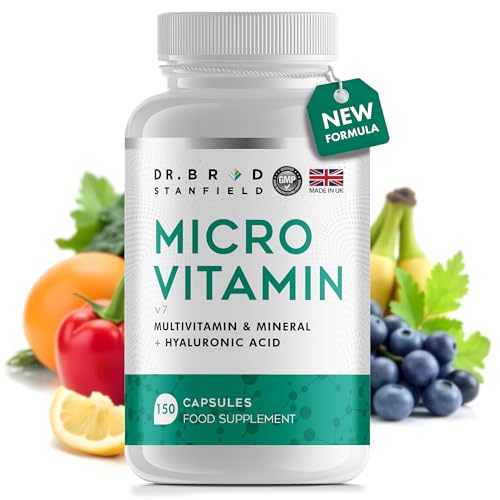
Dr Brad Stanfield Daily Low Dose Multivitamin & Mineral for Men & Women 150 Count
£45.00 *View On Amazon* - Mineral Supplements
CALIGOLD Health Super Ultra Multivitamins and Minerals Orange Flavour Daily Supplement
£26.75 *View On Amazon* - Mineral Supplements
Multivitamin and Mineral Tablets with Turmeric, Vegan, 180 Count
£15.79 *View On Amazon* - Mineral Supplements
Warrior Multivitamin 60-Day Supply Once-Daily A-Z Multivitamins and Minerals Supplement Tablets
Original price was: £6.39.£5.26Current price is: £5.26. *View On Amazon* - Mineral Supplements
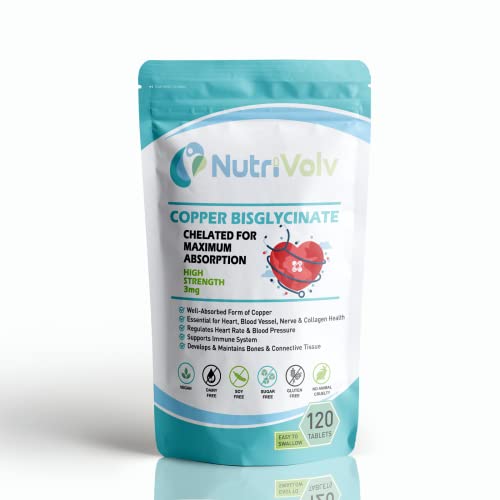
Copper Bisglycinate 3mg Vegan Chelated Tablets – 120 Tablets
£7.99 *View On Amazon* - Mineral Supplements
Oxford Origins A-Z Multivitamins and Minerals, 60 Tablets
£6.95 *View On Amazon* - Mineral Supplements
Centrum Performance Tablets Multivitamin & Mineral Supplements 30 ct
Original price was: £6.93.£6.53Current price is: £6.53. *View On Amazon* - Mineral Supplements
Bone Complex Supplement with Collagen, Calcium, Magnesium, Vitamin D3, K2 & Zinc
£19.99 *View On Amazon* - Mineral Supplements
Magnesium Glycinate 4-in-1 Complex – 180 Vegan Capsules
Original price was: £15.99.£13.49Current price is: £13.49. *View On Amazon* - Mineral Supplements
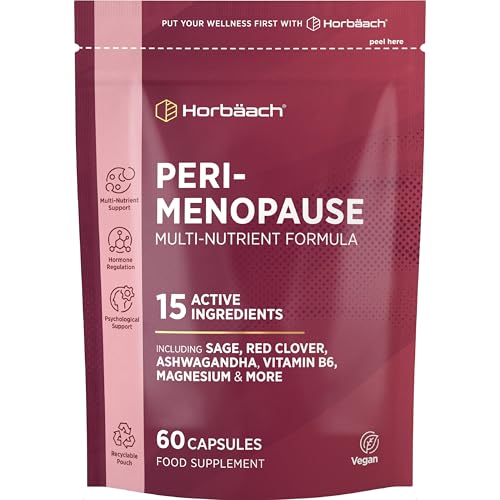
Horbaach Perimenopause Supplement for Women – 60 Vegan Capsules
£9.89 *View On Amazon* - Mineral Supplements
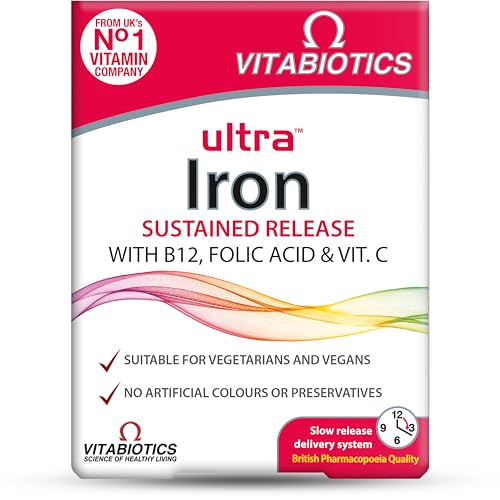
Vitabiotics Ultra Iron Tablets with Vitamin C, B12 and Folic Acid
Original price was: £3.85.£3.64Current price is: £3.64. *View On Amazon* - Mineral Supplements
Earthier Organic Whole Food Multi Vitamin & Mineral Supplement – Vegan, 60 Capsules
£14.45 *View On Amazon* - Mineral Supplements
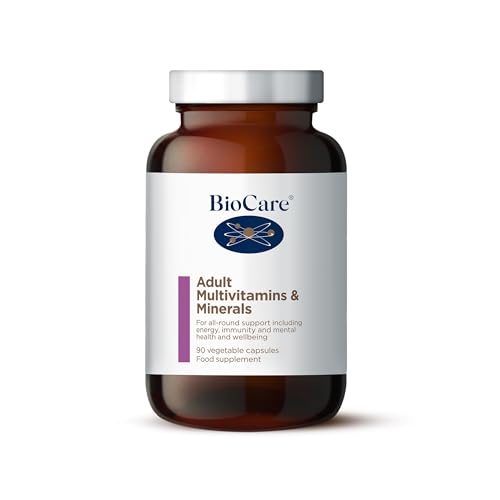
BioCare Adult Multivitamins & Minerals – One-A-Day Vegan Formula – 90 Capsules
£38.75 *View On Amazon* - Mineral Supplements
Nootro Essentials Magnesium 3-in-1 Capsules, 60 Servings
Original price was: £12.99.£9.99Current price is: £9.99. *View On Amazon* - Mineral Supplements
Multivitamins & Minerals – 450 Vitamin Tablets Value Pack
£9.99 *View On Amazon* - Mineral Supplements
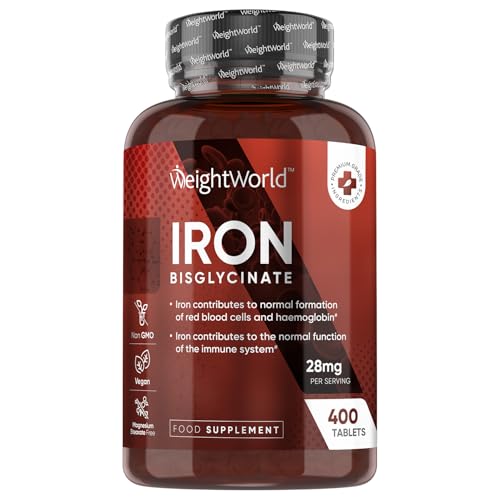
WeightWorld Iron Supplements for Women & Men 28 mg – 400 Tablets
Original price was: £12.99.£9.99Current price is: £9.99. *View On Amazon* - Mineral Supplements
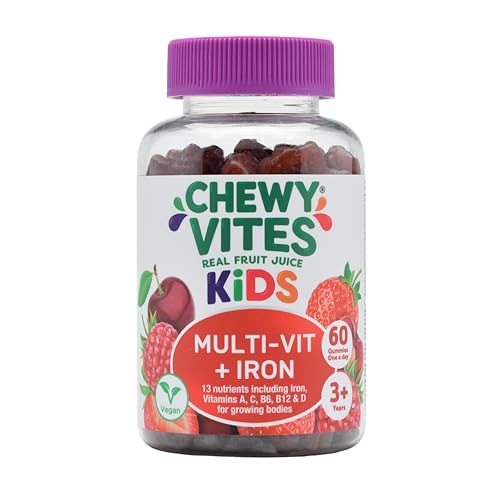
Chewy Vites Kids Multi-Vitamin + Iron Gummies, 60 Count, Berries Flavour, Age 3+
£11.72 *View On Amazon* - Mineral Supplements
Multivitamin Capsules for Men – A-Z Vitamin & Mineral Complex – 60 Capsules
Original price was: £9.99.£8.49Current price is: £8.49. *View On Amazon* - Mineral Supplements
Bio-Health Extra Mineral Complex Food Supplement 60 Capsules
£9.99 *View On Amazon* - Mineral Supplements
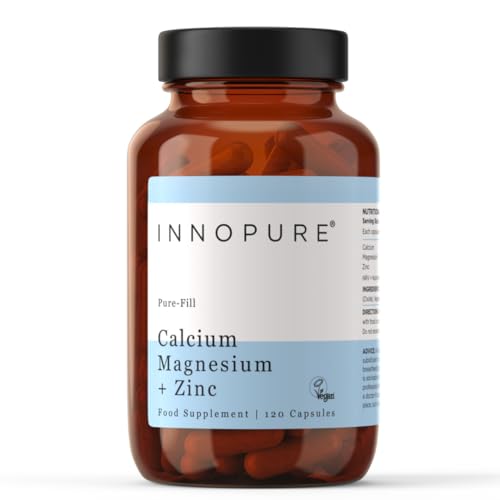
INNOPURE Calcium, Magnesium & Zinc Capsules, 120 Capsules
Original price was: £18.80.£14.99Current price is: £14.99. *View On Amazon* - Mineral Supplements
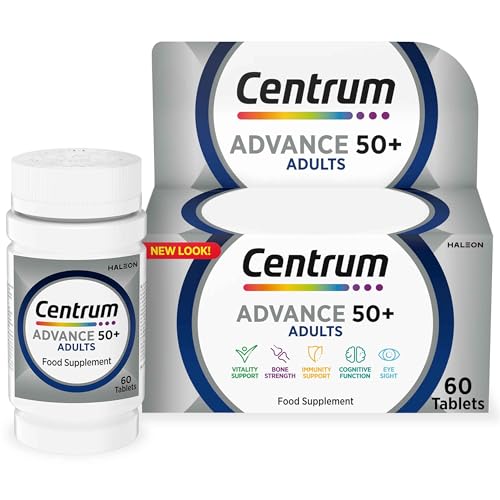
Centrum Advance 50+ Multivitamin & Mineral Tablets 60 ct
£11.49 *View On Amazon*











What Are Mineral Supplements?
Mineral supplements are nutrition products that provide minerals in a measured serving format. Minerals are nutrients found naturally in foods and drinks, and supplements are used when someone wants a convenient way to add a listed mineral to their routine.
They are not a replacement for a varied, balanced diet and should not be used as a treatment for health problems unless advised by a suitable healthcare professional. The best choice depends on the individual, the product and the reason for using it.
What Are Mineral Supplements Used For?
Mineral supplements are used to support dietary intake where suitable. Some people use them as part of everyday nutrition routines, while others may use them because their diet, activity level, age, lifestyle or professional advice suggests a need for a particular mineral.
For example, some buyers may compare magnesium supplements, calcium products, zinc tablets or iron supplements where listed. Others may prefer a multi mineral supplement that combines several minerals in one product.
Suitability matters. A mineral supplement that is right for one person may not be right for another, especially if medical conditions, medication, pregnancy, breastfeeding or existing supplement use are involved.
How To Choose The Right Mineral Supplement
Start by identifying the mineral you actually need. Avoid choosing a product simply because it is popular. If you are unsure whether you need a particular mineral, it is sensible to seek appropriate advice before adding it regularly.
Next, check the amount per serving. Mineral supplements can vary significantly in strength. More is not automatically better, and some minerals can be unsuitable or harmful if taken in excessive amounts.
Also compare the format. Tablets and capsules are common, while powders, liquids, sprays and gummies may be easier for some people to use. The best format is one that suits the label guidance and your routine.
Key Features To Compare
Mineral type is the first feature to compare. Products may contain one mineral or a blend of several minerals, depending on the listing.
Serving size is also important. Check how many tablets, capsules, scoops or drops make one serving, and how often the product is intended to be taken.
Form of mineral may matter where listed. Some products may use different mineral forms, such as citrate, oxide, gluconate or bisglycinate, depending on the product. These can vary by use, tolerance and formulation, so read the label carefully.
Other useful features to compare include strength, number of servings, added vitamins, flavour, sweeteners, allergens, vegan suitability where listed, vegetarian suitability where listed, gluten free wording where stated, sugar content in gummies and storage guidance.
Single Mineral Supplements Compared With Multi Mineral Supplements
Single mineral supplements contain one main mineral, such as magnesium, zinc, iron or calcium where listed. They may be useful when someone wants to focus on a specific nutrient.
Multi mineral supplements combine several minerals in one product. They can be convenient, but they may not provide the same amount of each mineral as a single mineral supplement.
The main trade off is targeted support versus convenience. A single mineral product may be better when you are looking for one specific mineral, while a multi mineral product may suit buyers who want a broader supplement format where suitable.
Mineral Supplements Compared With Multivitamins
Mineral supplements focus mainly on minerals. Multivitamins usually focus on vitamins and may also include minerals where listed.
A multivitamin with minerals may be convenient, but it may not provide the same level of a particular mineral as a dedicated supplement. A mineral supplement may be more specific, but it should still be checked carefully against any other products you already take.
The main choice is broad daily supplementation versus targeted mineral intake. Always avoid doubling up on the same nutrients without checking the labels.
Mineral Supplements Compared With Food Sources
Food sources can provide minerals alongside other nutrients, fibre, protein, fats and carbohydrates depending on the food. A varied diet should usually be the foundation of nutrition.
Mineral supplements are convenient when someone wants a measured serving or has been advised to consider a particular mineral. They can be useful, but they should not be treated as a substitute for proper meals.
The main trade off is whole food variety versus supplement convenience. If your diet already provides enough of a mineral, an extra supplement may not be necessary.
Guidance For Beginners, Regular Users And Active People
Beginners should keep things simple. Start by reading labels, understanding serving sizes and avoiding unnecessary combinations of supplements.
Regular users should review what they take from time to time. It is easy to overlap minerals if you use multivitamins, sports supplements, fortified foods and separate mineral tablets.
Active people may compare minerals as part of a wider nutrition routine, especially alongside hydration, protein, energy intake and recovery. However, exercise alone does not mean every mineral supplement is needed. Choose based on diet, suitability and product guidance.
Use Cases By Lifestyle And Routine
For everyday nutrition routines, mineral supplements may be used where someone wants a consistent and convenient product, provided it suits their needs.
For busy lifestyles, tablets, capsules or gummies may be easier to fit into a morning or evening routine where suitable.
For sports and fitness routines, some people may compare minerals alongside electrolyte products, protein supplements or recovery products. Always check overlap between products.
For vegan or vegetarian diets, certain mineral supplements may be considered where suitable, but suitability depends on the individual diet and the product ingredients.
For older adults, pregnant people, breastfeeding people, teenagers or those with medical concerns, professional advice is especially important before using mineral supplements regularly.
Ingredients, Allergens And Dietary Suitability
Always check the ingredient list before buying. Mineral supplements may include fillers, binders, coatings, flavourings, sweeteners, colourings or added nutrients depending on the product.
Allergen information should be checked carefully. Products may contain or be produced around milk, soya, gluten, nuts, peanuts, sesame, egg or other allergens where listed.
Dietary claims such as vegan, vegetarian, gluten free, dairy free, halal or kosher should only be relied on where clearly stated on the product listing or packaging.
Dosage, Timing And Safe Use
Always follow the serving guidance on the product label. Do not exceed the recommended amount unless advised by a suitable healthcare professional.
Some minerals may need to be taken with food, away from certain medicines or separately from other supplements where stated. Timing guidance can vary by product, so read the instructions carefully.
If you take medication, have a health condition, are pregnant, breastfeeding, under 18 or buying for someone vulnerable, seek suitable advice before use.
Stop using a supplement and seek advice if you experience unwanted effects or have concerns.
Tablets, Capsules, Powders, Liquids And Gummies
Tablets and capsules are common and often simple to store. They may suit people who want a straightforward daily routine.
Powders and liquids may be useful for buyers who prefer mixing a drink or adjusting a serving according to the label guidance. They can also vary in flavour and texture.
Gummies can be easier for some people to take, but they may contain sugar, sweeteners or flavourings where listed. Check the nutrition and ingredient details carefully.
The right format is the one that suits the person, the product guidance and regular use.
Storage And Practical Use
Follow the storage instructions on the packaging. Many supplements should be kept sealed, dry and away from heat, moisture and direct sunlight.
Keep mineral supplements out of reach of children. Gummies, flavoured tablets and liquids can look appealing, so safe storage is especially important.
Check the use by date before taking any supplement. Do not use products if the seal is broken, packaging is damaged, tablets have changed appearance or the product smells unusual.
Careful Buying Tips
Compare mineral supplements by the full label, not just the front of the pack. Look at mineral type, amount per serving, serving size, number of servings, added ingredients, allergens and warnings.
Check whether you already get the same mineral from other supplements. Taking a multivitamin, electrolyte product and separate mineral supplement together may lead to overlap.
Avoid buying large quantities until you know the product suits your routine, taste and tolerance where relevant.
Useful Accessories To Consider
Useful accessories may include pill organisers, water bottles, shaker bottles where suitable, supplement storage containers, food diaries and meal planning tools.
For people using several supplements, a simple organiser can help avoid missed or duplicated servings. For powders or liquids, a suitable bottle or measuring tool may be useful where compatible with the product guidance.
Why Buy From YPC?
At YPC, we understand active lifestyles and the need for practical products that work in real use. Mineral supplements can vary by mineral type, strength, format, serving size, ingredients, allergens, dietary suitability and storage guidance, so it helps to compare the details carefully before choosing.
YPC makes it easier to browse mineral supplements in a practical way, with options that can be compared by listed features, personal needs and everyday routines. Whether you are buying magnesium, zinc, iron, calcium, multi mineral products or other mineral supplements, you can browse and compare mineral supplements at YPC to find suitable options for your routine.
FAQs
What are mineral supplements?
Mineral supplements are nutrition products that provide minerals in a measured serving format. They may come as tablets, capsules, powders, liquids, sprays or gummies depending on the product.
Do I need mineral supplements?
Not everyone needs mineral supplements. They may be useful where suitable, but the need depends on diet, lifestyle, health, age and professional advice. Check suitability before regular use.
What minerals are commonly found in supplements?
Common mineral supplements may include magnesium, zinc, iron, calcium, potassium, selenium, iodine and multi mineral blends, depending on the products listed.
Are mineral supplements the same as vitamins?
No. Minerals and vitamins are different types of nutrients. Some products combine both, but a mineral supplement usually focuses mainly on minerals.
Can I take mineral supplements with a multivitamin?
You should check the labels carefully before combining them. Some multivitamins already contain minerals, and taking extra may not be suitable for everyone.
Are mineral supplements safe for everyone?
No supplement is suitable for everyone. People who are pregnant, breastfeeding, taking medication, managing medical conditions or buying for children should seek suitable advice before use.
What should I check before buying mineral supplements?
Check mineral type, amount per serving, serving size, ingredients, allergens, warnings, dietary suitability, storage instructions and whether the product overlaps with supplements you already take.
Are gummy mineral supplements effective?
Gummy mineral supplements may be suitable for some people where the label supports the intended use, but ingredients, sugar content and mineral amount can vary. Compare the product details carefully.
Can mineral supplements replace a healthy diet?
No. Mineral supplements should not replace a varied, balanced diet. They are best treated as support products where suitable.
How should mineral supplements be stored?
Follow the product storage instructions. Keep them sealed, dry, away from heat and moisture, and out of reach of children.
 Getting ready for Summer? View our Home and Garden Products

Heading outdoors this winter? Take a look at our Outdoor Clothing.