
Cat Treats
Cat treats are small food products used to reward, encourage, entertain or add variety to a cat’s routine. They can be useful for training, bonding, grooming support, playtime, travel, medication routines where suitable, and general enrichment, depending on the product type and feeding guidance listed.
The right cat treat should suit your cat’s age, diet, texture preference and health needs. Ingredients, portion guidance, treat type, feeding frequency, storage and suitability are all worth comparing before choosing.
- Cat Treats
Dreamies Cat Treats, Tasty Snacks with Scrumptious Salmon and heavenly Tuna, 8 Pouches of 60 g
Original price was: £10.49.£9.64Current price is: £9.64. *View On Amazon* - Cat Treats
Thrive 100% Chicken Snacks Maxitube Cat Snacks, 200g
Original price was: £21.99.£21.29Current price is: £21.29. *View On Amazon* - Cat Treats
Scrumbles Chicken Krunchies, Pillow Cat Treats, 60g
Original price was: £1.50.£1.00Current price is: £1.00. *View On Amazon* - Cat Treats
Scrumbles Calming Krunchies Cat Treats
Original price was: £1.50.£1.00Current price is: £1.00. *View On Amazon* - Cat Treats
Dreamies Cat Treats, Tasty Snacks with Delicious Tuna Flavour, Pack of 2 (2 x 350 g)
Original price was: £14.19.£8.85Current price is: £8.85. *View On Amazon* - Cat Treats
Pets Purest Cat Treats, 100% Chicken Freeze Dried Cat Treats, High Protein – Low Fat Treat for Cats & Kittens 50g
Original price was: £9.99.£6.99Current price is: £6.99. *View On Amazon* - Cat Treats
PACK’N PRIDE Freeze Dried Cat Treats, 4 Pack*30g=120g for Indoor Cats with Natural Chicken Breast Meat, Grain-Free, Low-fat Cat Snacks
Original price was: £11.99.£9.99Current price is: £9.99. *View On Amazon* - Cat Treats
VETIQ Healthy Bites Hairball Relief Treats For Cats & Kittens 12+ Weeks, Tasty Supplements to Help Prevent & Remove Hairballs, 65 g (Pack of 4)
Original price was: £9.20.£7.99Current price is: £7.99. *View On Amazon* - Cat Treats
Dreamies Cat Treat, Tasty Snack with Exquisite Salmon Flavor, Pack of 2 (2 x 350 g)
Original price was: £12.39.£10.09Current price is: £10.09. *View On Amazon* - Cat Treats
Webbox Cats Delight Mini Mix (Pack of 16)
Original price was: £4.35.£4.11Current price is: £4.11. *View On Amazon* - Cat Treats
WHISKAS Temptations – Tasty, Crunchy Treats for Adult Cats, Small Bite Size Snacks with a Delicious Chicken and Cheese Filling, 4 x 180 g Packets – Pack May Vary
Original price was: £13.16.£9.64Current price is: £9.64. *View On Amazon*


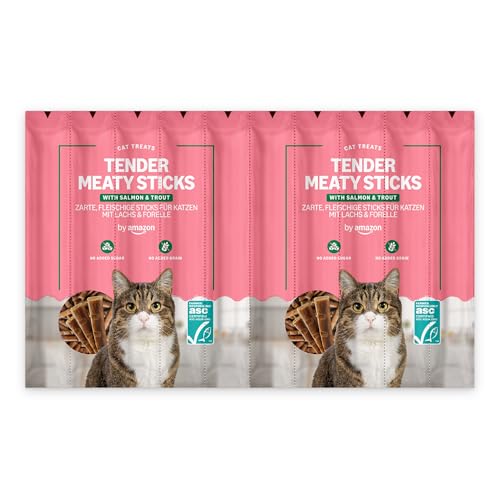
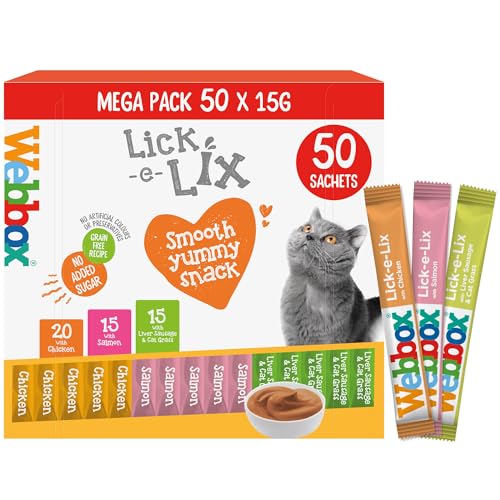


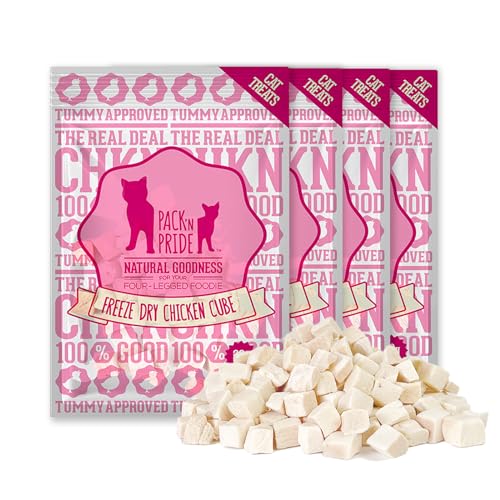
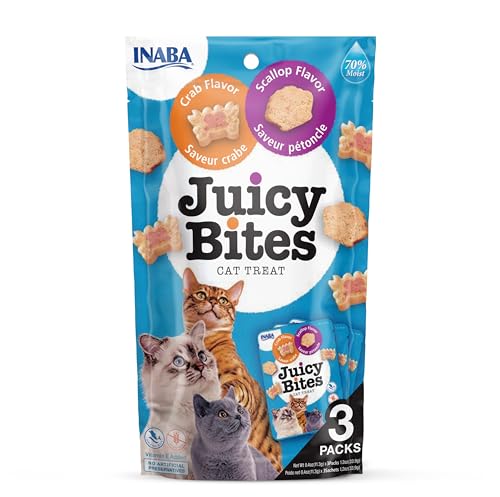


What Are Cat Treats?
Cat treats are food items made for cats and usually given in smaller amounts than regular cat food. They may include crunchy treats, soft treats, lickable treats, dental treats, freeze dried treats, filled treats, catnip treats, training treats and treat sticks, depending on the products listed.
Some cat treats are designed mainly for taste and reward. Others may include features linked to dental care, hairball support, skin and coat care, digestion or calming where listed. These products should still be used carefully and according to the instructions.
Cat treats are not always complete meals. Unless a product is clearly described as complete food, treats should normally be used alongside a suitable daily cat food and fresh water.
What Are Cat Treats Used For?
Cat treats are used to reward good behaviour, encourage training, support bonding and add variety to a cat’s day. They can also be useful when helping a cat feel more comfortable with grooming, nail trimming, carrier training or new routines.
For indoor cats, treats can be used with puzzle feeders, toys or hiding games to encourage activity and enrichment. For outdoor cats, treats can help with recall, routine and positive association where suitable.
Some owners use treats as a small daily reward, while others keep them for training or special moments. The key is to feed them in suitable amounts and choose products that match your cat’s needs.
How To Choose The Right Cat Treats
Start by checking that the treat is made for cats. Dog treats, human snacks and general household foods are not always safe or suitable for cats. Always choose products clearly intended for feline feeding.
Next, think about texture. Some cats prefer crunchy treats, while others enjoy softer bites or lickable treats. Older cats or cats with dental issues may need softer options where suitable, but any ongoing eating difficulty should be checked by a vet.
Ingredients are also important. If your cat has sensitivities, a special diet or a known health condition, read the product information carefully. Avoid changing treats suddenly if your cat has a sensitive stomach.
Also check feeding guidance. Treats should be given in moderation and should not replace balanced daily meals unless the product is specifically designed for that purpose.
Key Features To Compare
When comparing cat treats, look at flavour, texture, ingredients, life stage suitability, feeding instructions, pack size, storage guidance and whether the product is a treat, supplement style treat or complete food where listed.
Texture affects how easy the treat is to eat. Crunchy treats may appeal to some cats and may be used for reward based feeding. Soft or lickable treats can be useful for cats that prefer gentler textures, depending on the product.
Pack size matters too. Larger packs can be practical for multi cat homes or regular use, but only if the treats can be stored properly and used while fresh.
If a product mentions dental, hairball, skin, coat, calming or digestive support, check the details carefully. These treats can support a routine where suitable, but they should not replace veterinary care if a cat has symptoms or health concerns.
Cat Treats Compared With Cat Food And Supplements
Cat treats are different from everyday cat food because they are usually fed in small amounts. They are mainly used for reward, variety or enrichment, while complete cat food is designed to provide daily nutrition where stated.
Cat supplements are different again. They are often used for a more specific nutritional or health related purpose and may have more detailed feeding instructions. Some treat style products may include supplement like features where listed, but suitability should be checked carefully.
The trade off is simple. Treats can make routines easier and more enjoyable, but too many can affect appetite, weight or diet balance. Use them as part of a sensible feeding routine rather than as the main food source.
Guidance For Kittens Adult Cats And Senior Cats
For kittens, choose treats that are clearly suitable for their age where listed. Kittens have smaller mouths and developing digestive systems, so treat size, texture and feeding amount should be checked carefully.
For adult cats, choose treats based on preference, diet and routine. Some cats enjoy crunchy rewards, while others prefer soft or lickable treats. Introduce new treats gradually to see how your cat responds.
For senior cats, softer textures may be easier for some cats where suitable. Older cats may also have dental, kidney, weight or digestive issues, so check with a vet if you are unsure whether a treat is appropriate.
For cats on special diets, do not assume ordinary treats are suitable. Always check ingredients and feeding guidance, especially if your cat is on veterinary recommended food.
Use Cases By Feeding Routine
For training, small treats can be useful because they can be given quickly and repeatedly in small amounts. Choose a treat that your cat enjoys and that is easy to portion.
For grooming, treats can help create a positive association with brushing, handling or nail checks. Keep sessions calm and short, especially with nervous cats.
For enrichment, treats can be used in puzzle toys, treat balls, hiding games or scatter feeding where suitable. This can help encourage natural searching behaviour and keep indoor cats more engaged.
For travel or carrier training, treats may help make the carrier feel less stressful. Place treats near or inside the carrier as part of a gradual routine, depending on your cat’s confidence.
For multi cat homes, treats can be used to reward each cat separately. This helps prevent one cat from taking more than its share and makes it easier to monitor eating.
Fit Compatibility And Practical Feeding
Cat treats should suit your cat’s size, chewing ability and diet. Large treats may need breaking into smaller pieces where suitable, while very small treats may be better for training or frequent reward use.
If using treats with puzzle feeders or toys, check that the treat size and shape fit the product. Treats that are too large may jam, while treats that are too small may fall out too quickly.
If hiding treats around the home, place them in clean, safe areas. Avoid hiding food where it may become stale, attract pests or be difficult to find later.
Treats should be given alongside fresh water. If your cat eats mostly dry treats or dry food, water access remains especially important.
Safety Hygiene Care And Storage
Feed cat treats according to the product guidance. Giving too many treats can upset diet balance or contribute to weight gain, especially for indoor cats or less active cats.
Check treats before feeding. Do not use products that smell unusual, look mouldy, have changed texture or are past their use guidance. Keep packaging closed properly after opening.
Store treats in a clean, dry place away from heat, damp, direct sunlight and pests. Some treats may have specific storage instructions where listed, especially soft, moist or opened products.
Keep treats away from dogs, children and cats that may chew through packaging. If your cat eats a large amount unexpectedly, or reacts badly to a treat, seek veterinary advice.
Useful Accessories To Consider
Useful accessories can include cat bowls, slow feeders, puzzle feeders, treat balls, food storage containers, cat toys, grooming brushes, cat carriers and water bowls where suitable.
For training and enrichment, puzzle toys and treat dispensers can make treats more engaging. For daily feeding routines, sealed storage containers can help keep treats tidy and fresher for longer.
For grooming or carrier training, keeping a small treat pouch nearby can make positive reward routines easier to repeat.
Why Buy Cat Treats From YPC?
At YPC, we understand active lifestyles and the need for practical products that work in real use. Cat treats can vary by texture, flavour, ingredients, pack size, life stage suitability, feeding guidance and intended purpose, so comparing the details helps you choose with more confidence.
YPC helps you browse cat treats with real home routines in mind, whether you are buying for training, enrichment, bonding, grooming support, indoor cats, kittens, senior cats or multi cat households. Explore the Cat Treats category to browse the available options and compare the features that matter most for your cat.
FAQs
What are cat treats used for?
Cat treats are used for rewards, training, bonding, enrichment and adding variety to a cat’s routine. They should usually be fed in small amounts alongside suitable daily cat food.
Can cats have treats every day?
Some cats can have treats daily where the product guidance allows it, but portions should be controlled. Treats should not replace balanced meals or make up too much of the diet.
Are cat treats suitable for kittens?
Some cat treats may be suitable for kittens where stated. Always check the age guidance, treat size, texture and feeding instructions before giving treats to a kitten.
What type of cat treat should I choose?
Choose based on your cat’s age, texture preference, diet, health needs and how you plan to use the treat. Crunchy, soft, lickable and training treats all suit different routines.
Are dental cat treats enough for dental care?
Dental treats may support a care routine where listed, but they do not replace veterinary dental checks or treatment. Speak to a vet if your cat has bad breath, pain, bleeding gums or eating difficulty.
Can cat treats help with training?
Yes, small tasty treats can help reward desired behaviour during training. Use tiny portions, keep sessions short and choose treats your cat finds motivating.
How should I store cat treats?
Store cat treats in a clean, dry place with the packaging closed properly. Keep them away from heat, damp, direct sunlight and pests, and follow any storage guidance on the product.
Can cats eat dog treats?
Cats should not be given dog treats unless the product clearly says it is suitable for cats. Cats have different dietary needs, so it is safer to choose treats made specifically for cats.
 Getting ready for Summer? View our Home and Garden Products

Heading outdoors this winter? Take a look at our Outdoor Clothing.