BUYERS GUIDE
Coffee Machines Buyers Guide
Coffee Machines are kitchen appliances designed to make coffee at home using formats such as coffee beans, ground coffee, capsules, pods or filter coffee, depending on the machine type. They are often bought by people who want better daily coffee, more convenience, fewer café trips, drinks for guests or a simple morning routine.
This guide helps you choose the right coffee machine by explaining the practical details that matter before buying. The right choice depends on the type of coffee you enjoy, how much control you want, how many drinks you make, whether you need milk frothing, how much space you have and how much cleaning you are willing to do.
A coffee machine is not just about making coffee. Some models focus on speed and convenience, while others give more control over grind, strength, extraction, milk texture and drink style. The best choice is the one that fits your taste, routine and kitchen space.
Specifications vary by model, so always check the individual product page before buying.
Quick Answer
The right Coffee Machine is the one that matches how you like to drink coffee and how much effort you want each day. Capsule and pod machines can be convenient for quick drinks, filter coffee machines may suit larger batches, manual espresso machines suit buyers who want more control, and bean to cup machines may suit fresh coffee with less manual preparation. If you enjoy lattes, cappuccinos or flat whites, check milk frothing options carefully. Always compare machine type, coffee compatibility, water tank size, cleaning needs, counter space, accessories and product page details before buying.
Quick Product Comparison Framework
| Feature | What It Means | Why It Matters | What To Check |
|---|---|---|---|
| Machine type | Capsule, pod, filter, espresso, bean to cup or multi drink machine | Different types suit different routines | Match the machine to your preferred coffee style |
| Coffee format | Beans, ground coffee, capsules, pods or filter coffee | Affects taste, cost, convenience and availability | Check compatible coffee format before buying |
| Drink choice | Espresso, filter coffee, americano, latte or cappuccino where supported | Not every machine makes every drink type | Check the listed drink options |
| Milk frothing | Steam wand, automatic milk system or separate frother where included | Important for milk based drinks | Check how milk is prepared and cleaned |
| Grinder | Built in grinder where included | Useful for bean to cup or fresh ground coffee | Check grinder settings and care guidance |
| Water tank size | How much water the machine holds | Larger tanks reduce refilling | Check tank capacity and access |
| Cup size clearance | Space beneath the coffee outlet | Affects mug, espresso cup or travel cup use | Check adjustable height details where listed |
| Controls | Buttons, dials, touch controls or smart features where available | Affects daily ease of use | Choose controls that suit your routine |
| Cleaning | Descaling, rinsing, milk system cleaning and removable parts | Coffee machines need regular care | Check cleaning guidance before buying |
| Worktop space | Width, depth and height of the appliance | Coffee machines can be bulkier than expected | Check dimensions carefully |
| Noise | Grinding, pumping and milk frothing can make sound | Important in shared homes and early mornings | Consider where it will be used |
| Running costs | Coffee format, filters, descaler and accessories | Ongoing costs vary by machine type | Consider coffee format and maintenance items |
Key Decision Criteria Explained
Machine Type
The first decision is the type of coffee machine you need. Capsule and pod machines are often chosen for convenience. They can suit buyers who want quick, consistent drinks with minimal measuring and preparation.
Filter coffee machines are useful for larger jugs of coffee. They may suit households, home offices or anyone who likes several cups over a morning.
Manual espresso machines suit buyers who want more involvement. They may use ground coffee and give more control over preparation, but they also need more practice and cleaning.
Bean to cup machines grind coffee beans and make drinks through the machine, depending on the model. They can suit people who want fresh coffee with less manual preparation, although they are often larger and need regular maintenance.
Coffee Format
Coffee format affects daily convenience, taste, running costs and storage. Beans can offer freshness and flexibility if the machine has a grinder or if you use a separate grinder. Ground coffee can be practical and widely available, but freshness depends on storage and use.
Capsules and pods are convenient because they are pre measured. The trade off is compatibility and ongoing cost. You need to check which capsules or pods the machine accepts before buying.
Filter coffee machines usually use ground coffee and filters where required. This can be simple and economical for larger amounts, but it may not suit buyers who mainly want espresso style drinks.
Drink Style
Think about what you actually drink. If you usually drink black coffee, a filter machine, capsule machine, espresso machine or bean to cup model may all be worth comparing depending on taste and convenience.
If you drink milk based coffee, such as latte, cappuccino or flat white style drinks, milk preparation becomes more important. Some machines include a steam wand, some include automatic milk systems, and some rely on a separate milk frother.
Do not assume every coffee machine can make every drink. Check the listed drink options and milk features carefully.
Milk Frothing
Milk frothing is a major buying factor if you enjoy milk based drinks. A steam wand can give more manual control, but it takes practice and needs cleaning after use. Automatic milk systems may feel easier, but they can involve more parts to clean.
A separate milk frother can be a practical option if the coffee machine does not include milk features. This may suit buyers who want occasional cappuccinos without choosing a larger machine.
The key trade off is convenience versus cleaning. Milk systems can make lovely drinks, but they need regular care.
Built In Grinder
A built in grinder is usually found on bean to cup machines and some espresso focused machines. It allows the machine to grind beans before brewing, which may appeal to buyers who enjoy fresher coffee.
Grinder settings can affect taste, strength and extraction, but details vary by model. A built in grinder also adds noise, cleaning needs and sometimes extra size.
If you want bean coffee, check grinder settings, bean hopper size, cleaning guidance and whether the machine suits the level of control you want.
Water Tank Size And Access
Water tank size affects how often you refill the machine. A small tank may suit occasional use or compact kitchens, while a larger tank may be more practical for families or several drinks a day.
Access matters too. A rear water tank may be awkward if the machine sits under cupboards. A removable tank can make refilling easier where included.
Check both tank capacity and how it is removed or filled.
Controls And Customisation
Controls should match the user. Some buyers want one button simplicity. Others want adjustable strength, cup size, temperature, grind level or milk settings where available.
More settings can be useful, but they can also make the machine feel complicated. If several people in the home will use the machine, clear controls and repeatable settings may matter more than advanced options.
Choose the machine that fits your daily routine, not the one with the most features on paper.
Cleaning And Descaling
Coffee machines need cleaning. This can include emptying drip trays, cleaning used coffee containers, rinsing milk systems, descaling the water system, cleaning filters and wiping the exterior.
The more complex the machine, the more maintenance it may need. Bean to cup machines and milk systems often need more regular cleaning than simple filter machines or basic capsule machines.
If you want low fuss daily use, cleaning should be one of your main buying checks.
Kitchen Space And Storage
Coffee machines vary widely in size. Some compact capsule machines fit neatly into small kitchens, while bean to cup and espresso machines can take up more worktop space.
Check width, depth and height. Also think about access to the water tank, bean hopper, milk container, drip tray and capsule bin where relevant.
A machine that is awkward to refill or clean because it is squeezed under a cupboard may become frustrating.
Ongoing Costs
The purchase price is only part of the decision. Ongoing costs can include coffee beans, ground coffee, capsules, pods, water filters, descaling solution, milk system cleaner, paper filters or replacement parts where relevant.
Capsules and pods can be convenient, but the cost per drink may differ from beans or ground coffee. Bean to cup machines may cost more upfront but use loose beans.
Think about how many coffees you make each day and what format you are happy to buy regularly.
Product Type Differentiation And Variants
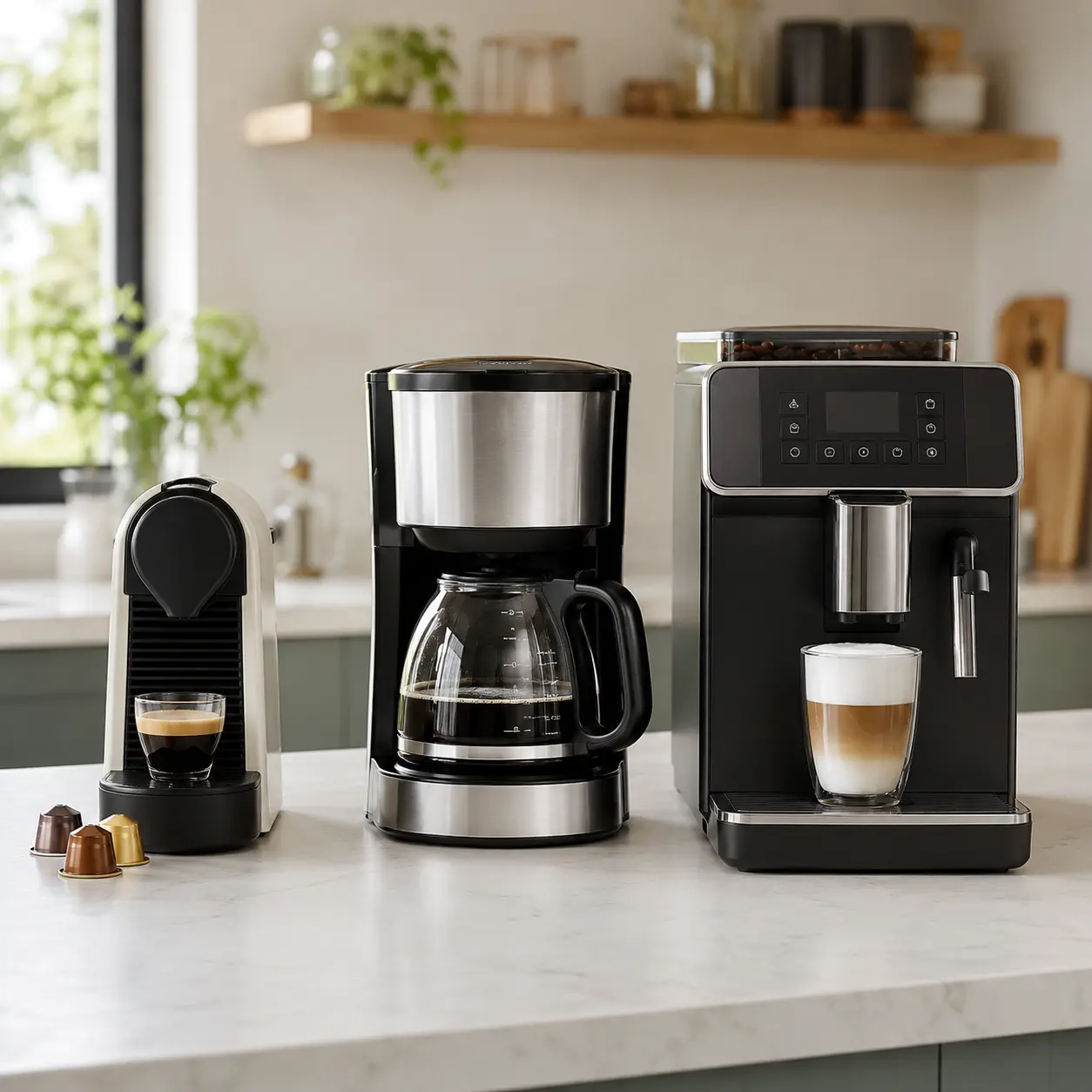
Capsule And Pod Coffee Machines
Capsule and pod coffee machines are designed for convenience. They may suit buyers who want quick drinks with simple setup and minimal measuring.
The limitation is compatibility. You need to check which capsules or pods the machine accepts, and ongoing capsule cost should be considered.
Filter Coffee Machines
Filter coffee machines brew a larger amount of coffee into a jug or carafe. They may suit households, offices, guests or anyone who drinks several cups over time.
The limitation is drink style. They are not usually intended for espresso style drinks or milk based café style drinks unless stated by the product page.
Manual Espresso Machines
Manual espresso machines usually give the buyer more control over ground coffee, tamping, extraction and milk steaming where included.
The limitation is learning curve. They can produce satisfying results, but they require more skill, setup and cleaning than a simple capsule machine.
Bean To Cup Coffee Machines
Bean to cup machines grind coffee beans and prepare coffee through the machine. Some include milk systems or drink presets where stated.
They may suit buyers who want fresh coffee with more automation. The limitation is size, cost, cleaning and grinder noise.
Coffee Machines With Milk Systems
Some coffee machines include automatic milk systems, milk carafes or steam wands. These may suit buyers who regularly drink lattes, cappuccinos or similar milk based drinks.
The limitation is maintenance. Milk parts need careful cleaning to remain practical and hygienic.
Compact Coffee Machines
Compact coffee machines suit small kitchens, occasional use, student spaces or buyers with limited worktop room.
The limitation is that compact models may have smaller tanks, fewer settings or less cup clearance.
Specifications vary by model, so always check the individual product page before buying.
Suitability By Buyer Type Or Need
| Buyer Type Or Need | What To Prioritise | What To Be Careful About |
|---|---|---|
| Quick morning coffee | Simple controls and fast setup | Check cleaning and refill needs |
| Espresso drinker | Espresso focused machine and suitable coffee format | Manual machines may need practice |
| Latte or cappuccino drinker | Milk frothing or milk system | Milk systems need cleaning |
| Family household | Tank size, ease of use and repeatable settings | Small machines may need frequent refilling |
| Small kitchen | Compact footprint and easy access to tank | Check height under cupboards |
| Home office | Larger tank, cup clearance and simple controls | Noise may matter during calls |
| Coffee enthusiast | Grinder settings and manual control where available | More control often means more cleaning |
| Low maintenance buyer | Simple machine type and easy cleaning | Avoid complex milk systems if you will not maintain them |
| Gift buyer | Clear compatibility and simple operation | Avoid specialist machines unless the recipient wants one |
| Buyer watching running costs | Coffee format and maintenance items | Capsules and filters add ongoing costs |
Common Mistakes And Misunderstandings
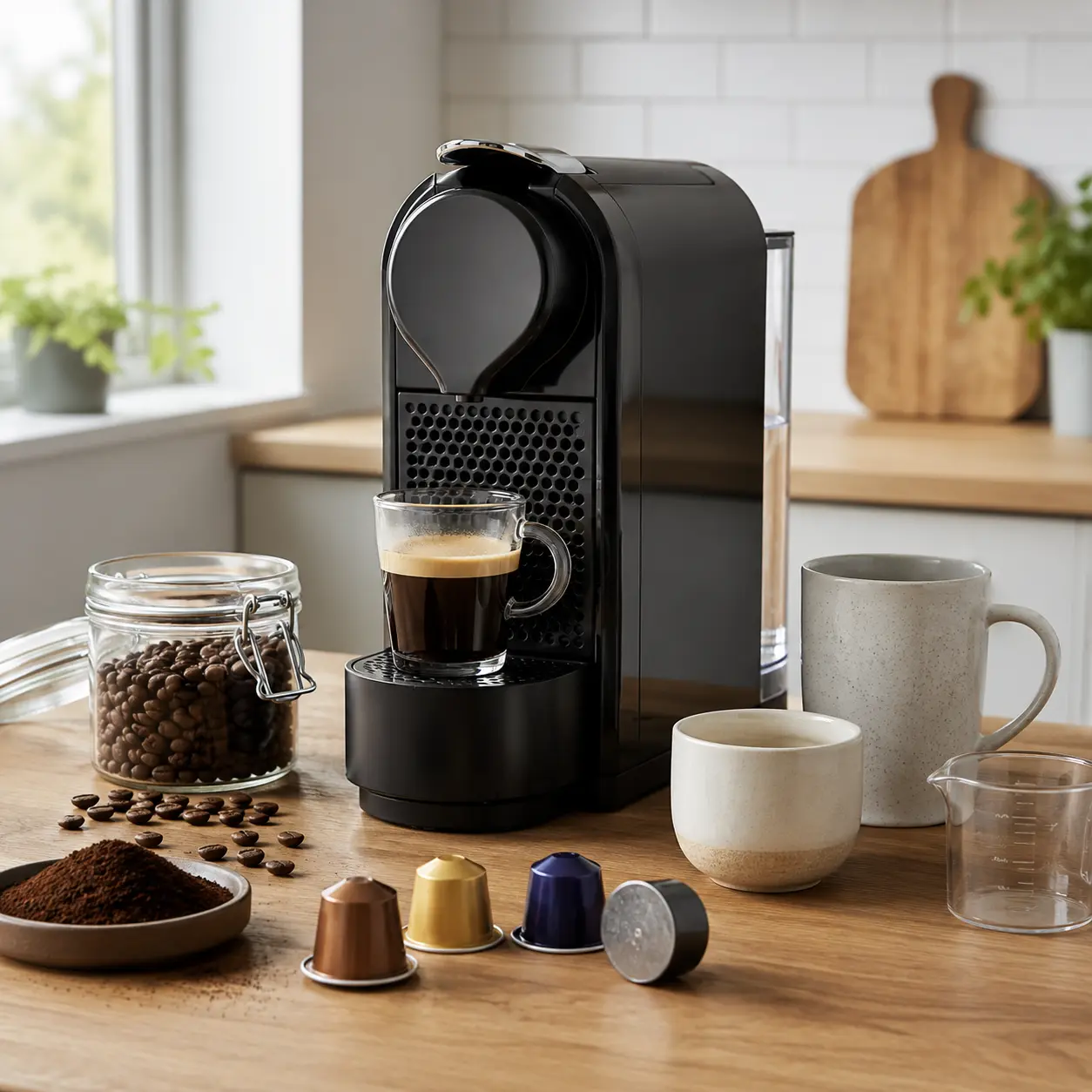
Assuming Every Machine Makes Every Coffee Style
Coffee machines vary widely. A filter machine, capsule machine, espresso machine and bean to cup machine all make coffee differently.
Choose based on the drinks you actually want.
Forgetting Capsule Or Pod Compatibility
Capsule and pod machines usually work with specific formats. Buying the wrong capsules can be frustrating and wasteful.
Check compatibility before buying the machine or refills.
Ignoring Cleaning Needs
Coffee machines can quickly become inconvenient if cleaning is awkward. Drip trays, used coffee containers, milk systems and grinders all need attention depending on the model.
Check cleaning guidance before buying.
Buying A Manual Machine Without Wanting The Learning Curve
Manual espresso machines can appeal to coffee lovers, but they involve more preparation and technique. If you want fast one button coffee, a manual machine may not be the right fit.
Be honest about how much effort you want in the morning.
Choosing A Milk System Without Considering Maintenance
Automatic milk systems can be convenient, but milk parts need regular cleaning. If you are unlikely to clean them properly, a separate frother or simpler machine may be more practical.
Milk convenience and milk cleaning go together.
Overlooking Water Tank Access
A machine may fit on the worktop but still be awkward to refill if the water tank is at the back or under a cupboard.
Check where the tank is and how it is removed.
Ignoring Cup Clearance
Some machines may not fit taller mugs or travel cups. If you use larger cups, check the outlet height and drip tray arrangement where listed.
Small details can affect daily use.
Focusing Only On Purchase Price
A cheaper machine may cost more to run if the coffee format is expensive or maintenance items are needed regularly. A more expensive machine may be worthwhile if it suits daily use and preferred coffee format.
Consider the full ownership cost.
Safety And Suitability Caveats
Coffee Machines should be used only as intended and in line with the manufacturer’s instructions. They involve hot water, steam, pressure in some designs, electricity and hot drinks, so care is needed during use, cleaning and maintenance.
Do not touch hot nozzles, steam wands or internal parts during or shortly after use. Use only compatible capsules, pods, coffee formats, filters and accessories. Follow descaling and cleaning guidance carefully, especially for milk systems.
Do not modify, dismantle or attempt to repair a coffee machine. If the appliance appears damaged, leaks, smells unusual or seems unsafe, stop using it and follow the product information.
Always check the individual product page for machine type, coffee compatibility, water tank capacity, milk features, cleaning guidance, electrical information and intended use before buying.
Maintenance, Storage And Lifespan Considerations
Coffee machines need regular care to stay pleasant and practical. Daily or frequent tasks may include emptying drip trays, cleaning milk parts, removing used capsules, emptying grounds containers and rinsing removable parts.
Descaling is important where the product guidance recommends it. Hard water can affect machines over time, and some models may use water filters or descaling programmes where included.
Bean to cup machines may need grinder and brew unit care depending on the design. Capsule machines may need capsule bins emptied and internal rinsing. Filter machines may need jugs, filters and water areas cleaned.
The lifespan of a coffee machine depends on model, water quality, frequency of use, cleaning, descaling and how carefully it is handled.
How To Compare Models Efficiently
- Decide what coffee you drink most often.
- Choose the right machine type for that drink style.
- Check the coffee format and compatibility.
- Decide whether you need milk frothing.
- Compare water tank size and access.
- Check controls and customisation options.
- Review cup clearance and worktop dimensions.
- Consider cleaning and descaling requirements.
- Think about ongoing coffee and maintenance costs.
- Read the individual product page before buying.
Summary Buyer Decision Checklist
Before buying Coffee Machines, check the following:
| Buying Check | Why It Matters |
|---|---|
| Machine type | Different machines suit different drinks |
| Coffee format | Beans, ground coffee, capsules and pods are not interchangeable |
| Drink options | Not every machine makes every drink |
| Milk frothing | Important for milk based coffee |
| Grinder | Useful for fresh beans where included |
| Water tank size | Affects refilling frequency |
| Tank access | Important under cupboards or in small kitchens |
| Cup clearance | Larger mugs may not fit every machine |
| Cleaning needs | Daily convenience depends on maintenance |
| Descaling guidance | Important for long term care |
| Worktop space | Some machines are bulky |
| Product page details | Specifications vary by model |
Frequently Asked Questions
The best type depends on the coffee you drink and how much effort you want. Capsule machines are convenient, filter machines suit larger batches, manual espresso machines suit more hands on coffee making, and bean to cup machines suit fresh beans with more automation. Choose around your daily routine.
Capsule machines can be worth considering if convenience and consistency matter most. They are usually simple to use, but you need to check capsule compatibility and ongoing costs. They may not suit buyers who want full control over coffee preparation.
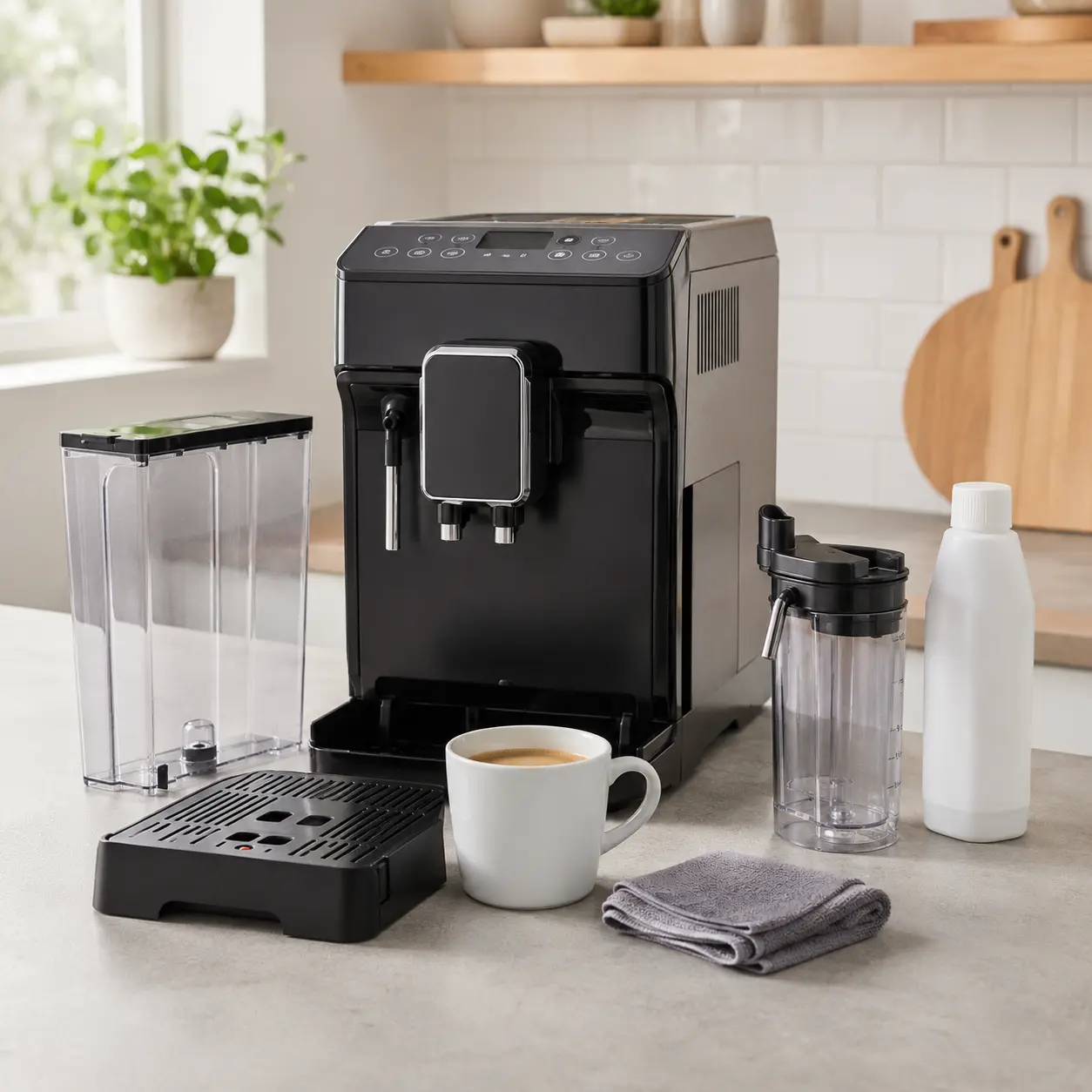
A bean to cup machine grinds coffee beans and prepares coffee through the machine. Some models also include milk systems or drink presets where stated. They can be convenient, but they are often larger and need regular cleaning.
You only need milk frothing if you regularly drink milk based coffees such as lattes or cappuccinos. Some machines include milk systems, some have steam wands and some need a separate frother. Check cleaning needs before choosing.
No. Pod and capsule compatibility varies by machine. Always check the individual product page before buying capsules, pods or refill packs. Do not assume similar looking capsules will fit.
They can take more practice than capsule or bean to cup machines. You may need to learn about dosing, tamping, grind size and milk steaming where relevant. They may suit buyers who enjoy the process, not just the finished drink.
Cleaning varies by machine type. Milk systems, grinders and brew units usually need more care than basic filter or capsule machines. Check the product page and instructions before buying.
Check width, depth, height, water tank access, cup clearance and whether there is room to remove drip trays or milk containers. A compact machine may be more practical than a larger bean to cup model.
Many coffee machines need descaling according to the product guidance. Frequency depends on water hardness, use and model design. Some machines include descaling alerts or programmes where stated.
A simple capsule, pod or one touch machine may be easier for guests than a manual espresso setup. Clear controls and easy refilling help too. Check compatibility and cleaning before choosing.