BUYERS GUIDE
Electric Heaters Buyers Guide
Electric Heaters are home appliances designed to provide extra warmth in indoor spaces. They are often bought for bedrooms, lounges, home offices, conservatories, spare rooms, garages, workshops, rented homes and rooms that feel cold before the central heating catches up.
This guide helps you choose the right electric heater by explaining the practical details that matter before buying. The right choice depends on the room size, heater type, heat output, controls, safety features, noise level, portability, energy use and whether the model is suitable for the space where it will be used.
An electric heater is not just about making a room warm. A small fan heater may suit short bursts of heat, while an oil filled radiator may suit steady background warmth. A panel heater, ceramic heater or convector heater may suit different routines again. The best choice is the one that fits the room, the user and the way the heater will actually be used.
Specifications vary by model, so always check the individual product page before buying.
Quick Answer
The right Electric Heater is the one that suits the room size, heating need and safety requirements of the space. For quick warmth, a compact fan or ceramic heater may be useful where suitable. For longer background warmth, an oil filled radiator, panel heater or convector style heater may be worth comparing. Always check heat output, thermostat control, timer features, safety cut off, tip over protection where included, cable length, noise, dimensions, placement guidance and product page details before buying.
Quick Product Comparison Framework
| Feature | What It Means | Why It Matters | What To Check |
|---|---|---|---|
| Heater type | Fan, ceramic, oil filled, panel, convector or infrared style heater | Different types suit different rooms and routines | Match the type to your main use |
| Heat output | The rated power or heat level of the heater | Affects how suitable it may be for a space | Check product specifications |
| Room size suitability | The space the heater is intended to warm | A small heater may struggle in a larger room | Check room guidance where listed |
| Heat settings | Low, medium, high or adjustable settings where included | Helps control warmth and energy use | Check available settings |
| Thermostat | A control that helps maintain a selected temperature | Useful for steady comfort | Check whether it is manual or digital |
| Timer | Allows scheduled operation where included | Useful for bedrooms, offices and routines | Check timer details |
| Safety features | Overheat protection, tip over switch or automatic shut off where included | Important for everyday use | Check feature details carefully |
| Surface temperature | How hot the exterior may become during use | Important around children, pets and tight spaces | Read safety guidance before use |
| Noise level | Fan based heaters may make more sound | Important for bedrooms and home offices | Check noise information where supplied |
| Portability | Handles, castors, weight and size | Useful if moving between rooms | Check weight and design |
| Cable length | How far the heater can reach from a socket | Affects safe placement | Check cord length where listed |
| Bathroom suitability | Whether a heater is suitable for bathroom use | Most heaters are not suitable for damp spaces unless stated | Check product guidance and installation needs |
Key Decision Criteria Explained
Heater Type
The first decision is the type of electric heater you need. Fan heaters usually provide quick warmth by blowing heated air into the room. They can be useful for short periods, but they may create more noise than some other heater types.
Oil filled radiators are often chosen for steadier warmth. They can take longer to warm up, but may suit rooms where you want background heat over a longer period.
Panel heaters and convector heaters may suit general room heating where the model is suitable for the room. Ceramic heaters may appeal to buyers wanting compact quick heat, while infrared or halogen style heaters may feel different because they are designed around radiant warmth.
No single type is best for everyone. Choose based on the room, heating pattern and how long you expect to use it.
Room Size And Heating Need
Room size matters. A small heater may be fine for a small bedroom or home office, but it may struggle in a larger lounge, conservatory or open plan area.
The room itself also matters. A well insulated bedroom is very different from a draughty conservatory or garage. Ceiling height, insulation, window size and how often doors are opened can all affect how warm the room feels.
Check the product page for room suitability where supplied, and avoid assuming a compact heater can warm every space.
Heat Output
Heat output helps buyers compare models, but it should not be the only decision. A higher output heater may warm a space more quickly or suit a larger room, but it may also use more electricity while running.
A lower output model may be enough for close personal warmth or a small room, but may not suit larger spaces.
The sensible approach is to match output to the room and use pattern. Buying more heat than you need can be unnecessary, while buying too little can lead to disappointment.
Thermostat Control
A thermostat can make an electric heater easier to live with. Instead of only running at one fixed heat level, the heater may respond to temperature settings where the model supports that feature.
Manual thermostats may use a simple dial, while digital models may allow more precise settings. Some heaters may also include eco or auto modes where stated.
A thermostat can help with comfort, but it does not remove the need for safe placement and sensible use.
Timer Features
Timer features can be useful if you want the heater to run for a set period or fit around a routine. This may suit bedrooms, home offices, morning use or evening warmth.
Timer details vary by model. Some may offer simple countdown timers, while others may include daily scheduling where stated.
If timing matters, check exactly how the timer works before buying.
Safety Features
Safety features are important with electric heaters because they produce heat and are often used near furniture, carpets, curtains and busy household spaces.
Some models may include overheat protection, tip over switches, automatic shut off, child locks or cool touch style features where stated. These can add reassurance, but they do not replace careful use.
Always follow the product instructions and keep heaters clear of items that could be affected by heat.
Noise Level
Noise matters if the heater will be used in a bedroom, study, nursery, living room or home office. Fan heaters and some ceramic heaters may produce noticeable sound because they move air.
Oil filled radiators and some panel or convector heaters may be quieter because they do not rely on a fan, depending on the model.
If quiet use matters, check noise information where supplied and think about when the heater will be used.
Portability And Placement
If you plan to move the heater between rooms, portability matters. Handles, castors, weight and shape can all affect how easy the heater is to move.
Placement matters just as much. Electric heaters need safe space around them in line with the product guidance. A heater that only fits in a cramped corner may not be practical or suitable.
Before buying, think about where the heater will stand, where the plug socket is and whether the cable can be positioned safely.
Running Costs And Energy Use
Electric heaters use electricity, and running costs depend on power rating, heat setting, room conditions and how long the heater runs. A powerful heater used for long periods will usually cost more to run than a smaller heater used briefly.
A thermostat, timer or lower heat setting may help manage use where included, but results depend on the model and how it is used.
Do not choose only by purchase price. Consider how often the heater will be used and whether it suits the room efficiently.
Bathroom, Garage And Damp Space Suitability
Not every electric heater is suitable for bathrooms, garages, utility rooms or damp spaces. Bathrooms need extra care because water and electricity must be managed safely.
Only choose a heater for bathrooms or damp areas if the product page clearly states that it is suitable and the installation or placement guidance is followed. Some heaters may require professional installation.
For garages, workshops or cooler spaces, also check temperature suitability and intended use.
Product Type Differentiation And Variants
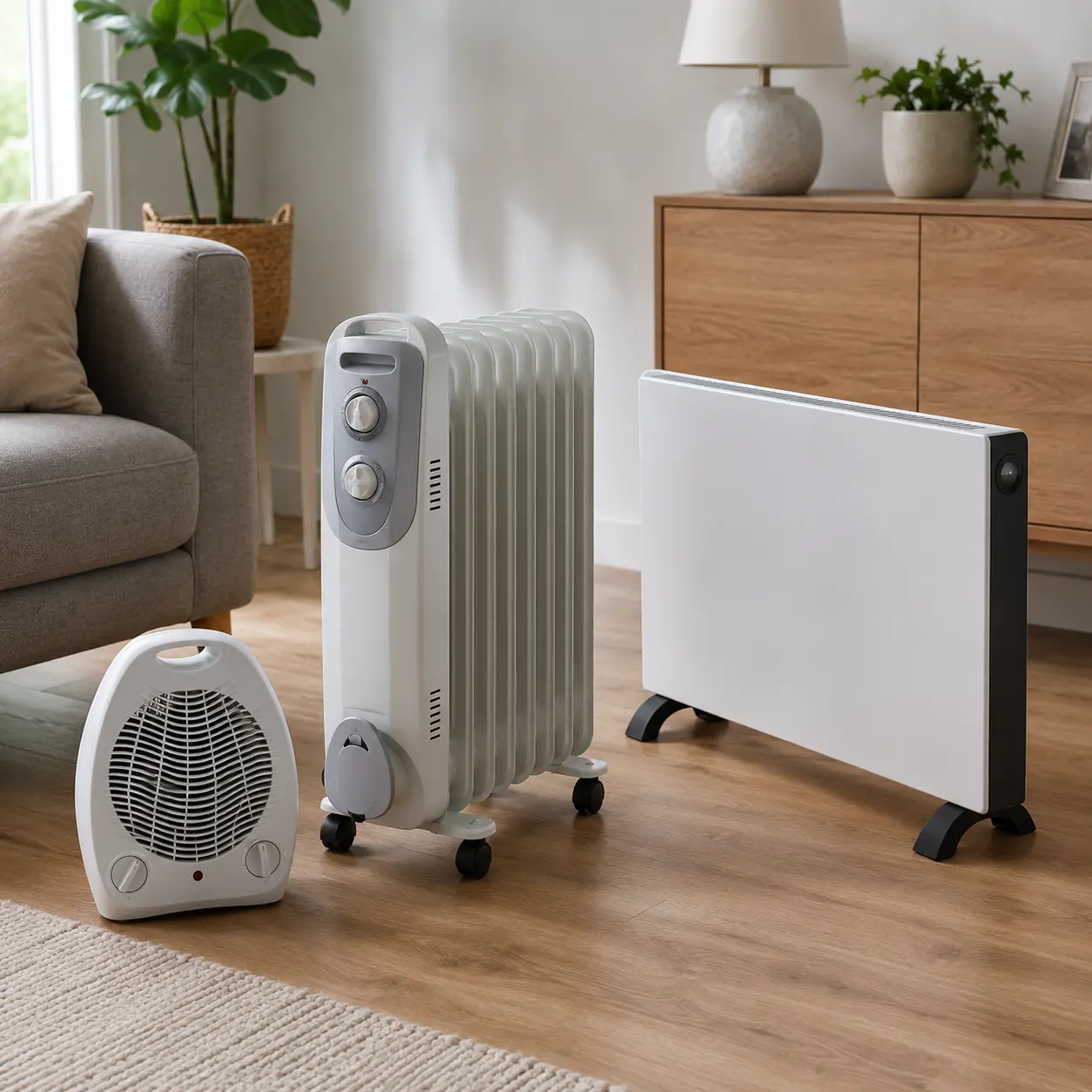
Fan Heaters
Fan heaters blow warm air into the room and may suit quick bursts of heat. They can be useful for short periods in small rooms or personal spaces.
The limitation is noise and airflow. They may not suit buyers who want silent background warmth.
Ceramic Heaters
Ceramic heaters use a ceramic heating element and often include a fan. They may suit buyers who want compact, responsive warmth where the model is suitable.
The limitation is that they still need safe placement and may create fan noise.
Oil Filled Radiators
Oil filled radiators are designed for steadier heat. They may suit bedrooms, lounges or home offices where background warmth is wanted over a longer period.
The limitation is warm up time and size. They may be heavier and slower to heat than fan based options.
Convector Heaters
Convector heaters warm air and allow it to circulate around the room. They may suit general room heating where the model is suitable for the space.
The limitation is that room layout and insulation can affect how comfortable the heat feels.
Panel Heaters
Panel heaters are often slim and may be freestanding or wall mountable where stated. They can suit rooms where a neater heater style is preferred.
The limitation is installation and placement. Wall mounted use should only follow the product guidance.
Infrared Or Radiant Heaters
Infrared or radiant heaters are designed to provide direct radiant warmth. They may suit specific use cases where the product page supports them.
The limitation is that they may feel different from heaters designed to warm the air throughout a room. Check intended use carefully.
Specifications vary by model, so always check the individual product page before buying.
Suitability By Buyer Type Or Need
| Buyer Type Or Need | What To Prioritise | What To Be Careful About |
|---|---|---|
| Bedroom user | Quiet operation, thermostat and timer where included | Check safety guidance and placement |
| Home office | Low noise, compact size and steady control | Fan noise may distract during calls |
| Small room | Compact heater and suitable heat output | Do not overbuy for limited space |
| Larger room | Higher suitability rating and steady heat | Small heaters may struggle |
| Occasional user | Simple controls and easy storage | Avoid paying for features you will not use |
| Family household | Safety features, stable design and clear controls | Keep away from children and pets |
| Renter | Portable design and no permanent installation | Check safe socket and placement options |
| Garage or workshop | Suitability for cooler spaces where stated | Not every heater suits unheated areas |
| Bathroom buyer | Bathroom suitable model only where clearly stated | Never assume ordinary heaters are suitable |
| Budget conscious buyer | Right size, timer and thermostat where useful | Cheap is not value if it cannot heat the space |
Common Mistakes And Misunderstandings
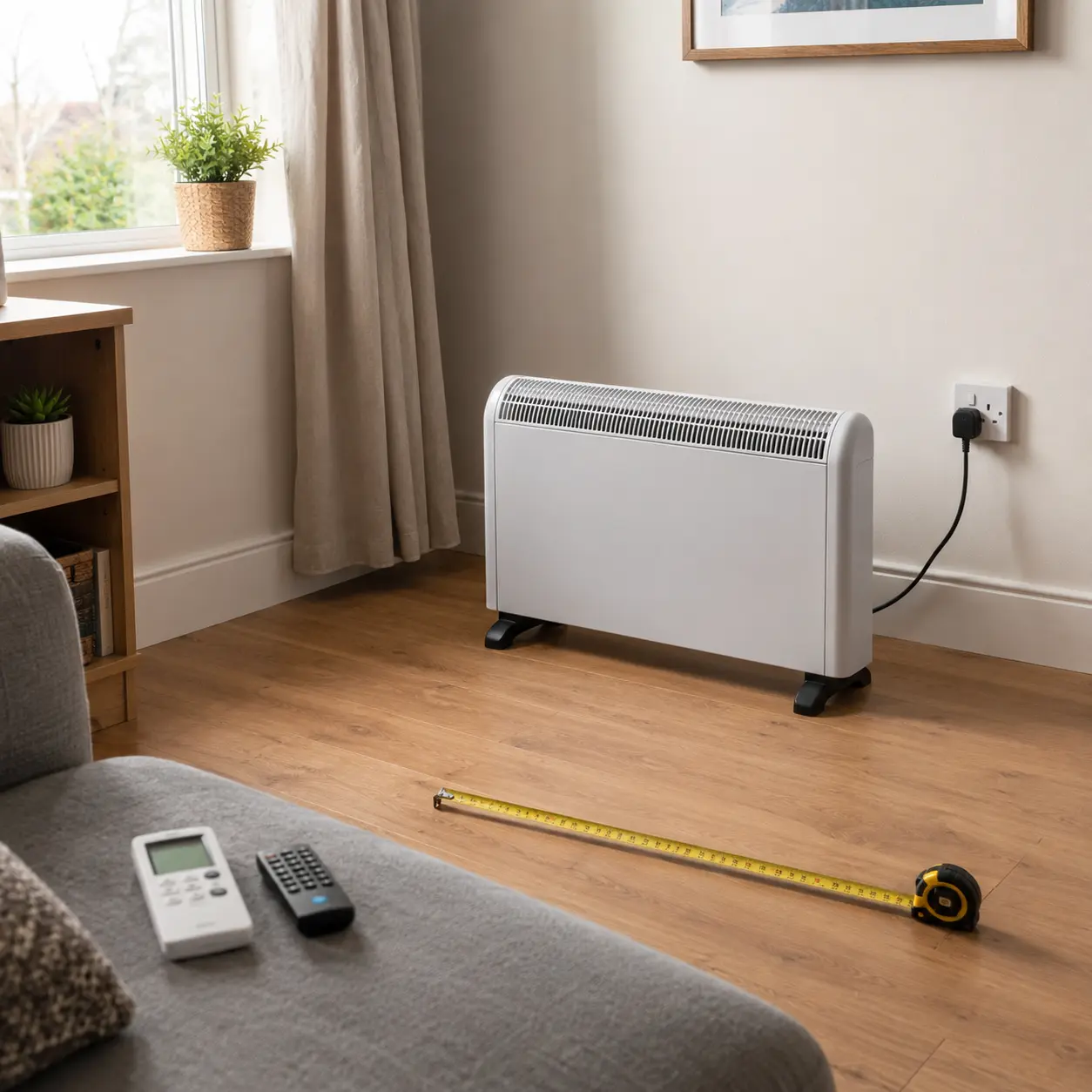
Buying Too Small For The Room
A compact heater may look convenient, but it may not warm a larger room properly. This can lead to longer running times and poor comfort.
Choose around the room size and insulation, not just appliance size.
Buying Too Large For Occasional Use
A powerful heater may be unnecessary for quick personal warmth or small spaces. It may cost more upfront and use more electricity while running.
Match the heater to how often and where it will be used.
Ignoring Safety Clearance
Electric heaters need clear space around them. Placing a heater too close to curtains, bedding, furniture or clothes can be unsafe.
Always follow the product instructions for placement.
Using A Heater To Dry Clothes
Electric heaters should not be used as clothes dryers unless the product information specifically supports that use. Covering or placing clothes too close to a heater can be unsafe.
Use suitable drying methods instead.
Assuming Any Heater Can Be Used In A Bathroom
Bathrooms and damp areas need special care. Most ordinary electric heaters are not suitable unless clearly stated.
Check bathroom suitability and installation guidance before buying.
Forgetting About Noise
Fan based heaters can be more noticeable than buyers expect. This matters in bedrooms, offices and quiet living spaces.
Check noise information where supplied.
Overlooking Cable Position
A heater may be suitable in theory but awkward in practice if the plug socket is in the wrong place. Extension leads may not be suitable depending on the product guidance.
Check cable length and safe placement.
Expecting Safety Features To Replace Care
Safety cut offs and tip over switches can be helpful where included, but they do not make careless use safe.
Electric heaters still need supervision and sensible placement.
Safety And Suitability Caveats
Electric Heaters should be used only as intended and in line with the manufacturer’s instructions. They involve heat, electricity and airflow, so correct placement and supervision are important.
Place the heater on a stable, suitable surface with clear space around it. Keep it away from curtains, bedding, furniture, clothing, paper and other items that could be affected by heat. Do not cover the heater or use it to dry clothes unless the product guidance specifically says that use is suitable.
Do not use an electric heater in bathrooms, damp rooms, garages or outdoor spaces unless the individual product page clearly states that it is suitable for that environment. Wall mounted heaters should be installed only as instructed, and professional fitting may be needed depending on the model.
Do not modify, dismantle or attempt to repair an electric heater. If the appliance appears damaged, smells unusual, overheats or seems unsafe, stop using it and follow the product information.
Always check the individual product page for heater type, heat output, room suitability, controls, safety features, cable length, electrical information and intended use before buying.
Maintenance, Storage And Lifespan Considerations
Electric heaters need basic care to remain practical. Keep air vents clear of dust, and clean the exterior only as recommended by the product guidance. Fan based heaters may collect dust around vents, while oil filled and panel style heaters may need surface cleaning.
Allow the heater to cool before moving or storing it. Keep the cable in good condition and avoid storing the appliance where it may be knocked, crushed or exposed to damp conditions.
If the heater is used seasonally, store it in a clean, dry place when not needed. Keep instructions and any remote control or accessories with the appliance.
The lifespan of an electric heater depends on model, frequency of use, storage, cleaning and how carefully it is handled.
How To Compare Models Efficiently
- Decide which room you want to heat.
- Check the size and insulation of the room.
- Choose the heater type that suits your use pattern.
- Compare heat output and room suitability.
- Check thermostat and heat settings.
- Review timer options if routine use matters.
- Check safety features and placement guidance.
- Compare noise level for bedrooms or offices.
- Check cable length, weight and portability.
- Read the individual product page before buying.
Summary Buyer Decision Checklist
Before buying Electric Heaters, check the following:
| Buying Check | Why It Matters |
|---|---|
| Heater type | Different types suit different heating needs |
| Room size | The heater should suit the space |
| Heat output | Affects warmth and running use |
| Thermostat | Helps control comfort where included |
| Timer | Useful for planned heating |
| Safety features | Important for everyday use |
| Noise level | Matters in bedrooms and offices |
| Cable length | Affects safe placement |
| Portability | Useful for moving between rooms |
| Bathroom suitability | Only suitable models should be used in damp spaces |
| Storage space | Some heaters are bulky |
| Product page details | Specifications vary by model |
Frequently Asked Questions
The best type depends on the room and how you want to use it. Fan and ceramic heaters may suit quick warmth, while oil filled radiators, panel heaters or convector heaters may suit steadier room heating where suitable. Check the product page before buying.
Running costs depend on the power rating, heat setting, room conditions and how long the heater runs. A thermostat or timer may help manage use where included. Check energy information before buying.
Yes, if the model is suitable for the room and used according to the instructions. Noise, timer settings, thermostat control and safe placement all matter in a bedroom. Keep heaters away from bedding and curtains.
Only if the product page clearly states that the heater is suitable for bathroom use and the installation or placement guidance is followed. Do not assume an ordinary electric heater is safe for a bathroom.
A fan heater blows warm air and may heat a small area quickly. An oil filled radiator usually provides steadier heat but may take longer to warm up. The better choice depends on whether you want quick warmth or longer background heat.
Electric heaters should be placed where airflow is not blocked. Fan, convector and panel style heaters need clear space around vents. Always follow the product guidance for placement and use.
Only follow the manufacturer’s guidance for safe use. Some heaters include timers, thermostats or safety features where stated, but careful placement and supervision remain important. Never cover a heater or place it near bedding.
They require care. Choose stable models with appropriate safety features where included, and keep the heater out of reach where possible. Always follow the product instructions and do not leave children or pets unattended around a hot heater.
Check noise level, compact size, thermostat, cable length and safe placement. If you take calls or work in a quiet room, a quieter model may be more suitable than a fan based heater.
Allow the heater to cool fully, clean it according to the product guidance and store it in a dry place. Keep the cable, remote control and instructions together where possible.