BUYERS GUIDE
Red Light Therapy Buyers Guide
Red Light Therapy devices are home wellness and beauty devices that use red or near infrared light, depending on the model, to expose the skin or body area to controlled light. They are often bought for skincare routines, relaxation, post exercise routines, targeted body use, facial care, scalp use, general wellbeing routines and buyers comparing home light therapy devices.
This guide helps you choose the right red light therapy device by explaining the practical details that matter before buying. The right choice depends on device type, treatment area, light type, wavelength information, power guidance, session timing, eye protection, fit, comfort, setup, cleaning and whether the device suits the intended user.
A red light therapy device should not be treated as a cure or replacement for medical care. At home devices vary widely, and evidence, output, build quality and safety guidance can differ between products. Some sources also note that at home devices are often less powerful than professional devices, and that eye protection and caution around light sensitive conditions matter.
Specifications vary by model, so always check the individual product page before buying.
Quick Answer
The right Red Light Therapy device is the one that suits your intended treatment area, comfort needs and safety expectations. For facial use, a mask or handheld device may be practical. For larger body areas, a panel or belt style device may be easier, whereas, for targeted use, a wand or wrap may suit smaller areas. Always check device type, light type, wavelength information, eye protection guidance, session timer, power source, distance guidance, coverage area, safety instructions, cleaning needs and product page details before buying.
Quick Product Comparison Framework
| Feature | What It Means | Why It Matters | What To Check |
|---|---|---|---|
| Device type | Panel, mask, wand, belt, wrap, lamp or handheld device | Different formats suit different body areas | Match the format to your intended use |
| Light type | Red light, near infrared light or mixed light where stated | Affects intended use and visibility | Check what the product actually emits |
| Wavelength information | Light output details, usually listed in nanometres | Helps compare devices more clearly | Check product specifications |
| Treatment area | Face, scalp, body, joints, back or targeted areas where stated | Coverage affects convenience | Choose the right size and shape |
| Coverage size | The area exposed during one session | Larger areas may need a bigger panel or belt | Check dimensions and LED layout |
| Irradiance or output | Power delivery information where supplied | Helps compare device strength | Check stated measuring distance |
| Session timer | Built in timer or recommended session length | Helps avoid overuse | Check timer and instructions |
| Eye protection | Goggles, shields or eye safety guidance where supplied | Important for safe use around the face | Check what is included |
| Distance guidance | How far the device should sit from the skin | Affects safe and consistent use | Check manufacturer guidance |
| Power source | Mains powered, rechargeable or USB powered where stated | Affects setup and portability | Check cable, battery and charging details |
| Comfort | Fit, straps, weight, heat and wearability | Important for regular use | Check design and user position |
| Safety guidance | Contraindications, warnings and usage limits | Important for health related devices | Read instructions before use |
Key Decision Criteria Explained
Device Type
The first decision is the type of red light therapy device you need. A face mask is designed to sit over the face and may suit skincare routines where the product is intended for that use.
A panel usually stands or mounts in one position and exposes a larger area. This can be useful for body areas, but it needs more space and careful positioning.
A handheld wand may suit smaller areas and targeted use. A belt or wrap may suit parts of the body where a flexible design is easier.
In short, the best format depends on where you plan to use it and how easy it will be to use consistently.
Red Light Versus Near Infrared Light
Some devices use visible red light. Others use near infrared light, which may not be visible in the same way. Some devices combine both where stated.
The product page should explain what type of light is included. This matters because buyers often assume all red light therapy devices are the same, but they can differ in wavelength, output, coverage and intended use.
Do not buy only because a product says red light therapy. Check the actual specifications.
Wavelength Information
Wavelength is usually shown in nanometres. Many product pages list red light and near infrared wavelengths as part of the specification.
This is useful for comparison, but it should not be the only buying factor. A device also needs suitable output, safe instructions, good coverage, reliable build quality and clear usage guidance.
Some consumer guides explain that red and infrared ranges are commonly discussed in LED therapy shopping, but claims and support vary by device and application.
Treatment Area And Coverage
Coverage is one of the most practical buying factors. A small handheld device may be fine for a face area, scalp area or small target point. It may be slow and inconvenient for larger body areas.
A large panel can cover more space at once, but it needs room, power access and correct positioning. A wrap or belt may be easier for the back, shoulder, knee or similar body areas where the product supports that use.
Think about the actual area you want to use it on. Convenience matters because many devices require repeated sessions over time.
Power Output And Distance
Some red light therapy devices list output details such as irradiance. However, not every product presents this clearly, and figures can be measured in different ways.
If output information is supplied, check the measuring distance. A high output figure may not mean much if the distance, measurement method or coverage area is unclear.
A sensible buyer should compare the full product page, not just one power number.
Session Timing
Most devices give guidance on session length and frequency. This may vary by device type, treatment area and intended use.
A built in timer can be useful because it helps prevent overuse. It also makes sessions easier to repeat consistently.
Do not assume longer sessions are better. Follow the manufacturer’s instructions, especially when using the device near the face, eyes or sensitive skin.
Eye Protection
Eye protection is a major consideration, especially for face masks, panels and handheld devices used near the face.
Some products may include goggles or shields. Others may provide usage guidance instead. Either way, buyers should take eye safety seriously and follow the instructions.
Some expert sources warn that long or unsuitable exposure may carry eye risk, particularly if devices are misused or used without suitable protection.
Comfort And Fit
Comfort matters because red light therapy devices are often used repeatedly. A face mask should feel wearable. A belt should sit securely. A handheld device should not be tiring to hold. A panel should be easy to position.
If a device is awkward, heavy or uncomfortable, it may not be used regularly.
Check straps, stand design, cable length, weight and whether the device suits sitting, standing or lying down.
Heat And Skin Feel
Red light therapy devices are not supposed to feel aggressively hot. Some warmth may be normal with some devices, but discomfort, burning or irritation is not something to ignore.
Heat build up can depend on device type, distance, session length and skin sensitivity.
If you have sensitive skin, darker pigmentation concerns, a light sensitive condition or use medicines that increase light sensitivity, get medical advice before use.
Claims And Evidence
Red light therapy products are often marketed with strong claims. Be cautious with any product that promises guaranteed results, rapid transformation or treatment of medical conditions without proper evidence.
For skin, hair and wellness uses, results may vary. Some sources describe red light therapy as promising, but also note that evidence and results can be limited, mild or device dependent.
A buyer should look for clear specifications, realistic wording and responsible safety guidance.
Regulation And Product Marking
Some red light therapy products may mention FDA clearance, CE marking, UKCA marking or other regulatory language. These terms do not all mean the same thing.
For example, some beauty technology coverage explains that many LED masks are FDA cleared rather than FDA approved, and that clearance is not the same as proof that every claim is clinically proven.
In the UK, also check that electrical products are supplied with appropriate safety markings and clear instructions for the UK market. Do not rely on badges alone. Read the product page carefully.
Product Type Differentiation And Variants
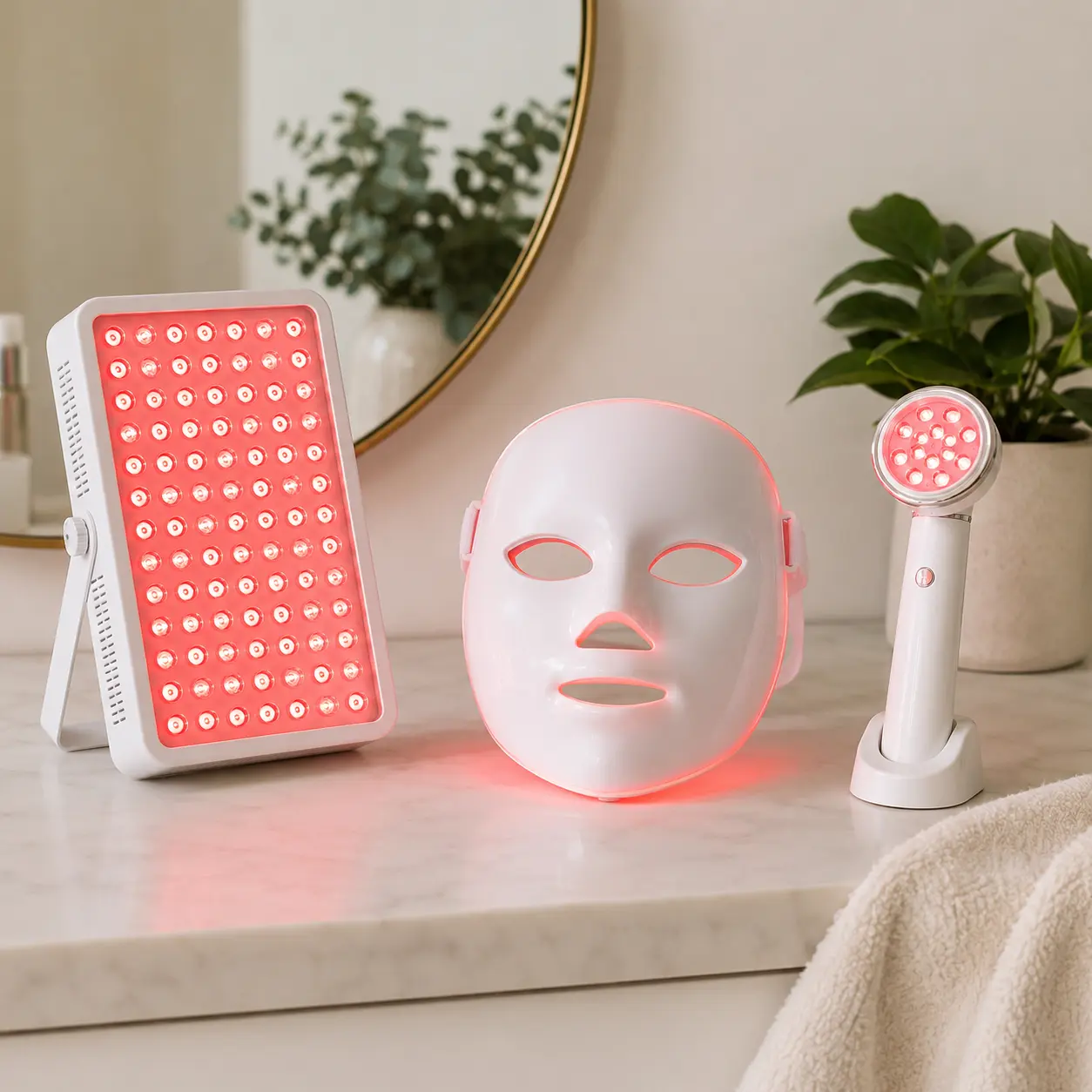
Red Light Therapy Face Masks
Face masks are shaped to sit over the face. They may suit buyers focused on facial skincare routines where the product is intended for that use.
The limitation is coverage. A face mask is not suitable for larger body areas.
Red Light Therapy Panels
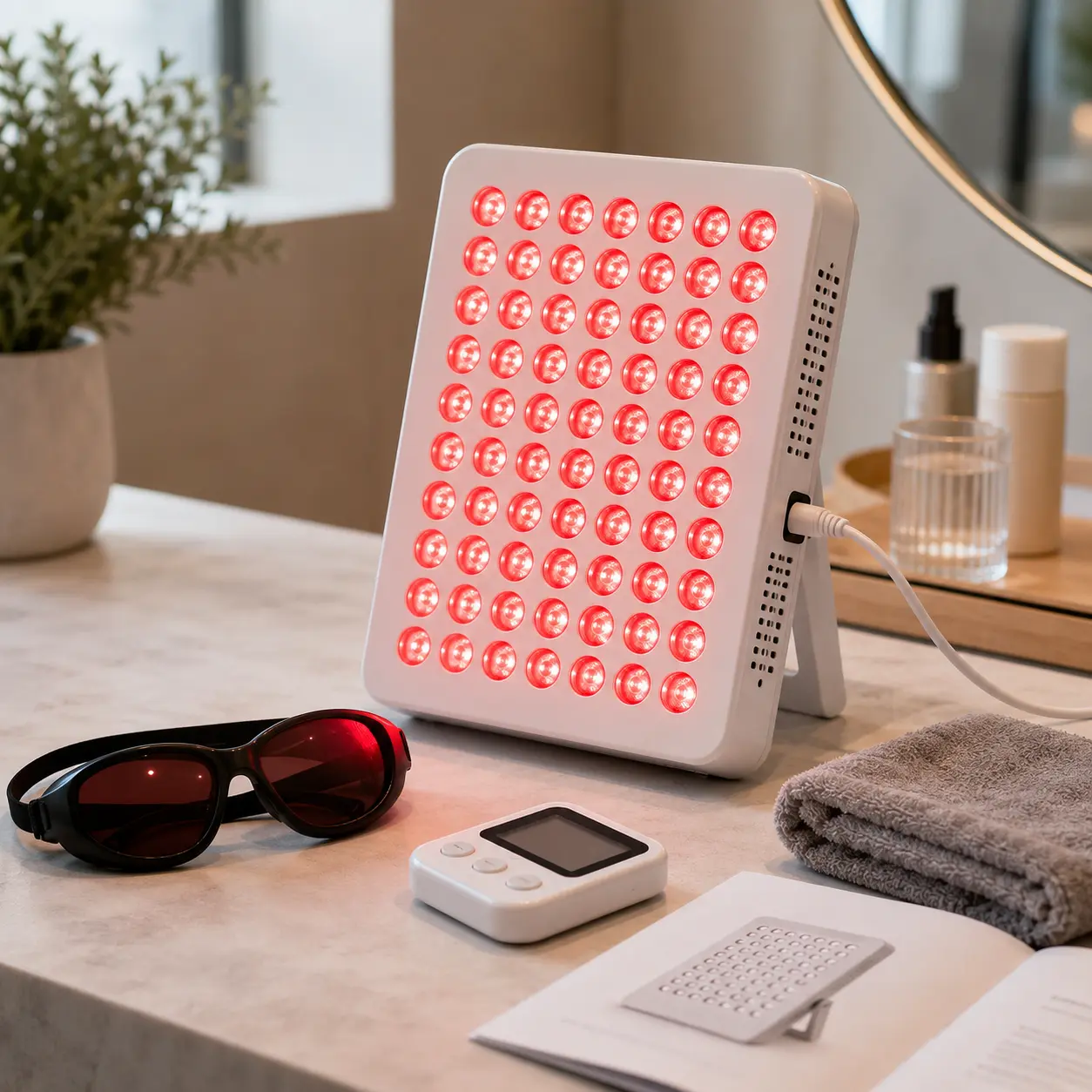
Panels are larger devices that sit on a stand, hang from a mount or rest on a surface where supported. They may suit buyers who want coverage for larger body areas.
The limitation is setup. Panels need space, correct distance and safe eye guidance.
Handheld Red Light Devices
Handheld devices are smaller and easy to move around. They may suit targeted use on smaller areas.
The limitation is that they can be slow for large areas and may be tiring to hold.
Red Light Therapy Belts And Wraps
Belts and wraps are designed to sit around or against a body area where stated. They may suit buyers who want a flexible format.
The limitation is fit. Check strap size, comfort, power cable position and intended body area.
Red Light Therapy Lamps
Lamp style devices usually sit on a surface or stand. They may suit targeted use from a fixed position.
The limitation is angle and distance. The user must position themselves correctly.
Red Light Therapy Caps And Scalp Devices
Some devices are designed for scalp use where stated. These may be bought by users comparing hair care or scalp care routines.
The limitation is that suitability depends heavily on the product design, usage routine and realistic expectations.
Specifications vary by model, so always check the individual product page before buying.
Suitability By Buyer Type Or Need
| Buyer Type Or Need | What To Prioritise | What To Be Careful About |
|---|---|---|
| Facial skincare buyer | Mask fit, eye protection and session timer | Avoid exaggerated anti ageing claims |
| Larger body area user | Panel size, stand and distance guidance | Large panels need space |
| Targeted area user | Handheld device, wrap or small lamp | Small devices can be slow for big areas |
| Scalp use buyer | Device intended for scalp use and fit | Results and claims vary |
| Portable buyer | Rechargeable design, storage case and weight | Battery life may limit sessions |
| Sensitive skin user | Lower intensity options and clear safety guidance | Speak to a professional if unsure |
| First time buyer | Simple timer, clear instructions and eye protection | Avoid overly complex devices |
| Shared household | Adjustable fit and hygiene friendly surfaces | Clean between users where needed |
| Budget conscious buyer | Clear specs and realistic claims | Very cheap devices may be poorly documented |
| Medical concern user | Professional advice before buying | Do not self treat medical conditions |
Common Mistakes And Misunderstandings
Assuming Every Red Light Device Is The Same
Red light therapy products vary by size, wavelength, output, coverage, build quality and instructions.
Check the full specification before buying.
Treating It As A Medical Cure
A home red light therapy device should not replace medical advice, diagnosis or treatment.
Be cautious with products that make unrealistic health claims.
Ignoring Eye Safety
Eye guidance matters, especially with masks, panels and devices used near the face.
Check whether eye protection is included and follow the instructions.
Buying Too Small For The Intended Area
A small wand may be convenient, but it can be slow for larger areas.
Match device size to the area you want to use it on.
Not Checking Session Guidance
Session length and frequency vary. More use is not automatically better.
Follow the product instructions.
Ignoring Skin Sensitivity
Some users may experience redness, warmth, irritation or discomfort.
Stop using the device if it feels unsuitable and seek professional advice where needed.
Believing Every Certification Claim
Terms such as FDA cleared, CE marked or UKCA marked should be understood properly. They do not automatically prove every marketing claim.
Look for clear safety information and responsible wording.
Forgetting Practical Setup
Panels need space. Masks need comfort. Belts need fit. Lamps need positioning.
A device that is awkward to use is less likely to be used consistently.
Safety And Suitability Caveats
Red Light Therapy devices should be used only as intended and in line with the manufacturer’s instructions. They involve bright light, electricity, heat, eye safety considerations and repeated skin exposure.
Do not use a device near the eyes unless the product guidance clearly supports that use and suitable protection is followed. Wear eye protection where recommended. Do not stare directly into LEDs or light panels.
Speak to a GP, dermatologist, optician or relevant healthcare professional before use if you have eye disease, epilepsy, photosensitive conditions, lupus, migraine triggered by light, a history of skin cancer, active skin disease, open wounds, pregnancy concerns, implanted devices, or if you take medicines that can increase light sensitivity.
Do not use a red light therapy device to diagnose, treat or cure a medical condition unless advised by a qualified healthcare professional. Stop using the device if you experience pain, burning, unusual redness, dizziness, headache, eye discomfort or any concerning reaction.
Do not use a damaged device, plug, cable, charger or battery. Do not modify, dismantle or attempt to repair the device.
Always check the individual product page for light type, wavelength information, power source, treatment area, eye protection, warnings, session guidance, electrical information and intended use before buying.
Maintenance, Storage And Lifespan Considerations
Red light therapy devices need basic care to stay hygienic and practical. Wipe surfaces only as directed by the manufacturer.
Face masks, wraps and belts may touch the skin directly, so cleaning guidance matters. This is especially important if the device is shared.
Keep lenses, LEDs and vents free from dust where relevant. Do not use harsh cleaning products unless the instructions allow them.
Store the device in a dry place away from children and pets. Keep eye protection, chargers, straps, remotes and instructions together.
The lifespan of a red light therapy device depends on model, LED quality, battery care, usage time, cleaning, storage and how carefully it is handled.
How To Compare Models Efficiently
- Decide the main use, such as face, scalp, body or targeted area.
- Choose the device format that suits that area.
- Check red light and near infrared details where listed.
- Review wavelength information and output details.
- Check coverage area and recommended distance.
- Look for session timers and clear usage guidance.
- Check eye protection guidance and included accessories.
- Review power source, cable length and portability.
- Check cleaning, storage and hygiene guidance.
- Read the individual product page before buying.
Summary Buyer Decision Checklist
Before buying Red Light Therapy devices, check the following:
| Buying Check | Why It Matters |
|---|---|
| Device type | Masks, panels, wands and wraps suit different uses |
| Intended area | The device should match the body area |
| Light type | Red and near infrared features vary |
| Wavelength information | Helps compare specifications |
| Coverage area | Affects convenience and session time |
| Output details | Useful only when clearly explained |
| Session timer | Helps avoid overuse |
| Eye protection | Important for face and panel use |
| Comfort and fit | Regular use depends on wearability |
| Power source | Affects setup and portability |
| Safety guidance | Health related devices need caution |
| Product page details | Specifications vary by model |
Frequently Asked Questions
Red light therapy devices are usually bought for beauty, wellness or targeted home routines. The exact intended use depends on the model. Always check the product page and avoid treating the device as a medical cure.
They may be suitable for many users when used correctly, but safety depends on the product, the user and the instructions. Eye protection, session limits and medical cautions matter. Get professional advice if you have health concerns.
Red light is visible. Near infrared light may be less visible or not visible in the same way. Devices may use one or both where stated. Check wavelength information and intended use before buying.
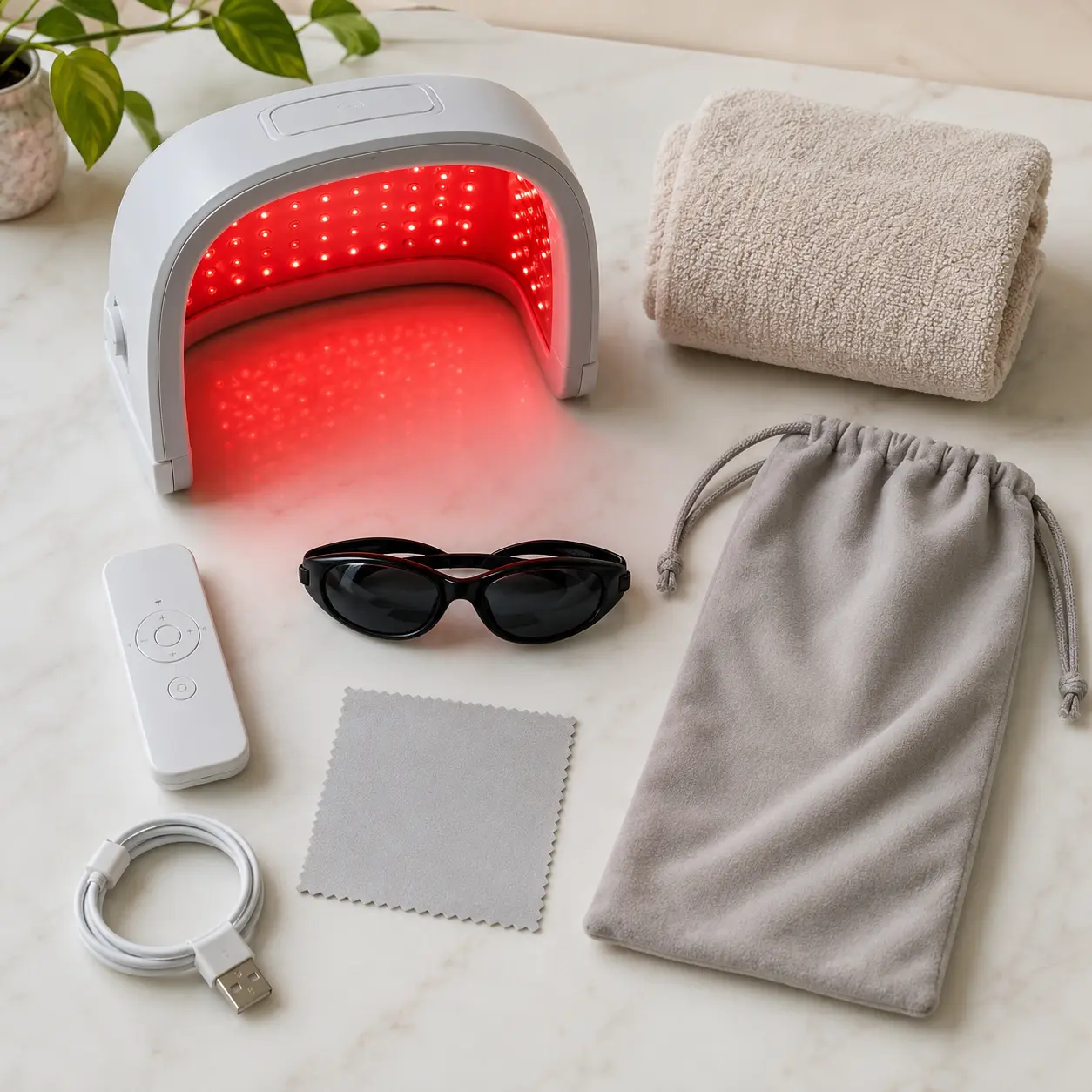
Eye protection may be needed, especially for face masks, panels and devices used near the face. Follow the manufacturer’s guidance and do not stare directly into the light source.
They may suit buyers focused on facial routines, provided expectations are realistic. Comfort, fit, eye safety, session timer and cleaning are important. Avoid products that promise guaranteed or medical results.
Usage guidance varies by product. Some devices may recommend regular use, while others may set limits. Follow the instructions rather than assuming daily use is suitable.
Panels can cover larger areas more quickly, while handheld devices may suit smaller targeted areas. The better choice depends on the intended use, space and setup.
Do not use a home red light therapy device to self treat pain, injury or medical conditions without professional advice. Product claims vary, and a healthcare professional should assess medical symptoms.
Check size, wavelength information, output details, distance guidance, eye protection, mounting or stand design, cable length, timer and safety warnings.
Check the recipient’s intended use, comfort preferences, medical cautions, eye protection needs and whether the device is easy to use and clean. Avoid specialist health claims unless the recipient has asked for that type of device.