BUYERS GUIDE
Hair Dryer Buyers Guide
Hair Dryers are grooming appliances designed to dry and style hair by blowing heated or cool air through a handheld unit. They are often bought for everyday drying, quick morning routines, curly hair care, smooth styling, travel, family bathrooms, salon style results at home and replacing an older dryer that no longer feels practical.
This guide helps you choose the right hair dryer by explaining the practical details that matter before buying. The right choice depends on your hair type, drying routine, heat settings, airflow, attachments, weight, handle comfort, cord length, noise level, storage space and whether you need features such as a cool shot, diffuser or concentrator nozzle.
A hair dryer is not just about power. A lightweight compact model may suit quick everyday use, while a larger styling dryer may suit thicker hair or more controlled blow drying. A diffuser can be useful for curls, while a concentrator nozzle can help with smoother, more directed styling. The best choice is the one that fits your hair, your routine and how comfortable it feels to use.
Specifications vary by model, so always check the individual product page before buying.
Quick Answer
The right Hair Dryer is the one that suits your hair type, drying time and styling routine. For quick everyday drying, check heat settings, speed settings, weight and cord length. For smoother styling, look for a concentrator nozzle and useful airflow control. For curly or textured hair, a diffuser may be important where supplied. Always compare dryer type, attachments, power information, heat control, cool shot, noise, storage, safety guidance and product page details before buying.
Quick Product Comparison Framework
| Feature | What It Means | Why It Matters | What To Check |
|---|---|---|---|
| Dryer type | Standard, compact, travel, ionic style, diffuser focused or salon style dryer | Different designs suit different routines | Match the dryer to your main use |
| Power information | The rated power or performance details listed for the dryer | Can affect drying speed and suitability | Check product specifications |
| Heat settings | Low, medium or high heat where included | Helps suit different hair types and styling needs | Check available heat levels |
| Speed settings | Controls airflow strength | Useful for gentle drying or faster drying | Check number of speed settings |
| Cool shot | A cool air button where included | Helps set styles after drying | Check whether it is included |
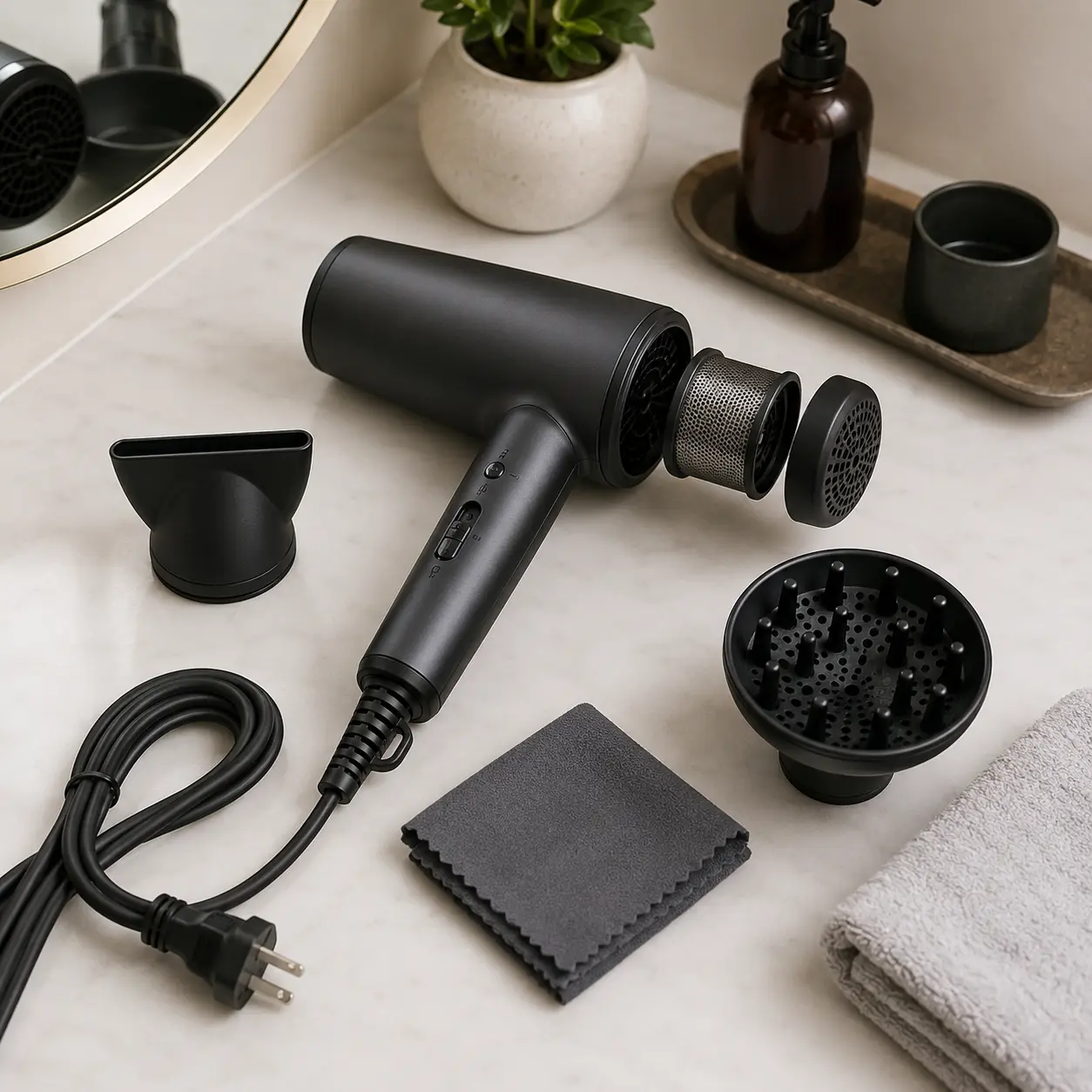
| Concentrator nozzle | Narrow attachment for directed airflow | Useful for smoothing and controlled blow drying | Check included attachments |
| Diffuser | Wider attachment for curls, waves or textured hair | Helps spread airflow more gently | Check whether a diffuser is supplied |
| Weight | How heavy the dryer feels during use | Important for long hair and regular styling | Check product weight where listed |
| Cord length | Length of the power cable | Affects comfort at mirrors and sockets | Check cord length where supplied |
| Noise level | How loud the dryer is in use | Important in shared homes and early mornings | Check noise information where listed |
| Filter access | Rear filter or vent cleaning access | Helps with maintenance and airflow | Check care guidance |
| Storage | Hanging loop, compact body or folding handle where included | Useful for small bathrooms or travel | Check dimensions and storage features |
Key Decision Criteria Explained
Hair Type And Drying Routine
Your hair type should guide the buying decision. Fine hair may not need the same heat or airflow as thick, long or coarse hair. Curly hair may benefit from gentler airflow and a diffuser where supplied. Short hair may be quick to dry with a compact model, while longer hair may need a dryer that feels comfortable during a longer session.
Think about how you actually dry your hair. Do you rough dry quickly before work, style carefully with a brush, dry curls with a diffuser or share the dryer with several people in the household? The right model depends on the routine, not just the highest looking specification.
Heat Settings
Heat settings matter because different hair types and styling tasks need different levels of heat. A lower heat can be useful for finer hair, children’s use where suitable, or gentle drying. Higher heat may help with faster drying, but it should be used with care.
A dryer with multiple heat settings gives more flexibility. It lets you start warmer and finish cooler, or adjust depending on how wet the hair is.
Heat control is especially important if you dry your hair often. Repeated high heat may not suit every hair type or routine.
Speed Settings And Airflow
Speed settings control how strongly air comes out of the dryer. A stronger airflow may dry hair faster, while a gentler speed can help with styling, fringes, curls or more controlled drying.
Some buyers confuse heat with airflow. A dryer can feel hot but not move much air, or move air strongly without needing the highest heat. Both factors matter.
For everyday use, look for a dryer that offers enough control to dry quickly without feeling too harsh.
Cool Shot Function
A cool shot button releases cooler air where included. It is often used after styling to help set the shape, smooth the finish or cool the hair before leaving it.
Not every buyer needs a cool shot, but it can be useful if you use a round brush, smooth your hair section by section or finish styles carefully.
Check whether the cool shot is included and whether it is easy to press during use.
Concentrator Nozzle
A concentrator nozzle narrows the airflow. This helps direct air along sections of hair and can be useful for smoother blow drying, fringes, straight styles or controlled drying with a brush.
Without a nozzle, airflow may feel wider and less precise. That may be fine for quick drying, but less useful for styling.
If smooth results matter to you, check that a concentrator nozzle is included.
Diffuser Attachment
A diffuser spreads airflow across a wider area. It is often used for curls, waves and textured hair because it can help dry without blasting the hair in one strong direction.
Diffusers vary in size and shape. Some are deep and wide, while others are smaller. A diffuser is only useful if it fits the dryer and suits your hair routine.
If curls or waves are a priority, do not assume a diffuser is included. Check the product page before buying.
Weight And Handle Comfort
Weight matters more than many buyers expect. A heavy hair dryer may feel fine for short hair, but tiring for long hair, thick hair or section by section styling.
Handle shape, button placement and balance also affect comfort. A dryer that feels awkward may be frustrating even if it has strong features.
If you dry your hair daily, comfort should be a main buying factor.
Cord Length And Bathroom Setup
Cord length can make a big difference. A short cord may restrict movement if the mirror is not close to the plug socket. A longer cord may be more convenient, but still needs safe cable placement.
Think about where you dry your hair. Bedroom, dressing table and bathroom setups all differ. Some bathrooms may not have suitable sockets for hair dryers, so safe use and product guidance matter.
Check cord length where supplied.
Noise Level
Hair dryers can be loud. Noise matters in shared homes, flats, early mornings, late evenings or family bathrooms.
A quieter dryer may be more comfortable, but noise information is not always listed in the same way across products. Dryer sound can also depend on speed setting and motor design.
If noise matters, treat it as a real buying factor rather than an afterthought.
Filter Cleaning And Maintenance
Hair dryers pull air in through vents or filters. Dust, lint and hair can build up over time, which may affect airflow and safe operation.
A removable or accessible filter can make cleaning easier where included. The main body should be cleaned only as instructed.
If you use the dryer frequently, check filter care before buying.
Product Type Differentiation And Variants
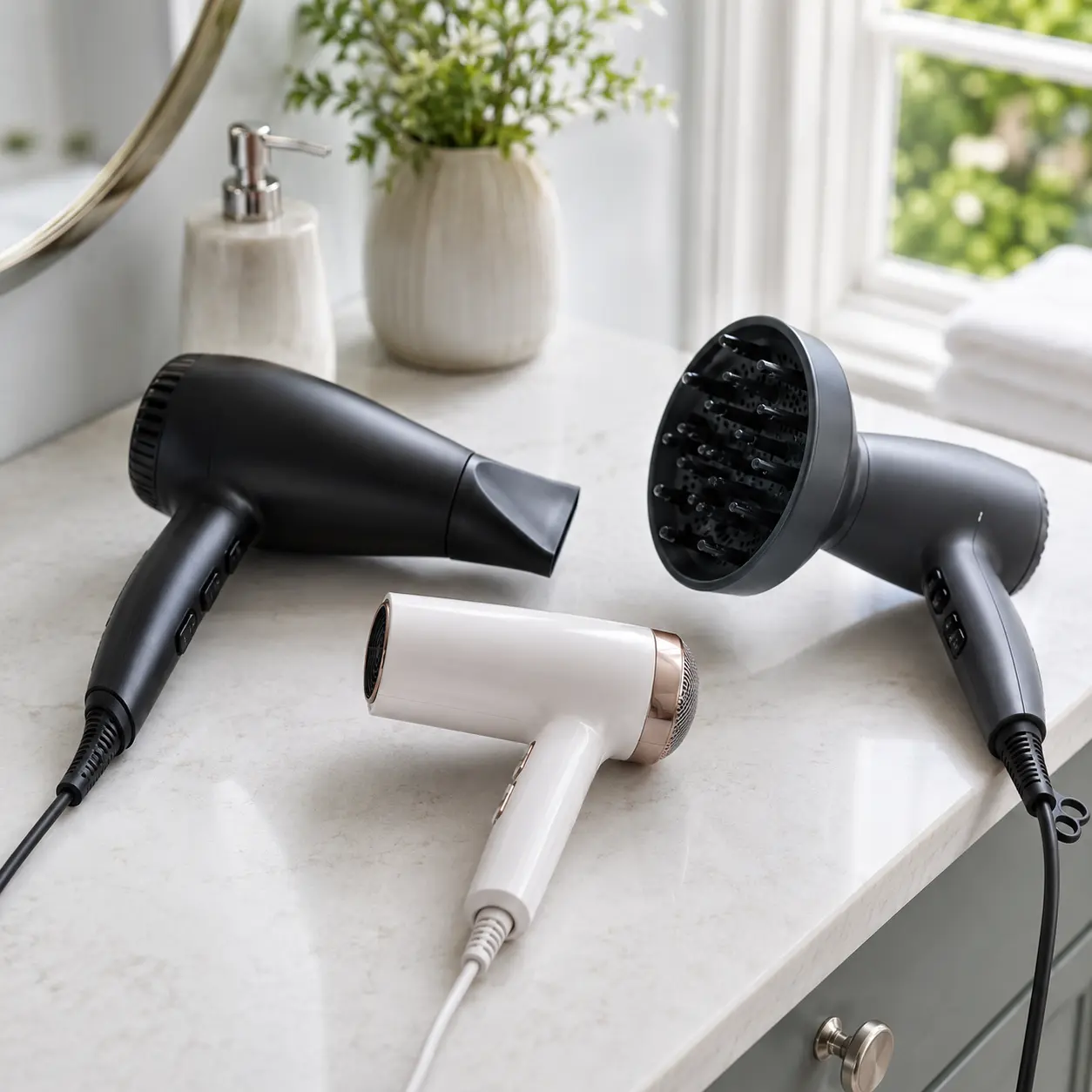
Standard Hair Dryers
Standard hair dryers suit everyday drying and general home use. They may include basic heat settings, speed settings and one or more attachments depending on the model.
The limitation is that they may not offer the specialist features needed for certain styling routines.
Compact Hair Dryers
Compact hair dryers may suit small bathrooms, light use, gym bags or buyers who want easy storage.
The limitation is that they may have smaller bodies, fewer settings or less drying power than larger models.
Travel Hair Dryers
Travel hair dryers are designed for portability. They may include folding handles or compact storage where stated.
The limitation is that they may not replace a full size home dryer for thick, long or regular styling needs. Check travel voltage guidance if taking one abroad.
Ionic Style Hair Dryers
Some hair dryers are described as ionic where stated. These are often marketed around smoother drying and frizz reduction.
The limitation is that results depend on hair type, technique and product design. Do not choose only by one feature term. Check the full specification and attachments.
Diffuser Hair Dryers
A diffuser focused dryer may suit curls, waves or textured hair where a diffuser is included.
The limitation is that diffuser size, airflow and fit vary by model. Check the actual attachment before buying.
Salon Style Hair Dryers
Salon style dryers may offer stronger airflow, more controls, longer cords or styling attachments where stated.
The limitation is size and weight. They may be more powerful but less compact for casual use.
Specifications vary by model, so always check the individual product page before buying.
Suitability By Buyer Type Or Need
| Buyer Type Or Need | What To Prioritise | What To Be Careful About |
|---|---|---|
| Everyday user | Heat settings, speed settings and comfortable weight | Avoid bulky models if storage is limited |
| Thick hair user | Strong airflow, useful heat control and comfortable handling | Drying may still take time |
| Fine hair user | Lower heat settings and gentle airflow | Very high heat may be unnecessary |
| Curly hair user | Diffuser attachment and lower speed control | Not all dryers include a diffuser |
| Smooth styling buyer | Concentrator nozzle and cool shot | Technique matters as well as the dryer |
| Frequent traveller | Compact size, folding handle and travel guidance | Check voltage and plug requirements |
| Family bathroom | Simple controls, attachments and safe storage | Keep cable and hot parts away from children |
| Small bathroom | Compact body and hanging loop where included | Check cord and storage space |
| Noise conscious buyer | Lower noise information where supplied | Strong airflow may still sound loud |
| Gift buyer | Useful attachments and simple settings | Avoid specialist features unless wanted |
Common Mistakes And Misunderstandings
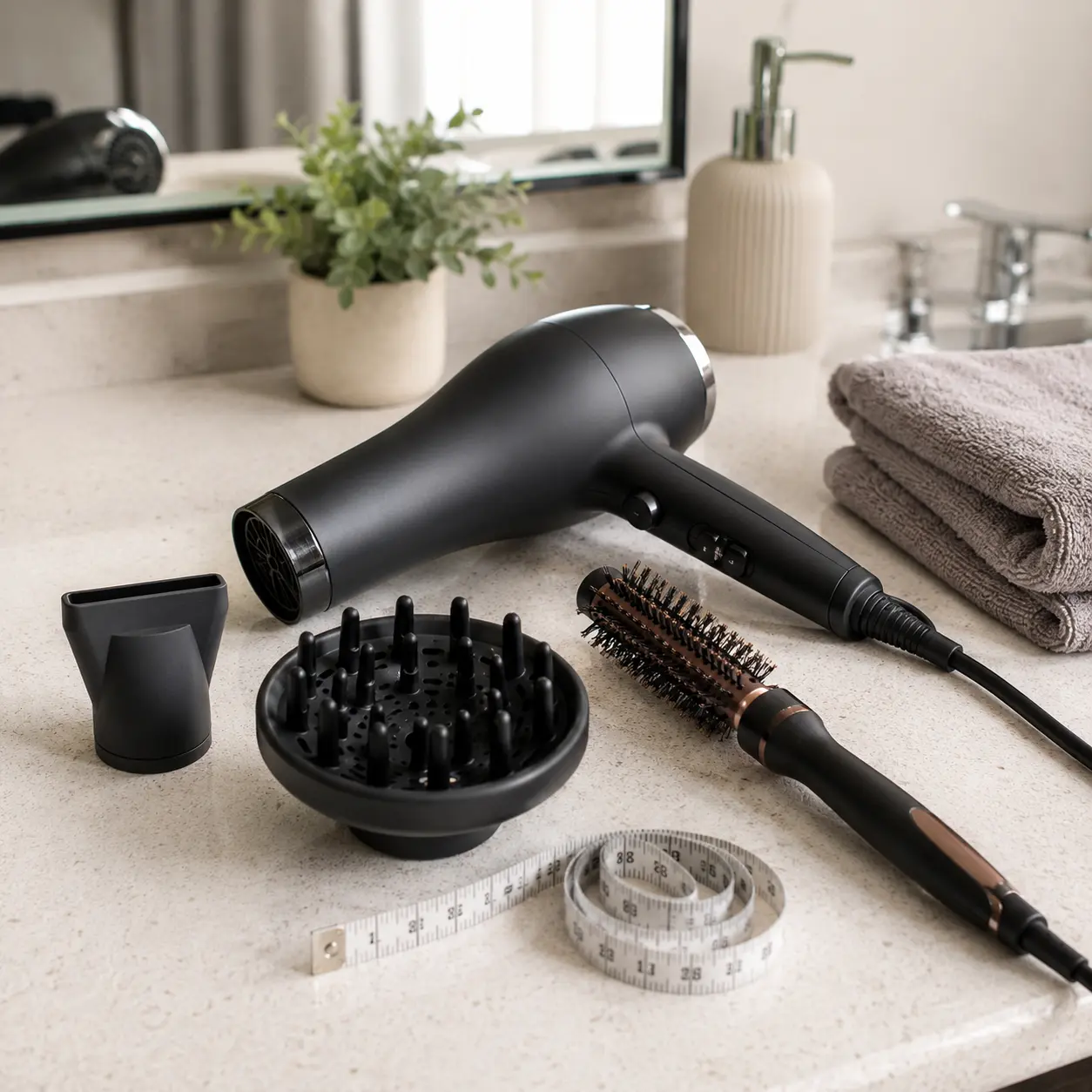
Choosing Only By Power
Power information can help compare hair dryers, but it does not tell the whole story. Airflow design, heat control, attachments, weight and comfort all matter.
Choose based on the full dryer design.
Ignoring Hair Type
A dryer that suits thick hair may feel too hot or heavy for fine hair. A dryer without a diffuser may not suit curly hair routines.
Match the dryer to the user’s hair and habits.
Assuming A Diffuser Is Included
Not every hair dryer comes with a diffuser. Some include only a concentrator nozzle, while others include several attachments.
Check the box contents before buying.
Overlooking Weight
A heavy dryer can become tiring during longer drying or styling sessions.
Check weight and handle comfort where possible.
Forgetting Cord Length
A dryer may have good features but still be awkward if the cable is too short for your mirror or socket position.
Check cord length where listed.
Using Too Much Heat
High heat may speed up drying, but it is not always the best choice for every hair type or routine.
Use heat settings sensibly and follow product guidance.
Neglecting Filter Cleaning
Blocked vents or filters can affect airflow and safe use. Hair dryers need basic maintenance.
Check cleaning guidance and keep vents clear.
Expecting Attachments To Fit Other Dryers
Nozzles and diffusers are often model specific. Do not assume an old attachment will fit a new dryer.
Check compatibility before relying on existing accessories.
Safety And Suitability Caveats
Hair Dryers should be used only as intended and in line with the manufacturer’s instructions. They involve heat, airflow, electricity and moving internal parts, so correct use and storage matter.
Do not use a hair dryer near water unless the product information clearly supports the situation and safe use requirements. Keep the dryer, plug and cable away from baths, sinks and wet surfaces. Do not block air vents or use the dryer if the filter is clogged.
Allow hot attachments and nozzles to cool before handling or storing. Keep the dryer away from children and pets while in use and shortly afterwards. Do not use a damaged dryer, plug or cable.
Do not modify, dismantle or attempt to repair a hair dryer. If the appliance smells unusual, overheats, sparks or seems unsafe, stop using it and follow the product information.
Always check the individual product page for power information, heat settings, attachments, cord length, safety features, cleaning guidance, electrical information and intended use before buying.
Maintenance, Storage And Lifespan Considerations
Hair dryers need simple but regular care. Keep the rear vent or filter clear of dust, lint and hair. Clean only as directed by the product guidance, and make sure the dryer is unplugged before maintenance.
Store the dryer once cool. Avoid wrapping the cable tightly around the body unless the instructions allow it, as this may strain the cable over time.
Keep nozzles, diffusers and travel accessories together so they are not lost. If the dryer has a hanging loop, use it only where suitable and safe.
The lifespan of a hair dryer depends on model, frequency of use, cleaning, storage and how carefully it is handled.
How To Compare Models Efficiently
- Decide what hair type and routine the dryer needs to suit.
- Check heat settings and speed settings.
- Look for a concentrator nozzle if smooth styling matters.
- Look for a diffuser if curls or waves matter.
- Check weight and handle comfort.
- Review cord length for your mirror and socket position.
- Check noise information where supplied.
- Review filter cleaning and care guidance.
- Measure storage space or travel needs.
- Read the individual product page before buying.
Summary Buyer Decision Checklist
Before buying Hair Dryers, check the following:
| Buying Check | Why It Matters |
|---|---|
| Hair type suitability | Different hair needs different airflow and heat |
| Dryer type | Standard, compact and travel dryers suit different routines |
| Heat settings | Helps control drying and styling |
| Speed settings | Affects airflow strength |
| Cool shot | Useful for setting styles |
| Concentrator nozzle | Helps with smooth controlled drying |
| Diffuser | Useful for curls and waves where included |
| Weight | Affects comfort during use |
| Cord length | Affects safe and easy positioning |
| Noise level | Matters in shared homes |
| Filter cleaning | Helps maintain airflow and safety |
| Product page details | Specifications vary by model |
Frequently Asked Questions
For everyday use, look for a dryer with adjustable heat, speed settings, comfortable weight and useful attachments. A concentrator nozzle is helpful for smoother drying, while a diffuser may be important for curls or waves.
You may need a diffuser if you have curly, wavy or textured hair and want gentler airflow. Not every dryer includes one, so check the product page before buying.
A concentrator nozzle narrows and directs airflow. It is useful for smoother blow drying, styling with a brush and drying specific sections of hair more precisely.
A travel dryer may work for occasional drying or shorter hair, but it may not be ideal for thick hair, long hair or regular styling. Travel models are usually chosen for portability rather than full size performance.
Ionic style dryers may appeal to buyers wanting smoother drying where stated, but results depend on hair type, technique and overall dryer design. Compare heat settings, airflow, attachments and comfort as well.
For thick hair, check airflow, heat settings, weight, cord length and included attachments. A comfortable dryer matters because drying may take longer.
For fine hair, check lower heat settings, gentle airflow control and a comfortable lightweight body. High heat may not be necessary for every routine.
Hair dryers must be used carefully around water. Keep the dryer, plug and cable away from sinks, baths and wet surfaces, and always follow the product instructions.
Cleaning varies by model. Many dryers need the rear vent or filter cleared of dust and hair. Always unplug the dryer first and follow the manufacturer’s cleaning guidance.
Check the recipient’s hair type, styling routine, need for a diffuser or concentrator, storage space and travel needs. A good gift should match how they actually dry and style their hair.