BUYERS GUIDE
Oven Buyers Guide
Ovens are kitchen appliances designed to cook, bake, roast, grill and heat food using controlled heat inside an enclosed cooking cavity. They are often bought for family meals, baking, Sunday roasts, batch cooking, fitted kitchens, rental properties, kitchen upgrades and replacing an older appliance that no longer cooks evenly or suits the household.
This guide helps you choose the right oven by explaining the practical details that matter before buying. The right choice depends on oven type, available space, fuel type, capacity, cooking functions, controls, cleaning features, energy use, installation requirements and how you cook day to day.
An oven is not just about fitting into a kitchen cabinet. A single oven may suit many households, while a double oven may be more practical for larger families or buyers who cook several dishes at once. A built in oven needs the right cabinet space, ventilation and electrical setup. The best choice is the one that fits your kitchen, cooking habits and installation requirements.
Specifications vary by model, so always check the individual product page before buying.
Quick Answer
The right Oven is the one that suits your kitchen space, cooking routine and installation setup. For everyday meals, a single electric oven may be enough. For larger households, entertaining or cooking several dishes at once, a double oven or larger capacity model may be more practical. If cleaning is a priority, compare enamel, catalytic, steam clean and pyrolytic style cleaning features where listed. Always check dimensions, capacity, fuel type, functions, controls, shelf positions, door design, ventilation, installation needs and product page details before buying.
Quick Product Comparison Framework
| Feature | What It Means | Why It Matters | What To Check |
|---|---|---|---|
| Oven type | Single, double, compact, built in, built under or freestanding style oven | Different types suit different kitchens and routines | Match the oven type to your kitchen space |
| Fuel type | Electric, gas or dual fuel where applicable | Affects cooking style and installation needs | Check what the product requires |
| Capacity | Internal cooking space, often shown in litres | Affects how much food can be cooked | Check main cavity capacity |
| Dimensions | Height, width and depth | The oven must fit the available space | Measure carefully before buying |
| Cooking functions | Fan oven, conventional heat, grill, defrost, steam assist or other modes where included | Adds flexibility for different meals | Check the function list |
| Fan cooking | Circulates heat around the cavity | Can help with even cooking where included | Check whether fan cooking is listed |
| Grill | Separate or integrated grill where included | Useful for browning and quick finishing | Check grill type and cavity position |
| Shelf positions | The levels available inside the oven | Affects cooking flexibility | Check number of shelves and positions |
| Controls | Dials, buttons, touch controls or digital display | Affects ease of use | Choose controls that suit the user |
| Timer | Minute minder, programmable timer or auto cooking timer where included | Useful for planning meals | Check timer details |
| Cleaning features | Enamel, catalytic liners, steam clean or pyrolytic cleaning where included | Affects maintenance effort | Check cleaning method and guidance |
| Installation needs | Cabinet size, ventilation, electrical rating or gas connection | Crucial before purchase | Check fitting requirements carefully |
Key Decision Criteria Explained
Oven Type
The first decision is the type of oven you need. A single oven is usually the most common choice for fitted kitchens. It may suit everyday meals, baking, roasting and general household cooking.
A double oven gives more cooking space and often lets you cook at different temperatures in separate cavities where supported. This can be useful for families, batch cooking and entertaining.
A compact oven may suit smaller kitchens or specialist spaces. However, it may not fit larger trays or family meals as easily.
Before comparing features, decide what type will actually fit your kitchen.
Built In Versus Built Under
Built in ovens are designed to sit inside a kitchen housing unit, often at eye level. This can make loading and checking food easier for some buyers.
Built under ovens are designed to sit below a worktop. They may suit kitchens where the oven sits beneath a hob or in a lower cabinet space.
The terms sound similar, but they are not always interchangeable. Cabinet height, ventilation and fitting style matter. Always check the product page and your kitchen measurements before buying.
Single Oven Versus Double Oven
A single oven can be enough for many households. It usually takes less space than a double oven and may suit buyers who cook one main dish at a time.
A double oven can be more flexible. It may let you cook a roast in one cavity while baking or grilling in another. This can be useful during family meals, Christmas cooking or batch cooking.
The trade off is space, cost and installation. A double oven may not fit every kitchen.
Fuel Type
Many modern built in ovens are electric, but gas ovens and dual fuel cooking setups may also appear depending on the product category. Electric ovens often offer fan cooking, digital controls and different heating functions where included.
Gas ovens may appeal to buyers who prefer gas cooking or already have a suitable connection. However, gas installation has specific requirements and should only be handled correctly.
Do not assume a new oven can replace the old one without checking the fuel type, connection and installation needs.
Capacity And Cooking Space
Capacity is usually listed in litres, but usable space matters just as much. Shelf positions, cavity shape, tray size and door design all affect what you can cook.
A larger cavity may suit roasts, baking trays, family meals and batch cooking. A smaller oven may suit compact kitchens or lighter use.
Think about your real cooking. If you often cook large joints, multiple trays, pizzas or several dishes, capacity should be high on your checklist.
Fan Cooking And Heat Distribution
Fan cooking uses a fan to circulate heat around the oven cavity where included. This can help with more even cooking and can be useful when using more than one shelf.
Conventional ovens use heat from elements without the same fan assisted airflow, depending on the model. Some buyers prefer conventional heat for certain baking tasks.
The best choice depends on what you cook most often. Check the listed cooking modes rather than assuming every oven works the same way.
Grill Function
A grill is useful for browning, crisping, toast style tasks and finishing dishes. Some ovens include a grill in the main oven cavity, while double ovens may have a separate grill cavity where stated.
If you use the grill often, check its position, tray access and whether the oven includes suitable grill accessories.
A grill can be useful, but it does not replace checking the full cooking function list.
Controls And Timer
Controls affect everyday use. Simple dials may be easy to understand, while digital displays can give more precise timing and programmes.
A timer can help with meal planning. Some ovens may include a basic minute minder, while others may offer programmable cooking where stated.
If several people use the oven, clear controls matter. Complicated menus can become annoying if you mostly cook simple meals.
Cleaning Features
Cleaning is one of the biggest ownership factors. Smooth enamel interiors may need regular wiping. Catalytic liners may help absorb grease in certain areas where included. Steam clean functions may help loosen dirt using moisture where supported. Pyrolytic cleaning heats the oven to a very high temperature to burn residue to ash where included.
Each method has limits. No oven is completely maintenance free. Shelves, trays, glass doors and seals may still need care.
If you roast, grill or cook messy foods often, cleaning features are worth comparing carefully.
Door Design And Visibility
The oven door affects safety, visibility and cleaning. A clear window helps you check food without opening the door. Interior lighting also matters.
Some models may include removable door glass where stated, which can help cleaning. Others may have soft close hinges or cooler door designs where included.
Check door features, especially if the oven will be used in a busy family kitchen.
Installation And Ventilation
Installation is not a small detail. Built in and built under ovens need the correct cabinet size, ventilation and electrical setup. Some ovens may need a higher rated electrical connection, while others may use a standard plug where stated.
Gas ovens need suitable gas connection and correct fitting. Professional installation may be required depending on the appliance and your home setup.
Always check installation requirements before buying, not after delivery.
Product Type Differentiation And Variants
Single Ovens
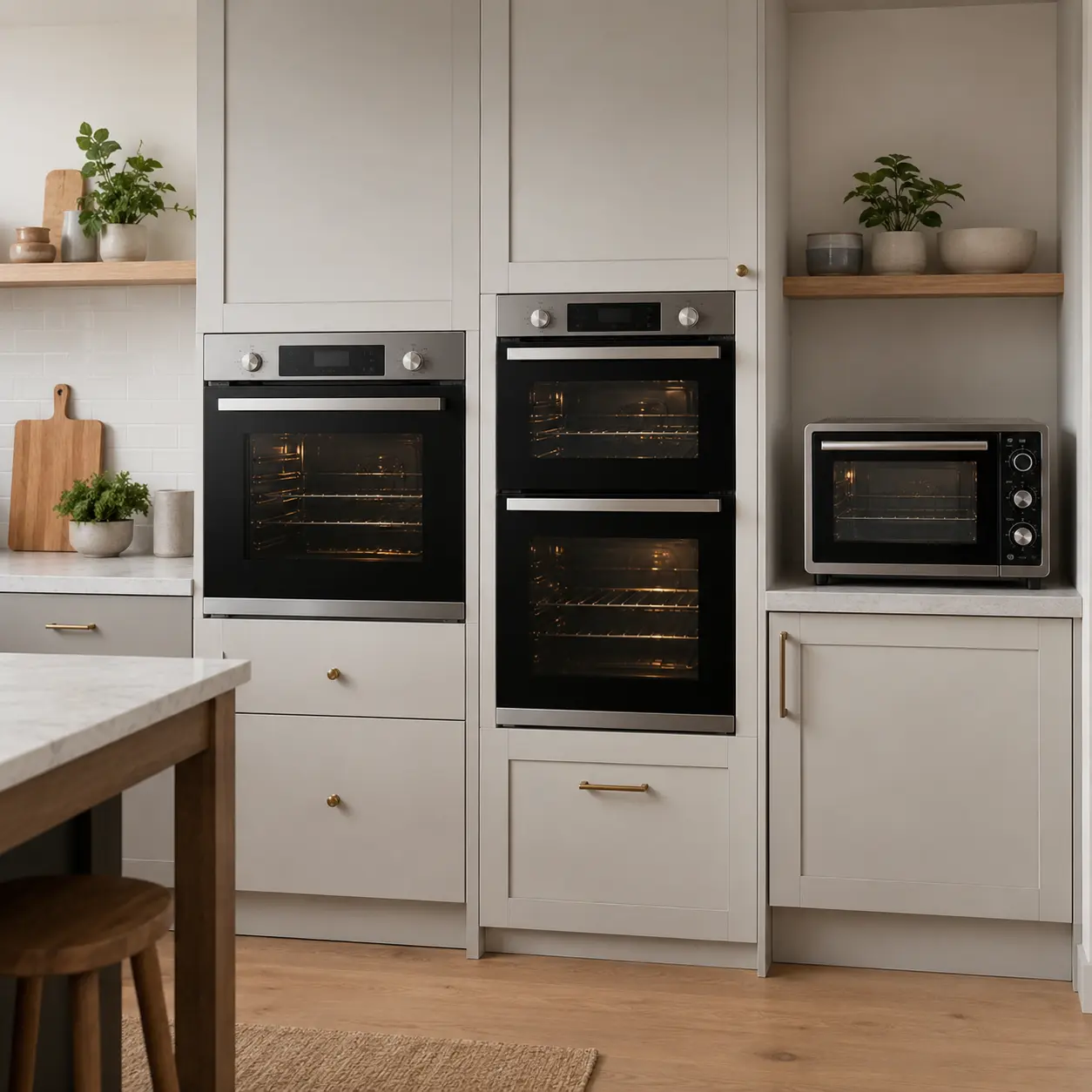
Single ovens have one main cooking cavity. They suit many everyday kitchens and can be practical for general baking, roasting and cooking.
The limitation is that you usually cook within one temperature zone. This may be less flexible for larger meals.
Double Ovens
Double ovens include two cooking cavities where stated. They may suit larger households, meal prep and cooking several dishes at once.
The limitation is that they need more space and may have different cavity sizes. Always check both capacities.
Built In Ovens
Built in ovens are designed to fit within a kitchen housing unit. They may suit fitted kitchens and eye level cooking positions.
The limitation is that cabinet size and ventilation must be correct.
Built Under Ovens
Built under ovens are designed to fit below a worktop. They may suit kitchens where the oven sits beneath a hob or in a lower level cabinet.
The limitation is fitting compatibility. Do not assume every built in oven is suitable for built under installation.
Compact Ovens
Compact ovens are smaller ovens designed for tighter spaces or specific cooking needs. They may suit smaller kitchens, secondary ovens or lighter use.
The limitation is capacity. Larger trays and family meals may not fit as easily.
Steam Assist Ovens
Some ovens include steam assist or moisture based cooking features where stated. These may appeal to buyers who bake bread, cook vegetables or want added cooking flexibility.
The limitation is care and cleaning. Water tanks, trays or steam features may need extra maintenance.
Pyrolytic Ovens
Pyrolytic ovens include a high temperature cleaning cycle where stated. This can reduce some manual cleaning effort.
The limitation is that cycles take time, use energy and still require the user to remove ash and clean other parts as instructed.
Specifications vary by model, so always check the individual product page before buying.
Suitability By Buyer Type Or Need
| Buyer Type Or Need | What To Prioritise | What To Be Careful About |
|---|---|---|
| Everyday household | Single oven, fan cooking and simple controls | Avoid paying for features you will not use |
| Family kitchen | Larger capacity and multiple shelf positions | Compact ovens may be too small |
| Frequent baker | Even heat, shelf positions and temperature control | Door opening and heat loss can matter |
| Batch cooker | Larger cavity or double oven layout | Check usable tray space |
| Entertainer | Double oven, grill and flexible functions | Installation space may be limiting |
| Small kitchen | Compact or suitable built under design | Check tray size and capacity |
| Low maintenance buyer | Cleaning features and removable parts | No oven is completely self cleaning |
| Fitted kitchen buyer | Correct built in size and ventilation | Cabinet compatibility matters |
| Buyer replacing old oven | Matching dimensions, fuel type and connection | Do not assume like for like fitting |
| Budget conscious buyer | Essential functions and suitable capacity | Cheapest may not suit long term use |
Common Mistakes And Misunderstandings
Buying Before Measuring The Cabinet
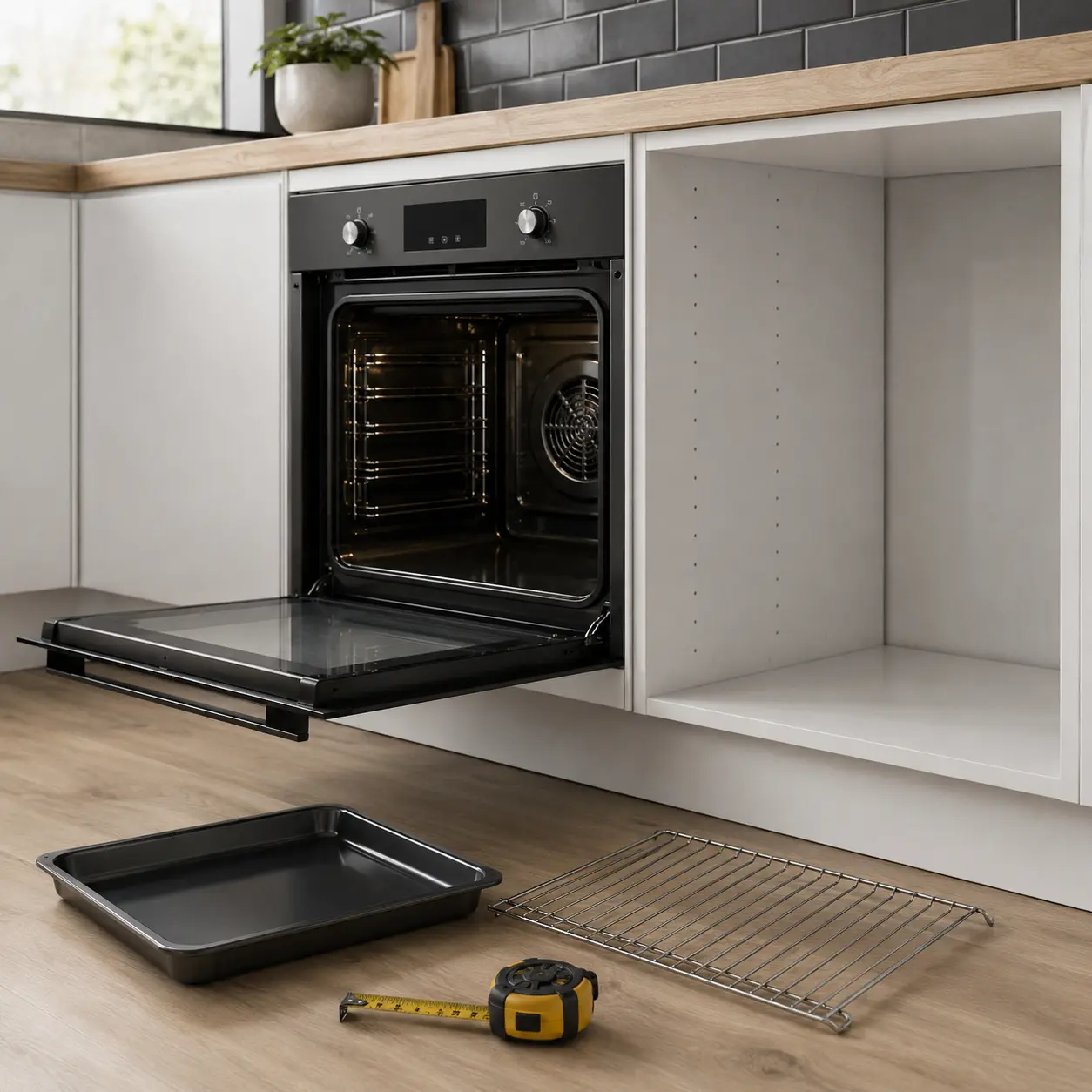
Ovens need accurate measurements. Height, width, depth, ventilation and surrounding cabinet space all matter.
Measure carefully before buying.
Confusing Built In And Built Under
Built in and built under ovens can have different fitting requirements. They are not always direct substitutes.
Check the product page and kitchen layout before choosing.
Choosing Capacity By Litres Alone
Litres are useful, but shelf positions, tray size and usable cavity shape matter too.
Look at the inside as well as the headline capacity.
Ignoring Installation Requirements
Some ovens need specific electrical ratings, wiring or gas connection. This can affect fitting cost and suitability.
Check installation needs before purchase.
Assuming All Fan Ovens Cook The Same
Fan performance, heat distribution and functions vary by model. One fan oven may not behave exactly like another.
Follow the instructions and allow time to learn the new oven.
Overlooking Cleaning
Ovens collect grease, spills and burnt residue over time. Cleaning features help, but they do not remove all maintenance.
Check what cleaning method is included and what still needs manual care.
Buying A Double Oven Without Checking Cavity Sizes
A double oven may give two cavities, but the smaller cavity may not suit every dish.
Check both cavities, not just the overall appliance size.
Choosing By Looks Alone
A stylish oven may suit the kitchen visually, but controls, capacity, cooking modes and cleaning matter more in daily use.
Practical cooking should come first.
Safety And Suitability Caveats
Ovens should be used only as intended and in line with the manufacturer’s instructions. They involve high heat, electricity or gas, hot trays, hot glass, steam and heavy cookware, so correct use and installation matter.
Do not use an oven that is damaged, incorrectly fitted or unsuitable for the available connection. Built in and built under ovens must be installed according to the product guidance. Gas appliances and certain electrical installations may require professional fitting.
Keep children and pets away from hot doors, open ovens and hot trays. Use suitable oven gloves and cookware. Do not line the oven or block vents unless the product guidance clearly allows it.
Do not modify, dismantle or attempt to repair an oven. If the appliance smells unusual, sparks, leaks, overheats, fails to heat correctly or seems unsafe, stop using it and follow the product information.
Always check the individual product page for dimensions, fuel type, electrical rating, installation requirements, cooking functions, cleaning guidance, ventilation needs and intended use before buying.
Maintenance, Storage And Lifespan Considerations
Ovens need regular care to stay practical. Wipe spills when safe to do so, clean shelves and trays according to the product guidance and keep door seals clear of food residue.
If the oven has catalytic, steam clean or pyrolytic cleaning, follow the instructions carefully. Remove accessories before cleaning cycles where required. Do not use harsh or unsuitable cleaning products unless the product guidance allows them.
Check the oven light, seals, shelves and door glass as part of routine care. A clean oven is easier to use and may help avoid odours from burnt food residue.
The lifespan of an oven depends on model, installation, frequency of use, cleaning, ventilation and how carefully it is handled.
How To Compare Models Efficiently
- Decide whether you need a single, double or compact oven.
- Check whether your kitchen needs built in or built under fitting.
- Measure the available space carefully.
- Confirm fuel type and installation requirements.
- Compare capacity and shelf positions.
- Review cooking functions you will actually use.
- Check grill features where needed.
- Compare controls and timer options.
- Review cleaning features and maintenance needs.
- Read the individual product page before buying.
Summary Buyer Decision Checklist
Before buying Ovens, check the following:
| Buying Check | Why It Matters |
|---|---|
| Oven type | Single, double and compact ovens suit different kitchens |
| Built in or built under | Fitting style must match the kitchen |
| Fuel type | Electric and gas ovens need suitable connections |
| Dimensions | The oven must fit the cabinet space |
| Capacity | Should match household cooking needs |
| Shelf positions | Affects tray and multi dish cooking |
| Cooking functions | Fan, grill and specialist modes vary |
| Controls | Should be easy for daily use |
| Timer | Useful for planning meals |
| Cleaning features | Affects long term maintenance |
| Installation needs | Crucial before ordering |
| Product page details | Specifications vary by model |
Frequently Asked Questions
A single electric oven with fan cooking and simple controls may suit many everyday households. Larger families or frequent entertainers may prefer a double oven for more flexibility. The best choice depends on kitchen space and cooking habits.
Built in ovens usually fit into a tall housing unit, often at eye level. Built under ovens fit below a worktop. The fitting requirements can differ, so check cabinet size and installation guidance carefully.
A double oven can be worth it if you cook several dishes at once, entertain often or need separate cooking spaces. It may be unnecessary if you usually cook simple meals in one cavity.
Capacity depends on household size and cooking habits. Families, batch cooks and regular bakers may need more space. However, shelf layout and usable tray space matter as much as litre capacity.
Fan ovens can help circulate heat and may be useful for even cooking where included. However, not every recipe or buyer needs the same cooking mode. Check the functions and follow the product guidance.
Pyrolytic cleaning is a high temperature cleaning cycle available on some ovens. It burns residue to ash, which can then be wiped away after the oven cools. It still needs correct use and some manual care.
Some ovens may need professional installation depending on fuel type, electrical rating, gas connection and kitchen setup. Always check the product requirements before buying.
Not always. You need to check dimensions, fuel type, electrical connection, ventilation and fitting style. Do not assume every oven will fit the same space.
For baking, check temperature control, shelf positions, fan function, cavity size, visibility and whether trays fit comfortably. A clear oven light and window can also help.
Check dimensions, door clearance, ventilation, capacity and whether a compact or built under model would suit the space better. Make sure the oven still fits your normal trays and dishes.