Create Extra Shelter Around Your Camp
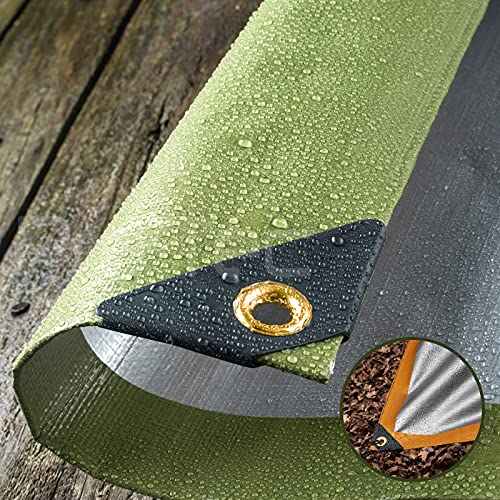
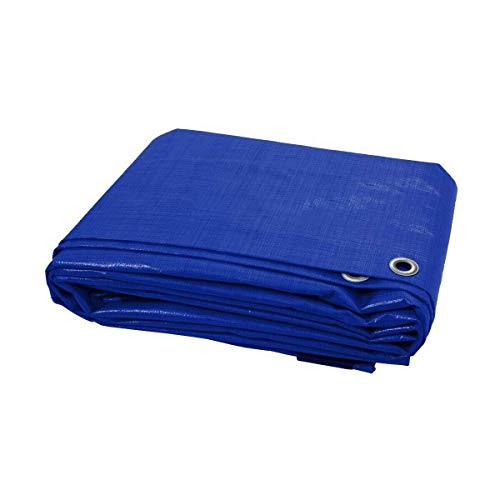
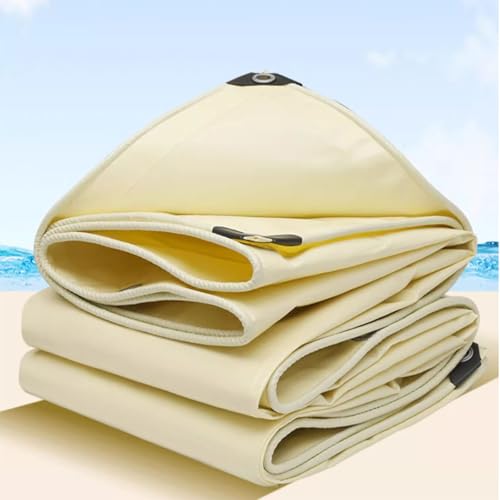
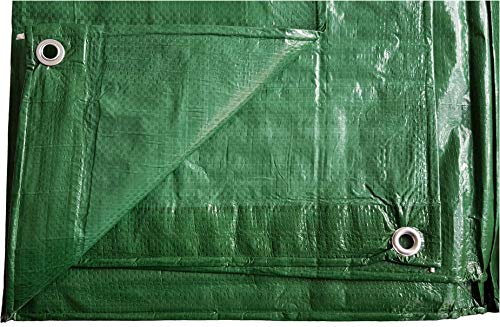
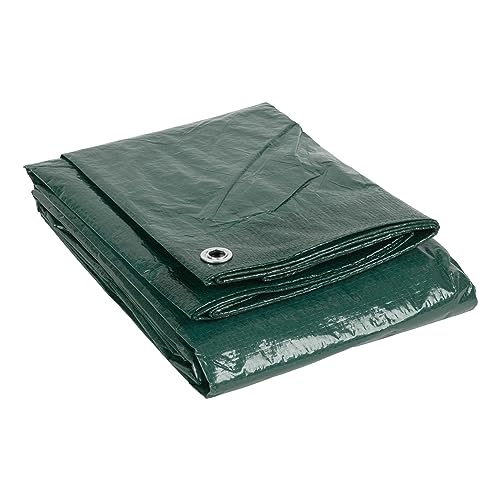
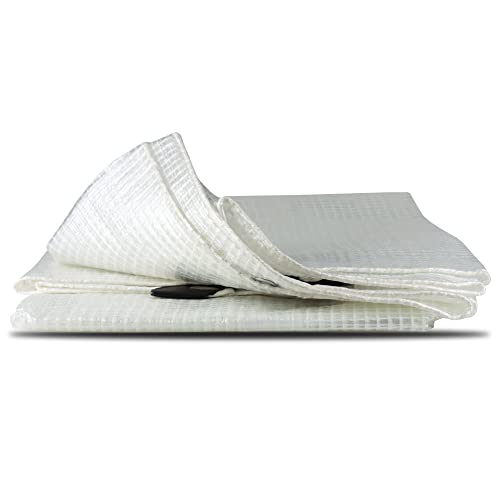
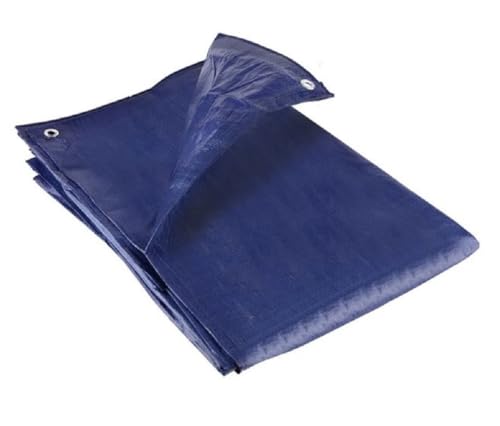
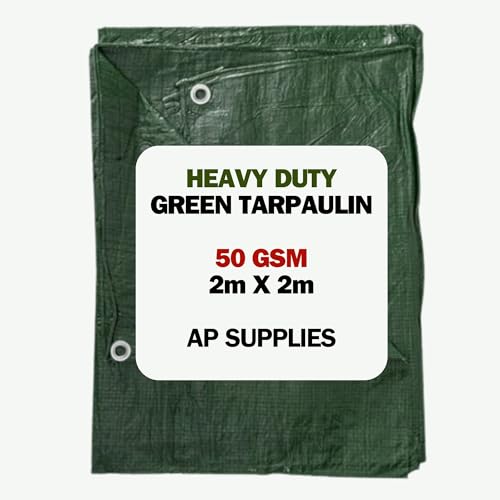
A camping tarp is one of the most useful pieces of kit you can pack because it can be used in several different ways. You can set one up as a rain canopy, sun shade, windbreak, groundsheet, gear cover, entrance shelter or extra living space outside your tent.
For UK camping, where rain, damp grass and sudden weather changes are common, a tarp can help keep your pitch more comfortable. It gives you somewhere to sit, cook where safe and permitted, sort kit or keep muddy boots and bags away from your sleeping area.
A tarp can also make a small tent feel more spacious by creating a sheltered area outside the door.
How to Choose a Camping Tarp
Start by thinking about how you plan to use it. If you want a simple groundsheet or gear cover, a smaller tarp may be enough. If you want a proper sheltered area for sitting, cooking preparation or hammock camping, you may need a larger tarp with more fixing points.
Key decision factors include size, weight, packed size, water resistance, material, reinforced corners, eyelets or loops, guy line points, shape, ease of pitching and whether poles, pegs or lines are included.
You should also think about where you camp. Open campsites may need a tarp that can be secured well in wind, while woodland or hammock setups may need a shape that works between trees or anchor points.
Camping Tarps vs Tent Extensions
A camping tarp is more flexible than a fixed tent extension. You can pitch it in different shapes, move it around your camp and use it with tents, vehicles, hammocks or picnic areas.
A tent extension or awning is usually more structured and may fit a specific tent more neatly. It can feel more enclosed, but it is less adaptable if your pitch layout changes.
The trade-off is flexibility versus fitted comfort. A tarp is useful for many different setups, while a tent extension may offer a more tailored shelter for one particular tent.
Lightweight Tarps vs Heavy-Duty Tarps
Lightweight camping tarps are useful for festivals, walking trips, hammock camping and campers who want shelter without adding much bulk. They are easier to pack and carry, but may need more careful handling in rough weather.
Heavier-duty tarps can feel more robust and may be better for family camping, vehicle camping, longer stays and repeated use. They usually take up more room and weigh more, but they can be more practical when comfort and durability matter.
The right choice depends on your trip. If you carry your kit, choose compact and lightweight. If you camp by car, a larger or sturdier tarp may be worth the extra space.
Useful Ways to Use a Camping Tarp
A tarp can be pitched above your tent entrance to create a dry porch area. This is useful for taking off boots, storing wet coats or keeping cooking equipment protected from light rain when not in use.
It can also be used as a simple sun shade, giving you a cooler place to sit during warm weather. For hammock campers, a tarp can provide overhead rain protection and make overnight sleeping more comfortable.
Some campers use tarps as emergency ground cover, picnic shelters, windbreak support or temporary storage covers. The more you camp, the more uses you usually find for one.
Tarp Size, Shape and Pitching Options
The size of your tarp affects what you can do with it. A small tarp may be useful for one person, a gear cover or a compact shelter. A larger tarp can create a shared living area, cover a table or protect a wider tent entrance.
Rectangular and square tarps are versatile because they can be pitched in several ways. Some shaped tarps are designed for specific uses, such as hammock shelters or more aerodynamic setups.
Before buying, check the dimensions carefully and think about your pitch space. A tarp needs room for guy lines, pegs and safe positioning, especially on busy campsites.
Poles, Pegs, Guy Lines and Fixing Points
Many tarps need extra accessories to work properly. Poles can help create height where there are no trees or fixed points. Pegs and guy lines keep the tarp secure, while strong fixing points help spread tension across the shelter.
Check whether these items are included before buying. If not, you may need to add suitable poles, lines, pegs or clips to complete your setup.
For windy conditions, secure pitching matters. A loose tarp can flap noisily, collect water or pull against its fixing points. Taking time to tension it properly can make your camp more comfortable.
Using Camping Tarps Safely
Always pitch your tarp securely and check it regularly in wind or rain. Avoid letting water pool heavily on the surface, as this can strain the fabric and fixing points.
Keep tarps away from open flames, BBQs, fire pits, heaters, stoves and hot cookware unless the product guidance specifically says it is suitable for that use. Most tarps can be damaged by heat and may create a fire risk if used carelessly.
Do not block campsite paths, roads, neighbouring pitches or emergency access with guy lines or tarp edges. Use visible guy lines where possible and position pegs sensibly to reduce trip hazards.
Camping Tarps for UK Weather
UK camping often means preparing for rain, wind, damp ground and occasional bright sun. A well-pitched tarp can help make your camp more adaptable, especially when the weather changes during the day.
For wet trips, use a tarp to protect your tent entrance, seating area or gear storage. For hot days, use it as shade. For windy pitches, keep it lower and more secure rather than creating a high sail that catches the wind.
After your trip, let the tarp dry properly before storing it. Packing it away wet can lead to smells, mildew and trapped moisture in your camping kit.
Shop Camping Tarps Online
Browse our camping tarps range to find practical shelter options for tents, hammocks, campsites, festivals, campervans and outdoor adventures. Compare size, weight, material, fixing points and pitching options to choose a tarp that suits the way you camp.
Camping Tarps FAQs
What is a camping tarp used for?
A camping tarp is used for extra shelter, shade, rain protection, ground cover, gear storage, hammock protection or creating a covered living area around your tent or campsite pitch.
Do I need a tarp for camping?
You do not always need one, but a tarp is very useful in UK weather. It can give you extra dry space, protect gear, create shade and make your pitch more comfortable.
What size camping tarp should I buy?
Choose the size based on how you’ll use it. A small tarp may suit one person or a gear cover, while a larger tarp is better for group seating, tent entrances, hammocks or cooking preparation areas.
Can I use a tarp as a tent footprint?
Yes, some tarps can be used as a groundsheet or tent footprint if the size and material are suitable. Make sure it does not stick out too far beyond the tent floor, as this can collect rainwater underneath.
Are camping tarps waterproof?
Many camping tarps are designed to resist rain, but water protection varies by product. Check the product details, seams, material and hydrostatic guidance where supplied.
Do camping tarps come with poles?
Some camping tarps include poles, pegs and guy lines, while others are supplied as the tarp only. Always check what is included before buying.
Can I cook under a camping tarp?
Only cook under a tarp if it is safe, well ventilated and the tarp is kept well away from heat, flames and fumes. Never use BBQs, stoves or fire pits in enclosed or unsafe shelter setups.
Are tarps good for hammock camping?
Yes, tarps are commonly used with hammocks to provide overhead rain protection and shade. Choose a tarp large enough to cover the hammock and allow suitable pitching angles.
How do I stop a tarp flapping in the wind?
Pitch it securely with proper tension, use suitable guy lines and pegs, and keep the profile lower in windy conditions. Avoid loose fabric and check fixings during bad weather.
How should I store a camping tarp?
Clean off dirt, let the tarp dry fully and pack it away according to the product instructions. Store it in a dry place away from sharp objects, damp and direct heat.