
Airsoft Tools
Airsoft tools are used to help players maintain, adjust, clean and organise compatible airsoft replicas, magazines, accessories and skirmish day equipment. The right tools can help with simple safe zone fixes, loose screws, sight adjustment, magazine checks, grip fitting, rail accessories, battery compartments, HPA fittings and basic maintenance tasks.
Our Airsoft Tools range is designed for players who want practical support equipment for airsoft use. At YPC, we run real airsoft skirmish days at Yorkshire Outdoor Activity Park, so we understand how important reliable tools, careful maintenance and sensible safe zone preparation are during proper airsoft play.
- Airsoft Tools
ToopMount Gun Cleaning Kit for Pistol Handgun .177cal to .22cal
Original price was: £29.99.£23.99Current price is: £23.99. *View On Amazon* - Airsoft Tools
WYNEX Tactical Molle Admin Pouch with Elastic Webbing Insert Panel
£23.99 *View On Amazon* - Airsoft Tools
MERCIYD Outdoor Tactical Vest with Adjustable Fit and MOLLE Design
£36.99 *View On Amazon* - Airsoft Tools
Dophee Airgun Barrel Cleaning Brush Kit for .177 and .22 Calibre
£11.99 *View On Amazon* - Airsoft Tools
Rebel Precision Nova Airsoft Barrel Cleaning and Unjamming Rod Kit
£17.00 *View On Amazon* - Airsoft Tools
ACETECH AuraMist 14mm CCW Airsoft Tracer Unit with LED Effect
£120.00 *View On Amazon* - Airsoft Tools
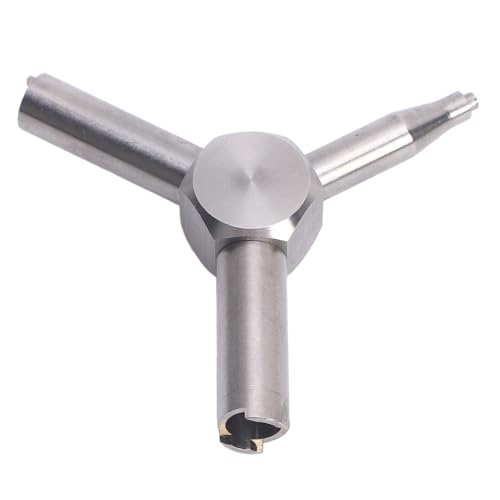
Stainless Steel Airsoft Valve Key Tool for KSC WA Gas Magazines
£7.88 *View On Amazon* - Airsoft Tools
STREBITO Mini Electric Screwdriver 67-in-1 Tool Kit
Original price was: £29.99.£26.99Current price is: £26.99. *View On Amazon* - Airsoft Tools
ACETECH ACEHIVE Rail-Mounted Airsoft Grenade Launcher for Volcano 40mm
£29.00 *View On Amazon* - Airsoft Tools
ACETECH Quark Airsoft Shotgun Tracer Unit for 23 to 23.5 mm Barrels
£100.00 *View On Amazon*






Practical Tools for Airsoft Game Days
Airsoft tools are useful because small issues can stop a replica or accessory from working properly. A loose rail screw, awkward battery cover, leaking magazine, loose sight mount or poor pouch fitting can all cause frustration during a skirmish day.
A small tool kit can help players make simple adjustments before games, during safe zone breaks or after a wet woodland session.
The aim is not to turn every player into a technician. The aim is to keep practical tools available for the jobs you can do safely and correctly.
How to Choose Airsoft Tools
Start by thinking about the equipment you use. A player with AEGs, gas pistols, HPA gear, scopes, rails, magazines and tactical kit may need a different tool selection from someone with one basic starter rifle.
Key decision factors include replica type, tool size, screw type, hex key sizes, precision driver fit, magazine tools, valve tools, rail accessories, cleaning tools, battery compartment access, HPA fitting compatibility, tool quality, safe storage, portability and whether the tool is suitable for airsoft use.
Do not choose tools only because the kit looks large. A smaller set of correctly sized tools is usually better than a big box of poor fitting tools that strip screws or damage parts.
Airsoft Tool Kits
An airsoft tool kit gives players a dedicated place for small tools used around replicas and accessories.
A useful kit may include hex keys, screwdrivers, small spanners, cleaning tools, valve tools, cloths, spare screws, O rings and simple maintenance items depending on your setup.
Keep the kit organised. A tool kit is only useful if you can find the right tool quickly in the safe zone.
Hex Keys and Allen Keys
Hex keys are among the most useful airsoft tools because many rails, grips, sights, stocks, handguards, motor plates and accessories use hex screws.
Using the wrong size hex key can round out the screw head and make the part difficult to remove later.
Choose good quality keys that fit properly. If a screw feels like it is slipping, stop and check the size before applying more force.
Screwdrivers and Precision Drivers
Small screwdrivers and precision drivers are useful for battery covers, optics, grip panels, magazine parts, sight mounts, accessory rails and small external screws.
Airsoft replicas often use small screws that can strip easily if the wrong driver is used.
Use a screwdriver that fits the screw head properly. A loose or badly fitting driver can damage the screw, the replica or the accessory.
Torx Tools
Some airsoft accessories, optics, rails and external parts use Torx screws rather than standard hex or Phillips screws.
A Torx screw needs the correct Torx driver. A near-fit tool may damage the head and make removal difficult.
If your kit includes modern rail accessories or optics, a small Torx set can be useful.
Spanners and Nut Drivers
Small spanners and nut drivers can be useful for some airsoft fittings, stock parts, rail mounts, HPA accessories, sling mounts and external hardware.
Use the correct size and avoid overtightening. Airsoft parts may use lighter materials than real tools or industrial equipment are designed for.
If a nut or fitting needs excessive force, stop and check whether it is cross threaded, dirty or incompatible.
Pin Punches and Small Drift Tools
Pin punches and drift tools can help remove or seat pins in compatible airsoft replicas, magazines or external parts.
These tools should be used carefully. Striking too hard can damage receiver parts, crack plastic or deform pins.
If a pin does not move with controlled pressure, do not force it. The part may be retained differently or may need technician support.
Needle Nose Pliers and Tweezers
Needle nose pliers and tweezers are useful for small springs, wires, clips, O rings, pins and awkward parts.
They can help with careful handling, but they can also damage parts if used roughly.
Avoid gripping wires, seals or small plastic parts too hard. Airsoft components can be delicate.
Airsoft Valve Tools
Valve tools are used with compatible gas magazines, CO2 magazines or HPA fittings where the product is designed for that type of tool.
They can help remove or tighten valves carefully, but they should only be used when you understand the magazine or fitting being worked on.
Do not force valves. Damaged threads, seals or valve faces can cause leaks and make the magazine unreliable.
Magazine Tools
Magazine tools can help with loading, disassembly, valve access, base plate removal, spring care or simple maintenance depending on the magazine type.
AEG magazines, gas magazines, CO2 magazines, sniper magazines and shotgun shells may all require different tools or handling.
Before working on a magazine, make sure it is unloaded, depressurised where relevant and safe to handle.
Speed Loaders and Loading Tools
Speed loaders are not repair tools, but they are essential practical tools for many airsoft players.
They help load mid cap magazines, pistol magazines, sniper magazines and some shotgun shells more quickly and cleanly.
Use clean BBs and avoid forcing BBs into a magazine that feels jammed. A blocked magazine should be checked rather than overloaded.
Barrel Cleaning Tools
Barrel cleaning rods, cloth patches and suitable cleaning supplies are useful for keeping the inner barrel clean.
A dirty barrel can cause poor accuracy, inconsistent shots and frustration. Many players overlook simple barrel cleaning and blame the replica instead.
Use cleaning tools gently and keep oil away from the hop-up and inner barrel unless the manufacturer specifically says otherwise.
Hop-Up Adjustment Tools
Some airsoft replicas need small tools for hop-up adjustment, while others can be adjusted by hand.
A useful hop-up tool should allow controlled adjustment without damaging the dial, wheel or arm.
Do not force hop-up parts. If adjustment feels stiff, jammed or uneven, the unit may need proper inspection.
Motor Height Adjustment Tools
Some AEGs require a tool to adjust motor height through the base of the pistol grip.
Motor height affects how the motor pinion gear engages with the gearbox. Incorrect adjustment can create harsh noise, poor efficiency or long term wear.
If your AEG suddenly sounds rough, screechy or strained after grip work or adjustment, stop and get the setup checked before playing.
Rail and Accessory Tools
Many airsoft sights, torches, foregrips, bipods, sling mounts and rail covers need small tools for fitting and adjustment.
Check accessories before each game day. A loose optic, moving foregrip or unstable sling mount can become annoying or unsafe during play.
Do not overtighten rail screws. Secure is good, but stripped threads and cracked mounts create new problems.
Optic and Sight Tools
Small tools may be needed to fit red dot sights, scopes, lens covers, risers and mount bases.
Some sights also need adjustment tools for windage, elevation or battery compartments.
Always check sight mounts before play. A sight that moves during a game will not stay consistent.
Battery Compartment Tools
Some airsoft replicas need small tools to open battery compartments, stock covers or handguard sections.
These tools are useful for safe zone battery changes, especially on compact replicas or front wired AEGs.
Be careful with battery wires and connectors. Do not pinch, crush or pull wiring when opening or closing battery compartments.
Connector and Wiring Tools
Some players carry simple tools for battery connectors, cable tidying or checking obvious wiring issues.
Electrical work should be done carefully. Damaged insulation, loose connectors, hot wires or burnt smells are warning signs.
Do not attempt complex wiring repairs in the safe zone unless you know exactly what you are doing. Battery and electrical problems can become safety issues.
HPA Tools
HPA tools may include fitting spanners, O ring picks, line tools, regulator accessories, fill nipple covers and small maintenance items for compatible air systems.
HPA equipment uses compressed air, so tools must be used carefully. Do not work on pressurised equipment unless the product guidance says it is safe to do so.
If a fitting leaks, a regulator behaves unusually or a line is damaged, stop using the setup and ask someone competent to inspect it.
O Ring Picks and Seal Tools
O ring picks and seal tools can help remove small seals from gas magazines, HPA fittings and other compatible parts.
Use blunt or suitable tools where possible. Sharp tools can scratch sealing surfaces and make leaks worse.
A damaged O ring should be replaced with the correct size and material. Do not use random seals that are not suitable for the pressure or gas system.
Chronograph Support Tools
A chronograph is a testing device rather than a hand tool, but it is part of many players’ technical setup.
Tools may be needed to adjust hop-up, motor height, regulator locks or sight mounts after chrono testing.
Always follow site chrono rules. Personal tools and personal chrono checks do not override the site’s official safety process.
Tournament Lock Tools
Some HPA setups use tournament locks to stop regulator pressure being changed after chrono.
If your site requires a lock, the correct tool may be needed to fit or remove it under the site’s process.
Do not use tools to bypass regulator locks or site rules. Tournament locks support fair and safe play.
Multitools for Airsoft
A multitool can be useful in an airsoft kit bag because it combines several functions in one compact item.
It may help with small adjustments, loose screws, packaging, pouches or simple safe zone tasks.
However, a multitool is not always the best tool for delicate airsoft screws. Use proper precision tools when fit matters.
Tool Pouches and Cases
Tool storage matters. Loose tools in a kit bag can scratch lenses, damage batteries, puncture packaging or damage magazines.
A tool pouch or small case keeps tools organised and safer to transport.
Keep sharp or pointed tools away from batteries, LiPo packs, gas cans, goggles and soft equipment.
Spare Screws and Small Parts
Small spare screws, washers, rail nuts, grip screws and O rings can save a game day if something works loose or goes missing.
Keep spares in a labelled container so they do not roll around loose in your kit bag.
Use only suitable replacement parts. A wrong screw can strip threads, crack plastic or damage internal parts.
Safe Zone Tool Use
Most tool use should happen in the safe zone or a designated tech area, not during active games.
Before working on a replica, make it safe. Remove the magazine, clear BBs, disconnect batteries where relevant and remove gas or air pressure where appropriate.
Do not point replicas at people during maintenance. Safe handling still applies when tools are out.
Tools for Woodland Airsoft
Woodland airsoft can loosen accessories, cover kit in mud and expose equipment to rain, branches and rough ground.
Useful woodland tools include hex keys, screwdrivers, cleaning rods, cloths, spare screws, lens cloths and simple magazine support items.
At YPC skirmish days, tools are most useful when they help solve real outdoor kit problems quickly and safely.
Tools for CQB Style Airsoft
CQB style airsoft, where permitted, can involve faster movement, more contact with barriers and more frequent accessory knocks.
Compact tool kits are useful for tightening sights, rail accessories, grips, holsters and magazine pouches.
Keep tools secure in the safe zone. Do not carry unnecessary sharp or heavy tools during active games.
Tools for AEG Players
AEG players may benefit from hex keys, screwdrivers, barrel cleaning tools, battery connector checks, motor height tools and magazine maintenance items.
Most simple external checks can be done by players. Gearbox work is different and should be approached carefully.
Do not open an AEG gearbox unless you understand the parts inside and can reassemble it correctly.
Tools for Gas Pistol Players
Gas pistol players may need valve tools, small screwdrivers, silicone seal care items, magazine tools and cleaning cloths.
Gas magazines should be checked for leaks before game day. A leaking magazine is easier to deal with at home than five minutes before the first game.
Always depressurise equipment safely before working on parts that hold gas.
Tools for CO2 Players
CO2 players may need cartridge tools, magazine tools, seal care items and small drivers depending on the replica.
Do not overtighten CO2 retaining screws. Too much force can damage seals, threads or magazine parts.
Never attempt to refill disposable CO2 powerlets or modify CO2 equipment with unsuitable tools.
Tools for HPA Players
HPA players often need fitting tools, O rings, line support items, regulator accessories and tournament lock tools.
Pressure equipment must be treated carefully. Do not use random tools to force fittings, bypass safety features or adjust equipment after chrono without site approval.
Responsible HPA players keep tools organised and use them to maintain compliance, not to avoid it.
Tools for Sniper and DMR Players
Sniper and DMR style players often care about consistency, hop-up setup, sight adjustment and secure external parts.
Useful tools may include hex keys, sight tools, barrel cleaning tools, magazine tools and hop-up adjustment tools.
A DMR or sniper setup should be checked carefully because site rules, power limits and engagement distances may be stricter.
Tools for Beginners
Beginners do not need a large tool kit immediately. A simple set of correct hex keys, a suitable screwdriver, cleaning rod, cloths and speed loader is often enough at first.
New players should avoid opening gearboxes, regulators or complex gas systems until they understand what they are doing.
For beginners, the best tools are the ones that support safe, simple checks without encouraging unnecessary disassembly.
Tools for Regular Players
Regular players often build a tool kit around the replicas they actually use. They know which screws loosen, which magazines need attention and which tools are needed for their own setup.
A good regular player kit may include hex keys, drivers, cleaning tools, O rings, spare screws, magazine tools, lens cloths, tape and a small organiser.
At YPC airsoft events, organised players usually have the tools they need without carrying a heavy workshop to the safe zone.
Tools for Teams and Groups
Teams and regular groups may benefit from a shared tool kit for safe zone use.
This can include common hex keys, screwdrivers, cleaning tools, spare screws, magazine tools, tape, lens cloths and basic maintenance items.
One person should keep the kit organised. Shared tools quickly become useless if they are lost, mixed up or returned dirty.
Tool Quality Matters
Poor quality tools can damage airsoft equipment. Soft hex keys, badly shaped screwdrivers or loose fitting bits can strip screws and turn simple jobs into awkward repairs.
A better quality tool that fits properly is usually worth more than a large low quality kit.
Airsoft parts are often small and easy to damage, so tool fit matters.
Avoiding Over-Tightening
Over-tightening is one of the most common mistakes when using airsoft tools. Many airsoft parts are made from polymer, alloy or lighter materials that can be damaged by too much force.
Tighten parts enough to be secure, but do not force screws beyond their normal stop.
If a screw keeps coming loose, the answer may be proper fitting or suitable thread treatment where appropriate, not simply tightening harder.
Avoiding Stripped Screws
Stripped screws are frustrating and often caused by using the wrong tool size, poor pressure or overtightening.
Make sure the tool is fully seated before turning. If the screw feels damaged, stop before making it worse.
Replacing a screw early is easier than extracting a completely rounded one later.
Avoiding Unnecessary Disassembly
Not every issue needs a full strip down. Many airsoft problems come from dirty barrels, poor BBs, weak batteries, loose accessories, magazine issues or simple fitment problems.
Taking apart a gearbox, regulator or gas system without knowledge can create more faults.
Start with simple checks first. If the problem is deeper, ask a technician.
When to Ask an Airsoft Technician
Ask an experienced airsoft technician for gearbox work, motor alignment, shimming, wiring repairs, HPA regulator issues, major gas leaks, internal upgrades, spring changes, hop-up replacement or anything that affects power and safety.
Tools are useful, but they do not replace technical knowledge.
If a mistake could damage the replica or create unsafe performance, get proper help.
Cleaning and Caring for Airsoft Tools
Tools should be kept clean, dry and organised. Mud, rain, grit and old oil can make tools harder to use and can transfer dirt into replicas.
After wet games, dry tools before storage and check for rust, worn tips or damaged handles.
Replace tools that no longer fit screws properly. Worn tools damage equipment.
Transporting Airsoft Tools
Transport tools in a proper pouch, case or organiser. Do not leave sharp tools loose with batteries, gas cans, goggles or magazines.
Keep tools away from LiPo batteries and wiring where they could cause damage or shorting.
A compact organised tool pouch is safer and easier than a loose pile of tools in a kit bag.
Responsible Use Away from Site
Airsoft tools should be used in appropriate private, safe zone or workshop areas.
Airsoft replicas should always be transported safely, legally and discreetly in suitable bags or cases. Do not handle, adjust or display realistic replicas in public places.
Keep tool use sensible and discreet away from the airsoft site.
When Not to Use Airsoft Tools
Do not use tools on loaded, pressurised or unsafe replicas. Do not use damaged tools, wrong sized tools or improvised tools on delicate parts.
Do not use tools to bypass site rules, regulator locks, safety limits or marshal instructions.
If you are not sure what a tool is for, do not use it until you understand the job properly.
Shop Airsoft Tools Online
Browse our Airsoft Tools range to find practical support equipment for compatible airsoft replicas, magazines, HPA systems, gas equipment, AEGs, optics, rails and skirmish day accessories. Compare hex keys, precision screwdrivers, Torx tools, valve tools, O ring tools, cleaning rods, speed loaders, multitools, spare screw kits, tool pouches and safe zone maintenance items to build a practical airsoft tool kit.
Airsoft Tools FAQs
What tools are useful for airsoft?
Useful airsoft tools include hex keys, screwdrivers, Torx tools, cleaning rods, valve tools, O ring tools, speed loaders, lens cloths and small maintenance items.
Do beginners need airsoft tools?
Beginners only need basic tools at first. A simple hex key set, screwdriver, cleaning rod, cloth and speed loader are often enough.
Can I use normal tools on airsoft guns?
Sometimes, but the tool must fit properly. Poor fitting tools can strip screws, crack parts or damage accessories.
What are hex keys used for in airsoft?
Hex keys are used for many rails, grips, stocks, sights, motor plates, handguards and external accessories.
What are airsoft valve tools used for?
Valve tools are used on compatible gas magazines, CO2 magazines or air fittings where the product is designed for that tool.
Do I need tools for AEG maintenance?
Basic tools are useful for external checks, battery compartments and barrel cleaning. Gearbox work needs proper knowledge and is often better handled by a technician.
Do I need tools for gas magazines?
Gas magazine users may need valve tools, seal care items and small screwdrivers depending on the magazine type.
Do I need tools for HPA airsoft?
HPA players may need fitting tools, O rings, regulator accessories and tournament lock tools, but pressure equipment must be handled carefully.
Can the wrong tool damage an airsoft gun?
Yes. Wrong sized tools can strip screws, damage threads, crack plastic or cause poor fitment.
Should I open my airsoft gearbox?
Only if you know what you are doing. Gearboxes are technical and can be damaged by poor disassembly or reassembly.
Can tools help with magazine feeding problems?
Sometimes. Tools can help clean or inspect magazines, but feeding issues may also be caused by poor BBs, weak springs, damaged feed lips or compatibility problems.
Should I carry tools during games?
Most tools are better kept in the safe zone. Carrying unnecessary tools during games adds weight and can be unsafe or uncomfortable.
How should I store airsoft tools?
Store them clean, dry and organised in a pouch, case or tool roll. Keep sharp tools away from batteries, lenses and gas equipment.
What tools should regular players keep in a kit bag?
Regular players often keep hex keys, screwdrivers, cleaning tools, spare screws, O rings, valve tools, lens cloths, tape and a small organiser.
When should I ask an airsoft technician for help?
Ask a technician for gearbox work, wiring repairs, regulator issues, major leaks, motor alignment, hop-up replacement or any fault you cannot confidently diagnose.
Why buy Airsoft Tools from YPC?
YPC runs real airsoft skirmish days at Yorkshire Outdoor Activity Park, so we understand how important correct tools, safe maintenance, reliable kit checks and organised safe zone preparation are during proper airsoft play.
 Getting ready for Summer? View our Home and Garden Products

Heading outdoors this winter? Take a look at our Outdoor Clothing.