
Archery Kids Bows
Archery kids bows are junior bows designed for younger archers learning safe target archery under adult supervision. A suitable children’s bow should be light enough to hold, easy enough to draw, correctly matched with safe arrows and used only with a proper target, clear range rules and a controlled shooting area.
At YPC, we run real archery sessions at Yorkshire Outdoor Activity Park with qualified instruction, so we understand how important safe supervision, manageable draw weight, suitable arrows, proper targets and clear instructions are when children try archery. This category is designed for responsible junior target archery, not hunting misuse, unsafe public use or unsupervised play.
- Archery Kids Bows
2-Piece Kids Bow and Arrow Archery Set with Suction Cup Arrows
£11.99 *View On Amazon* - Archery Kids Bows
Kids Bow and Arrow Toy Set with LED Lights, Target and 8 Arrows
£20.99 *View On Amazon* - Archery Kids Bows
AUVIM Light-Up Bow and Arrow Set for Kids, 2 Pack with 10 Arrows
£28.99 *View On Amazon* - Archery Kids Bows
BESTonZON Archery Target with Suction Cup Hanging Practice Board
Original price was: £9.89.£9.49Current price is: £9.49. *View On Amazon* - Archery Kids Bows
PMTFUMY Adjustable Archery Finger Sling for Recurve Bow, 1-Pack
£4.20 *View On Amazon* - Archery Kids Bows
PATIKIL Shield Cut Arrow Vanes 4 in Right Wing, White, 10 Pack
£8.39 *View On Amazon* - Archery Kids Bows
HERCHR 10 Pack Suction Cup Arrow Heads for Archery Practice
Original price was: £12.85.£9.48Current price is: £9.48. *View On Amazon* - Archery Kids Bows
12-Pack Replacement Suction Cup Arrows for Archery Practice
£11.59 *View On Amazon* - Archery Kids Bows
EK Archery 27 inch Wooden Arrows with Natural Feathers, Pack of 3
£15.99 *View On Amazon* - Archery Kids Bows
longbowmaker Leather Archery Arm Guard, 8.66 Inch Brown Forearm Protection
£19.99 *View On Amazon* - Archery Kids Bows
BICASTER Barebow Finger Tab with Brass Finger Guards, Medium, Right Hand
£39.99 *View On Amazon* - Archery Kids Bows
longbowmaker Black Archery Arm Guard Adjustable Cow Leather Bracer
£21.99 *View On Amazon* - Archery Kids Bows
Kids Archery Bow and Arrow Toy Set with Target Board, Age 3+
£9.99 *View On Amazon* - Archery Kids Bows
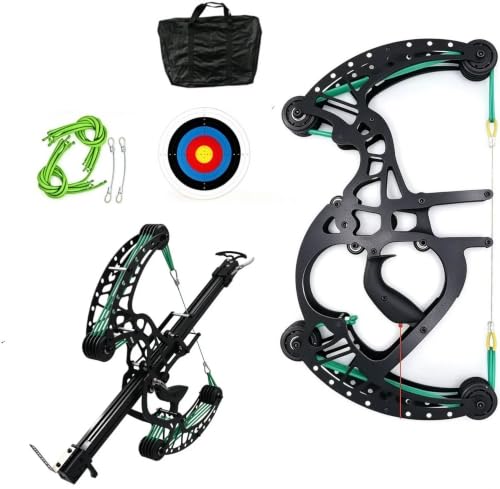
Right-Handed Compound Bow Set with Ball Bearing Bow Launcher
£67.15 *View On Amazon* - Archery Kids Bows
Unicorn Bow and Arrow Set for Children with Lights and Target
£19.99 *View On Amazon* - Archery Kids Bows
ROCKY&CHAO Kids Archery Set with LED Bows, Dart Blasters and Target
Original price was: £35.99.£34.19Current price is: £34.19. *View On Amazon*







Practical Junior Bows for Safe Target Archery
A kids bow should help a child learn archery safely and confidently. The bow should not be too strong, too large or too complicated for the child to control.
The right junior bow can help children learn stance, aiming, drawing, releasing and listening to range instructions. The wrong bow can make archery frustrating, uncomfortable or unsafe.
For children, safe supervision matters more than performance. A junior bow should always be used with suitable arrows, a proper target, a safe backstop and an adult controlling when shooting starts and stops.
How to Choose Archery Kids Bows
Start by thinking about the child’s age, height, strength, maturity and ability to follow instructions. A bow should match the child, not the other way round.
Key decision factors include draw weight, bow length, arrow length, child age guidance, handedness, bow type, arrow compatibility, target suitability, safe backstop, adult supervision, arm guard use, finger protection, garden safety, club rules, storage and whether the bow is suitable for responsible junior target archery.
Do not choose a kids bow because it looks powerful. Choose one the child can control safely and enjoy using properly.
Kids Bows Explained
A kids bow is a smaller or lighter bow intended for younger archers.
Some children’s bows are simple starter bows. Others are junior recurve bows, youth bows or beginner archery sets. Some may be closer to toy archery sets, while others are real junior archery equipment.
Always read the product guidance carefully. Even a low draw weight bow can cause injury if misused.
Junior Archery Bows
Junior archery bows are designed for younger or smaller archers.
They usually have lower draw weights and smaller sizes than adult bows, making them more manageable for children.
A junior bow should still be treated as proper archery equipment. It should not be left with children unsupervised.
Children’s Recurve Bows
Recurve bows are a common choice for children learning target archery.
They are simple enough for beginners and help teach basic archery technique. Many junior archery sessions and activity providers use recurve style bows because they are practical and easy to understand.
The bow should be the right size and draw weight for the child using it.
Take Down Kids Bows
Some junior bows are take down bows, meaning the limbs can be removed from the riser for storage and transport.
This can be useful for families, clubs and improving young archers because parts may be easier to store and sometimes easier to replace where compatible.
Take down bows must be assembled correctly before use. Adults should check the bow before any child shoots.
One Piece Kids Bows
One piece kids bows are simple bows that do not separate into limbs and riser.
They can be easy to use and practical for beginners, but they need more storage space because the bow remains full length.
Check that the bow is not too large, too heavy or too strong for the child.
Youth Compound Bows
Some children or teenagers may use youth compound bows.
Compound bows are more technical than simple junior recurves because they use cams, cables and draw length settings. They must fit the young archer correctly.
A youth compound bow should be used only with proper supervision and suitable setup. It is not usually the simplest first bow for a young child.
Toy Archery Sets vs Junior Archery Equipment
Some products are toy archery sets, while others are real junior archery equipment.
Toy sets may use suction cup arrows, foam tips or very low power designs. Junior archery equipment may use real target arrows and needs stricter range control.
Buyers should understand which type they are choosing. A product being for children does not automatically mean it is harmless.
Starter Bow Sets for Children
Starter bow sets can be useful because they may include a bow, arrows, target or basic accessories.
Always check exactly what is included. Some sets may still need a proper target, backstop, arm guard, finger tab, quiver or safe storage.
A good starter set should be simple, manageable and suitable for supervised target practice.
Kids Bow and Arrow Sets
Kids bow and arrow sets should be chosen carefully. The arrows must suit the bow and be safe for the intended use.
For real target archery, arrows should be long enough for the child’s draw length and fitted with suitable target points. For toy sets, arrows may use suction cups or soft tips depending on the product.
Do not mix arrows from other bows unless they are clearly compatible.
Draw Weight for Kids Bows
Draw weight is the force needed to pull the bow string back.
For children, draw weight should be low enough that they can draw smoothly without straining, twisting or leaning backwards.
A bow that is too strong will not help a child improve. It can make them rush the shot, lose control or develop poor habits.
Choosing a Safe Draw Weight for Children
The safest starting point is a draw weight the child can manage comfortably and repeatedly.
If the child struggles to pull the string, shakes heavily, points the bow around while trying to draw or cannot hold the bow steady, the draw weight is likely too high.
Children should build confidence and technique first. Strength can develop later.
Bow Length for Children
Bow length affects comfort and handling.
A bow that is too long may feel awkward for a small child. A bow that is too short may feel cramped or unsuitable as the child grows.
Choose bow length based on the child’s size, strength and the product’s intended age guidance.
Arrow Length for Children
Arrow length is a safety issue.
An arrow must be long enough for the child’s draw length. If it is too short, it may be overdrawn, which can be dangerous.
Children grow quickly, so arrow length should be checked regularly rather than assumed safe forever.
Handedness for Kids Bows
Some kids bows are right handed, some are left handed and some may be ambidextrous depending on design.
A right handed archer usually holds the bow in the left hand and draws with the right hand. A left handed archer usually does the opposite.
Check handedness before buying, especially if the bow has a shaped grip, arrow rest or sight fitting.
Eye Dominance in Junior Archery
Eye dominance can affect how naturally a child aims.
Some children are right handed but left eye dominant, or left handed but right eye dominant. This can influence which bow feels easiest to use.
For children learning at a club or activity centre, an instructor may help identify the best setup.
Kids Bows for Beginners
Beginner kids bows should be simple, safe and manageable.
A child does not need a powerful bow to enjoy archery. They need a bow they can hold correctly, draw smoothly and use safely under supervision.
At YPC archery sessions, beginner equipment is chosen to help children focus on instruction and confidence rather than struggling with unsuitable kit.
Kids Bows for Young Children
Young children need extra supervision and very manageable equipment.
The adult should control the shooting area, issue arrows, explain the rules and stop the activity if the child cannot follow instructions.
For younger children, a simple low draw weight bow or age appropriate starter set is usually more suitable than advanced equipment.
Kids Bows for Older Children
Older children may be ready for a more structured junior bow, depending on their strength, maturity and interest.
They may benefit from a better matched recurve bow, junior arrows, arm guard, finger tab and proper target setup.
Even older children should not shoot unsupervised.
Kids Bows for Teenagers
Teenagers may progress towards youth bows, adult beginner bows or junior compound bows depending on size, strength and experience.
The bow should still match the archer. A teenager should not automatically move to a high draw weight because they are older.
Safe technique, range discipline and suitable arrows remain essential.
Kids Bows for Family Archery
Family archery works best when each child has equipment that suits them.
One bow may not suit every child in the family. Different ages and sizes may require different draw weights, bow lengths and arrow lengths.
Parents should supervise the whole session and keep arrows controlled at all times.
Kids Bows for Garden Practice
Garden archery should only take place where the area is genuinely safe, private and controlled with a proper target and backstop.
Children should never shoot towards roads, public paths, neighbours, windows, sheds, vehicles, pets or shared spaces.
If the garden cannot be made safe, use an archery club, organised venue or supervised activity setting instead.
Kids Bows for Target Practice
Target practice is the safest and most appropriate use for kids bows.
A proper target gives the child something clear to aim at and helps adults control the shooting direction.
Do not use improvised targets such as fences, cardboard boxes, trees, sheds or garden furniture. They may not stop arrows safely.
Kids Bows for Schools
Schools need bows that are suitable for children, easy to inspect and manageable for repeated supervised sessions.
Low suitable draw weights, robust arrows, clear range rules and controlled arrow counting are important.
School archery should be led by trained or competent adults using proper safety procedures.
Kids Bows for Youth Groups
Youth groups need simple, reliable equipment and strong supervision.
Archery can be excellent for focus, patience and confidence, but it must be structured properly.
Clear instructions, safe shooting lines, proper targets and controlled arrow collection are essential.
Kids Bows for Activity Providers
Activity providers need junior bows that are durable, easy to check and suitable for a range of supervised beginners.
At YPC, archery sessions are run with qualified instruction and controlled range rules. Junior equipment must support safe learning and enjoyable progression.
For activity settings, reliability and safety are more important than advanced features.
Kids Bows for Clubs
Archery clubs may use junior bows to introduce children to target archery.
A club environment can help parents choose suitable draw weight, arrow length and accessories as the child improves.
Always follow club rules on supervision, equipment, shooting lines and arrow collection.
Kids Bows for Parties and Events
Archery can be a fun activity for children’s parties and events when run by competent adults in a controlled setting.
For private use, parents should be careful. Children’s archery should not become uncontrolled play with bows and arrows.
For larger groups, a professional activity venue or organised instructor-led session is often the safer choice.
Kids Bows and Safety
A kids bow can still cause injury if used carelessly.
Children should be taught never to point a bow at people, animals, vehicles, buildings or unsafe areas. They should only draw the bow when instructed and only towards the target.
Adults should stop the session immediately if safety rules are ignored.
Adult Supervision
Adult supervision is essential for children’s archery.
The adult should control the bow, arrows, target area, safe line and arrow collection. Children should not be left to decide when to shoot or collect arrows.
Supervision means active watching and instruction, not simply being nearby.
Range Rules for Children
Children need simple and clear range rules.
Only shoot when told. Point the bow only at the target. Keep arrows in the quiver or waiting area until instructed. Do not run with arrows. Do not collect arrows until everyone has stopped.
Rules should be repeated before every session.
Safe Shooting Line
A shooting line helps children understand where they stand to shoot.
All archers should shoot from the same line under adult control. Nobody should move forward until shooting has stopped and collection is allowed.
A clear line makes supervision much easier.
Safe Arrow Collection
Children should collect arrows only when an adult says the range is safe.
They should walk, not run, to the target. They should not stand behind someone pulling arrows out.
Adults should supervise arrow removal and make sure all arrows are counted before the next round.
Arrow Counting
Counting arrows is especially important with children.
Adults should know how many arrows are issued, how many are shot and whether any are missing.
Lost arrows should be found before the session continues, especially outdoors.
Arm Guards for Children
An arm guard helps protect the bow arm from string contact.
String contact can be painful and may make a child nervous about shooting again. An arm guard can improve comfort and confidence.
The guard should fit the child properly and stay in place.
Finger Tabs and Gloves for Children
Finger protection can make drawing and releasing more comfortable.
A finger tab or glove should fit the child’s hand and suit the bow’s draw weight.
If the child complains of sore fingers, stop and check whether finger protection is needed or whether the bow is too strong.
Quivers for Children
A quiver helps keep arrows organised and off the ground.
For children, a simple side quiver or ground quiver can make arrow handling easier to supervise.
A quiver does not remove the need for adult control. Children should still wait for instruction before removing arrows.
Targets for Kids Bows
A proper archery target should be used with kids bows.
The target must be suitable for the bow strength and arrow type. It should be placed securely and backed by a safe area.
A target that fails to stop arrows safely should not be used.
Backstops for Kids Archery
A safe backstop helps manage missed shots.
Beginners and children may miss the target, so the area behind the target must be safe and controlled.
Backstop netting, safe overshoot space and careful target placement all matter.
Target Faces for Children
Target faces give children a clear aiming point.
Large, visible target faces can help beginners aim more confidently and see progress.
Replace target faces when they become too torn or unclear.
Suction Cup Arrows
Some children’s toy archery sets use suction cup arrows.
These may be suitable for very light recreational play if used according to the product guidance, but they still need supervision.
Suction cup arrows should not be fired at faces, animals, windows, screens or people who are not taking part.
Foam Tip Arrows
Some junior or toy-style archery sets may use foam tip arrows.
These are usually intended for softer recreational play rather than real target archery. They may be more suitable for younger children depending on the product.
Always follow the product age guidance and do not assume foam tips make all behaviour safe.
Target Arrows for Kids Bows
Real junior archery bows may use target arrows with target points.
These must match the bow and the child’s draw length. They should be used only with proper targets and backstops.
Target arrows should never be treated as toys.
Fibreglass Arrows for Kids Bows
Fibreglass arrows are often used with beginner and junior archery sets.
They can be practical for supervised learning, but they still need inspection for cracks, splinters, damaged nocks and loose points.
If an arrow looks damaged, it should not be used.
Wooden Arrows for Junior Traditional Bows
Some children learning traditional archery may use wooden arrows.
Wooden arrows need careful checking for cracks, warping, splinters, loose points and damaged nocks.
They should be used only where they are suitable for the bow and safe target setup.
Carbon and Aluminium Arrows for Young Archers
Some older or improving junior archers may use aluminium or carbon arrows.
These need careful matching to the bow, draw length and draw weight. Carbon arrows also require careful inspection for cracks or splintering.
Parents should seek club or instructor advice before upgrading children to more advanced arrows.
Bows and Arrow Compatibility
A kids bow must be used with compatible arrows.
Wrong arrows can fly badly, damage equipment or create safety issues. Arrow length, spine, point type and nock fit all matter.
Do not borrow arrows from another bow unless compatibility has been checked.
Kids Bows and Bow Strings
The bow string should be suitable for the bow and in safe condition.
Check for fraying, cuts, loose serving, damaged loops and poor fit before every session.
A damaged string should be replaced before the bow is used again.
Bow Stringers for Junior Bows
Some recurve bows should be strung and unstrung with a bow stringer.
A stringer helps reduce the risk of twisted limbs or unsafe stringing.
Children should not string bows without adult guidance unless they have been properly taught and supervised.
Kids Bows and Dry Firing
Dry firing means releasing the string without an arrow.
Never dry fire a bow, even a kids bow. It can damage the bow and may be dangerous.
Children should be taught this rule clearly before handling the bow.
Kids Bows and Clothing
Loose clothing can catch the bow string.
Long sleeves, scarves, jewellery, hoodie cords and loose hair should be managed before shooting.
An arm guard and close fitting sleeves can help reduce string contact problems.
Kids Bows and Footwear
Children should wear sensible footwear when shooting outdoors.
Running, slipping or turning with arrows can be unsafe. Grippy shoes are better than sandals or loose footwear for outdoor activity settings.
Footwear is part of safe range behaviour.
Kids Bows and Glasses
Children who wear glasses may still shoot, provided they can see safely and follow instructions.
Glasses do not replace range safety or supervision.
If the child struggles to see the target clearly, use a closer safe distance or larger target face rather than encouraging unsafe aiming.
Kids Bows and Confidence
A suitable kids bow can help build confidence.
The child should be able to draw smoothly, hit the target area and feel in control. Struggling with an overpowered bow can quickly make archery less enjoyable.
Confidence comes from safe success, not from using the strongest equipment.
Kids Bows and Technique
Children should learn basic technique early.
This includes standing safely, keeping the bow pointed at the target, drawing smoothly, anchoring consistently, releasing calmly and waiting for instructions.
A good kids bow should support learning rather than forcing the child to fight the equipment.
Kids Bows and Accuracy
Accuracy is not the first priority for young beginners. Safety, listening and control come first.
As children improve, suitable equipment and regular practice can help them group arrows more consistently.
Do not blame the child for poor accuracy if the bow is too strong, arrows are unsuitable or the target setup is poor.
Kids Bows and Progression
Children may progress to different bows as they grow stronger, taller and more experienced.
Progression should be gradual. Increasing draw weight too quickly can damage technique and make archery less enjoyable.
Review bow fit, arrow length and accessories regularly as the child develops.
When to Upgrade a Kids Bow
A child may need an upgraded bow if they have outgrown the current bow, need a different draw length, are shooting regularly or the current bow is limiting safe progression.
Do not upgrade only because the child wants a more powerful bow.
Upgrade when the child can control the current equipment safely and is ready for the next step.
Kids Bows and Club Coaching
A club or qualified instructor can help parents choose suitable junior equipment.
Coaches can assess draw weight, handedness, arrow length, form and whether the child is ready for more advanced equipment.
For children who show real interest, club support can be very valuable.
Kids Bows and Competition Pathways
Some children progress into junior target archery competitions.
Competition equipment should meet the rules of the discipline and suit the child’s level.
Before buying competition equipment, check club or event guidance.
Kids Bows and Storage
Kids bows should be stored securely away from children when not in use.
Use a bow case, cupboard, locked storage area or other safe arrangement. Arrows should also be stored securely in a tube, case or quiver.
Children should not have unsupervised access to bows and arrows.
Kids Bows and Transport
Transport kids bows discreetly in a suitable case or bag.
Do not carry bows openly in public places. Arrows should be protected and covered.
If travelling to a club or activity venue, keep equipment packed until you are in the correct shooting area.
Kids Bows and Public Places
Kids bows should not be used in public parks, streets, footpaths, car parks, open fields or shared spaces unless the activity is authorised and fully controlled.
Even junior bows can cause injury if used in the wrong place.
Keep archery to safe private areas, clubs, venues and organised sessions.
Kids Bows and Pets
Do not use kids bows near pets, livestock or wildlife.
Animals can run into the shooting area unexpectedly and may be injured by arrows.
Keep pets indoors or away from the range before any shooting starts.
Kids Bows and Younger Siblings
Younger siblings should be kept away from the shooting area unless they are taking part under supervision.
They may not understand the danger of walking in front of a target or picking up arrows.
Adults should control the whole area, not just the child holding the bow.
Kids Bows and Friends Visiting
If other children are visiting, do not bring out a kids bow without proper adult control.
Every child must understand the rules before taking part. Eye-catching equipment can quickly lead to unsafe behaviour if children start playing without structure.
For groups, short supervised rounds are safer than free play.
Kids Bows and Hunting Misuse
This category is intended for junior target archery, supervised practice, club shooting and organised activity use.
Do not buy or use kids bows for illegal hunting, wildlife harm, intimidation, public misuse or unsafe behaviour.
Children should be taught that archery is a controlled sport and activity.
Kids Bows and Crossbows
Crossbows are different from standard kids bows and have separate safety, handling and legal considerations.
A crossbow should not be treated as a children’s beginner bow.
For junior target archery, a suitable low draw weight bow is usually more appropriate than crossbow equipment.
Inspecting a Kids Bow Before Use
Adults should inspect the bow before every session.
Check the limbs, string, grip, arrow rest, screws, nocking point, arrows, target and backstop.
If anything looks damaged, loose, cracked or unsafe, do not shoot.
Inspecting Kids Bow Limbs
Bow limbs should be free from cracks, twists, splits or unusual marks.
Even junior bow limbs are under pressure when drawn.
Do not use a bow with damaged limbs.
Inspecting Kids Bow Strings
Check the string for fraying, cuts, worn loops, loose serving and poor fit.
A damaged string should be replaced before shooting.
Do not use string wax to hide serious damage.
Inspecting Kids Arrows
Check arrows for cracks, bends, splinters, loose points, damaged nocks and missing fletchings.
Damaged arrows should be removed from use immediately.
Children should not be allowed to decide whether damaged arrows are safe.
Cleaning Kids Bows
After outdoor use, wipe dirt and moisture from the bow and accessories.
Dry equipment before storage, especially if used on wet grass or in damp conditions.
Do not store wet bows, arrows or strings in a sealed case for long periods.
Maintaining Kids Bows
Basic maintenance includes checking strings, limbs, rests, arrows and accessories.
Replace worn strings, damaged arrows and broken accessories before the next session.
Do not modify a kids bow beyond product guidance or proper archery knowledge.
Common Kids Bow Buying Mistakes
Common mistakes include buying a bow with too much draw weight, choosing arrows that are too short, forgetting adult supervision, using unsafe targets and buying equipment only because it looks exciting.
Another mistake is buying an adult bow for a child to grow into. A bow should fit the child now.
Safe fit matters more than future use.
Common Kids Bow Use Mistakes
Common use mistakes include allowing unsupervised shooting, dry firing, shooting in unsafe gardens, leaving arrows loose, using damaged arrows and letting children collect arrows while others are still shooting.
Another mistake is treating junior archery equipment as a toy.
Children’s archery should be structured and supervised.
Kids Bow Safety Checklist
Before shooting, check the bow, string, arrows, target, backstop, shooting line, clothing, footwear, pets, younger children and supervision.
Make sure the child understands the rules before any arrows are issued.
If the child cannot follow the rules, stop the session.
When Not to Use a Kids Bow
Do not use a kids bow if there is no adult supervision, no safe target, no backstop, damaged arrows, damaged string, cracked limbs or an unsafe shooting area.
Do not use kids bows near roads, public paths, animals, people, windows, vehicles, sheds or shared spaces.
If the bow, arrows or range setup is unsafe, archery should not take place.
Shop Archery Kids Bows Online
Browse our Archery Kids Bows range to find practical junior bows, children’s bow and arrow sets, beginner bows, youth bows and suitable accessories for supervised target archery. Compare draw weight, bow length, age guidance, handedness, arrow compatibility, included accessories, target suitability, storage needs and safe practice requirements to choose a kids bow that suits the child and the setting.
Archery Kids Bows FAQs
What are archery kids bows?
Archery kids bows are junior bows designed for children and younger archers learning target archery under adult supervision.
Are kids bows toys?
Some are toy archery sets, while others are real junior archery equipment. Always check the product guidance and supervise use.
What is the best bow for a child beginner?
A low draw weight junior recurve or suitable beginner bow set is often a practical starting point, provided it matches the child’s size and ability.
What draw weight should a child use?
A child should use a draw weight they can pull smoothly and repeatedly without strain. Too much draw weight can harm technique and safety.
Can young children use archery bows?
Some young children can use age appropriate bows under close adult supervision, but the bow, arrows and target setup must be suitable.
Do children need adult supervision for archery?
Yes. Children should always be supervised when using bows and arrows.
Can children use adult bows?
Usually no. Adult bows are often too large or too strong for children and may be unsafe or frustrating.
Are junior recurve bows good for children?
Yes, junior recurve bows are commonly used for children learning target archery because they are simple and practical.
Are youth compound bows suitable for children?
They can be suitable for some older children or teenagers with proper setup and supervision, but they are more technical than simple junior bows.
What arrows should kids bows use?
Kids bows should use arrows that match the bow, draw weight and child’s draw length. Do not use random arrows.
Can kids use suction cup arrows?
Suction cup arrows may be suitable for some toy sets, but they still need supervision and should not be fired at faces, animals or unsafe objects.
Can kids use real target arrows?
Yes, if the bow is a real junior archery bow and the arrows are correctly matched, but they must be used only with proper targets and supervision.
Do children need an arm guard?
An arm guard is strongly recommended for many children because it helps protect the bow arm from string contact.
Do children need finger protection?
Finger protection can make shooting more comfortable, especially if the child is using a real junior bow rather than a toy set.
Can kids shoot archery in the garden?
Only if the garden is genuinely safe, private and controlled with a proper target, backstop and no risk to people, animals or property.
Can kids bows be used in public parks?
No. Kids bows should not be used in public spaces unless the activity is authorised and fully controlled.
How should kids bows be stored?
Store kids bows securely away from children, pets and unauthorised users, with arrows stored safely in a tube, case or quiver.
Can children dry fire a bow?
No. Children should be taught never to dry fire a bow because it can damage the bow and may be dangerous.
When should a child move to a bigger bow?
A child may need a bigger or stronger bow when they have outgrown the current one, can control it safely and are ready to progress.
Why buy Archery Kids Bows from YPC?
YPC runs real archery sessions at Yorkshire Outdoor Activity Park, so we understand safe supervision, suitable junior equipment, proper targets, clear range rules and what helps children enjoy responsible target archery.
 Getting ready for Summer? View our Home and Garden Products

Heading outdoors this winter? Take a look at our Outdoor Clothing.