
Fishing Jackets
Fishing jackets are designed to help anglers stay more comfortable during sessions in rain, wind, cold or changeable outdoor conditions. They are suitable for coarse anglers, carp anglers, lure anglers, fly anglers, sea anglers and anyone who needs a practical outer layer for time spent by the water.
The right fishing jacket depends on where you fish, the season, weather, fit, warmth, waterproof or water resistant claims where listed, breathability, hood design, pocket layout, layering space and how much movement you need for casting, walking, sitting or handling tackle.
- Fishing Jackets
TACVASEN Mens Waterproof Fleece Jacket Army Green Size S
Original price was: £62.97.£53.53Current price is: £53.53. *View On Amazon* - Fishing Jackets
TACVASEN Mens Fleece Jacket Full Zip Waterproof Sports Coat Coffee Brown
Original price was: £61.97.£55.78Current price is: £55.78. *View On Amazon* - Fishing Jackets
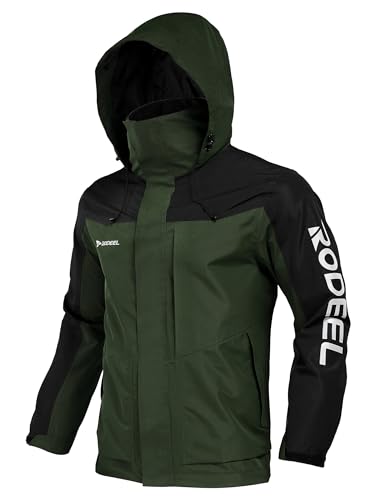
Rodeel Men’s Waterproof and Windproof Jacket with Foldaway Hood
£49.99 *View On Amazon* - Fishing Jackets
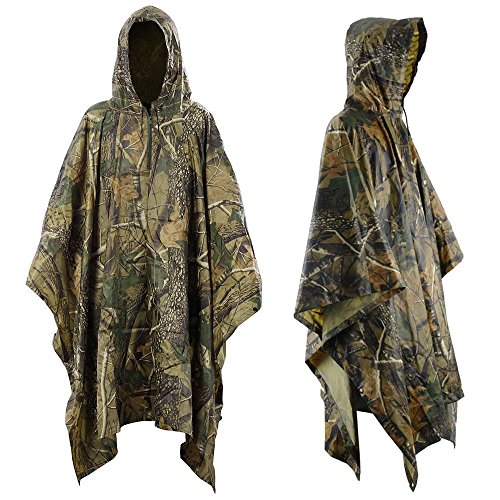
33,000ft Men’s Lightweight Waterproof Outdoor Jacket Packaway Hooded Raincoat Camouflage S
Original price was: £28.99.£27.54Current price is: £27.54. *View On Amazon* - Fishing Jackets
Outdoor Ventures Men’s Waterproof Pullover Rain Jacket, Lightweight Hooded Packaway Anorak, Green XL
Original price was: £35.99.£28.79Current price is: £28.79. *View On Amazon* - Fishing Jackets
MakingDa Mens Waterproof Winter Hooded Softshell Jacket Green XL
£52.98 *View On Amazon* - Fishing Jackets
Mountain Warehouse Trek II Mens Gilet Lightweight Body Warmer Fast Drying Vest Khaki XL
Original price was: £24.99.£21.24Current price is: £21.24. *View On Amazon* - Fishing Jackets
Mountain Warehouse Pakka Mens Waterproof Packable Jacket Khaki L
Original price was: £24.99.£18.56Current price is: £18.56. *View On Amazon* - Fishing Jackets
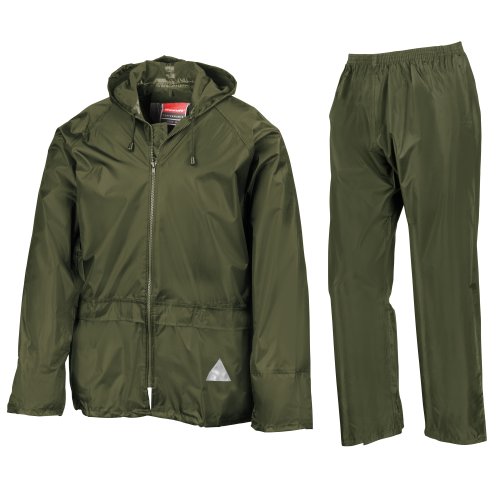
Result Heavyweight Adult Waterproof Jacket Trouser Suit Olive Green Large
£13.79 *View On Amazon* - Fishing Jackets
33,000ft Men’s Lightweight Waterproof Outdoor Jacket Packaway Hooded Raincoat Camouflage XL
Original price was: £35.99.£27.54Current price is: £27.54. *View On Amazon* - Fishing Jackets
Rodeel Waterproof Fishing Rain Suit for Men Jacket and Trouser Suit
£55.99 *View On Amazon* - Fishing Jackets
TACVASEN Men’s Hiking Jacket Waterproof Tactical Jacket Green Zip Pockets
Original price was: £51.98.£44.70Current price is: £44.70. *View On Amazon* - Fishing Jackets
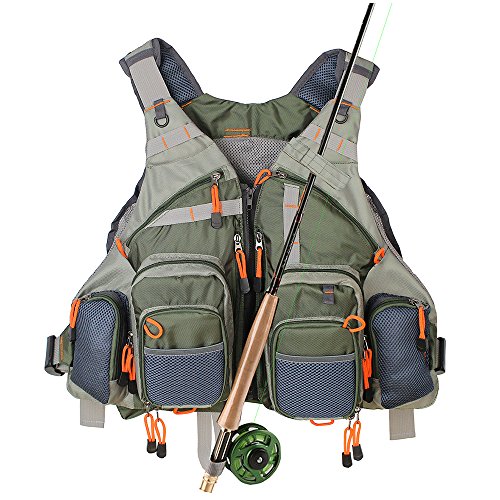
Kylebooker Fly Fishing Vest Pack Adjustable Size for Men and Women
£34.99 *View On Amazon* - Fishing Jackets
TACVASEN Winter Jacket Men Waterproof Skiing Jacket Fleece Snowboarding Warm Outdoor Jacket with Hood Parka Army Green
Original price was: £55.78.£52.67Current price is: £52.67. *View On Amazon* - Fishing Jackets
Result Men’s Rain Suit with Rain Jacket and Rain Trousers, Waterproof, M, Olive
Original price was: £14.32.£13.79Current price is: £13.79. *View On Amazon*









What Are Fishing Jackets?
Fishing jackets are outdoor jackets designed for anglers and waterside conditions. They can include lightweight rain jackets, insulated winter jackets, softshell style jackets, waterproof outer layers where listed and general fishing coats for everyday use.
A fishing jacket is usually worn as an outer layer, although some lighter styles may be used as part of a layered clothing setup. Depending on the product, it may help protect against rain, wind, cold air or general outdoor wear.
Not all fishing jackets are the same. Some focus on warmth, some focus on wet weather, and others are built for mobility and active fishing. Always check the product details before buying so you know what the jacket is intended for.
What Are Fishing Jackets Used For?
Fishing jackets are used to help keep anglers comfortable during changing weather. They can be useful during early starts, long sessions, winter fishing, sea fishing, river fishing, carp fishing and days when rain or wind is likely.
A good jacket can make it easier to stay focused on fishing rather than the weather. It can help protect layers underneath, keep essentials close to hand and reduce the discomfort of sitting or standing in exposed conditions.
Fishing jackets can also support practical organisation. Pockets, hoods, cuffs and adjustable hems can all make a difference when you are tying rigs, casting, watching rods or moving between swims.
How To Choose The Right Fishing Jacket
Start by thinking about the weather you fish in most often. If you regularly fish in rain, check waterproof claims, seams, hood design and closure details where listed. If cold is the main issue, warmth and room for layers may matter more.
Next, consider your fishing style. A carp angler sitting for long periods may want a warmer jacket with good coverage. A lure angler who walks and casts all day may prefer something lighter, breathable and easier to move in.
Fit is important too. A fishing jacket should allow you to cast, sit, reach, net fish and access tackle without feeling restricted. If you wear hoodies, fleeces or thermal layers underneath, make sure the jacket has enough room for layering.
Key Features To Compare
When comparing fishing jackets, look at size, fit, warmth, waterproof or water resistant claims where listed, breathability, hood style, cuff adjustment, pocket layout, zip design, length, weight and ease of cleaning.
A longer jacket can offer more coverage when sitting, while a shorter jacket may feel easier for active fishing and walking. Adjustable cuffs and hems can help reduce draughts and stop rain running into sleeves where the design allows.
Pocket layout is worth checking carefully. Pockets can be useful for small items, but sharp tackle should still be stored safely in proper tackle boxes or pouches.
Waterproof Jackets, Insulated Jackets And Softshell Jackets
Waterproof fishing jackets are useful when wet weather is expected, but waterproof performance should only be assumed if clearly listed in the product details. They can be useful for rain, spray and exposed conditions.
Insulated fishing jackets are designed for warmth and may be useful during winter, night fishing, early mornings or long static sessions. They may be too warm for active fishing in mild weather.
Softshell style jackets can be useful for movement and comfort in cooler or breezy conditions. They may offer some weather resistance depending on the product, but they should not automatically be treated as full rainwear.
Fishing Jackets Compared With General Outdoor Jackets
General outdoor jackets can be useful for fishing, but fishing jackets may offer features that suit angling more closely. This can include practical pocket placement, hoods that work while watching the water, cuffs that suit casting or a fit designed for sitting and layering.
Fishing often involves bait, mud, fish slime, wet nets and long periods outdoors. A jacket used for fishing should be practical enough to handle real bank conditions.
That said, the best jacket is the one that suits the weather, venue and fishing style. Do not choose by label alone. Look at the features and how they match the way you fish.
Beginner, Regular Angler And Experienced Angler Guidance
Beginners should look for a comfortable fishing jacket that suits the season and keeps things simple. A practical outer layer with enough room for a fleece or hoodie can cover many starter sessions.
Regular anglers may want different jackets for different times of year. A lightweight jacket for mild wet days and a warmer jacket for winter can make fishing more comfortable across the seasons.
Experienced anglers often choose jackets based on small details such as hood shape, cuff closure, pocket access, casting movement, sitting comfort and how well the jacket works with bibs, salopettes or waders.
Jackets For Coarse, Carp, Lure, Fly And Sea Fishing
Coarse anglers may want a jacket that is comfortable for sitting at a peg, preparing bait and watching floats or rod tips. Warmth and rain protection can both matter during long sessions.
Carp anglers often spend many hours by the water, including early mornings, evenings and overnight sessions. A warm, practical jacket that works with layers, bibs or salopettes can be useful.
Lure and fly anglers usually move more, so lightweight jackets that allow casting and walking can be more practical. Sea anglers may need stronger weather protection where listed, especially against wind, spray and exposed coastal conditions.
Fit, Layering And Freedom Of Movement
A fishing jacket should fit comfortably without restricting casting. The shoulders, sleeves and chest should allow you to lift a rod, reach forward, net a fish and move around the bank.
Layering matters in UK weather. A base layer, hoodie or fleece under a jacket can provide warmth, while the jacket acts as the outer layer. This setup gives more flexibility than relying on one thick coat for every session.
Make sure the jacket still feels comfortable when seated. A jacket that pulls at the back, rides up or feels tight across the shoulders can become annoying during a long day.
Hoods, Cuffs And Pockets
A good hood can make a big difference in rain or wind. It should offer coverage without blocking your view when casting, watching the water or moving near the bank.
Cuffs help manage comfort around the wrists. Adjustable cuffs can be useful for keeping draughts out and reducing water running into sleeves, depending on the design.
Pockets should be practical and easy to reach. However, do not store loose hooks, knives, baiting needles or sharp tools directly in jacket pockets. Use tackle boxes or safe pouches instead.
Weather, Season And Session Length
Fishing jackets should be chosen around the conditions you actually face. A light jacket may suit summer showers, while cold winter fishing may require insulation and room for thermal layers.
Wind can make a session feel much colder, especially near open water, reservoirs or the coast. Rain can also change quickly, so a packable or reliable outer layer can be useful.
Session length matters too. For short trips, a simple jacket may be enough. For long days, night sessions or exposed venues, comfort, warmth, pocket access and weather protection become more important.
Safety Around Water And Tackle
Fishing jackets should support safe movement rather than restrict it. Avoid jackets that are so bulky that they make it difficult to walk, kneel, climb banks or react near water.
Loose cords, open pockets and baggy sleeves can catch on rods, hooks, branches, bank sticks or chair arms. Keep clothing tidy when casting or handling tackle.
Take extra care near rivers, tides, steep banks, rocks, pontoons and slippery ground. Clothing helps with comfort, but it does not remove the risks of fishing near water.
Care, Cleaning And Storage
Fishing jackets should be cleaned and dried properly after use. Mud, bait, rain, fish slime, salt spray and damp bank conditions can all make clothing unpleasant if stored dirty.
Follow the product care instructions, especially for waterproof, insulated or specialist fabrics. Some jackets may need gentle washing or specific care to protect their finish.
Store your jacket in a clean, dry place. Avoid leaving it damp in a fishing bag, car boot or shed for long periods unless the product guidance allows it.
Useful Accessories To Consider
Useful accessories for fishing jackets include bibs and salopettes, hoodies, fleeces, thermal base layers, hats, gloves, neck warmers, waterproof trousers, fishing boots, boot bags and waterproof storage bags.
A spare mid layer or dry top can also be useful for longer sessions. For wet weather, a towel and dry storage bag can help keep clothing and small essentials more organised.
Why Buy Fishing Jackets From YPC?
At YPC, we understand active lifestyles and the need for practical products that work in real use. Fishing jackets should be chosen carefully because comfort, fit, weather protection and freedom of movement all matter by the water.
Browse the Fishing Jackets category at YPC to compare available options, check the details that suit your fishing style and choose a jacket that helps keep you comfortable during your sessions.
Fishing Jackets FAQs
What is a fishing jacket?
A fishing jacket is an outdoor jacket designed for use during angling sessions. It may help with warmth, rain protection, wind protection, storage and general comfort depending on the product.
Different jackets suit different seasons, fishing styles and weather conditions.
Are fishing jackets suitable for beginners?
Yes, fishing jackets are suitable for beginners and can make fishing more comfortable in poor weather. A practical jacket with room for layers is a good starting point.
Beginners should choose a jacket that suits the venues and seasons they fish most often.
What type of fishing jacket should I choose?
Choose a fishing jacket based on the weather, fishing style and session length. A lightweight jacket may suit mild wet days, while a warmer jacket may suit winter or long static sessions.
Always check the product details for waterproof, warmth and fit information.
Are fishing jackets waterproof?
Some fishing jackets may be waterproof, while others may be water resistant or designed for general outdoor use. This depends on the product.
Check the product details carefully before buying if rain protection is important.
Are fishing jackets warm?
Some fishing jackets are insulated or designed for cold weather, while others are lighter outer layers. Warmth depends on the material, lining and layers worn underneath.
For winter fishing, a fleece or thermal layer under the jacket can be useful.
What should I wear under a fishing jacket?
You can wear a base layer, hoodie, fleece or thermal top under a fishing jacket depending on the weather. Layering gives flexibility as conditions change.
Make sure the jacket still allows easy casting and movement when layered.
What jacket is best for winter fishing?
For winter fishing, look for a jacket that offers warmth, good coverage and room for layers. Waterproof or water resistant features where listed may also be useful in wet conditions.
A hat, gloves, warm socks and bibs or salopettes can also help with winter comfort.
What jacket is best for summer fishing?
For summer fishing, a lightweight jacket may be useful for showers, wind or early morning starts. Breathability and easy packing can be important in warmer weather.
Avoid overly heavy jackets if you are fishing actively or walking between swims.
What jacket is best for carp fishing?
For carp fishing, comfort and warmth are often important because sessions can be long. A jacket that works with hoodies, fleeces, bibs or salopettes can be useful.
Pocket layout and sitting comfort may also matter during longer sessions.
What jacket is best for lure fishing?
For lure fishing, choose a jacket that allows easy casting and walking. Lightweight, breathable and flexible designs can be more practical than very bulky coats.
Secure pockets and a hood that does not block vision can also be useful.
What jacket is best for sea fishing?
Sea fishing can involve wind, spray, rain and exposed conditions. A jacket with suitable weather protection where listed, secure closures and practical coverage may be useful.
After sea sessions, clean and dry the jacket according to the product guidance.
Should a fishing jacket have a hood?
A hood can be very useful in rain, wind and cold weather. It should provide coverage without blocking your view when casting or moving near water.
Adjustable hoods can be helpful, depending on the product design.
Are pockets important on a fishing jacket?
Pockets can be useful for keeping small items close to hand, but they should not replace proper tackle storage. Sharp items should be kept in tackle boxes or safe pouches.
Check pocket placement if you sit, cast or wear bibs and salopettes.
How should a fishing jacket fit?
A fishing jacket should fit comfortably with enough room for movement and layering. It should not pull across the shoulders, restrict casting or ride up when sitting.
If you fish in winter, allow space for a fleece or hoodie underneath.
Can I wear a fishing jacket with bibs or salopettes?
Yes, fishing jackets are often worn with bibs or salopettes for better coverage in wet or cold conditions. This can reduce gaps around the waist and improve comfort during long sessions.
Check that the jacket length and fit work with your lower body clothing.
How do I clean a fishing jacket?
Follow the product care instructions. Remove mud, bait and dirt after use, then clean and dry the jacket as directed.
Take extra care with waterproof or specialist fabrics, as unsuitable washing can affect performance.
How should I store a fishing jacket?
Store a fishing jacket clean and dry in a ventilated place. Avoid leaving it damp in a bag, car boot or tackle storage area for long periods.
Make sure zips, cuffs and hoods are not trapped or crushed during storage.
What should I check before buying a fishing jacket?
Check the size, fit, intended use, warmth, waterproof or water resistant claims where listed, breathability, hood design, pocket layout, cuff style and care guidance.
The right jacket should suit your fishing style, weather conditions and the amount of time you spend by the water.