
Spinning Reels
Spinning reels are fixed spool fishing reels commonly used for lure fishing, predator fishing, coarse fishing and some sea fishing methods. They are suitable for beginners, regular anglers and experienced fishers who want a versatile reel that is easy to cast, simple to manage and suitable for a wide range of rods and line types.
The right spinning reel depends on the rod you use, the fish you are targeting, reel size, line capacity, drag system, retrieve speed, handle comfort, spool design and whether the reel is suitable for freshwater, saltwater or mixed use where listed.
- Spinning Reels
SOUUXIU Spinning Fishing Reel Saltwater Rotating Reel FD4000S
Original price was: £28.29.£23.39Current price is: £23.39. *View On Amazon* - Spinning Reels
Rigged and Rigged RR 1000 Spin Reel, 4+1 Bearing, Spare Spool and Bag
£44.00 *View On Amazon* - Spinning Reels
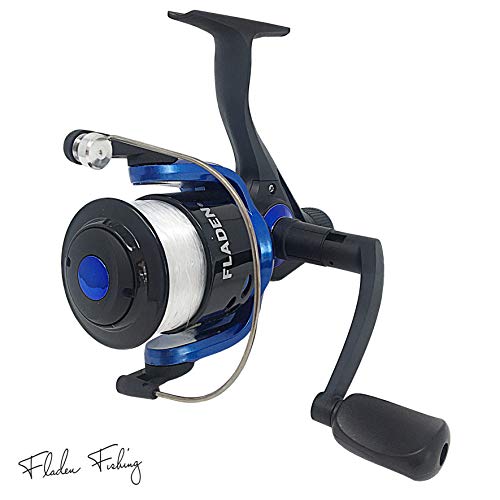
FLADEN Fishing CHARTER II Blue Fishing Reel Rear Drag Size 30
£12.99 *View On Amazon* - Spinning Reels
Mitchell MX3 Pro Spinning Reel for Freshwater Anglers 2000 Size
£34.99 *View On Amazon* - Spinning Reels
Okuma Inspira Carbon Frame Lightweight Spinning Reel Blue ISX 40B
£52.09 *View On Amazon* - Spinning Reels
Billings Fishing Reels DC 1000 to 7000 Series Spinning Fishing Reel
£12.95 *View On Amazon*


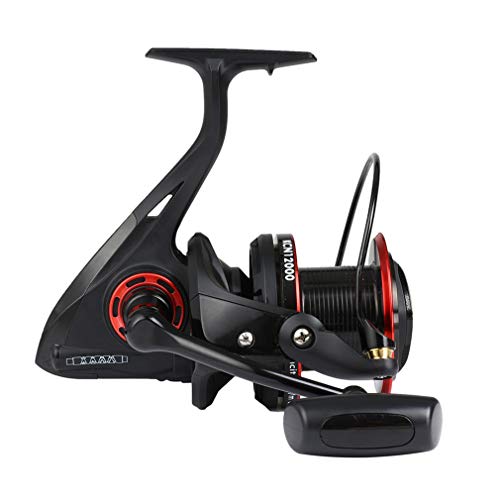
![FISSION SURF BEACH FD70 Fishing Reel 1BB Front Drag Large Fixed Spool Spinning Reel with 0.40mm Mono Line for On Shore, Beach Casting and Boat Fishing [11 41070]](https://m.media-amazon.com/images/I/31W7O8jjWFL._SL500_.jpg)






What Are Spinning Reels?
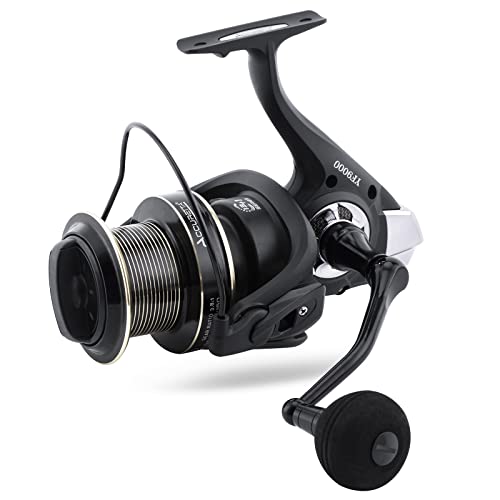
Spinning reels are fixed spool reels that sit underneath the rod. Line leaves the spool in coils during the cast and is retrieved by a rotating bail arm.
They are one of the most widely used reel types because they are practical, familiar and suitable for many fishing styles. A spinning reel can be used with lures, floats, feeders, light rigs, bait setups and some sea fishing methods, depending on the size and specification.
Spinning reels are often easier to learn than baitcasting or multiplier reels because they are more forgiving during casting. This makes them a popular choice for new anglers as well as regular fishers.
What Are Spinning Reels Used For?
Spinning reels are used to cast, retrieve, manage line and play fish. They are commonly used for lure fishing with spinners, spoons, plugs, soft plastics, jigs and other artificial lures.
They can also be used for coarse fishing, feeder fishing, float fishing and general freshwater fishing when matched with a suitable rod and line. Larger spinning reels may be used for some sea fishing where the product is suitable for saltwater conditions.
For active fishing styles, such as lure fishing, a smooth retrieve and comfortable handle can make a big difference because the reel is used constantly throughout the session.
How To Choose The Right Spinning Reel
Start by matching the reel to your rod. A small spinning reel may suit a light lure rod, while a larger reel may be better for heavier predator fishing, feeder work or sea fishing where suitable.
Next, think about the species you want to target. Perch, trout, chub, bass, pike, zander, carp and sea fish can all need different reel sizes, line strengths and drag settings.
Line choice is also important. Spinning reels can be used with monofilament, fluorocarbon or braided line depending on the method and venue rules. The reel should have enough spool capacity for the line you plan to use without feeling oversized for the rod.
Key Features To Compare
When comparing spinning reels, look at reel size, spool design, line capacity, drag system, gear ratio, retrieve rate, handle comfort, reel weight, line lay, bail arm quality, spare spool availability and freshwater or saltwater suitability where listed.
A smooth drag is important because it helps control fish when they pull line from the reel. A reel that releases line unevenly can make playing fish more difficult, especially with lighter line or strong fish.
Weight and balance also matter. A reel that is too heavy can make a light rod feel awkward, while a reel that is too small may not hold enough line or retrieve efficiently.
Spinning Reels Compared With Baitcasting Reels
Spinning reels are usually easier to cast and more beginner friendly. They are practical for lighter lures, general fishing and situations where anglers want a simple setup.
Baitcasting reels can offer excellent casting control once mastered, but they usually take more practice and need careful spool control to avoid overruns.
The trade off is simplicity versus precision. A spinning reel is often the more practical all round choice, while a baitcasting reel may suit experienced lure anglers who want a more specialist setup.
Spinning Reels Compared With Multiplier Reels
Spinning reels are fixed spool reels and are widely used for lure fishing, coarse fishing and general angling. They are usually easier to cast than multiplier reels.
Multiplier reels use a rotating spool and are often associated with sea fishing, boat fishing and heavier tackle. They can be very effective in the right setting, but they need more spool control and practice.
Choose a spinning reel if you want easier casting and broad use. Choose a multiplier only if it suits the rod, method and fishing conditions.
Front Drag And Rear Drag Spinning Reels
Front drag spinning reels have the drag adjustment on the front of the spool. Many anglers like front drag systems because they can feel direct and simple to use.
Rear drag spinning reels have the drag adjustment at the back of the reel. Some anglers find them easier to adjust while playing fish, depending on personal preference.
Neither style is automatically better. The best choice is the one that feels smooth, controlled and comfortable for your fishing method.
Beginner, Regular Angler And Experienced Angler Guidance
Beginners often do well with a simple spinning reel because it is easy to cast, easy to spool and suitable for many starter methods. A balanced rod and reel setup is more important than choosing a reel with too many features.
Regular anglers may want different spinning reels for different methods. A small reel may suit light lure fishing, while a larger reel may suit feeder fishing, pike fishing or light sea fishing where suitable.
Experienced anglers often compare drag smoothness, spool depth, line lay, retrieve speed, reel weight and handle feel. Small details can matter when casting all day or fishing with specialist lures.
Spinning Reels For Lure Fishing
Spinning reels are very popular for lure fishing because they allow repeated casting and retrieving with good line control. They can be used with spinners, spoons, soft plastics, plugs, crankbaits, jigs and other lures where suitable.
A lure fishing spinning reel should match the rod casting weight, lure size and line type. A reel that is too large can feel tiring, while one that is too small may not retrieve or balance well.
Smooth line lay is especially useful with braid, as poorly loaded line can lead to wind knots, loops or casting issues.
Spinning Reels For Predator Fishing
Predator anglers may use spinning reels for perch, pike, zander and other predatory fish. The reel size should match the lure weight, target species and strength of tackle required.
For pike and other toothy fish, a suitable bite resistant leader or trace is normally important. The reel is only one part of the setup, so line, leader, lure, hooks and unhooking tools all need to be suitable.
A smooth drag and comfortable retrieve can help when fishing larger lures or playing stronger fish.
Spinning Reels For Coarse Fishing
Spinning reels can also be used for coarse fishing methods such as float fishing, feeder fishing, ledgering and general freshwater angling. The reel should match the rod, line and target fish.
Smaller spinning reels may suit float fishing and lighter line. Medium sized reels may be useful for feeder fishing, tench, bream or commercial fishery work.
A smooth drag is useful when using lighter hooklengths because sudden pressure can lead to line breakage or hook pulls.
Spinning Reels For Sea Fishing
Some spinning reels may be suitable for sea fishing where listed. They can be used for shore lure fishing, harbour fishing, pier fishing, bass fishing and other light to medium sea methods depending on the product.
Saltwater can be hard on reels, so saltwater suitability and cleaning guidance matter. Sand, salt and spray can affect the spool, bail arm, handle, bearings and drag.
Do not assume every spinning reel is suitable for saltwater use. Always check the product details before using a reel around the coast.
Reel Size, Line Capacity And Spool Design
Reel size should match the fishing method. A smaller reel may suit light lures and fine line, while a larger reel may suit stronger fish, heavier line, longer casting or sea fishing where appropriate.
Line capacity tells you how much line the spool can hold. This matters if you fish at distance, use thicker line or target fish that may take line during a fight.
Spool design can affect casting and line lay. A neatly loaded spool helps reduce tangles and supports smoother casting.
Drag Systems And Fish Control
The drag system controls how line leaves the reel under pressure. It helps protect the line, hook and rod when a fish pulls hard.
A drag that is too tight can cause breakages or hook pulls. A drag that is too loose can make fish harder to control, especially near weed, snags or other anglers.
Always test the drag before fishing. Set it to suit the line strength, rod action and fish you are targeting.
Gear Ratio, Retrieve Rate And Handle Comfort
Gear ratio affects how quickly the reel retrieves line with each handle turn. A faster retrieve can be useful for lure fishing, picking up slack line or fishing at distance.
A slower retrieve may suit some controlled presentations or heavier work where steady winding feels more comfortable.
Handle comfort matters because spinning reels are often used repeatedly during a session. A handle that feels secure and natural can make casting and retrieving much easier.
Line Choice For Spinning Reels
Spinning reels can be used with monofilament, fluorocarbon or braid depending on the method. Monofilament is familiar and forgiving, braid offers sensitivity and low stretch, while fluorocarbon is often used as a leader or in certain setups.
For lure fishing, many anglers use braid with a suitable leader. For general coarse fishing, monofilament is often a practical choice.
Always match the line to the reel, rod, target species and venue rules. Some fisheries restrict braid, leaders or certain line types.
Rod Compatibility And Balanced Setups
A spinning reel should be used with a compatible spinning rod or suitable fixed spool rod. The reel sits below the rod and should balance naturally in the hand.
If the reel is too heavy, casting can feel tiring. If it is too small, the setup may feel underpowered or lack line capacity.
Think about the full setup before buying. The reel, rod, line, lure, rig and fish care equipment should all suit the same fishing method.
Avoiding Line Twist, Loops And Wind Knots
Line twist can happen when line is spooled incorrectly, retrieved under poor tension or used with spinning lures that rotate. Swivels can help in some setups, but they do not solve every line issue.
Loops and wind knots can happen when loose line is wound onto the spool, especially with braid. Closing the bail arm by hand and keeping steady tension can help reduce problems.
Do not overfill the spool. Too much line can lead to coils spilling off, while too little line may reduce casting performance.
Freshwater And Saltwater Use
Freshwater spinning reels are commonly used on lakes, rivers, canals, reservoirs and commercial fisheries. They still need cleaning after mud, rain, weed and bait residue.
Saltwater spinning reels need extra care. If a reel is suitable for sea use where listed, it should still be cleaned and dried according to product guidance after exposure to salt, sand or spray.
Using a reel in the wrong environment can affect performance and condition, so always check suitability before fishing.
Venue Rules And Responsible Fishing
Always check venue rules before fishing. Rules may cover licences, seasons, species, lure fishing, bait, hooks, line types, traces, leaders and fish handling.
Use tackle that suits the fish and water. A spinning reel should be matched with line, hooks, lures or rigs that are strong enough for the conditions.
Take old line, damaged leaders, lure packaging and tackle waste home with you. Responsible fishing helps protect wildlife and keeps waters safe for other anglers.
Care, Cleaning And Maintenance
Spinning reels should be kept clean, dry and checked regularly. Mud, grit, salt, weed and bait can affect the bail arm, line roller, spool, handle and drag.
After a session, wipe the reel down and remove visible dirt. After saltwater use, clean carefully according to suitable guidance and avoid forcing water into the reel unless the manufacturer says this is safe.
Use reel oils, greases and cleaners only where suitable and according to product and reel guidance. Too much or unsuitable lubricant can cause problems.
Useful Accessories To Consider
Useful accessories for spinning reels include suitable fishing line, spare spools, reel cases, line spoolers, line cutters, braid scissors, leaders, traces, snaps, swivels, lure boxes and reel maintenance products.
For predator fishing, long forceps, pliers, landing nets and unhooking mats may also be important. For coarse fishing, floats, feeders, hooks, hooklengths and tackle boxes can help complete the setup.
The best spinning setup is one where the reel, rod, line and end tackle all match the same style of fishing.
Why Buy Spinning Reels From YPC?
At YPC, we understand active lifestyles and the need for practical products that work in real use. Spinning reels should be chosen carefully because reel size, drag control, line capacity, retrieve speed and rod compatibility all affect how well your setup performs.
Browse the Spinning Reels category at YPC to compare available options, check the details that suit your fishing method and choose reels that match the waters and species you plan to target.
Spinning Reels FAQs
What is a spinning reel?
A spinning reel is a fixed spool fishing reel that sits underneath the rod. It uses a bail arm to retrieve line back onto the spool.
It is commonly used for lure fishing, coarse fishing, predator fishing and some sea fishing methods.
Are spinning reels suitable for beginners?
Yes, spinning reels are often suitable for beginners because they are usually easier to cast than baitcasting or multiplier reels. They are practical, versatile and work with many common fishing methods.
Beginners should choose a reel that matches their rod and target species.
What are spinning reels used for?
Spinning reels are used for casting, retrieving, line control and playing fish. They are popular for lure fishing with spinners, spoons, soft plastics, plugs and jigs.
They can also be used for float fishing, feeder fishing and general angling when matched correctly.
What is the difference between a spinning reel and a fixed spool reel?
A spinning reel is a type of fixed spool reel. In UK terms, many anglers simply call them fixed spool reels.
The spool stays fixed during the cast while line comes off in coils.
What is the difference between a spinning reel and a baitcasting reel?
A spinning reel has a fixed spool and is usually easier to cast. A baitcasting reel has a rotating spool and requires more spool control.
Baitcasters can offer accurate lure control, but spinning reels are often more beginner friendly and versatile.
What is the difference between a spinning reel and a multiplier reel?
A spinning reel has a fixed spool, while a multiplier reel has a rotating spool. Multipliers are often used for sea fishing, boat fishing and heavier tackle.
Spinning reels are usually easier to cast and more common for general lure and coarse fishing.
What size spinning reel do I need?
The right size depends on the rod, line, lure or rig, target fish and casting distance. Smaller reels suit lighter rods and fine line, while larger reels suit stronger setups.
The reel should balance well with the rod and hold enough suitable line.
What line should I use on a spinning reel?
You can use monofilament, braid or fluorocarbon depending on the fishing method. Monofilament is useful for many general setups, while braid is popular for lure fishing.
Fluorocarbon is often used as leader material, but it can also be used in some main line setups where suitable.
Can I use braid on a spinning reel?
Yes, braid can be used on many spinning reels. It is popular for lure fishing because it has low stretch and good sensitivity.
Make sure it is spooled correctly and use a suitable leader where needed.
Can I use monofilament on a spinning reel?
Yes, monofilament is commonly used on spinning reels. It is familiar, versatile and can suit many coarse, feeder and general fishing methods.
Choose a breaking strain and diameter that match the rod, reel and target fish.
Can I use fluorocarbon on a spinning reel?
Fluorocarbon can be used on some spinning reel setups, but it can be stiffer than monofilament. Many anglers prefer using fluorocarbon as a leader rather than main line.
Check line handling and reel suitability before use.
What drag setting should I use on a spinning reel?
Drag setting depends on line strength, rod action, hook size and target fish. It should allow line to leave the reel smoothly when a fish pulls hard.
Test the drag before fishing and adjust it during the session if needed.
What is front drag on a spinning reel?
Front drag means the drag adjustment is located on the front of the spool. It is common on many spinning reels and can offer direct control.
Choose front drag if it feels comfortable and suits the way you fish.
What is rear drag on a spinning reel?
Rear drag means the drag adjustment is located at the back of the reel. Some anglers find it easy to reach while playing fish.
The best drag style depends on personal preference and reel design.
Are spinning reels good for lure fishing?
Yes, spinning reels are very popular for lure fishing. They are easy to cast, work with many lure types and can be used with braid, mono or leaders depending on the setup.
A smooth retrieve and good line lay are especially useful for lure work.
Are spinning reels good for pike fishing?
Spinning reels can be good for pike fishing when matched with a suitable rod, line, leader and lure. Pike have sharp teeth, so a bite resistant trace is normally important.
Use proper unhooking tools and fish care equipment.
Are spinning reels good for sea fishing?
Some spinning reels are suitable for sea fishing where listed. They may be used for shore lure fishing, bass fishing, harbour fishing and other light or medium sea methods.
Saltwater can damage unsuitable reels, so check product details and clean the reel after use.
Why does line twist on a spinning reel?
Line twist can be caused by poor spooling, spinning lures, retrieving against drag, or winding loose line onto the spool. It can lead to loops and tangles.
Correct spooling, suitable swivels where needed and good line management can help reduce twist.
How do I care for a spinning reel?
Wipe the reel after use, remove dirt and moisture, check the spool, bail arm, line roller, handle and drag, then store it dry. After saltwater use, clean carefully according to product guidance.
Use reel lubricants only where suitable and recommended.
What should I check before buying a spinning reel?
Check reel size, line capacity, drag system, gear ratio, retrieve rate, handle side, reel weight, spool design, rod compatibility and freshwater or saltwater suitability where listed.
The right spinning reel should match your rod, line, fishing method and target species.
 Getting ready for Summer? View our Home and Garden Products

Heading outdoors this winter? Take a look at our Outdoor Clothing.