
Tennis Racket Dampeners
Tennis racket dampeners are small accessories fitted between racket strings to help reduce string vibration and change the feel or sound after ball contact. They are useful for beginners, club players, casual players and regular tennis users who want a softer, quieter or more settled racket response, depending on the product design.
The right dampener should suit your racket, string pattern, playing preference and comfort needs. Size, shape, material, fitting method, grip on the strings and overall feel are all worth comparing before choosing.
- Tennis Racket Dampeners
Citywalk 20Pcs Tennis Racket Vibration Dampeners Silicone Anti-Vibration Tennis Racquet
£13.02 *View On Amazon* - Tennis Racket Dampeners
PATIKIL Tennis Racket Vibration Dampener, 6 Pack Soft Silicone Racquet Shock Absorber String Damping, White
£5.89 *View On Amazon* - Tennis Racket Dampeners
Raquex Tennis String Dampener (Pack of 2) – Vibration shock absorber for racket strings and tight fitting antivibration racquet accessory (Red)
Original price was: £5.99.£5.00Current price is: £5.00. *View On Amazon* - Tennis Racket Dampeners
Wilson Unisex Minions 2.0 Vibration Tennis Dampener, Yellow, 75 PK UK
£110.00 *View On Amazon* - Tennis Racket Dampeners
DOOCECIY 10 PCS Tennis Racket Dampeners, Multicolour Tennis Squash Accessories for Tennis Player
£5.51 *View On Amazon* - Tennis Racket Dampeners
Babolat Pure Strike Damp Vibration Dampener x2 (Red/White)
£8.97 *View On Amazon*







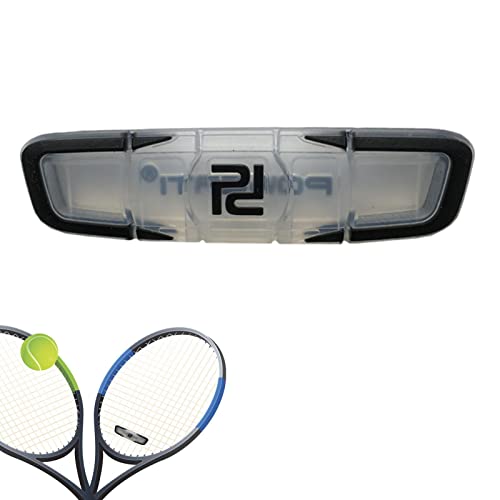

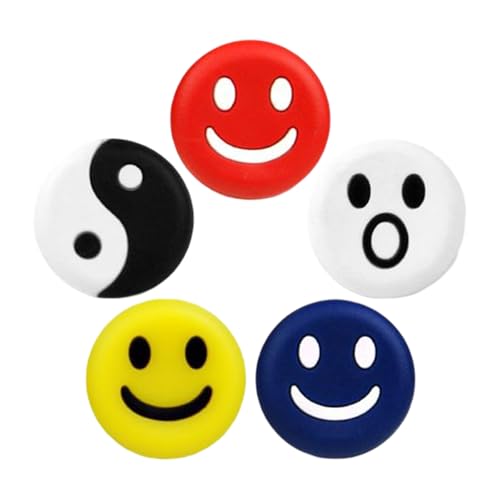

What Are Tennis Racket Dampeners?
Tennis racket dampeners are small inserts placed into the string bed of a tennis racket. They are usually made from rubber, silicone or similar flexible materials, depending on the product listed.
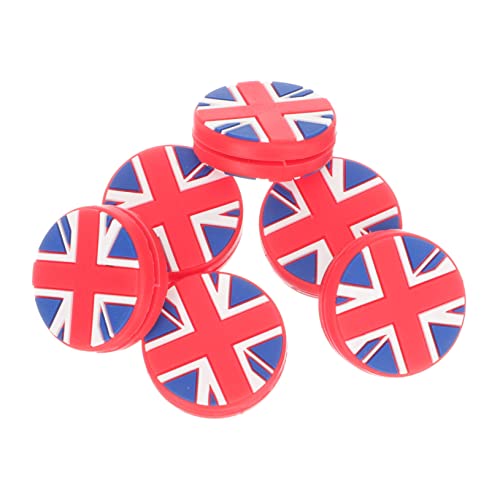
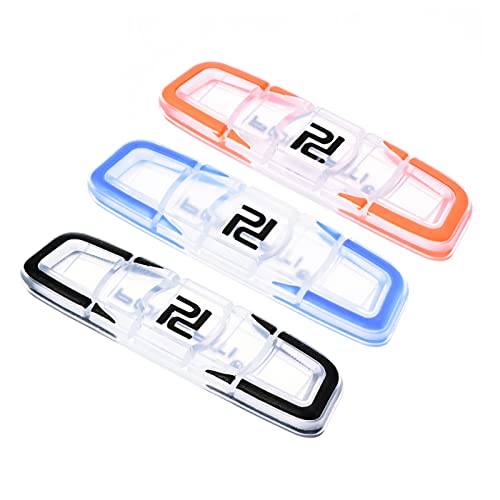
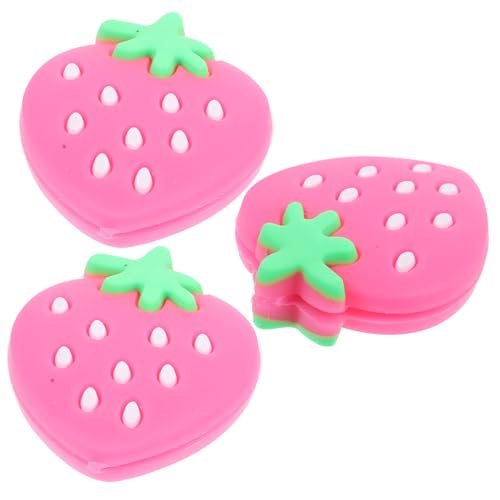
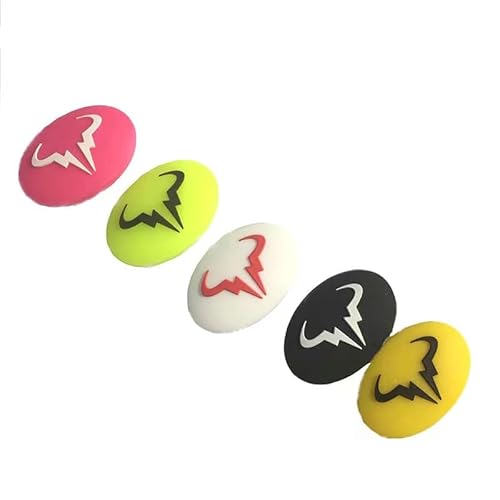
Products in this category may include button style dampeners, worm style dampeners, logo dampeners, novelty dampeners, simple round designs and longer strip style dampeners. Some are very small and discreet, while others cover more strings and create a slightly different feel.
They do not replace good strings, correct racket choice or sound technique, but they can make the racket feel more comfortable and less sharp on impact for some players.
What Are Tennis Racket Dampeners Used For?
Tennis racket dampeners are used to reduce the vibration and sound that comes from the strings after hitting the ball. Many players use them because they prefer a more muted feel when serving, rallying or returning.
They can be useful during lessons, social tennis, club play, practice sessions and regular match play. Some players like the quieter sound, while others prefer how the racket feels with a dampener fitted.
For new players, a dampener can make a racket feel less lively or noisy. For regular players, it can help create a familiar racket setup that feels consistent from session to session.
How To Choose The Right Tennis Racket Dampener
Start by thinking about the type of feel you prefer. A small button style dampener may offer a simple and discreet option. A longer worm style dampener may contact more strings and may feel more noticeable, depending on the racket and string setup.
Next, check compatibility with your racket strings. Most dampeners are designed for tennis rackets, but string spacing, string pattern and dampener shape can affect how securely they fit. A dampener should sit firmly without falling out during play.
Also consider style and visibility. Some players prefer plain dampeners that blend in with the racket, while others like brighter colours or branded designs that are easier to spot if they come loose.
Key Features To Compare
When comparing tennis racket dampeners, look at shape, size, material, string grip, ease of fitting, pack quantity, colour and care guidance. These details affect how practical the dampener is during real play.
Material can affect feel. Softer materials may create a more muted response, while firmer designs may feel less noticeable depending on the product.
Size matters too. Smaller dampeners are often easier to fit and less obvious on the racket. Larger or longer dampeners may create a stronger dampened feel but can be more noticeable in the string bed.
Pack quantity is useful if you own more than one racket, play often or want spares in your tennis bag. Dampeners are small and can be lost, so having an extra one can be practical.
Tennis Racket Dampeners Compared With Overgrips Strings And Racket Choice
A tennis racket dampener affects the feel and sound of the strings after contact. It is a small adjustment, not a full racket upgrade.
Overgrips are different because they change how the handle feels in the hand. They can help with grip comfort, sweat management and handle feel, but they do not sit in the string bed.
Strings have a much bigger effect on power, control, spin, tension and overall racket response. If the racket feels uncomfortable, too powerful or too harsh, string type and tension may matter more than the dampener.
The trade off is simple. A dampener is low cost, easy to fit and simple to change, but it only affects part of the playing feel. Strings, grips and racket setup all work together.
Guidance For Beginners Regular Players And Experienced Players
Beginners should choose a dampener that is easy to fit and stays securely in place. A simple design is usually enough if the aim is to reduce string sound and make the racket feel more settled.
Regular players may want to compare different shapes and materials to find a feel they like. Once a dampener feels right, keeping the same style across rackets can help maintain consistency.
Experienced players may be more particular about racket feedback. Some prefer a dampened feel, while others like a more direct string response. The right choice is personal and depends on how the racket feels during real hitting.
Coaches and parents may want spare dampeners for junior players, especially when dampeners are lost during lessons or club sessions.
Use Cases By Player Type And Playing Routine
For casual players, a tennis racket dampener can make the racket sound quieter and feel more comfortable during relaxed games.
For junior players, a colourful dampener may be easy to spot and can help personalise a racket. Fit and safety should still be checked carefully.
For club players, a reliable dampener that stays in place during rallies and serves can become part of a familiar racket setup.
For players with more than one racket, matching dampeners can help each racket feel more similar where the strings and setup are also comparable.
For gift buyers, dampeners can be a small and practical tennis accessory, especially when bought alongside grips, balls or other racket accessories.
Fit Compatibility And Practical Setup
A tennis racket dampener should be fitted securely between the strings in a suitable position according to the product guidance. It should not interfere with normal play, string movement or safe racket use.
Check that the dampener suits a tennis racket rather than a different racket sport. String spacing and racket design can vary, so compatibility should not be assumed for every racket.
If the dampener keeps falling out, it may not suit the string pattern, it may not be fitted correctly or the design may not grip the strings well enough. Trying a different shape or style may help.
For organised play, check any relevant competition or club guidance if dampener placement, design or use is important.
Safety Care Maintenance And Storage
Check the dampener before play to make sure it is secure and not cracked, split or loose. A damaged dampener may fall out or become distracting during a rally.
Keep spare dampeners in a tennis bag pocket, racket case or small accessory pouch. Because they are small, they can easily be misplaced if left loose.
Clean dampeners gently where needed, especially if they collect dust, clay or court debris. Let them dry before storing them with other accessories.
Do not stretch or force a dampener into place if it does not fit the string pattern comfortably. Forcing it may damage the dampener or make it more likely to come loose.
Useful Accessories To Consider
Useful related products can include tennis grips, overgrips, tennis balls, racket strings, tennis bags, wristbands, towels, water bottles and racket covers where suitable.
For regular players, keeping spare dampeners, overgrips and a towel in a tennis bag can make match days and practice sessions easier to manage.
For beginners, a simple setup of racket, balls, overgrip and dampener can help make early tennis sessions feel more comfortable and organised.
Why Buy Tennis Racket Dampeners From YPC?
At YPC, we understand active lifestyles and the need for practical products that work in real use. Tennis racket dampeners can vary by shape, size, material, colour, fit, string grip and playing feel, so comparing the details helps you choose with more confidence.
YPC helps you browse tennis accessories with real court use in mind, whether you are buying for lessons, club play, junior tennis, regular practice or a spare kit bag setup. Explore the Tennis Racket Dampeners category to browse the available options and compare the features that matter most for racket feel and everyday play.
FAQs
What does a tennis racket dampener do?
A tennis racket dampener helps reduce string vibration and changes the sound or feel after the ball hits the strings. Many players use one for a quieter, more muted racket response.
Do tennis racket dampeners improve performance?
A dampener can change how the racket feels, but it does not replace good technique, suitable strings or the right racket. Performance depends on the full racket setup and the player.
Are tennis racket dampeners suitable for beginners?
Yes, beginners can use tennis racket dampeners if they like the feel. A simple dampener can make the racket sound quieter and feel more settled during early practice.
What is the difference between button and worm dampeners?
Button dampeners are usually small and fit between a few strings. Worm dampeners are longer and weave across more strings. The right choice depends on fit, feel and personal preference.
Do dampeners fit all tennis rackets?
Not always. Many dampeners fit common tennis string patterns, but compatibility can vary by racket, string spacing and dampener design. Check the product details before buying.
Why does my racket dampener keep falling out?
A dampener may fall out if it is not fitted correctly, does not suit the string pattern or has become worn. Try refitting it carefully or choosing a different style where suitable.
Can juniors use tennis racket dampeners?
Yes, juniors can use dampeners where suitable. Choose a design that fits securely, check it before play and supervise younger children with small accessories where appropriate.
How should I store spare tennis dampeners?
Store spare dampeners in a tennis bag pocket, racket case or small accessory pouch. Keep them clean, dry and away from places where they may be lost or damaged.
 Getting ready for Summer? View our Home and Garden Products

Heading outdoors this winter? Take a look at our Outdoor Clothing.