
Aromatherapy and Essential Oils
Aromatherapy and Essential Oils bring balance, calm, and well-being to everyday life through the natural power of scent. Since 1988, our shop has been helping customers discover the benefits of pure essential oils and aromatherapy products, carefully sourced for quality, purity, and therapeutic value. Whether you’re creating a calming home atmosphere, improving focus, or enhancing self-care rituals, our Aromatherapy and Essential Oils collection offers everything you need to relax, restore, and recharge naturally.
- Aromatherapy and Essential Oils
Made by Coopers – Essential Oil for Diffuser – 10ml (Focus)
£17.50 *View On Amazon* - Aromatherapy and Essential Oils
Absolute Aromas Cedarwood Essential Oil 10ml – Pure, Natural, Undiluted, Cruelty Free and Vegan – for Aromatherapy, Diffusers and DIY Beauty Recipes
Original price was: £6.24.£4.79Current price is: £4.79. *View On Amazon* - Aromatherapy and Essential Oils
Tisserand – Wildcrafted Siberian Fir Wild Essential Oil – 100% Pure and Natural Aromatherapy Oil for Bath, Massage and More – Christmas Gifts, Relaxation Gifts for Women – 9 ml
Original price was: £9.00.£8.19Current price is: £8.19. *View On Amazon* - Aromatherapy and Essential Oils
Mystic Moments | Citrus Essential Oil Gift Starter Pack 5x10ml | 5 Pure Aromatherapy Oils – Lemon Cold Pressed, Lime Cold Pressed, Orange Sweet, Grapefruit Pink & Petitgrain | Fresh Home Scent
Original price was: £10.95.£10.45Current price is: £10.45. *View On Amazon* - Aromatherapy and Essential Oils
BIO – RAVINTSARA Essential Oil – 30mL – 100% Pure, Natural, Chemotyped and AB Certified – AROMA LABS (French Brand)
£6.40 *View On Amazon* - Aromatherapy and Essential Oils
Gya Labs Deep Calm Essential Oil Blend for Diffuser – Calm Essential Oil for Aromatherapy, Body, Uplift, Grounding & Relaxing (10ml)
£9.99 *View On Amazon* - Aromatherapy and Essential Oils
AESHORY Cherry Blossom Essential Oil 100ml, Natural Cherry Blossom Oil for Diffuser, Home Fragrance, Sleep, Relaxation, Skin Care, Perfume & Candle Making
Original price was: £9.99.£8.49Current price is: £8.49. *View On Amazon* - Aromatherapy and Essential Oils
Mystic Moments | Grapefruit Pink Essential Oil 100ml | Citrus Paradisi | Fresh, Sweet & Citrus Aroma for Diffusers, Perfumery & Craft Blends
£12.95 *View On Amazon* - Aromatherapy and Essential Oils
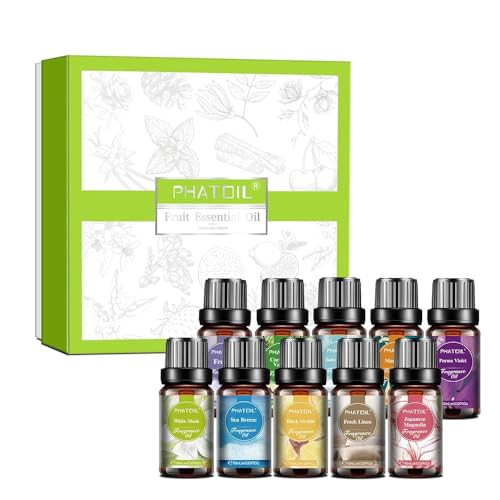
PHATOIL Fragrance Oil Set for Diffusers, Humidifier, DIY Candle, Soap, Essential Scent Oils Set with White Musk, Coconut&Vanilla, Fresh Linen, Sea Breeze, Baby Powder, Mandarin, Freesia, 10Pcs x 10ml
Original price was: £13.99.£9.49Current price is: £9.49. *View On Amazon* - Aromatherapy and Essential Oils
BIO – Cedarwood Atlas Essential Oil – 10mL – 100% Pure, Natural, Chemotyped and AB/Cosmos Certified – AROMA LABS (French Brand)
£4.83 *View On Amazon* - Aromatherapy and Essential Oils
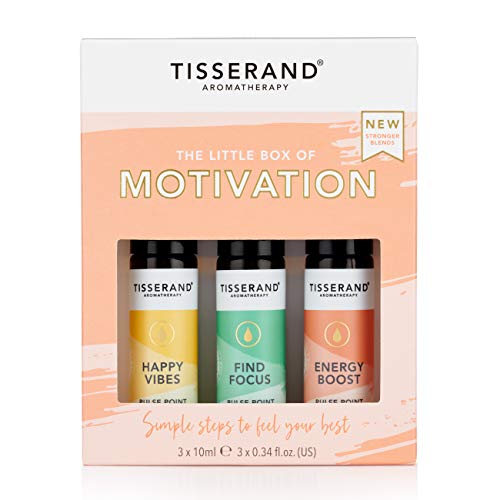
Tisserand – The Little Box of Motivation – Happy Vibes, Find Focus, Energy Boost – 100% Natural Pure Essential Oils – 3x10ml
Original price was: £18.00.£8.28Current price is: £8.28. *View On Amazon* - Aromatherapy and Essential Oils
MISIJI Floral Essential Oil Set, Aromatherapy for Diffuser, for Candle 6 * 10ML
£9.99 *View On Amazon*










🌿 Why Choose Our Aromatherapy and Essential Oils
With more than 35 years of experience in wellness and self-care, we specialise in providing authentic, high-grade essential oils and accessories that promote relaxation, energy, and emotional balance. Every bottle is selected for its purity, potency, and sustainability, helping you experience aromatherapy exactly as nature intended.
Key Benefits:
100% Pure Essential Oils: No fillers or synthetic additives.
Therapeutic-Grade Quality: Ideal for diffusers, massage, skincare, and holistic treatments.
Wide Range of Scents: From calming lavender to invigorating eucalyptus and citrus blends.
Multi-Use Products: Perfect for home fragrance, DIY beauty, and wellness routines.
Eco-Conscious Sourcing: Sustainably harvested and bottled with care.
Perfect for Gifts or Self-Care: Available individually or as beautifully presented sets.
💧 Top Types of Aromatherapy and Essential Oils
Single Essential Oils – Pure oils like lavender, peppermint, tea tree, eucalyptus, and lemon.
Blended Oils – Ready-to-use aromatherapy blends for sleep, stress relief, or energy.
Diffuser Oils – Formulated for ultrasonic diffusers and oil burners to scent your space naturally.
Massage Oils – Pre-blended oils with carrier bases for soothing aromatherapy massages.
Roll-On Oils – Portable, diluted blends for instant calm or focus on the go.
Gift Sets & Starter Kits – Curated selections of popular oils for beginners or relaxation gifts.
Aromatherapy Accessories – Diffusers, burners, and storage cases to complete your setup.
🌸 Buying Guide: How to Choose the Right Essential Oils
Selecting the best essential oils depends on your desired benefits and preferred aromas:
For Relaxation: Choose lavender, chamomile, or sandalwood to ease tension.
For Energy: Opt for peppermint, citrus, or rosemary for an uplifting boost.
For Focus: Try eucalyptus, basil, or frankincense to sharpen the mind.
For Better Sleep: Use lavender, bergamot, or ylang-ylang before bedtime.
For Skin & Beauty: Select tea tree, rose, or geranium for natural skincare blends.
Expert Tip: Always dilute essential oils with a carrier oil (like jojoba or almond oil) before applying to skin, and store bottles in a cool, dark place to preserve their potency.
🌼 2025 Aromatherapy Trends
This year’s aromatherapy and essential oil trends focus on mindful living and sustainable wellbeing:
Refillable and eco packaging to reduce waste.
Mood-enhancing oil blends tailored for relaxation, focus, and sleep.
Hybrid beauty products combining essential oils with skincare benefits.
Smart diffusers that connect to mobile apps for personalised scent schedules.
❓ FAQ: Aromatherapy and Essential Oils
Q1: Are your essential oils 100% pure?
Yes, all our essential oils are 100% pure and natural, free from synthetic fragrances or additives.
Q2: Can I use essential oils on my skin?
Yes, but always dilute with a carrier oil before topical application to prevent irritation.
Q3: Are your oils safe for diffusers and burners?
Absolutely, our oils are diffuser-safe and suitable for ultrasonic, ceramic, and electric diffusers.
Q4: Do you sell essential oil blends?
Yes, we offer pre-blended oils for relaxation, energy, sleep, and other wellness needs.
Q5: Are your products vegan and cruelty-free?
Yes, all our essential oils and blends are vegan, cruelty-free, and ethically sourced.
Q6: Can I buy essential oil gift sets?
Yes! Our aromatherapy gift boxes make perfect wellness presents, complete with oils and diffusers.
Q7: What’s the best way to store essential oils?
Keep them sealed tightly, away from sunlight and heat, ideally in dark glass bottles.
🌟 Why Shop With Us Since 1988
Since 1988, we’ve been a trusted name in natural wellness and self-care, helping customers embrace aromatherapy as part of a balanced lifestyle. Our Aromatherapy and Essential Oils collection reflects decades of experience sourcing high-quality, therapeutic oils from around the world. Whether you’re a beginner or an experienced aromatherapist, our curated range offers everything you need to create calm, comfort, and clarity, naturally.