Electric heaters are home appliances designed to provide extra warmth in rooms where central heating is not enough, not available or not needed all day. They are ideal for bedrooms, living rooms, home offices, conservatories, garages, workshops and occasional spaces that need quick or targeted heating.
A good electric heater can make a cold room more comfortable without heating the whole house. The right choice depends on room size, heater type, wattage, running cost, heat up speed, thermostat control, timer settings, safety features, noise level and where the heater will be used.
Start by thinking about the room you want to heat. A small bedroom or office may only need a compact portable heater, while a larger living room, conservatory or poorly insulated space may need a more powerful model or a heater designed for longer use.
Wattage is one of the main things to check because it affects heating performance and running cost. A higher wattage heater can produce more heat, but it may also cost more to run. Choose a heater that suits the room and the way you will use it rather than simply choosing the most powerful option.
What Matters Most When Comparing Electric Heaters
The main things to compare are heater type, power output, thermostat control, timer settings, safety features, portability, noise level, size and energy use. These details affect how practical the heater feels in everyday use.
A thermostat can help maintain a more comfortable temperature by switching the heater on and off as needed. A timer can be useful if you only want heat at certain times, such as before getting up, while working from home or before bedtime.
Fan Heater, Convector Heater or Oil Filled Radiator?
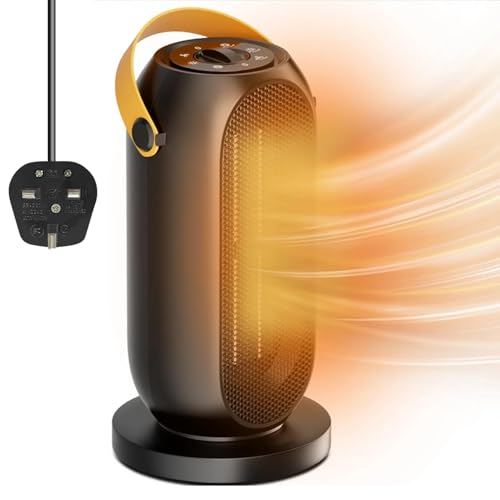
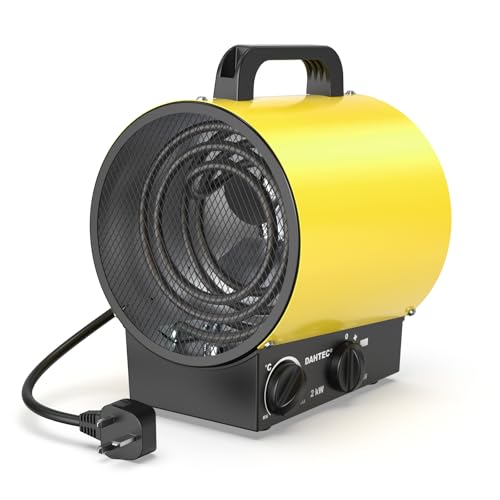
A fan heater is usually best for quick bursts of warmth. It blows warm air into the room and can feel effective quickly, but it may be noisier than other types and is often better for short term use.
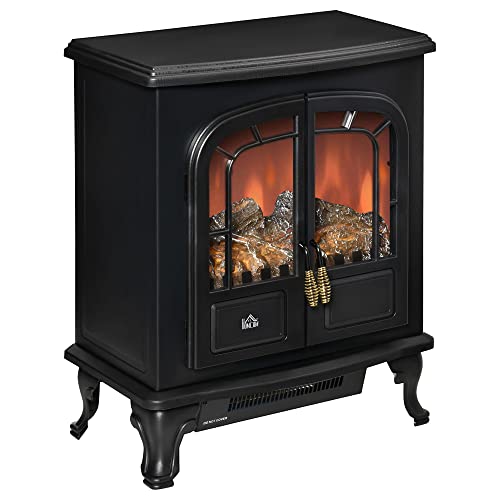
A convector heater warms air as it passes through the unit. It can be useful for steady room heating and is often quieter than a fan heater, depending on the model.
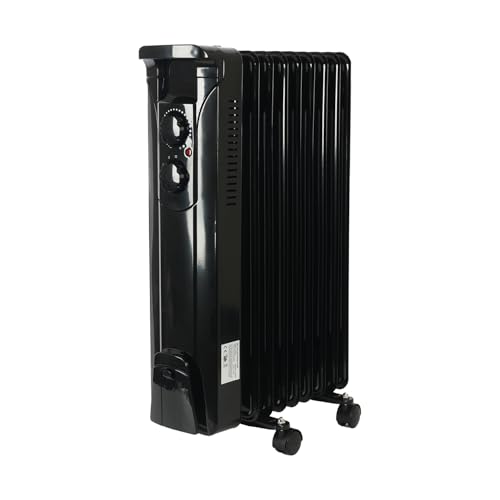
An oil filled radiator heats more slowly but can provide a steadier, more gradual warmth. It may suit bedrooms, offices and rooms where you want a gentler heat over a longer period.
The trade off is speed versus comfort. Fan heaters warm quickly, convector heaters offer steady room heat, and oil filled radiators are often chosen for slower, more consistent warmth.
Portable Heater or Wall Mounted Heater?
A portable electric heater is useful if you want to move warmth between rooms. It can be a practical choice for occasional use, home offices, spare rooms or spaces where fixed heating is not needed.
A wall mounted heater may be better for a room where you regularly need extra warmth in the same place. It can save floor space and look neater, but installation and positioning need more thought.
The trade off is flexibility versus permanence. Portable heaters are easy to move and store, while wall mounted heaters are better for a more fixed heating setup.
Running Costs and Energy Use
Electric heaters can be convenient, but running costs matter. The cost depends on the heater wattage, electricity price, how long the heater runs and whether it has controls such as a thermostat, timer or eco mode.
For occasional use, an electric heater can be a practical way to warm one room rather than turning up heating throughout the home. For long daily use, compare energy use carefully and choose a model with controls that help avoid unnecessary running.
Safety Features and Room Suitability
Safety should be a major part of choosing an electric heater. Look for features such as overheat protection, tip over protection, stable feet, cool touch areas or automatic shut off where available.
Not every electric heater is suitable for every room. Bathrooms, damp areas, children’s rooms, garages and workshops may need extra care when choosing and positioning a heater. Always check the individual product details and follow the manufacturer’s guidance before use.
Noise, Comfort and Everyday Use
Noise level matters if the heater will be used in a bedroom, office or living space. Fan heaters may create more sound because they move air, while oil filled radiators and some convector heaters are usually quieter in operation.
Comfort also depends on the type of heat you prefer. Some people like fast warm airflow, while others prefer a gentler background warmth. Think about whether you need quick heat for short periods or steadier warmth for longer sessions.
Size, Storage and Positioning
Before buying, check the heater dimensions and where it will sit in the room. Portable heaters need stable floor space and safe clearance around them, while wall mounted heaters need a suitable fixing position.
If the heater will only be used in winter, storage matters too. A compact heater may be easier to store in a cupboard, garage or spare room when not needed. If it will stay out regularly, appearance, cable length and control placement may also matter.
Find an Electric Heater That Suits Your Home
Browse our range of electric heaters and compare options by heater type, wattage, controls, safety features, size and intended use. Choose a heater that suits your room, supports your routine and helps make cold spaces more comfortable when extra warmth is needed.
Electric Heaters FAQs
What is an electric heater used for?
An electric heater is used to provide extra warmth in a room or specific area. It can be useful in bedrooms, home offices, living rooms, conservatories, garages and spaces where central heating is limited or not needed all day.
What should I check before buying an electric heater?
Check the heater type, wattage, room size suitability, thermostat, timer, safety features, noise level, portability, dimensions and whether it is suitable for the room where it will be used.
Are electric heaters expensive to run?
Running cost depends on the heater wattage, electricity price and how long it is used. A thermostat, timer or eco setting can help reduce unnecessary running, but regular long use can still add to energy costs.
What type of electric heater heats a room quickly?
Fan heaters usually provide quick warmth because they blow heated air into the room. They can be useful for short bursts of heat, but they may be noisier than other heater types.
Are oil filled radiators good for bedrooms?
Oil filled radiators can be a good choice for bedrooms if you want quieter, steadier heat over a longer period. Always check the product guidance and safety features before using any heater in a bedroom.
Is a convector heater better than a fan heater?
A convector heater is often better for quieter, steadier room heating. A fan heater is usually better for quick warmth. The better choice depends on whether you value speed, noise level or longer comfort.
Can electric heaters be used in bathrooms?
Only use an electric heater in a bathroom if it is clearly designed and rated for bathroom use. Bathrooms need extra care because of moisture, water and electrical safety.
Do electric heaters need ventilation?
Most electric heaters do not need ventilation in the same way as fuel burning heaters, but they still need safe clearance and airflow around the appliance. Always follow the product instructions.
Are portable electric heaters safe?
Portable electric heaters can be safe when used correctly, but they must be placed on a stable surface, kept away from soft furnishings and used according to the product guidance. Safety features are worth checking before buying.
What size electric heater do I need?
The right size depends on the room size, insulation, ceiling height and how much warmth you need. Use the product room guidance as a starting point and avoid choosing a heater that is too small for the space.
Can an electric heater replace central heating?
An electric heater can provide useful extra warmth in one room, but it may not be the most practical replacement for whole home heating. It is usually best for targeted or occasional heating.
Do electric heaters need maintenance?
Electric heaters need basic care such as keeping vents clear, wiping dust from the appliance, checking the cable and storing it safely when not in use. Always follow the product guidance for maintenance and safe operation.
Heading outdoors this winter? Take a look at our Outdoor Clothing.
Manage Consent
To provide the best experiences, we use technologies like cookies to store and/or access device information. Consenting to these technologies will allow us to process data such as browsing behaviour or unique IDs on this site. Not consenting or withdrawing consent, may adversely affect certain features and functions.
Functional
Always active
The technical storage or access is strictly necessary for the legitimate purpose of enabling the use of a specific service explicitly requested by the subscriber or user, or for the sole purpose of carrying out the transmission of a communication over an electronic communications network.
Preferences
The technical storage or access is necessary for the legitimate purpose of storing preferences that are not requested by the subscriber or user.
Statistics
The technical storage or access that is used exclusively for statistical purposes.The technical storage or access that is used exclusively for anonymous statistical purposes. Without a subpoena, voluntary compliance on the part of your Internet Service Provider, or additional records from a third party, information stored or retrieved for this purpose alone cannot usually be used to identify you.
Marketing
The technical storage or access is required to create user profiles to send advertising, or to track the user on a website or across several websites for similar marketing purposes.