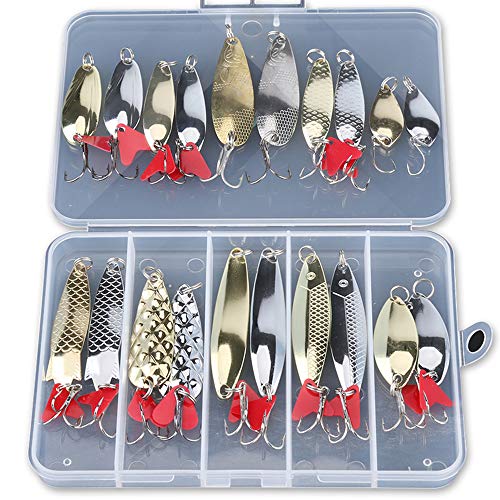
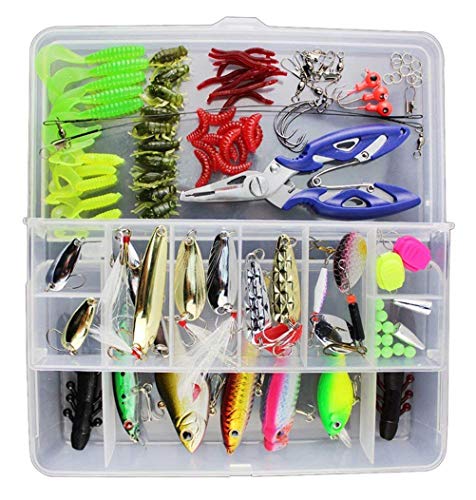
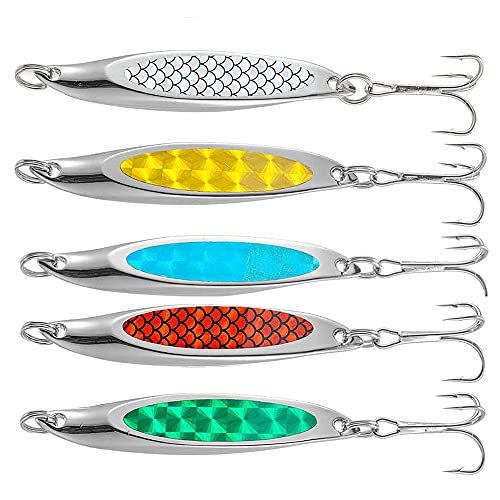
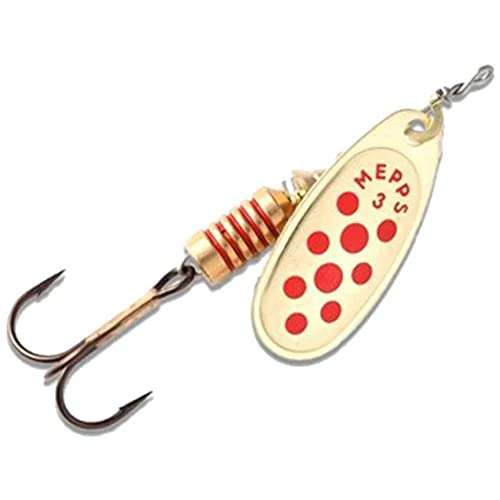
Fishing spinners and spoons are artificial lures designed to create movement, flash and vibration in the water. They are suitable for beginners, regular anglers and experienced fishers who enjoy active lure fishing for suitable freshwater and sea species.
The right spinner or spoon depends on the fish you are targeting, the water depth, current, casting distance, rod rating, line strength, lure weight, hook setup, colour and how fast you plan to retrieve. Some lures are useful for covering water quickly, while others are better for slower, more controlled presentations.
Fishing spinners and spoons are metal or part metal lures used to attract fish by movement, shine and vibration. A spinner usually has a rotating blade that spins as it moves through the water. A spoon usually has a curved metal body that wobbles, flashes and flutters during the retrieve.
Both are popular because they are simple to use and can be effective in many lure fishing situations. They are often used for predatory fish that respond to movement and the appearance of small prey fish.
Spinners and spoons are available in different sizes, colours, weights and hook styles. Always choose a lure that suits your tackle, target species and venue rules.
What Are Fishing Spinners And Spoons Used For?
Fishing spinners and spoons are used to search water and trigger takes from fish that respond to movement. They are commonly cast out and retrieved through the water, with the angler adjusting speed, depth and direction.
They can be used in rivers, canals, lakes, reservoirs and coastal waters where lure fishing is allowed. The exact choice depends on the species, water conditions and local rules.
Spinners can be useful when fish are reacting to vibration and flash. Spoons can be useful when you want a fluttering, wobbling action that can imitate an injured or moving baitfish.
How To Choose The Right Fishing Spinner Or Spoon
Start with the species you want to target. Perch, pike, trout, bass, pollack, mackerel and other predatory fish may respond to different lure sizes, colours and retrieve speeds.
Next, match the lure weight to your rod and line. A lure that is too heavy for your rod may be unsafe or difficult to cast. A lure that is too light may not cast well or reach the depth you need.
Think about the water too. Shallow canals, fast rivers, deep lakes and coastal marks all need different lure choices. In shallow or weedy water, a lighter lure may be easier to control. In deeper or faster water, a heavier spoon or spinner may help reach the fishing depth.
Key Features To Compare
When comparing fishing spinners and spoons, look at weight, size, blade shape, body shape, colour, finish, hook type, casting distance, depth control and suitability for freshwater or saltwater use.
Spinner blade size and shape can affect vibration and lift in the water. A larger blade may create more resistance and flash, while a smaller blade may allow a faster or deeper retrieve.
Spoon shape affects the action. A wider spoon may wobble more strongly, while a slimmer spoon may cast well and work at different speeds. The right choice depends on the water, fish and retrieve style.
Spinners Compared With Spoons
Spinners create action through a rotating blade. They can be easy to use because the blade starts working during the retrieve and gives vibration through the rod tip.
Spoons create action through their curved shape. They wobble, flutter and flash as they move, which can imitate a small fish or injured prey.
The trade off is action style and control. Spinners are often simple and consistent, while spoons can offer a wider range of retrieves, including steady winding, pauses and fluttering drops.
Beginner, Regular Angler And Experienced Angler Guidance
Beginners should start with a small selection of spinners and spoons in suitable weights for their rod. A few different colours and sizes are more useful than carrying too many similar lures.
Regular anglers may want to build a range for different depths, seasons and venues. Light spinners, heavier spoons, natural colours and brighter finishes can all have a place depending on conditions.
Experienced anglers often fine tune lure choice based on water clarity, temperature, fish activity, prey size, current speed and retrieve depth. Small changes in speed and lure action can make a noticeable difference.
Colour, Flash And Vibration
Colour and flash can affect how visible a lure is in the water. Silver, gold, copper, bright colours and natural finishes may all be useful depending on light levels and water clarity.
In clear water, a natural or subtle finish may work well. In coloured water, low light or fast moving water, brighter colours or stronger flash may help fish locate the lure.
Vibration is also important, especially with spinners. Fish may detect movement through the water before they clearly see the lure. This is one reason blade size and retrieve speed matter.
Size, Weight And Casting Distance
Lure size should match the fish, tackle and conditions. Smaller spinners and spoons may suit perch, trout or cautious fish, while larger lures may be used for bigger predators where suitable.
Weight affects casting distance and depth. Heavier lures usually cast further and sink faster, but they also need suitable rods and line. Lighter lures can be useful in shallow water or when fish are feeding close to the surface.
Always check the casting weight of your rod before using a lure. Matching lure weight to tackle helps with safer casting and better control.
Retrieve Speed And Depth Control
Retrieve speed changes how spinners and spoons behave. A steady retrieve can keep the lure working consistently, while pauses, lifts and slower turns can change the action.
Spinners often need enough movement to keep the blade turning. Spoons can sometimes be worked more slowly, especially when allowed to flutter down through the water.
Depth control comes from lure weight, retrieve speed, rod angle and how long the lure is allowed to sink before winding. Practise different retrieves so you can work the lure through the water more deliberately.
Freshwater And Sea Fishing Use
Spinners and spoons can be used in both freshwater and sea fishing where lure fishing is allowed. Freshwater use may include rivers, canals, lakes and reservoirs. Sea use may include beaches, piers, rocks and harbour areas where safe and permitted.
Saltwater can be harder on metal parts, hooks and split rings. After sea fishing, rinse and dry lures where appropriate and check for corrosion before storing them.
Always choose lures and tackle suited to the environment. Strong tides, rocks, weed, snags and larger fish may require stronger gear than light freshwater lure fishing.
Hooks, Leaders And Safe Handling
Many spinners and spoons are fitted with single hooks, treble hooks or split ring mounted hooks depending on the lure. Hook type can affect fish handling, venue rules and how easily fish can be unhooked.
For species with sharp teeth, such as pike, a suitable trace or bite resistant leader may be needed. For sea fishing or snaggy areas, stronger leaders may also be useful depending on the target species and ground.
Handle lures carefully. Treble hooks can catch in nets, clothing and hands, so use forceps or pliers and keep fingers clear when unhooking fish.
Venue Rules And Responsible Lure Fishing
Always check the venue rules before using spinners and spoons. Some waters restrict lure fishing, treble hooks, hook sizes, wire traces, seasons or target species.
You should also check current fishing licence requirements, permissions and local byelaws before fishing. Rules can vary by water, species and location.
Responsible lure fishing means taking litter home, not leaving line or damaged lures behind, handling fish carefully and respecting other anglers and water users.
Care, Cleaning And Storage
Spinners and spoons should be cleaned, dried and stored properly after use. This is especially important after sea fishing, muddy sessions or fishing in weedy water.
Check hooks, split rings, swivels and lure bodies regularly. Replace damaged or rusty hooks where suitable and remove any lures that are unsafe to use.
Store lures in a lure box or tackle organiser so hooks do not tangle. Hook covers can also be useful for transport and safer handling.
Useful Accessories To Consider
Useful accessories for fishing spinners and spoons include lure boxes, leaders, traces, swivels, clips, split rings, forceps, pliers, line cutters, hook sharpeners, landing nets and unhooking mats.
For active lure fishing, a compact tackle bag, suitable footwear, polarised glasses, waterproof clothing and a landing tool can also be useful. The right accessories help you fish more safely and stay organised while moving between swims.
Why Buy Fishing Spinners And Spoons From YPC?
At YPC, we understand active lifestyles and the need for practical products that work in real use. Fishing spinners and spoons should be chosen carefully because size, weight, colour, action and tackle compatibility all matter.
Browse the Fishing Spinners and Spoons category at YPC to compare available options, check the details that suit your fishing style and choose lures that match the waters and species you plan to target.
Fishing Spinners And Spoons FAQs
What are fishing spinners?
Fishing spinners are artificial lures with a blade that rotates as the lure is retrieved through the water. This creates flash and vibration that may attract predatory fish.
They are commonly used for active lure fishing in suitable freshwater and sea fishing situations.
What are fishing spoons?
Fishing spoons are curved metal lures that wobble, flutter and flash as they move through the water. Their action can imitate a small fish or injured prey.
They can be cast and retrieved at different speeds depending on the depth, current and target species.
What is the difference between spinners and spoons?
Spinners use a rotating blade to create vibration and flash. Spoons use a curved body to create a wobbling or fluttering action.
Both are used for lure fishing, but they move differently and may suit different water conditions.
Are spinners and spoons suitable for beginners?
Yes, spinners and spoons can be suitable for beginners because they are fairly simple to cast and retrieve. The key is choosing a lure weight that matches the rod and line.
Beginners should start with a small selection of sizes and colours rather than buying too many lures at once.
What fish can I catch with spinners and spoons?
Spinners and spoons may be used for predatory fish such as perch, pike, trout, bass, pollack, mackerel and other suitable species depending on the venue and rules.
The target species should guide lure size, hook setup, leader choice and tackle strength.
Can I use spinners and spoons for pike fishing?
Yes, spinners and spoons are often used for pike fishing where lure fishing is allowed. A suitable trace or bite resistant leader is normally important because pike have sharp teeth.
Use tackle strong enough for the fish and handle pike carefully with suitable unhooking tools.
Can I use spinners and spoons for perch?
Yes, smaller spinners and spoons can be used for perch fishing. Light tackle, suitable lure weights and careful presentation are usually important.
Check venue rules before fishing, especially on canals, rivers and club waters.
Can I use spinners and spoons for sea fishing?
Yes, spinners and spoons can be useful for some sea fishing situations, including targeting species that respond to flashing or moving lures.
After saltwater use, rinse and dry lures where appropriate and check hooks and split rings for corrosion.
What colour spinner or spoon should I choose?
Colour choice depends on water clarity, light levels and fish behaviour. Natural silver, gold or darker finishes may suit clear water, while brighter colours may help in coloured water or low light.
It is useful to carry a few colours so you can adapt during a session.
What size spinner or spoon should I use?
The right size depends on the target fish, rod rating, line strength and water conditions. Smaller lures may suit smaller predators or cautious fish, while larger lures may suit bigger species where appropriate.
Always make sure the lure weight matches your rod casting weight.
How fast should I retrieve a spinner?
A spinner usually needs enough speed to make the blade rotate. If the retrieve is too slow, the blade may not work properly.
Try steady retrieves first, then adjust speed, rod angle and depth based on how the lure feels and how fish respond.
How fast should I retrieve a spoon?
A spoon can often be retrieved steadily, slowly or with pauses depending on its design. Pausing can let the spoon flutter down, which may attract fish in some conditions.
Watch the lure action close in if the water is clear, as this helps you understand how it moves.
Do I need a swivel with spinners and spoons?
A swivel can be useful because some spinners and spoons may create line twist during retrieval. Clips and swivels can also make lure changes quicker.
Choose swivels and clips that match the strength of your tackle and the fish you are targeting.
Do I need a wire trace for spinners and spoons?
A wire trace or bite resistant leader may be needed when fishing for pike or other toothy predators. It helps reduce the risk of the fish biting through the line.
Leader choice should match the species, venue rules and tackle setup.
Are treble hooks allowed on all waters?
No, some venues restrict treble hooks or require certain hook types. Rules can vary by fishery, club, species and season.
Always check the rules before fishing with spinners or spoons fitted with treble hooks.
Can spinners and spoons be used in weedy water?
They can be used in some weedy areas, but hooks and blades may catch weed easily. In heavy weed, another lure style or a more weed resistant presentation may be more practical.
If a lure keeps collecting weed, change depth, retrieve angle or lure type.
How should I store spinners and spoons?
Store spinners and spoons in a lure box or tackle organiser. Keep hooks separated where possible to reduce tangles and make them safer to handle.
Dry lures before storing them for longer periods, especially after sea fishing.
What should I check before buying fishing spinners and spoons?
Check lure weight, size, colour, hook type, target species, rod casting weight, line strength and venue rules. Also think about water depth, current, clarity and whether you need leaders or swivels.
The right spinner or spoon should match your tackle, the water you fish and the species you plan to target.
Heading outdoors this winter? Take a look at our Outdoor Clothing.
Manage Consent
To provide the best experiences, we use technologies like cookies to store and/or access device information. Consenting to these technologies will allow us to process data such as browsing behaviour or unique IDs on this site. Not consenting or withdrawing consent, may adversely affect certain features and functions.
Functional
Always active
The technical storage or access is strictly necessary for the legitimate purpose of enabling the use of a specific service explicitly requested by the subscriber or user, or for the sole purpose of carrying out the transmission of a communication over an electronic communications network.
Preferences
The technical storage or access is necessary for the legitimate purpose of storing preferences that are not requested by the subscriber or user.
Statistics
The technical storage or access that is used exclusively for statistical purposes.The technical storage or access that is used exclusively for anonymous statistical purposes. Without a subpoena, voluntary compliance on the part of your Internet Service Provider, or additional records from a third party, information stored or retrieved for this purpose alone cannot usually be used to identify you.
Marketing
The technical storage or access is required to create user profiles to send advertising, or to track the user on a website or across several websites for similar marketing purposes.