
Fishing Waders
Fishing waders are designed to help anglers stay drier when standing in shallow water, crossing wet margins or fishing in damp bank conditions where normal trousers and boots are not enough. They are suitable for fly anglers, coarse anglers, lure anglers, river anglers, sea anglers and anyone who needs suitable lower body protection around water.
The right fishing waders depend on where you fish, water depth, current, tide, ground conditions, fit, material, boot style, sole grip, warmth, breathability claims where listed and whether you need chest waders, waist waders or thigh waders. Wading should always be done carefully, only where it is safe and permitted.
- Fishing Waders
Savage Island Nylon Waterproof Chest Waders with Boots, UK 11, Green
£32.99 *View On Amazon* - Fishing Waders
Savage Island Waterproof Nylon Chest Waders with Boots, Green, UK 8
£34.99 *View On Amazon* - Fishing Waders
Savage Island PVC Coated Chest Waders with Boots, UK 9, Green
£28.99 *View On Amazon* - Fishing Waders
Svikou Unisex Chest Waders with Cleated Boots, Waterproof Suit
£31.33 *View On Amazon* - Fishing Waders
AUYAO Unisex Chest Waders with Boots
Original price was: £23.99.£22.49Current price is: £22.49. *View On Amazon* - Fishing Waders
SUNNYNEST Chest Waders with Boots Waterproof PVC Rain Trousers
Original price was: £21.99.£18.69Current price is: £18.69. *View On Amazon* - Fishing Waders
SUNNYNEST PVC Chest Waders with Integrated Boots
Original price was: £21.99.£18.69Current price is: £18.69. *View On Amazon* - Fishing Waders
Kids Chest Waders with Attached Boots, Z1 Army Green, 14-15 Years
£18.86 *View On Amazon* - Fishing Waders
Greys Tail Stockingfoot Fishing Waders, L, UK 10.5-12, EU 45-47
£132.99 *View On Amazon* - Fishing Waders
Night Cat Chest Waders with Boots, Waterproof Fishing Waders, Size 10
£49.99 *View On Amazon* - Fishing Waders
Navis Marine Men’s Waterproof Bib and Brace Overalls, Black, L
£39.99 *View On Amazon* - Fishing Waders
Navis Marine Men’s Waterproof Bib and Brace Work Overalls, DG, S
£39.99 *View On Amazon* - Fishing Waders
Night Cat Waist Waders with Boots, Waterproof, Size 8
Original price was: £39.99.£33.99Current price is: £33.99. *View On Amazon* - Fishing Waders
Michigan 3.8mm Neoprene Chest Waders with Adjustable Suspenders and Boots
£39.99 *View On Amazon* - Fishing Waders
Goture Chest Waders with Boots, Green, UK8 / EU42
Original price was: £42.99.£34.39Current price is: £34.39. *View On Amazon* - Fishing Waders
DUNLOP Work-It Thigh Waders with Full Safety Boots, PVC, Green, UK 9
£73.59 *View On Amazon*







What Are Fishing Waders?
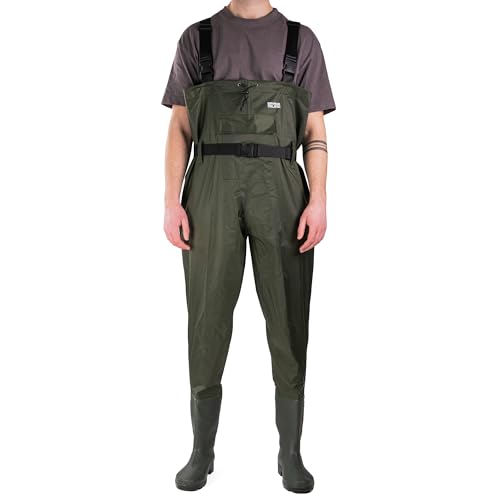
Fishing waders are protective garments worn over clothing to help keep the legs, feet and sometimes the body dry while fishing in or near water. They are commonly used for fly fishing, river fishing, lure fishing, sea fishing and wet bank work.
Waders are different from fishing trousers, bibs or salopettes. Trousers and salopettes are mainly worn for warmth and weather protection on land, while waders are designed for entering water where safe and suitable.
Depending on the product, waders may include built in boots or stocking style feet that are worn with separate wading boots. Always check the product details carefully before buying so you understand how they are intended to be worn.
What Are Fishing Waders Used For?
Fishing waders are used when anglers need to stand in shallow water, fish from wet margins, move along rivers, access swims or stay drier in muddy and damp conditions. They can be useful when bank access is limited or when casting from the water gives better positioning.
Fly anglers often use waders for river and stillwater fishing, especially where controlled wading helps with casting and presentation. Lure anglers may use them when fishing shallow margins, estuaries or rocky areas where permitted.
Waders can also help with comfort when conditions are wet, muddy or cold. However, they should not be treated as safety equipment. Care, judgement and suitable conditions are essential.
How To Choose The Right Fishing Waders
Start by thinking about where you will use the waders. A shallow stillwater, slow river, fast river, beach, estuary or muddy bank can all need different levels of coverage, sole grip and support.
Next, choose the wader height. Thigh waders may suit shallow water and wet banks. Waist waders can offer more coverage while feeling less bulky than chest waders. Chest waders offer the most body coverage and are often used for fly fishing and deeper safe wading.
Fit is important. Waders should allow room for layers and movement without being so loose that they feel awkward or so tight that they restrict walking, crouching or stepping safely. If you fish in cold conditions, allow space for thermal layers and warm socks.
Key Features To Compare
When comparing fishing waders, look at wader type, size, fit, material, seams, boot style, sole grip, pocket layout, brace adjustment, belt compatibility, repair guidance and whether the product is suitable for your intended fishing environment.
Material matters because it affects warmth, flexibility, weight and comfort. Some waders are designed for warmth, while others focus on lighter movement or breathability where listed.
Footwear is one of the most important details. Built in boot waders can be simple and convenient, while stocking foot waders need separate wading boots but may offer more choice in fit and sole type.
Chest Waders, Waist Waders And Thigh Waders
Chest waders provide the most coverage and are often chosen for fly fishing, river fishing and situations where deeper safe wading may be needed. They usually include shoulder braces and may be worn with a wading belt.
Waist waders sit closer to trouser height and can be useful when you do not need full chest coverage. They may feel cooler and less bulky than chest waders in milder conditions.
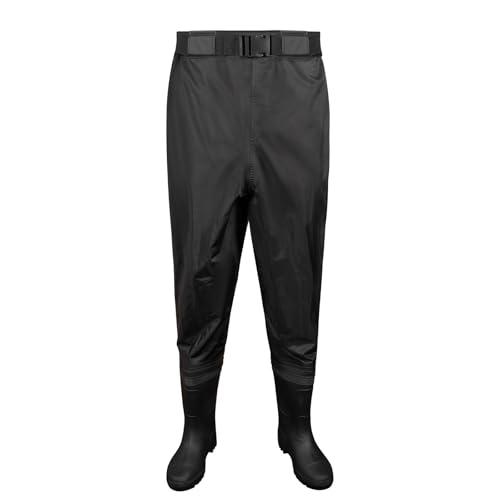
Thigh waders cover the legs to the upper thigh and are often used for shallow water, muddy banks, margins or occasional wet work. They are easier to put on than chest waders, but they offer less coverage.
The best choice depends on water depth, venue rules, comfort and how much protection you actually need.
Boot Foot Waders Compared With Stocking Foot Waders
Boot foot waders have boots attached, making them simple to put on and useful for anglers who want an all in one setup. They can be practical for coarse fishing, sea fishing, muddy banks and short sessions.
Stocking foot waders have soft feet and are worn with separate wading boots. This can give more flexibility in boot choice, sole type and ankle support, especially for river and fly fishing.
The trade off is convenience versus custom fit. Boot foot waders are straightforward, while stocking foot waders can offer more control over footwear but require separate boots.
Neoprene, Nylon And Breathable Waders
Neoprene waders are often chosen for warmth and can be useful in colder conditions. They may feel more insulating but can also be warmer and bulkier in mild weather.
Nylon or PVC style waders can be simple, practical and easy to use for many bank and shallow water situations, depending on the product. They may suit occasional use where warmth is not the main concern.
Breathable waders are designed to improve comfort during active fishing where listed. They can be useful for walking, river fishing and milder conditions, but warmth usually comes from the layers worn underneath.
Always check the product details, as materials and performance vary between models.
Beginner, Regular Angler And Experienced Angler Guidance
Beginners should choose waders that are simple, comfortable and suitable for safe shallow use. It is better to start cautiously and learn how waders feel before attempting more demanding water.
Regular anglers may want waders that suit their main fishing style. A fly angler may prefer stocking foot chest waders with separate boots, while a coarse angler may find boot foot waders more convenient for muddy banks.
Experienced anglers often focus on fit, seams, boot grip, wading depth, repair options, layering and how the waders perform during long sessions. Small details can make a big difference when waders are used often.
Waders For Fly, Coarse, Lure And Sea Fishing
Fly anglers often use waders for rivers and stillwaters where safe wading improves casting position and presentation. Chest waders and suitable wading boots are common choices, depending on the water.
Coarse anglers may use waders for wet margins, muddy banks, fish care work, peg maintenance or shallow access where permitted. Boot foot waders may be practical for this type of use.
Lure anglers may use waders when moving along rivers, canals, estuaries or shallow margins. Lightweight movement, grip and safe footing are especially important.
Sea anglers may use waders on beaches, estuaries, shallow surf or muddy marks, but tides and waves create extra risk. Coastal wading should only be done with great care and local knowledge.
Fit, Layering And Comfort
Fishing waders should fit well enough to move safely. You need to be able to walk, step, crouch, cast and climb out of the water without feeling restricted.
Layering matters in cold weather. Thermal leggings, warm socks and suitable base layers can make waders more comfortable, but avoid adding so much bulk that movement becomes awkward.
Foot comfort is important too. Socks, boot size and sole support can affect how secure you feel. If your feet are cramped or sliding inside the boot, wading becomes more tiring and less safe.
Sole Grip And Wading Boots
Sole grip should match the ground you fish. Mud, gravel, weed, rocks, sand, shingle and silt can all need different footwear considerations.
Some wading soles are intended for general banks, while others may suit rocky river beds or slippery ground depending on the product. Always check the product details before buying.
If using stocking foot waders, separate wading boots should fit correctly over the stocking foot and any socks worn underneath. Good ankle support and reliable grip can be very important on uneven river beds.
Safety Around Water
Waders must be used with care. Moving water, tides, soft silt, sudden drop offs, slippery stones and cold water can all be dangerous.
Do not wade deeper than necessary, and do not assume that chest waders make deep water safe. A wading belt can help reduce water entry if you slip, where suitable, but it does not remove the risk.
Take extra care when fishing alone, in poor light, in winter, after rain or near the sea. Check weather, water levels and tide times where relevant, and follow local rules and guidance.
Venue Rules, Licences And Responsible Use
Always check venue rules before using fishing waders. Some fisheries, rivers, clubs or reserves may restrict wading, protect spawning areas or limit access to certain banks.
You may also need a fishing licence, day ticket, club membership or permission depending on where you fish. Rules vary by location, species and water type.
Responsible wading means avoiding damage to banks, weed beds, spawning areas and wildlife. Enter and leave the water carefully, and do not disturb other anglers.
Care, Cleaning And Storage
Fishing waders should be cleaned and dried properly after use. Mud, sand, saltwater, weed and fishery debris can affect comfort and condition if left on the material.
Follow the product care instructions, especially for breathable fabrics, seams, zips and boot sections. After sea fishing, rinse salt from waders where suitable and dry them before storage.
Store waders in a clean, dry place away from sharp objects, hooks, rodents, heat and heavy items that could damage the material. Check for leaks, worn soles or damaged seams before your next session.
Useful Accessories To Consider
Useful accessories for fishing waders include wading boots, wading belts, wading staffs, gravel guards where suitable, warm socks, base layers, repair kits, waterproof bags, boot bags, drying hangers and landing nets.
Polarised glasses can help you see into the water more clearly, while gloves, hats and waterproof jackets can make wading sessions more comfortable in poor weather.
The best wading setup is not only about the waders. Footwear, safety awareness, clothing layers and fish handling equipment all work together.
Why Buy Fishing Waders From YPC?
At YPC, we understand active lifestyles and the need for practical products that work in real use. Fishing waders should be chosen carefully because fit, coverage, footwear, grip and safe use all matter around water.
Browse the Fishing Waders category at YPC to compare available options, check the details that suit your fishing style and choose waders that match the waters and conditions you plan to fish.
Fishing Waders FAQs
What are fishing waders?
Fishing waders are protective garments worn over clothing to help keep anglers drier when standing in shallow water or fishing wet margins. They usually cover the legs and may extend to the waist or chest.
They are used in fly fishing, coarse fishing, lure fishing, river fishing and some sea fishing situations.
Are fishing waders suitable for beginners?
Yes, fishing waders can be suitable for beginners when used carefully in safe, shallow and permitted areas. Beginners should start with simple conditions and avoid fast, deep or unfamiliar water.
Fit, grip and safety awareness are more important than buying the most advanced pair.
What type of fishing waders should I choose?
Choose waders based on where you fish and how much coverage you need. Thigh waders suit shallow water, waist waders offer medium coverage, and chest waders provide the most coverage.
Also consider boot style, material, fit and the ground conditions you will face.
What is the difference between chest waders and thigh waders?
Chest waders extend up the body and provide more coverage for deeper safe wading. Thigh waders only cover the legs to the upper thigh and are better suited to shallow water or wet banks.
The right choice depends on water depth, venue rules and comfort.
What are waist waders used for?
Waist waders offer more coverage than thigh waders but less than chest waders. They can be useful when you want protection without the bulk of chest waders.
They may suit shallow rivers, stillwaters and wet bank conditions where full chest coverage is not needed.
What are boot foot waders?
Boot foot waders have boots permanently attached. They are simple to put on and can be practical for muddy banks, coarse fishing, sea fishing and general wet conditions.
Check boot size and sole type carefully before buying.
What are stocking foot waders?
Stocking foot waders have soft feet and are worn with separate wading boots. They are often used by fly anglers and river anglers who want more choice in boot fit and sole grip.
You will need suitable wading boots to use them properly.
Are neoprene waders warm?
Neoprene waders are often chosen for warmth and can be useful in colder conditions. They may feel warmer than lighter materials, depending on the product and layers worn underneath.
They can also feel warmer and bulkier in mild weather.
Are breathable waders worth considering?
Breathable waders can be worth considering if you walk, cast and move regularly. They are designed for comfort and moisture management where listed.
In cold weather, warmth usually comes from the clothing layers worn underneath.
Can I use fishing waders in the sea?
Fishing waders can be used in some sea fishing situations, but coastal wading carries extra risks from tides, waves, soft sand, rocks and changing weather.
Only use waders where it is safe, permitted and suitable for your experience level.
Can I use fishing waders in rivers?
Yes, waders are commonly used in river fishing, especially fly fishing. However, currents, slippery stones, depth changes and rising water levels can be dangerous.
Use caution, check conditions and consider a wading staff or belt where suitable.
Do I need a wading belt?
A wading belt is often recommended with chest waders because it can help reduce water entry if you slip. It does not make wading risk free, but it can be an important safety accessory.
Check the product details and use the belt correctly.
Do I need separate boots with waders?
You need separate boots if you choose stocking foot waders. Boot foot waders already have boots attached.
Separate wading boots should fit comfortably over the stocking foot and any socks worn underneath.
What should I wear under fishing waders?
Wear layers that suit the weather. In cold conditions, thermal leggings and warm socks can help. In milder weather, lighter clothing may be more comfortable.
Avoid bulky layers that restrict movement or make the waders too tight.
How should fishing waders fit?
Fishing waders should allow safe movement without being too tight or too baggy. You should be able to walk, crouch, cast and step carefully without restriction.
Allow room for layers if you fish in cold weather.
Are fishing waders waterproof?
Fishing waders are designed to help keep water out, but performance depends on material, seams, fit, condition and product quality. Always check the product details and care guidance.
Inspect waders regularly for leaks, damage or worn areas.
How do I clean fishing waders?
Clean waders according to the product instructions. Remove mud, sand, weed and debris after use, then dry them properly before storage where advised.
After sea fishing, rinse salt from the waders where suitable and let them dry.
What should I check before buying fishing waders?
Check the wader type, size, fit, material, boot style, sole grip, seam construction, pocket layout, belt compatibility, care guidance and suitability for your fishing environment.
The best waders are the ones that suit your water, your fishing style and your ability to wade safely.
 Getting ready for Summer? View our Home and Garden Products

Heading outdoors this winter? Take a look at our Outdoor Clothing.