
Fishing Tackle Boxes
Fishing tackle boxes help anglers keep small fishing items organised, protected and easy to find. They are suitable for coarse anglers, carp anglers, match anglers, predator anglers, sea anglers, fly anglers and beginners who want a tidier way to carry hooks, floats, lures, feeders, weights, swivels, tools and rig components.
The right fishing tackle box depends on your fishing method, amount of tackle, compartment layout, box size, lid security, carry style, durability, weather exposure, cleaning needs and how quickly you need to access items while fishing.
- Fishing Tackle Boxes
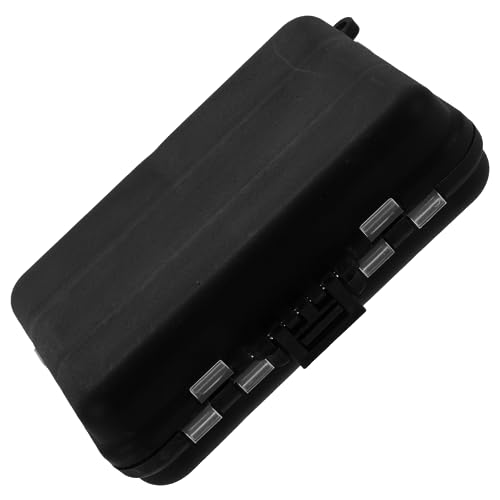
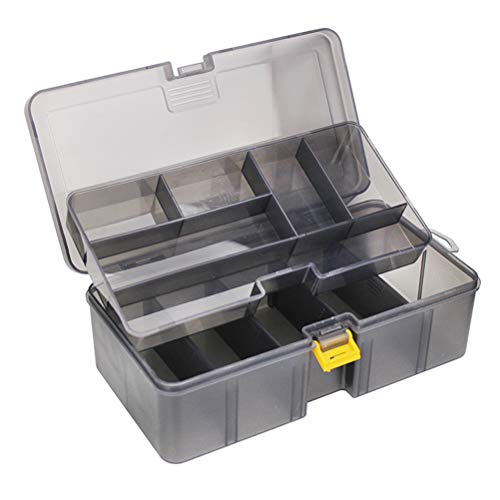
BESPORTBLE Multifunctional Fishing Tackle Box Tool Organizer Black
£12.09 *View On Amazon* - Fishing Tackle Boxes
OriGlam Fishing Tackle Box Organizer Tray for Lures (21.5 x 6.7cm)
£10.88 *View On Amazon* - Fishing Tackle Boxes
VonHaus Utility Tool Box Storage Organiser Case with 4 Drawers and Adjustable Dividers
£17.99 *View On Amazon* - Fishing Tackle Boxes
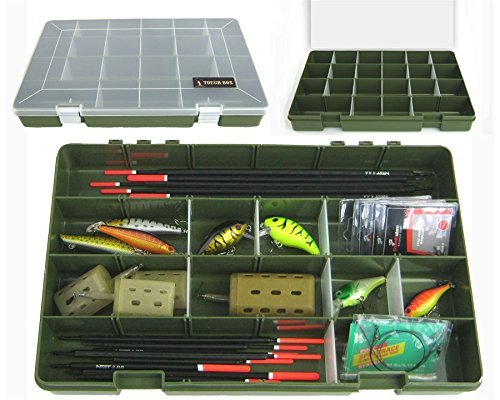
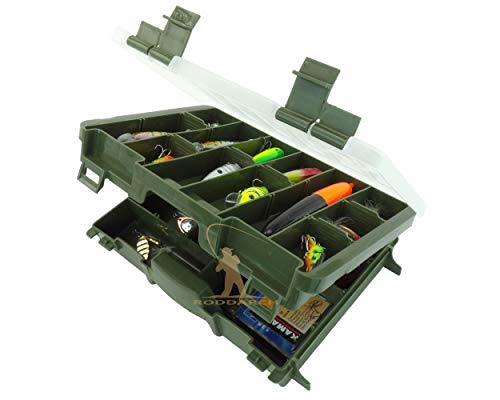
Roddarch Tough Box Adjustable 22 Compartment Fishing Tackle Box
£13.99 *View On Amazon* - Fishing Tackle Boxes
Michigan Fishing Bait and Tackle Storage Box, Heavy Duty, 23 Compartments, Equipment Organiser
£29.99 *View On Amazon* - Fishing Tackle Boxes
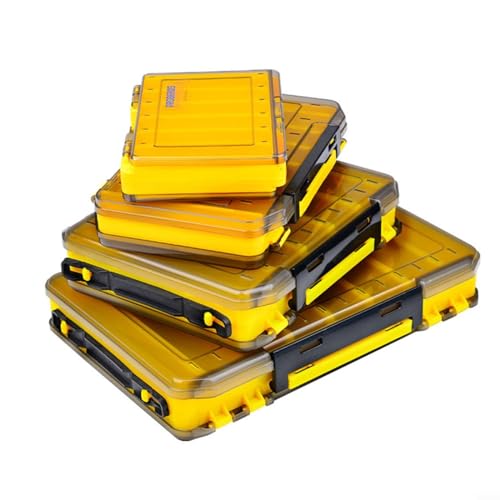
Double Waterproof Sided Lure Box Fishing Bait Tackle Storage Case B
£9.79 *View On Amazon* - Fishing Tackle Boxes
Complete Fishing Storage Solution Tackle Box with Organisation Features
£24.39 *View On Amazon* - Fishing Tackle Boxes
Dynamic NGT Carp Fishing Tackle Box Rig Storage System for Terminal Tackle
£14.69 *View On Amazon* - Fishing Tackle Boxes
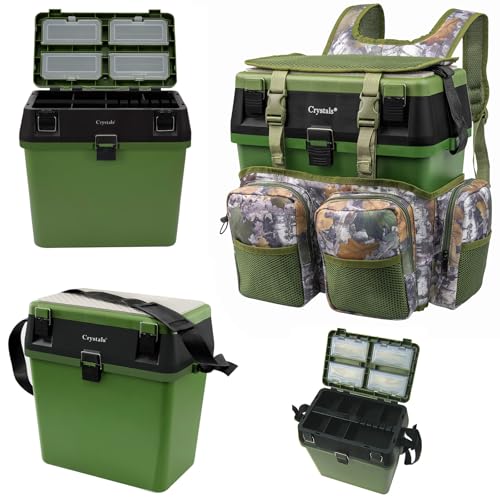
Crystals Fishing Tackle Box Seat Padded Seat with Bait Lure Box Set Green Black
£16.97 *View On Amazon* - Fishing Tackle Boxes
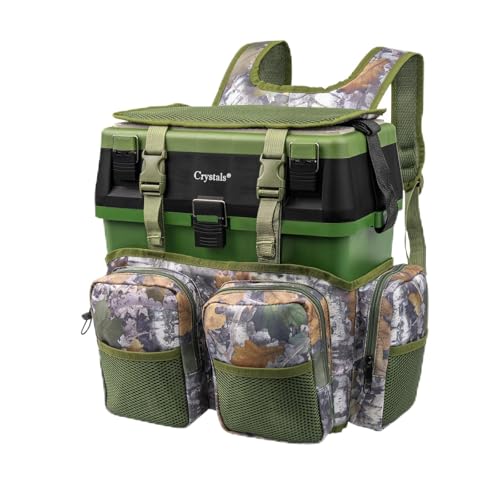
Crystals Fishing Tackle Box and Rucksack Seat Lure Storage Case with Padded Seat and Straps
£26.97 *View On Amazon* - Fishing Tackle Boxes
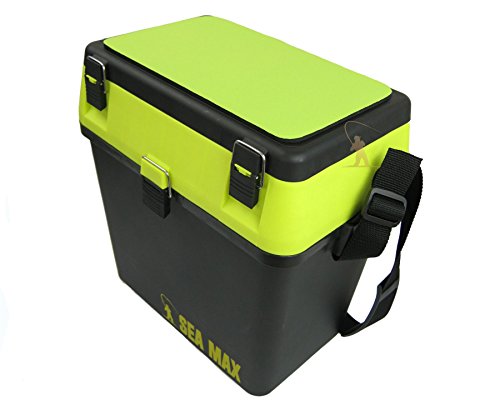
Roddarch SEA MAX Sea Fishing Seat Box with 4 Tackle Boxes and 20 st Capacity
£23.99 *View On Amazon* - Fishing Tackle Boxes
Roddarch Twin Tray Fishing Tackle Box for Sea or Coarse Fishing Tackle
£13.99 *View On Amazon* - Fishing Tackle Boxes
Roddarch Fishing Seat Box and Rucksack Fly Sea Coarse Fishing Seat Backpack
£35.99 *View On Amazon* - Fishing Tackle Boxes
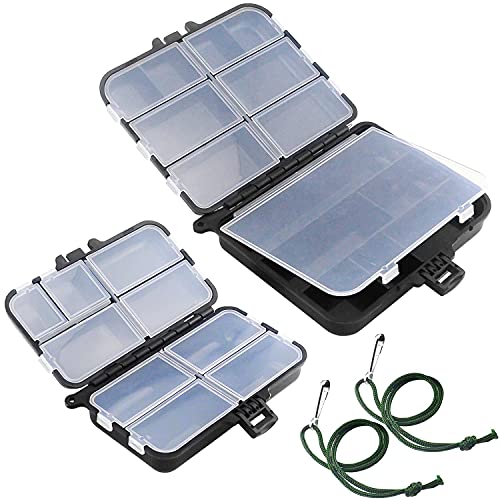
Graplan 2PCS Fishing Tackle Storage Box, 7 Grids and 9 Grids
£8.99 *View On Amazon* - Fishing Tackle Boxes
WBTY Fishing Tackle Box Dual Layer Multifunctional Translucent Gray
£19.69 *View On Amazon* - Fishing Tackle Boxes
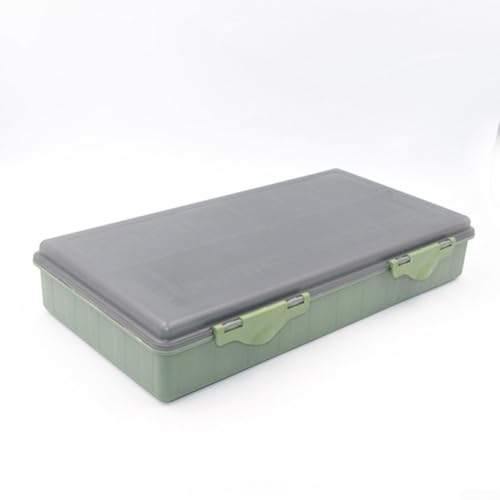
NGT 4 Plus 1 Tackle Box Green One Size
Original price was: £9.01.£8.39Current price is: £8.39. *View On Amazon* - Fishing Tackle Boxes
NGT Tackle Safe Tackle Box System, 26 Compartments, 12 x 10 x 3.5 cm
£5.95 *View On Amazon* - Fishing Tackle Boxes
Carp Fishing Carryall and Tackle Box 4 plus 1 Luggage Bag Quickfish Combo NGT
£22.20 *View On Amazon* - Fishing Tackle Boxes
Crystals Fishing Tackle Box with Rucksack and Padded Seat
£25.97 *View On Amazon* - Fishing Tackle Boxes
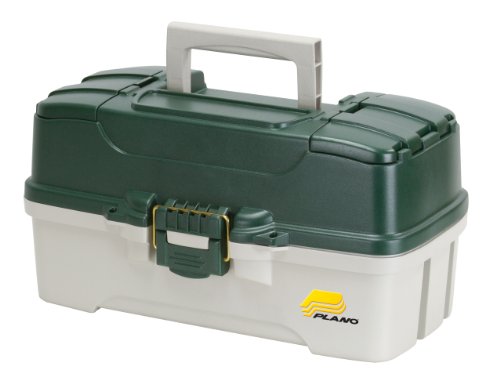
Plano Double Sided Stowaway Small Tackle Box for Lures, Hardbaits, Softbaits and Equipment
£5.99 *View On Amazon*









![CARP ON Fishing System Tackle Box 10 Sectioned Specialist Terminal Storage Solution 29 x 5 x 23 cm With 6 Multi Boxes Ideal for Specimen Carp and Predatory Fishing [19 0402]](https://m.media-amazon.com/images/I/31r1dotV3OL._SL500_.jpg)

What Are Fishing Tackle Boxes?
Fishing tackle boxes are storage boxes used to organise and carry fishing accessories. They help separate small items so they are easier to find when setting up, changing rigs or responding to changing conditions.
A tackle box may include trays, dividers, compartments, removable sections or specialist areas for certain tackle types depending on the product. Some boxes are compact for light sessions, while others are larger for anglers who carry more equipment.
A good tackle box should make fishing simpler. It should reduce clutter, protect tackle from damage and help keep the swim organised.
What Are Fishing Tackle Boxes Used For?
Fishing tackle boxes are used to store small and medium fishing items such as hooks, swivels, beads, clips, floats, feeders, leads, split shot, lures, rig parts, scissors, forceps, pliers and spare line.
They are also useful for preparing method based setups. A box can be organised for float fishing, feeder fishing, lure fishing, carp fishing, fly fishing, sea fishing or general coarse fishing.
Keeping tackle organised saves time. When you need to change hook size, replace a feeder, switch lure, retie a rig or find a tool quickly, a well arranged tackle box can make the session much smoother.
How To Choose The Right Fishing Tackle Box
Start by thinking about the type of fishing you do most often. A lure angler may need deep compartments for lures, while a match angler may need organised space for hooks, shot, floats and hooklengths.
Next, think about how much tackle you carry. A larger box gives more storage, but it can become heavy and harder to transport. A smaller box is easier to carry but may not hold enough for longer sessions.
The best tackle box is one that suits your normal fishing rather than storing every item you own. It should help you take the right kit, not encourage unnecessary clutter.
Key Features To Compare
When comparing fishing tackle boxes, look at size, compartment layout, lid security, internal dividers, tray design, handle strength, box weight, material, hinge quality, clip strength, stacking shape and ease of cleaning.
Compartments are important because small tackle can easily mix together. Hooks, swivels, split shot, beads and clips are much easier to use when they are kept separate.
Lid security matters too. A box that opens in a tackle bag, car boot or on the bank can spill small items quickly and create a safety problem.
Fishing Tackle Boxes Compared With Tackle Bags
Fishing tackle boxes are usually rigid storage containers. They are useful for organising small tackle and protecting items from being crushed.
Tackle bags are soft storage products used to carry tackle boxes, tools, bait, reels, clothing and other accessories. A bag may hold several boxes inside.
The trade off is structure versus carrying capacity. A tackle box keeps items separated, while a tackle bag helps carry a wider fishing setup.
Fishing Tackle Boxes Compared With Seat Boxes
A fishing tackle box is mainly used to store tackle and accessories. It can be placed beside a chair, inside a bag or on a platform.
A seat box combines storage with seating and is often used in match and coarse fishing. It creates a fixed fishing station with tackle close to hand.
Choose a tackle box when you want flexible storage, and consider a seat box when seating, peg layout and organised match style fishing are more important.
Fishing Tackle Boxes Compared With Rig Boxes
A tackle box is a general storage box for many different fishing items. It may hold hooks, swivels, lures, feeders, floats, tools and other accessories.
A rig box is more specific. It is designed to store prepared rigs, hooklengths or leaders neatly so they do not tangle.
Many anglers use both. A tackle box holds general accessories, while a rig box keeps ready made rigs organised and protected.
Beginner, Regular Angler And Experienced Angler Guidance
Beginners should start with a simple tackle box that is easy to understand. A compact box with clear sections can be enough for hooks, floats, weights, swivels, line cutters and basic tools.
Regular anglers may want separate boxes for different methods. One box for coarse fishing, one for lures and one for carp accessories can make packing easier.
Experienced anglers often compare divider layout, lid fit, tray depth, box strength, lure spacing, hook storage, waterproof features where listed, and how well the box fits inside their wider tackle system.
Fishing Tackle Boxes For Coarse Fishing
Coarse fishing tackle boxes often need space for hooks, floats, split shot, feeders, swivels, hooklengths, disgorgers, forceps and small tools.
A tidy coarse fishing box helps with quick rig changes. This is useful when fish change depth, bait preference or feeding behaviour during a session.
Small compartments are especially useful for hooks, shot and swivels. Larger sections may be useful for floats, feeders, bait tools or spare line.
Fishing Tackle Boxes For Carp Fishing
Carp fishing tackle boxes are often used for rig components, hooks, swivels, clips, beads, tubing, lead systems, baiting needles, rig tools and hook sharpening accessories.
Carp tackle often includes many small parts, so secure compartments and clear organisation are useful. A messy box can make rig tying slower and increase the chance of using the wrong component.
A carp tackle box should also support safe fishing. Keeping rig parts organised helps anglers build suitable setups and check components before casting.
Fishing Tackle Boxes For Predator And Lure Fishing
Predator and lure anglers often need boxes for lures, jigheads, traces, leaders, clips, swivels, pliers and unhooking tools.
Lure boxes should help prevent hooks from tangling. Separate compartments can protect lures and make it quicker to choose the right size, colour or action.
For pike and other toothy fish, storage for bite resistant traces and strong clips can be important. The tackle box should help keep predator tackle safe, tidy and ready to use.
Fishing Tackle Boxes For Match Fishing
Match fishing rewards speed and organisation. A tackle box can help keep hooks, shot, floats, feeders, hooklengths, tools and small accessories ready for quick changes.
A match angler may need different tackle for different parts of the session. Having items separated makes it easier to respond when fish move, bites slow down or conditions change.
Tackle boxes used for match fishing should fit neatly with the angler’s seat box, side tray or carry system where suitable.
Fishing Tackle Boxes For Feeder Fishing
Feeder fishing tackle boxes can be used for feeders, swivels, quick change beads, hooklengths, hooks, stops, rig sleeves, feeder links, mould accessories and small tools.
Keeping feeders organised by type or weight can save time. Method feeders, cage feeders, open end feeders and pellet feeders may all need different storage depending on the angler’s setup.
The box should also protect lighter items from heavier feeders or weights. Heavy tackle stored loosely can damage hooks, floats or smaller accessories.
Fishing Tackle Boxes For Sea Fishing
Sea fishing tackle boxes often need space for rigs, hooks, swivels, beads, clips, weights, lures, bait tools and spare line.
Salt, sand and moisture can be hard on tackle, so storage should be easy to clean and dry after use. Items should not be left damp in a closed box for long periods.
Sea fishing tackle can be larger and heavier than freshwater tackle. Choose a box that suits the size and weight of the rigs and accessories you carry.
Fishing Tackle Boxes For Fly Fishing
Fly fishing tackle boxes are often used for flies, leaders, tippet, nippers, forceps, floatant, sinkant and small accessories.
Fly boxes help keep patterns separated and easier to select. Dry flies, nymphs, wet flies and streamers may need different box layouts depending on size and hook type.
Compact storage is useful when walking rivers, fishing from the bank or carrying tackle in a waistcoat, sling pack or small bag.
Small, Medium And Large Tackle Boxes
Small tackle boxes are useful for short sessions, children, roving anglers, lure anglers and anyone who wants to carry only the essentials.
Medium tackle boxes are practical for many general fishing sessions. They offer more storage without becoming too bulky for most anglers.
Large tackle boxes are useful when you need to carry a wider range of gear. They can suit longer sessions, carp fishing, sea fishing or anglers who prefer to keep everything in one place, but they can become heavy when full.
Compartments, Dividers And Tray Layouts
Compartments help keep tackle separated. Small compartments are useful for hooks, swivels, beads and split shot, while larger compartments suit floats, feeders, lures and tools.
Adjustable dividers can be useful because tackle needs change over time. They allow the box to be adapted for different methods or item sizes where listed.
Tray layouts can make access easier. Upper trays may hold frequently used items, while deeper sections can store larger or heavier tackle.
Clear Lids And Easy Identification
Clear lids can be useful because they let you see the contents before opening the box. This saves time when searching for small items.
Easy identification is especially helpful when carrying several boxes. You can quickly find the lure box, feeder box, carp box or float box without opening everything.
Labels can also help. Simple labels for hooks, swivels, lures, feeders or rigs can make packing and fishing more efficient.
Lid Security, Clips And Hinges
A secure lid is one of the most important features of a tackle box. Small tackle can spill easily if the lid opens accidentally.
Clips and hinges should feel suitable for regular use. Weak clips, cracked hinges or loose lids can make a box unreliable on the bank.
Before each session, check that the box closes properly. This is especially important if it contains hooks, lures, blades or small metal parts.
Portability, Weight And Carry Comfort
A tackle box should suit how far you walk to the swim. A large box may be useful at the bank, but it can become awkward if it is heavy and has no comfortable carry option.
Weight builds up quickly when a box is filled with leads, feeders, lures and tools. Consider the filled weight, not just the empty box.
Handles, stacking shape and compatibility with tackle bags or barrows can make transport easier where listed.
Weather Exposure And Water Resistance
Fishing tackle boxes are often used in rain, mud, damp grass, spray and changing weather. Weather resistance where listed can help protect tackle during normal fishing use.
Waterproof performance should not be assumed unless the product details state it. Some boxes may resist splashes, while others may not be intended for wet exposure.
Even if a box offers protection, tackle should be dried after wet sessions. Wet hooks, lures and tools can deteriorate if sealed inside a damp box.
Keeping Hooks, Lures And Sharp Items Safe
Hooks, lures and tools should be stored securely to reduce the risk of injury. Sharp items should not be left loose in open trays, bags or pockets.
Lures with treble hooks can tangle easily, so separate compartments or suitable lure storage can be useful. This also helps protect lure finishes and hook points.
Keep tackle boxes closed around children, pets and busy swims. A spilled box of hooks or lures can quickly become dangerous.
Organising Tackle By Method
One practical approach is to organise tackle by fishing method. A float fishing box, feeder box, lure box and carp tackle box can each be packed for a specific purpose.
This makes preparation easier. Instead of carrying every item, you can take the box that suits the session.
Method based organisation also makes it easier to check whether you have the correct hooks, rigs, lures, feeders and tools before leaving home.
Organising Tackle By Species Or Venue
Some anglers organise tackle by species. Carp, perch, pike, trout, bream and sea fish may all require different hooks, line, rigs and accessories.
Others organise by venue. A canal box, river box, commercial fishery box or coastal box can make packing quicker when each water needs different tackle.
The best system is the one that helps you fish more efficiently and reduces the chance of forgetting important items.
Safety When Using Fishing Tackle Boxes
Fishing tackle boxes often contain sharp hooks, blades, lures and tools. Open them carefully and keep them steady on the bank.
Do not leave open boxes where people may step on them or knock them over. This is especially important on platforms, towpaths and busy fisheries.
Heavy boxes should be lifted with care, especially over uneven ground. Leads, feeders and tools can make a box heavier than expected.
Venue Rules And Responsible Fishing
Organised tackle storage can help you follow venue rules by keeping the correct hooks, rigs, line and bait accessories ready for the water you are fishing.
Some venues restrict hook types, lead systems, bait, feeders, lures, traces, rigs or fish care equipment. Always check rules before fishing.
Take old line, broken tackle, packets, hooks and waste home with you. A good tackle box should help keep the swim tidy, not create more clutter.
Care, Cleaning And Storage At Home
Fishing tackle boxes should be cleaned and dried after use. Mud, bait, ground bait, fish slime, salt and sand can collect in corners, hinges and trays.
Remove wet tackle and let items dry before long storage where possible. This is especially important for hooks, lures, tools and metal accessories.
At home, store tackle boxes in a dry place where they will not be crushed or left open. Check clips, hinges, trays and dividers before the next session.
Useful Accessories To Consider
Useful accessories for fishing tackle boxes include spare dividers, hook boxes, rig winders, hooklength boxes, lure wraps, leader wallets, tool pouches, labels, bait tubs and tackle bags.
For larger setups, a tackle bag, seat box, trolley or barrow may help carry multiple boxes. For mobile fishing, a compact box and essential tools may be enough.
The best tackle box setup is one where storage, tackle, tools and fishing method all work together.
Why Buy Fishing Tackle Boxes From YPC?
At YPC, we understand active lifestyles and the need for practical products that work in real use. Fishing tackle boxes should be chosen carefully because layout, size, lid security, portability and method suitability all affect how useful they are on the bank.
Browse the Fishing Tackle Boxes category at YPC to compare available options, check the details that suit your fishing style and choose tackle storage that helps keep your gear organised, protected and ready for your next session.
Fishing Tackle Boxes FAQs
What is a fishing tackle box?
A fishing tackle box is a storage box used to organise and carry fishing accessories. It can hold hooks, swivels, floats, lures, feeders, weights, tools and rig components.
It helps keep tackle tidy, protected and easier to find.
Are fishing tackle boxes suitable for beginners?
Yes, tackle boxes are very useful for beginners. A simple box with clear compartments can help keep basic tackle organised.
Beginners should start with a manageable size and avoid carrying too much tackle at once.
What are fishing tackle boxes used for?
Fishing tackle boxes are used to store, carry and organise fishing tackle. They help keep small items separated and reduce clutter during fishing sessions.
They can be used for coarse, carp, match, feeder, lure, fly and sea fishing.
What size fishing tackle box should I choose?
Choose a size based on how much tackle you need and how far you carry it. A small box is good for short sessions, while a larger box suits more gear and longer sessions.
Remember that a box can become heavy when filled.
Are larger tackle boxes better?
Not always. Larger boxes hold more, but they can become bulky and heavy. Smaller boxes are easier to carry and may help you pack only what you need.
The best size depends on your fishing style.
What is the difference between a tackle box and a tackle bag?
A tackle box is usually a rigid storage container with compartments. A tackle bag is a soft bag used to carry boxes, tools, bait and accessories.
Many anglers use both together.
What is the difference between a tackle box and a rig box?
A tackle box stores general fishing accessories. A rig box is designed to store prepared rigs, hooklengths or leaders neatly.
A rig box is more specialised, while a tackle box is more general purpose.
What should I keep in a fishing tackle box?
Common items include hooks, swivels, floats, weights, feeders, lures, clips, beads, spare line, scissors, forceps, pliers and rig parts.
The exact contents should match your fishing method and target species.
How should I organise a tackle box?
Organise by item type, method, species or venue. Keep small items in separate compartments and put frequently used items where they are easiest to reach.
The best system is the one that helps you find items quickly.
Are clear tackle boxes useful?
Yes, clear tackle boxes are useful because they let you see contents quickly without opening every box.
They are especially useful when carrying several boxes for different methods.
Are fishing tackle boxes waterproof?
Some tackle boxes may have water resistant or waterproof features where listed, but this should not be assumed. Always check the product details.
Even protected tackle should be dried after wet sessions.
How do I stop hooks spilling in a tackle box?
Use secure compartments and keep the lid closed when the box is not in use. Check clips, hinges and dividers regularly.
Avoid overfilling small sections with hooks or loose metal parts.
What tackle box is best for lure fishing?
A lure fishing tackle box should have compartments that suit the size and shape of your lures. It should help stop hooks tangling and keep lures easy to choose.
Check that the box suits the lures you carry most often.
What tackle box is best for carp fishing?
A carp tackle box should have compartments for hooks, swivels, clips, beads, rig tools, baiting needles and other small rig components.
Secure lids and clear organisation are useful because carp rigs often use many small parts.
What tackle box is best for feeder fishing?
A feeder tackle box should have space for feeders, swivels, quick change beads, hooks, hooklengths, stops and small rig accessories.
It is useful to separate feeders by type or weight.
What tackle box is best for sea fishing?
A sea fishing tackle box should have enough space for rigs, hooks, swivels, clips, beads, weights, lures and tools. It should also be easy to clean after salt and sand exposure.
Dry the box and tackle after sea sessions where possible.
Can I use a tackle box for bait?
A tackle box is usually designed for tackle rather than loose bait. Bait can be wet, scented or messy, so a bait tub or bait bucket is often more suitable.
Only use a tackle box for bait if the product is suitable and easy to clean.
How do I clean a fishing tackle box?
Empty the box, remove loose dirt and wipe or rinse away mud, bait, salt or sand where suitable. Let it dry fully before refilling.
Check corners, hinges and clips because dirt can collect there.
How do I store tackle boxes at home?
Store tackle boxes in a dry place where they will not be crushed or left damp. Remove wet tackle and let hooks, lures and tools dry before long storage.
Check lids and clips before your next trip.
What should I check before buying fishing tackle boxes?
Check size, compartment layout, lid security, divider options, handle strength, material, weight, weather resistance where listed and whether the box suits your fishing method.
The right tackle box should keep your gear organised, protected and easy to use without adding unnecessary bulk.
 Getting ready for Summer? View our Home and Garden Products

Heading outdoors this winter? Take a look at our Outdoor Clothing.