
Bird Food
Bird food is designed to provide suitable nutrition for wild birds, garden birds and pet birds, depending on the product type and intended species. It can include seed mixes, pellets, suet products, mealworms, treats, specialist blends and feeding accessories where listed.
The right bird food should match the birds you are feeding, the season, the feeding method and any specific dietary needs. Whether you are filling a garden feeder, supporting regular visitors or choosing food for a pet bird, it is worth comparing ingredients, suitability, storage, freshness and feeding guidance before buying.
- Bird Food
Askio Nature Natural Blend Complete Parrot Food 500 g
Original price was: £18.99.£12.99Current price is: £12.99. *View On Amazon* - Bird Food
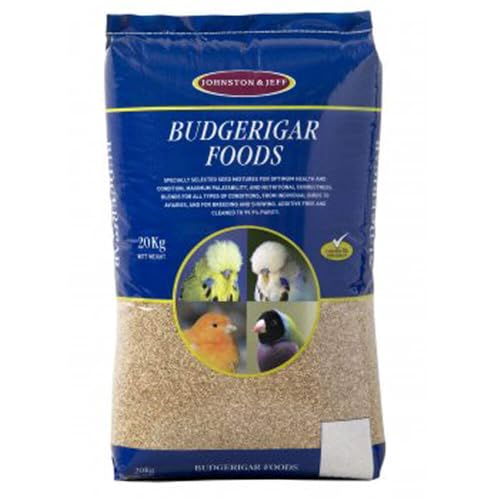
Superpet Premium Budgie Mix Bird Food, 20 kg
Original price was: £27.99.£27.29Current price is: £27.29. *View On Amazon* - Bird Food
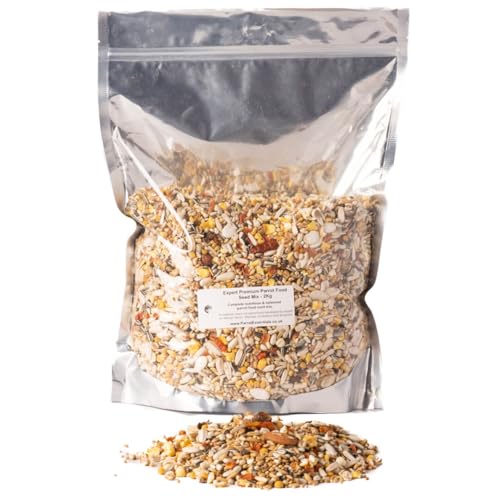
Parrot Essentials Premium Parrot Food Seed Mix 2 kg
Original price was: £23.99.£18.99Current price is: £18.99. *View On Amazon* - Bird Food
Beaphar Egg Food for Parakeets and Parrots 1kg
Original price was: £9.99.£7.00Current price is: £7.00. *View On Amazon* - Bird Food
Parrot Essentials PUUR Premium Budgie Seed Mix
Original price was: £20.99.£16.99Current price is: £16.99. *View On Amazon* - Bird Food
Tropican Lifetime Parrot Granules Mix Food 820 g
Original price was: £10.00.£9.14Current price is: £9.14. *View On Amazon* - Bird Food
Askio Nature Natural Blend Complete Parrot Food XSmall 500g
Original price was: £18.99.£12.99Current price is: £12.99. *View On Amazon* - Bird Food
Vitakraft Budgie Food 500 g Bird Seed Mix
Original price was: £6.49.£6.26Current price is: £6.26. *View On Amazon*








What Is Bird Food?
Bird food is food made for birds rather than general household feeding. It may be designed for wild birds, cage birds, aviary birds, parrots, budgies, canaries, finches, poultry or other bird types depending on the products listed.
Different birds need different diets, so bird food should always be chosen with the intended species in mind. Some products are everyday feeds, while others are treats, seasonal supplements or foods designed for use with specific feeders where suitable.
Because bird food varies widely, checking the product description is important before choosing.
What Is Bird Food Used For?
Bird food is used to feed birds in gardens, aviaries, cages, coops and outdoor feeding areas. It can help attract garden birds, support pet bird feeding routines and provide suitable food for birds kept in managed settings.
For garden feeding, bird food is often used in feeders, bird tables or ground feeding areas where suitable. For pet birds, food may form part of a daily diet alongside fresh water and other suitable items recommended for the species.
Bird food can also be useful during colder weather, breeding seasons or times when natural food sources may vary, although feeding should always be done responsibly and hygienically.
How To Choose The Right Bird Food
Start by identifying the bird type. Food for wild garden birds may not be suitable for pet parrots, poultry or small cage birds. Always match the product to the species or bird group stated in the listing.
Next, think about the feeding method. Loose seed may suit some feeders, while suet balls, blocks or pellets may need specific holders where suitable. Ground feeding birds may prefer different presentation from birds that feed from hanging feeders.
Also consider the season. Higher energy foods may be popular in colder months where suitable, while lighter mixes or species specific foods may be preferred at other times. Avoid assuming one food is right all year round for every bird.
Freshness matters too. Choose food that can be stored properly and used within a sensible period, especially if buying larger quantities.
Key Features To Compare
When comparing bird food, look at intended bird type, ingredients, food format, pack size, feeder compatibility, storage guidance and whether the product is described as a complete food or a treat where listed.
Ingredients are one of the most important details. Seed mixes, nuts, suet, pellets, dried insects and fruit based products all suit different feeding needs depending on the bird and product design.
Food format also matters. Pellets can be useful for some pet birds where suitable. Seed mixes may suit garden feeders or certain cage birds. Suet products may be useful for outdoor feeding where the feeder and conditions are appropriate.
Pack size should match your feeding routine. Large bags can be practical for regular feeding, but only if the food can be stored clean, dry and fresh.
Bird Food Compared With Bird Treats And Feeding Accessories
Bird food is usually chosen as the main feeding product, while bird treats are normally offered in smaller amounts depending on species and product guidance. Treats should not replace a suitable everyday diet unless the product is clearly designed for that role.
Feeding accessories are different again. Feeders, bird tables, bowls, water dishes and storage tubs help present and protect the food, but they do not replace the need to choose the correct food type.
The trade off is simple. Good bird food supports a regular feeding routine, while treats add variety where suitable. Feeders and storage accessories help keep feeding practical, cleaner and more organised.
Guidance For First Time Regular And Experienced Bird Feeders
First time buyers should choose bird food that clearly matches the bird type they want to feed. For garden birds, a simple wild bird food or feeder compatible option can be a practical starting point where suitable.
Regular garden feeders may want to compare food types for different seasons, feeder styles and visiting bird behaviour. Keeping feeders clean and food fresh becomes more important when feeding often.
Pet bird owners should pay close attention to species suitability. A budgie, canary, parrot or finch may need different food types, so product guidance and appropriate bird care advice should be followed carefully.
Experienced bird keepers may prefer more specific foods, blends or feeding routines depending on species, age, activity level and housing setup.
Use Cases By Bird Type And Feeding Setting
For garden birds, seed mixes, suet products, mealworms and other wild bird foods may be useful depending on the birds in your area and the feeder being used.
For small pet birds, species specific seed, pellets or blends may be suitable where listed. Always check whether the food is intended for the bird you keep.
For parrots and larger pet birds, food choice can be more specific. Ingredients, enrichment, portion control and suitability should be checked carefully.
For aviary birds, pack size, storage and species mix can matter more because several birds may be feeding from the same setup.
For poultry or outdoor birds, only choose food clearly intended for that bird type. Garden bird food should not automatically be used for hens, ducks or other birds unless the product says it is suitable.
Feeder Compatibility And Practical Setup
Bird food should work with the feeder or feeding area you plan to use. Some seed mixes may suit tube feeders, while larger pieces may suit bird tables or ground feeding where appropriate. Suet products often need a suitable suet feeder.
For pet birds, bowls and feeding stations should be suitable for the cage, aviary or enclosure. Food should be easy for the bird to access without becoming contaminated by droppings, water or bedding.
If feeding wild birds, place feeders in a safe, practical location. Think about visibility, access for cleaning, shelter from bad weather and protection from pets or predators where possible.
Avoid putting out more food than birds will eat in a sensible time. Leftover food can become wet, stale or attract pests.
Safety Hygiene Care And Storage
Bird food should be stored clean, dry and protected from pests. Damp or mouldy food should not be fed to birds, as it may be harmful. Always check food before use, especially if it has been stored for a while.
Clean feeders, bowls and bird tables regularly. Old food, droppings and damp residue can build up and may create health risks for birds. Fresh water should also be available where appropriate.
Do not feed birds unsuitable household scraps, salty foods, mouldy bread or anything that is not safe for the species. If buying for pet birds, follow suitable bird care guidance and speak to a vet or qualified bird specialist if unsure.
Store opened bags in a sealed container where suitable and keep them away from heat, damp and direct sunlight.
Useful Accessories To Consider
Useful accessories can include bird feeders, bird tables, suet holders, feeding bowls, water dishes, storage tubs, scoops, cleaning brushes and bird baths where suitable.
For garden feeding, having more than one feeder type can help offer different food formats, depending on the birds you want to attract. For pet birds, secure bowls, cage accessories and clean water containers can help support a better daily routine.
For regular feeding, a sealed storage container can help keep food tidy, fresher and easier to manage.
Why Buy Bird Food From YPC?
At YPC, we understand active lifestyles and the need for practical products that work in real use. Bird food can vary by bird type, ingredients, food format, pack size, feeding method, storage needs and suitability, so comparing the details helps you choose with more confidence.
YPC helps you browse bird food with real feeding routines in mind, whether you are buying for garden birds, pet birds, aviaries, outdoor feeding areas or regular wildlife watching. Explore the Bird Food category to browse the available options and compare the features that matter most for safe, practical feeding.
FAQs
What is bird food used for?
Bird food is used to feed wild birds, garden birds, pet birds, aviary birds and other birds where the product is suitable. Always choose food that matches the bird type and feeding method.
What bird food should I buy for garden birds?
Choose food designed for wild or garden birds, and check whether it suits your feeder. Seed mixes, suet products and other wild bird foods may suit different birds and seasons where listed.
Can pet birds eat wild bird food?
Not automatically. Pet birds often need species specific food, and wild bird food may not be suitable. Always check the product description and follow appropriate care guidance for the bird you keep.
Is bird seed the same as bird food?
Bird seed is one type of bird food. Bird food can also include pellets, suet, mealworms, treats, mixes and specialist feeds depending on the bird type and product.
How should I store bird food?
Store bird food in a clean, dry, sealed container where suitable. Keep it away from damp, pests, heat and direct sunlight. Do not feed food that smells stale, looks mouldy or has become wet.
How often should I clean bird feeders?
Bird feeders should be cleaned regularly, especially when food becomes damp, old or contaminated. Clean feeding areas help reduce the risk of spreading disease between birds.
Can bird food attract pests?
Yes, spilled or leftover bird food can attract pests if not managed carefully. Use suitable feeders, avoid overfilling, clean up waste food and store unused food securely.
What should I check before buying bird food?
Check the intended bird type, ingredients, food format, pack size, feeder compatibility, storage guidance and whether the food is a complete feed or a treat where listed.
 Getting ready for Summer? View our Home and Garden Products

Heading outdoors this winter? Take a look at our Outdoor Clothing.