
Granola and Cereal Bars
Granola and cereal bars are convenient snack options for work, school, travel, outdoor activities, gym bags, camping trips and busy everyday routines. The right bar should suit your taste, ingredient preferences, portion needs and any dietary requirements listed on the product.
At YPC, you can browse granola and cereal bars for everyday snacking, packed lunches, breakfast on the go, family cupboards and outdoor kit bags. This category helps you compare ingredients, flavours, pack size, texture, nutrition information, allergens, dietary labels and storage guidance before choosing.
For structured guidance on comparing granola and cereal bars by ingredients, portion size, texture and everyday suitability, see the Granola and Cereal Bars Buyers Guide.
- Granola and Cereal Bars
Graze Sweet Snacks Bundle of Oat Boost Bars 8 x 4 Snack Bars (32 Snacks)
£27.50 *View On Amazon* - Granola and Cereal Bars
TRIBE x Wildfarmed Vegan Flapjack Bars Toffee, Pecan & Raisin Oat Bars 16 x 50 g Multipack
£15.99 *View On Amazon* - Granola and Cereal Bars
Oatopia Flapjack Bars Oat Bakes Variety Multipack 4 x 60 g
Original price was: £8.49.£7.99Current price is: £7.99. *View On Amazon* - Granola and Cereal Bars
nakd. Variety Pack Raw Fruit & Nut Bars 18 x 35 g
Original price was: £18.00.£15.25Current price is: £15.25. *View On Amazon* - Granola and Cereal Bars
BiaSol Protein Granola Mix Pack 4 x 350g – 2 x Cocoa, 2 x Seeded
£24.99 *View On Amazon* - Granola and Cereal Bars
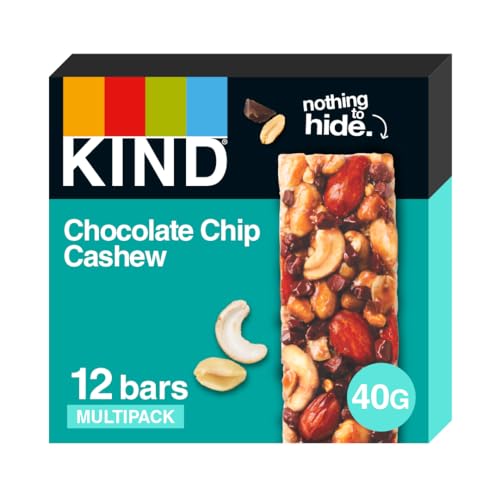
KIND Bars Hazelnut Butter Milk Chocolate Multipack 12 x 40 g
£16.99 *View On Amazon* - Granola and Cereal Bars
Eat Natural Protein Packed Bars Peanuts, Dark Chocolate & Orange Multipack 3 x 40g
Original price was: £3.00.£2.00Current price is: £2.00. *View On Amazon* - Granola and Cereal Bars
Kellogg’s Special K Granola Dark Chocolate Curls 350g
£3.00 *View On Amazon* - Granola and Cereal Bars
nakd. Fruit & Fibre Bars Apple & Cinnamon 16 x 44 g
Original price was: £22.00.£16.78Current price is: £16.78. *View On Amazon* - Granola and Cereal Bars
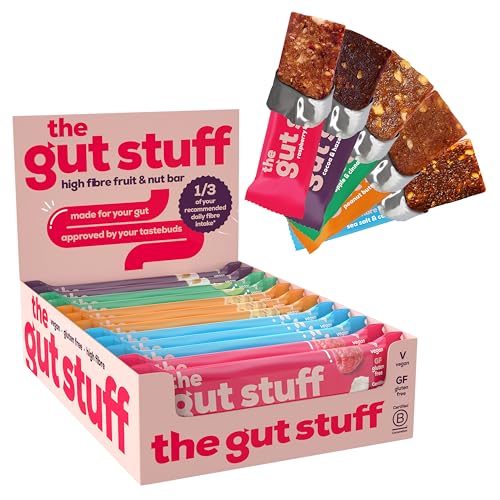
The Gut Stuff High Fibre Fruit & Nut Bars Mixed Flavours 12 x 35 g
£15.00 *View On Amazon* - Granola and Cereal Bars
FULFIL Vitamin and Protein Bars Chocolate Salted Caramel Flavour 15 x 55 g
Original price was: £26.99.£23.99Current price is: £23.99. *View On Amazon* - Granola and Cereal Bars
Pip & Nut Peanut Butter Stuffed Oat Bar Variety Pack 15 x 48 g
£19.50 *View On Amazon* - Granola and Cereal Bars
Nakd Berry Delight Natural Fruit & Nut Bars 35 g Multipack Case of 48
Original price was: £36.00.£24.19Current price is: £24.19. *View On Amazon* - Granola and Cereal Bars
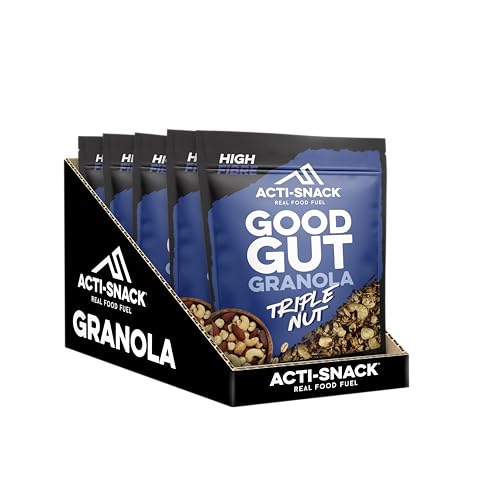
ACTI-SNACK Triple Nut Good Gut Granola – 5 x 380 g Packs
£21.25 *View On Amazon* - Granola and Cereal Bars
fu:di Grain-Free Granola with Cocoa & Dark Choc Chips 200g
Original price was: £8.49.£7.99Current price is: £7.99. *View On Amazon* - Granola and Cereal Bars
Nature Valley Crunchy Oats & Honey Cereal Bars 18 x 42g (756g)
Original price was: £9.90.£6.30Current price is: £6.30. *View On Amazon* - Granola and Cereal Bars
IQBAR Brain and Body Clean Plant Protein Bars Chocolate Lovers Variety 12 Bars
£22.99 *View On Amazon* - Granola and Cereal Bars
Just Live a Little Gluten Free Granola 4 x 360g Mixed Taster Pack
£16.00 *View On Amazon* - Granola and Cereal Bars
Graze Oats Snacks Variety Box 32 x 30 g
Original price was: £29.49.£26.49Current price is: £26.49. *View On Amazon* - Granola and Cereal Bars
Surreal High Protein Low Sugar Granola 300 g Chocolate & Hazelnut
£28.00 *View On Amazon* - Granola and Cereal Bars
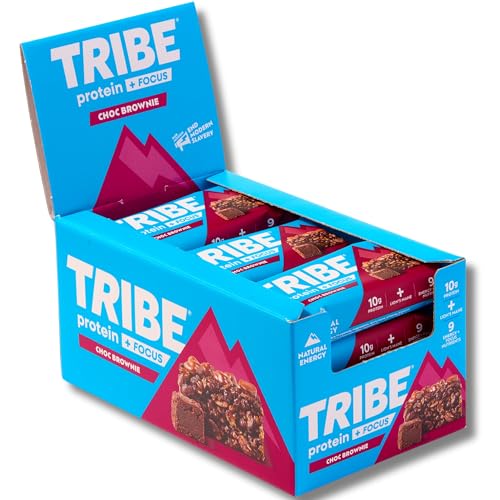
TRIBE Protein + Focus Flapjack Bars Choc Brownie 12 x 60g
£18.99 *View On Amazon* - Granola and Cereal Bars
TRIBE x Wildfarmed Vegan Flapjack Bars Apple & Raspberry Oat Bars 16 x 50 g Multipack Box
£15.99 *View On Amazon* - Granola and Cereal Bars
TRIBE x Wildfarmed Vegan Flapjack Bars Blueberry & Almond Butter 16 x 50g
£15.99 *View On Amazon*










What Are Granola And Cereal Bars?
Granola and cereal bars are snack bars usually made with cereal grains, oats, rice, wheat, nuts, seeds, dried fruit, chocolate, yoghurt style coatings, syrup, honey or other ingredients depending on the product.
Some bars are soft and chewy, while others are crisp, crunchy or layered. Some are designed as breakfast style bars, while others are more like sweet snacks, lunchbox treats or activity friendly food items.
Because recipes vary widely, always check the individual product listing, packaging and ingredient information before buying, especially if allergens, sugar content, dietary labels or nutrition details matter to you.
What Are Granola And Cereal Bars Used For?
Granola and cereal bars are used as quick, portable snacks when you want something easy to carry and simple to eat. They can be useful for work breaks, school lunches, travel days, walking, camping, commuting, picnics, sports bags and emergency snack drawers.
They are also useful when you need individually wrapped snacks that can be packed in bags, desk drawers, glove boxes or cupboards depending on storage guidance.
Some bars may be suitable for breakfast on the go, while others are better treated as occasional snacks or sweet treats. Check the product details to understand what each bar is designed for.
How To Choose The Right Granola And Cereal Bars
Start by thinking about when you will eat them. For lunchboxes, individually wrapped bars and simple flavours may be practical. For outdoor activities, compact bars that are easy to pack may be useful. For breakfast on the go, you may prefer a more filling cereal style option where suitable.
Next, compare ingredients and nutrition information. Look at calories, sugar, fibre, protein, fat, salt and portion size where listed. A bar that sounds healthy may still contain ingredients or sugar levels that may not suit your needs.
Also check allergens carefully. Many granola and cereal bars may contain or be made near nuts, peanuts, milk, gluten, soya, sesame or other allergens depending on the product.
Key Features To Compare
When comparing granola and cereal bars, look at flavour, texture, bar size, pack quantity, ingredients, nutrition information, allergen statements, dietary labels, wrapping and storage instructions.
Texture matters because some buyers prefer chewy oat bars, while others prefer crisp cereal bars, nutty bars or chocolate coated styles. Flavour can also make a big difference if the bars are for children, shared cupboards or regular daily use.
Pack size is important for value and convenience. A larger multi pack may suit family cupboards or workplace snacks, while smaller packs may suit trying a new flavour.
Granola Bars Compared With Cereal Bars
Granola bars often include oats, clusters, nuts, seeds, dried fruit or syrup based binders depending on the recipe. They may have a chewy, crunchy or layered texture depending on the product.
Cereal bars can include puffed rice, wheat, oats, maize, cereal flakes or filled layers depending on the product. They may feel lighter, sweeter or more breakfast focused depending on the recipe.
The better choice depends on taste and use. Granola bars may suit buyers who prefer oat and seed style textures, while cereal bars may suit those who want a lighter or more familiar breakfast style snack.
Breakfast Bars Compared With Snack Bars
Breakfast bars are often marketed for morning use and may include cereal grains, fruit, yoghurt style coatings or oat based ingredients where listed. They can be useful when you need something quick before work, school or travel.
Snack bars may be more treat focused and can include chocolate, caramel, nuts, coatings or sweeter flavours depending on the product.
The name alone does not confirm nutrition or suitability. Always check ingredients and nutrition information rather than relying only on the product type.
Chewy Bars Compared With Crunchy Bars
Chewy granola and cereal bars can feel softer and easier to eat, making them useful for lunchboxes, travel and quick breaks. They may include oats, fruit, syrup or softer cereal bases depending on the product.
Crunchy bars can feel more filling or satisfying for buyers who prefer texture, but they may create more crumbs and may be less suitable for eating on the move.
The right choice depends on preference and setting. Chewy bars may be more convenient, while crunchy bars may suit buyers who enjoy a firmer bite.
Fruit Bars Compared With Chocolate And Coated Bars
Fruit based granola and cereal bars may include dried berries, raisins, apple, banana, dates or fruit fillings depending on the product. They can provide a sweeter flavour without always relying on chocolate style ingredients.
Chocolate or coated bars may feel more like a treat and can be popular for lunchboxes, snack drawers and after school snacks. They may melt more easily in warm conditions depending on the coating and storage guidance.
If the bars will be carried in warm weather or outdoor bags, check whether coatings are likely to soften and choose storage carefully.
Nut And Seed Bars Compared With Nut Free Options
Nut and seed bars can offer a richer texture and flavour where listed. They may include almonds, peanuts, cashews, hazelnuts, pumpkin seeds, sunflower seeds or mixed nuts depending on the product.
Nut free options may be more suitable for homes, schools or workplaces where nut restrictions apply, but you must still check allergen statements carefully. A product without visible nuts may still contain traces or be made in a facility that handles nuts.
For school lunchboxes, always follow school allergy rules and read the packaging before packing any bar.
High Protein And High Fibre Bars Compared With Standard Bars
Some granola and cereal bars may be listed as high protein, high fibre or with added nutrients. These can be useful for buyers who want specific nutrition features, but only where those claims are clearly shown on the product.
Standard bars may focus more on flavour, convenience and everyday snacking. They can still be practical, but may not meet specific nutrition goals.
If protein, fibre or reduced sugar matters, check the nutrition table and product claims carefully. Do not assume a bar meets a need just because it is oat based or cereal based.
Beginner, Family Buyer And Outdoor User Guidance
If you are buying granola and cereal bars for general use, start with familiar flavours, simple pack sizes and products that suit your household’s preferences.
Family buyers may want to compare allergens, school rules, bar size, wrapper convenience, sugar content and whether the flavours appeal to children and adults.
Outdoor users may want bars that are easy to carry, individually wrapped, less likely to crumble and practical to store in rucksacks, kit bags or camping boxes.
Use Cases By Routine And Activity
For work, granola and cereal bars can be kept in a desk drawer, bag or break room cupboard for quick snacks during busy days.
For school and college, they can be used in packed lunches where allowed and where allergen rules are followed. Individually wrapped bars may be easier to manage.
For travel, cereal bars and granola bars can be useful during car journeys, train trips, flights, hotel stays and long days out. Check destination rules and storage guidance where needed.
For walking, camping and outdoor activities, compact bars can be useful as part of a wider food plan alongside water, meals and other snacks.
Ingredients And Recipe Differences
Granola and cereal bars can vary greatly in ingredients. Some are oat based, some use rice or wheat cereals, and others include nuts, seeds, fruit, chocolate, syrups or fillings.
Ingredient order can help you understand what the bar is mainly made from. If a particular ingredient matters to you, check the full ingredient list rather than the front of pack description only.
Recipes can also change, so packaging should be checked again when reordering, especially for allergens or dietary requirements.
Nutrition Information And Portion Size
Nutrition information can help you compare bars more accurately. Look at the figures per bar as well as per 100 g where available.
Calories, sugar, fibre, protein, fat and salt can vary widely between products. A smaller bar may appear lower in calories simply because the portion is smaller.
Choose based on how the bar fits into your day. Granola and cereal bars are convenient, but they should be considered as part of your overall diet rather than judged by one ingredient alone.
Allergens And Dietary Requirements
Allergen information is essential when choosing granola and cereal bars. Common allergens may include gluten, wheat, oats, milk, soya, nuts, peanuts, sesame or eggs depending on the product.
Dietary labels such as vegan, vegetarian, gluten free or dairy free may appear where listed, but always check the full product information and packaging before eating.
If you have a serious allergy or intolerance, rely on the packaging and manufacturer information, not just the product title or flavour name.
Granola And Cereal Bars For Lunchboxes
Granola and cereal bars can be useful in lunchboxes because they are compact, portioned and easy to pack. They can sit alongside sandwiches, fruit, yoghurt, savoury snacks and drinks depending on the meal.
For children’s lunchboxes, check school allergy rules and choose flavours that are practical to eat. Avoid bars that crumble too easily if mess is a concern.
For adults, a bar can be useful as a mid morning or afternoon snack when work, travel or errands make food planning more difficult.
Granola And Cereal Bars For Breakfast On The Go
Some granola and cereal bars are designed for breakfast style use where listed. They can be useful when mornings are rushed, during commutes or while travelling.
However, not every cereal bar is equally filling or balanced. If you need a breakfast replacement, check portion size, nutrition information and ingredients carefully.
Many buyers use cereal bars alongside fruit, yoghurt, coffee, milk or other breakfast items rather than as the only food of the morning.
Granola And Cereal Bars For Walking And Travel
Granola and cereal bars can be practical for walking, camping and travel because they are light, compact and easy to divide between bags.
For outdoor use, consider whether the bar is individually wrapped, easy to open, resistant to crumbling and suitable for the temperature. Chocolate coated or yoghurt style coated bars may soften in warm conditions.
For longer trips, bars should be part of a wider food and hydration plan rather than the only snack option.
Pack Sizes And Value
Pack size can affect convenience and value. Single bars may be useful for trying new flavours, while multi packs may suit families, work cupboards, school snacks or regular use.
Larger packs can be more economical, but only if the bars will be eaten before the use by or best before date shown on the packaging.
If buying for a group, choose flavours and ingredients that suit the people who will actually eat them. A mixed pack may be useful where listed.
Storage And Freshness
Always follow the storage instructions shown on the packaging or product listing. Many granola and cereal bars should be stored in a cool, dry place away from direct heat.
Heat can affect chocolate, yoghurt style coatings, sticky fillings and bar texture. Damp conditions may affect crispness or packaging.
Once opened, keep remaining bars in their original packaging or a suitable storage container where appropriate. Check date guidance before eating.
Packaging, Wrappers And Portability
Individual wrappers make granola and cereal bars easy to carry in lunchboxes, bags, car compartments, camping kit and travel pouches.
However, wrappers also create waste, so some buyers may prefer larger packs or packaging types that better suit their routine where available.
For outdoor use, always take wrappers home or dispose of them properly. Lightweight snack packaging can easily become litter if not handled carefully.
Taste, Texture And Personal Preference
Taste is one of the biggest factors when choosing granola and cereal bars. Popular flavours may include honey, chocolate, peanut, fruit, berry, apple, cinnamon, caramel, yoghurt style coating, seed mixes or nut blends depending on the product.
Texture can be just as important. Some people prefer soft and chewy bars, while others enjoy crisp cereal textures or nutty crunch.
If you are buying for several people, consider variety packs or familiar flavours where listed.
Children, Schools And Family Use
Granola and cereal bars can be useful family snacks, but children’s needs and school rules should be considered carefully. Some schools restrict nuts or certain ingredients due to allergies.
Check bar size, sugar content, texture and ease of eating before adding them to lunchboxes. A bar that is too hard, crumbly or sticky may not be ideal for younger children.
Always read labels and supervise where appropriate, especially with very young children or products containing nuts, seeds or chewy ingredients.
Outdoor, Gym And Active Lifestyle Use
Granola and cereal bars are often carried for walking, camping, gym bags, sports clubs and outdoor days because they are convenient and easy to pack.
They can be useful before or after activity depending on personal preference, but they should not be assumed to provide specific performance benefits unless those claims are clearly listed.
For longer activity, plan food and hydration properly. A bar can be a useful snack, but it is not a replacement for suitable meals, water and activity planning.
Safety And Practical Food Considerations
Always check packaging before eating. Do not consume a bar if the wrapper is damaged, the product looks unusual, smells wrong or is past guidance that makes it unsuitable.
Check allergen information every time, especially if buying a new flavour or product. Recipes and manufacturing information can change.
For medical dietary needs, allergies, diabetes, coeliac disease or specialist diets, follow professional advice and product labelling carefully.
Careful Buying For Dietary Preferences
If you prefer vegan, vegetarian, gluten free, dairy free, reduced sugar or high protein products, use the product listing and packaging to confirm suitability.
Some phrases on packaging can sound similar but mean different things. For example, free from, may contain and made in a facility that handles are not the same.
When in doubt, choose products with clear labelling and avoid assuming suitability from the product name alone.
Useful Accessories To Consider
Granola and cereal bars work well with practical food storage and travel accessories. Lunchboxes, snack containers, cool bags, water bottles, rucksacks, gym bags, picnic bags and camping storage boxes may all be useful depending on your routine.
For school or work, reusable lunch bags and water bottles can help organise snacks. For camping and walking, dry bags or sealed food containers may help keep bars protected in a rucksack.
Choose accessories based on how and where you plan to carry the bars.
Why Buy From YPC?
At YPC, we understand active lifestyles and the need for practical products that work in real use. Granola and cereal bars should be convenient, enjoyable and suitable for the routines, tastes and dietary needs you are buying for.
This category helps you compare ingredients, flavours, pack size, texture, nutrition information, allergens, dietary labels, storage guidance and everyday suitability without overcomplicating the choice. Browse the granola and cereal bars at YPC, compare the available options and choose the bars that suit your lunchboxes, travel plans, work snacks, family cupboards or outdoor kit.
FAQs
What are granola and cereal bars used for?
Granola and cereal bars are used as quick, portable snacks for work, school, travel, breakfast on the go, lunchboxes, walking, camping and everyday routines.
Are granola bars and cereal bars the same?
They are similar, but not always the same. Granola bars often include oats, nuts, seeds or dried fruit, while cereal bars may use different cereal grains, fillings or coatings depending on the product.
Are granola and cereal bars suitable for lunchboxes?
They can be suitable for lunchboxes where allowed, but you should check allergens, school rules, ingredients, bar size and packaging before packing them.
Do granola and cereal bars contain nuts?
Some do, and some may also be made in places that handle nuts. Always check the allergen statement and packaging before eating or giving them to someone else.
Are granola and cereal bars healthy?
This depends on the product and how it fits into your overall diet. Check calories, sugar, fibre, protein, salt, ingredients and portion size before choosing.
Can granola and cereal bars be used for breakfast?
Some bars are designed for breakfast style use where listed, but not every bar will be filling enough for everyone. Many people use them alongside other breakfast foods.
Are there gluten free granola and cereal bars?
Some products may be gluten free where clearly listed. Always check the packaging and allergen information carefully, especially if gluten avoidance is important for medical reasons.
How should granola and cereal bars be stored?
Follow the storage instructions on the packaging. Many bars should be kept in a cool, dry place away from heat, moisture and direct sunlight.
 Getting ready for Summer? View our Home and Garden Products

Heading outdoors this winter? Take a look at our Outdoor Clothing.