
Barbells and Weight Plates
Barbells and weight plates are core strength training equipment used for lifting, pressing, squatting, deadlifting and progressive resistance workouts. This category is ideal if you want equipment for home gyms, barbell training, muscle strengthening, powerlifting style sessions, Olympic style lifting, weight training or general fitness.
The right barbell and weight plates depend on your training goals, available space, current strength level and the equipment you already own. A beginner may only need a simple bar and starter plate set, while a more experienced lifter may need stronger bars, heavier plates, collars, racks and proper storage.
- Barbells and Weight Plates
Hop-Sport 80kg Adjustable Barbell and Dumbbell Set
Original price was: £179.00.£139.99Current price is: £139.99. *View On Amazon* - Barbells and Weight Plates
Core Balance Adjustable Dumbbell and Barbell Set, 20 kg, 2 Handles
Original price was: £27.99.£23.79Current price is: £23.79. *View On Amazon* - Barbells and Weight Plates
GYM MASTER Heavy Duty Weight Plate and Barbell Storage Tree
£59.99 *View On Amazon* - Barbells and Weight Plates
KAYMAN Adjustable Dumbbell and Barbell Set, 12kg/20kg 2-in-1 Home Gym Weights
Original price was: £23.99.£17.99Current price is: £17.99. *View On Amazon* - Barbells and Weight Plates
Shehaj Fitness Olympic Rubber Bumper Plates 100 kg Set
£208.00 *View On Amazon* - Barbells and Weight Plates
FK Sports 2.5 kg Cast Iron Tri Grip Weight Plates, Pair
Original price was: £29.99.£21.99Current price is: £21.99. *View On Amazon* - Barbells and Weight Plates
METIS Studio Pump Set 20 kg Adjustable Barbell Set
£59.99 *View On Amazon* - Barbells and Weight Plates
Les Mills Vertical Storage Rack for Exercise Equipment
£374.99 *View On Amazon* - Barbells and Weight Plates
KK Cast Iron Olympic Weight Plates Set, 2 x 2.5 kg
Original price was: £18.95.£16.11Current price is: £16.11. *View On Amazon* - Barbells and Weight Plates
PROIRON Olympic Bumper Weight Plates, 2″ Solid Rubber, Single or Pair
£42.99 *View On Amazon* - Barbells and Weight Plates
Strongway 2.5 kg Tri-Grip Weight Plate Discs, 1″ Hole, 4 Pack
£29.95 *View On Amazon* - Barbells and Weight Plates
PhysKcal 1-Inch Standard Weight Plates, 10 kg Pair
Original price was: £59.99.£47.99Current price is: £47.99. *View On Amazon* - Barbells and Weight Plates
GYM MASTER 15 kg Coloured Rubber Fractional Change Plates for 2″ Olympic Bars
£89.99 *View On Amazon* - Barbells and Weight Plates
MuscleForge 25 mm Quick Release Barbell Collars, 2-Pack
£7.99 *View On Amazon* - Barbells and Weight Plates
Mirafit 50mm Olympic Weight Bar Clamp Collars, Pair
£13.99 *View On Amazon* - Barbells and Weight Plates
Mirafit IWF Coloured Fractional Weight Change Plates
£44.99 *View On Amazon* - Barbells and Weight Plates
GYM MASTER Pair of 10kg Tri Grip Olympic Weight Plates
£36.99 *View On Amazon* - Barbells and Weight Plates
PROIRON Cast Iron Weight Plates for 1 Inch Barbells, 10 kg Pair
£49.99 *View On Amazon* - Barbells and Weight Plates
Hop-Sport HS-1055 Foldable Weight Bench with 40 kg Barbell Set
£203.00 *View On Amazon* - Barbells and Weight Plates
FK SPORTS 65KG Olympic Barbell Weight Set with Adjustable Bench and Rack
£285.55 *View On Amazon* - Barbells and Weight Plates
SPORTNOW 4 x 5 kg Weight Plates Set 1″ / 2.5 cm, Metal Grey
£39.99 *View On Amazon* - Barbells and Weight Plates
RAHHLIZS 2-Piece Mini Dumbbell Keychain Set in Black
£3.99 *View On Amazon* - Barbells and Weight Plates
FK Sports Olympic Barbell Weights Set, 100KG with 6FT Bar
£301.99 *View On Amazon*




What Are Barbells And Weight Plates Used For?
Barbells and weight plates are used to create adjustable resistance for strength exercises. A barbell holds weight plates on each side, allowing you to increase or reduce the load depending on the exercise and your training level.
They can be used for squats, deadlifts, bench press, overhead press, rows, curls, lunges, hip thrusts, shrugs and many other strength movements. They are popular because they allow clear progression over time.
How To Choose The Right Barbell And Plates
Start with the exercises you want to do. If you want to squat, bench press or deadlift, you will need a barbell and plates that suit heavier compound lifts. If you want lighter home workouts, a shorter or lighter bar may be enough.
Compatibility is one of the most important buying factors. Barbells and plates must match each other. Check the bar sleeve size, plate hole size, maximum load and whether the plates are designed for the type of bar you plan to use.
Also think about storage and floor space. Weight plates quickly become awkward if they are left loose on the floor. A plate rack or weight tree can make training safer, tidier and easier to manage.
Standard Barbells Or Olympic Barbells?
Standard barbells are often used for lighter home training and compact workout setups. They can suit beginners, smaller spaces and general resistance exercises, depending on the product.
Olympic barbells are usually chosen for heavier strength training, gym style lifting and more serious barbell work. They are commonly used with Olympic style weight plates and suitable racks.
The better choice depends on your goals. Standard bars may suit simple home workouts. Olympic bars are usually the stronger long term option for heavier lifting and more progressive training.
Fixed Barbells Or Adjustable Barbells?
Fixed barbells have a set weight and cannot usually be changed. They are simple, quick to use and useful for curls, shoulder work, warm ups and circuit training.
Adjustable barbells use removable weight plates so you can change the load. They are more flexible and better suited to progressive strength training because you can increase resistance as you improve.
The trade off is speed versus flexibility. Fixed bars are convenient. Adjustable barbells give more training options and long term progression.
Cast Iron, Rubber Or Bumper Plates?
Cast iron plates are a traditional weight plate option. They are usually compact and useful for general strength training, but they can be noisy and may mark floors if handled carelessly.
Rubber coated plates can help reduce noise and protect surfaces better than bare metal plates. They can be a practical choice for home gyms, garages and shared spaces.
Bumper plates are designed for lifting styles where plates may contact the floor more often. They are usually larger and made to absorb impact better than standard metal plates. They are not needed for every home gym, but they can be useful for Olympic style lifting or floor based barbell work.
Key Features To Compare
When comparing barbells and weight plates, look at bar length, maximum load, sleeve type, grip texture, knurling, plate compatibility, plate material, plate weight range, collars, storage needs and whether the equipment suits your rack or bench setup.
For barbells, grip comfort matters because your hands connect directly with the bar during every lift. Knurling can improve grip, but very aggressive texture may feel uncomfortable for beginners.
For plates, think about how easy they are to handle. Grip plates can be easier to pick up and load. Thinner plates take up less bar space. Rubber coated or bumper plates may be more practical if noise and floor protection matter.
Barbells Or Dumbbells?
Barbells are usually better for heavier compound lifts, clear progression and exercises where both sides of the body work together. They are useful for squats, deadlifts, bench press and overhead press.
Dumbbells are better for single arm work, smaller spaces, unilateral training and exercises where each side moves independently. They can be easier to start with for some beginners.
The best home gym setup can include both. Barbells give heavier progression. Dumbbells add flexibility and balance between sides.
Beginner, Home Gym User Or Serious Lifter?
Beginners should look for a manageable barbell and a sensible starter weight set. It is better to learn good technique with lighter loads than to buy too much weight too soon.
Home gym users may want an adjustable barbell, a range of plates, collars and a storage rack. If bench press or squats are part of the plan, a suitable rack or bench setup is important.
Serious lifters should prioritise bar strength, sleeve quality, plate durability, accurate loading, collars and safe training space. Heavier lifting places more demand on every part of the setup.
Using Barbells And Weight Plates Safely
Always load plates evenly on both sides of the bar. Use suitable collars where needed to help keep plates secure during lifting.
Check the barbell, collars, plates, rack and bench before training. Do not use damaged bars, cracked plates, loose collars or unstable racks.
Start with manageable weights and build gradually. Good technique, controlled movement and safe setup matter more than lifting the heaviest weight possible. If training alone, use safety bars, spotter arms or a suitable rack where appropriate.
Storing Weight Plates And Bars
Weight plates should be stored safely so they do not create trip hazards or damage flooring. A plate tree, weight rack or storage stand can help keep the area tidy.
Barbells should be stored where they will not roll, fall or become damaged. Vertical or horizontal bar storage can be useful if you own more than one bar.
Good storage makes workouts easier to start and safer to finish. It also helps protect your equipment over time.
Useful Accessories To Consider
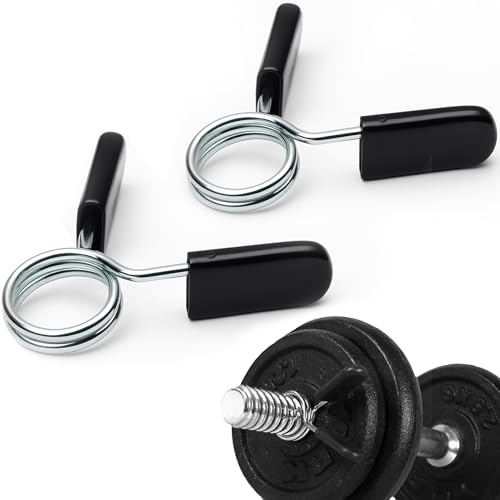
Useful accessories can include weight collars, squat racks, exercise benches, floor protection mats, plate storage racks, barbell storage, lifting gloves, wrist wraps, lifting straps, chalk and gym towels.
Collars are especially important for keeping plates secure on compatible bars. A rack and bench can expand the number of exercises you can perform. Floor mats can help protect surfaces and reduce noise in a home gym.
Choose accessories that match your exact barbell, plates and training setup.
Why Buy Barbells And Weight Plates From YPC?
At YPC, we understand active lifestyles and the need for practical strength equipment that fits real routines. Barbells and weight plates should be durable, compatible and suitable for the way you actually train.
Browse the Barbells and Weight Plates range, compare the options and choose the strength training equipment that fits your home gym, lifting goals and workout space.
Barbells And Weight Plates FAQs
What are barbells and weight plates used for?
Barbells and weight plates are used for strength training exercises such as squats, deadlifts, bench press, overhead press, rows, curls, lunges and hip thrusts.
What is the difference between a barbell and weight plates?
A barbell is the long lifting bar. Weight plates are added to each end of the bar to create the resistance used during exercises.
What should I look for when buying a barbell?
Look at bar length, maximum load, sleeve size, grip texture, knurling, weight capacity, plate compatibility and whether it suits your training goals.
What should I look for when buying weight plates?
Look at plate weight, material, hole size, compatibility, grip design, thickness, durability, floor protection and whether they match your barbell.
Are Olympic barbells better than standard barbells?
Olympic barbells are usually better for heavier lifting and long term strength progression. Standard barbells may suit lighter home workouts and smaller setups.
Can I use any plates on any barbell?
No. Weight plates must match the barbell sleeve size. Always check compatibility before buying plates or a bar.
What are bumper plates used for?
Bumper plates are often used for lifting styles where plates may contact the floor. They can help reduce impact compared with bare metal plates, depending on the surface and use.
Are rubber coated weight plates worth buying?
Rubber coated plates can be useful for home gyms because they may reduce noise and help protect floors better than bare metal plates.
Do I need collars for a barbell?
Yes, collars are useful for keeping weight plates secure on the bar, especially during movements where the bar may tilt or move.
What barbell is best for beginners?
Beginners should choose a barbell that suits their strength level, training space and planned exercises. A manageable bar with compatible plates is usually better than buying too heavy too soon.
Can barbells help build muscle?
Barbells can support muscle strengthening when used with suitable exercises, progressive resistance, good technique, recovery and consistent training.
Do I need a rack for barbell training?
You do not need a rack for every barbell exercise, but a rack is important for safer setup with squats, bench press and some heavier lifts.
How much weight should I start with?
Start with a weight you can control with good technique. It is better to begin lighter and progress gradually than to overload the bar too soon.
Can barbells damage floors?
Yes, barbells and plates can damage floors if dropped or handled carelessly. Floor protection mats and proper storage can help reduce damage.
How do I store weight plates safely?
Store weight plates on a plate tree, weight rack or suitable storage stand. Avoid leaving plates loose on the floor where they can become trip hazards.
How do I maintain barbells and weight plates?
Keep them clean and dry, check for rust or damage, inspect collars and sleeves, store them properly and stop using any equipment that feels unsafe or damaged.
 Getting ready for Summer? View our Home and Garden Products

Heading outdoors this winter? Take a look at our Outdoor Clothing.