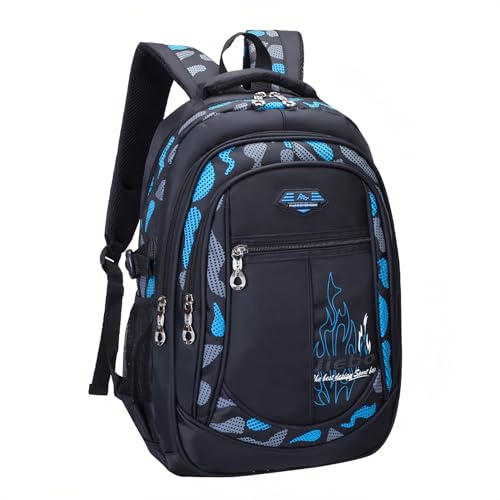
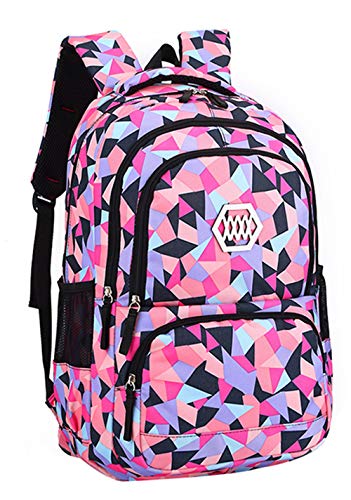
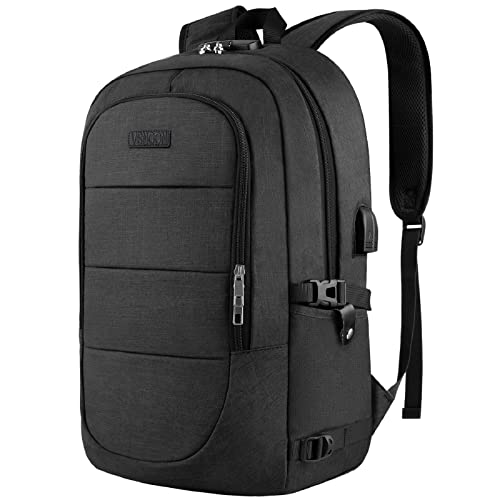
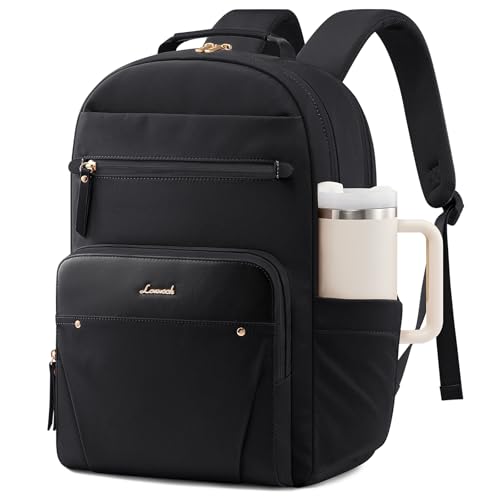
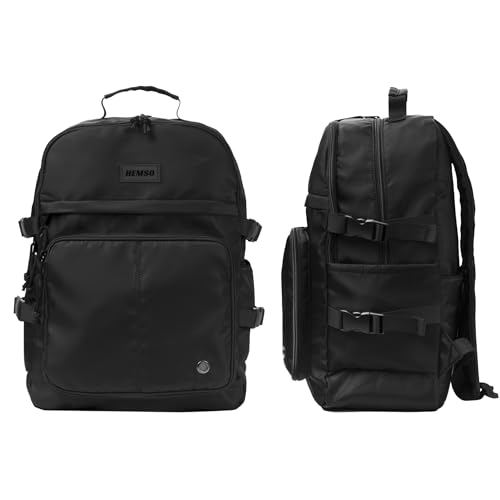
School backpacks are designed to help children, teenagers and students carry books, stationery, lunch, PE kit, technology and everyday school essentials in a practical way. Whether you are buying for primary school, secondary school, college or general study use, the right backpack can make the school day feel more organised and comfortable.
This category can include school bags, student backpacks, laptop friendly backpacks, compact rucksacks, larger school backpacks and bags with multiple compartments, depending on the products listed. Features vary by item, so always check the size, layout, material, pocket design and suitability before choosing.
School backpacks are bags worn on the back using shoulder straps. They are made to carry daily school items while keeping the wearer’s hands free.
Compared with a basic tote bag or drawstring bag, a school backpack usually offers more structure, storage and support. Many include a main compartment, front pockets, side pockets, padded straps or technology storage where listed. The exact design will vary by product.
What Are School Backpacks Used For?
School backpacks are used for carrying books, folders, pencil cases, lunch boxes, water bottles, sports kit, homework, tablets, laptops and other school day items. They can also be useful for after school clubs, trips, commuting, revision sessions and weekend activities.
For younger pupils, a backpack can help keep lunch, reading books and small items together. For secondary school pupils, it may need to carry heavier books, folders and PE kit. For older students, laptop or tablet storage may be important where compatible.
How To Choose The Right School Backpack
Start by thinking about the age of the student and what they need to carry each day. A primary school child may need a smaller backpack that is easy to open, while a secondary school student may need more room for books, folders and extra kit.
Next, consider comfort. Shoulder straps should sit securely and feel comfortable when the bag is loaded. Padded straps, adjustable straps and a padded back panel may help where listed, especially if the backpack is used every day.
Storage layout is also important. A single large compartment may be simple, while multiple pockets can help organise stationery, lunch, keys, passes, devices and small accessories. If the student carries a laptop or tablet, check whether the backpack includes a suitable compartment and whether the listed size is compatible.
Key Features To Compare
Size and capacity are key features to compare. A backpack needs enough space for the school day without being too large or awkward for the wearer. Check listed dimensions and capacity where provided.
Compartments are also worth comparing. Some students prefer one main section, while others need separate areas for books, food, technology and PE items. Side pockets can be useful for water bottles where listed.
Material and finish matter for everyday use. Depending on the product, school backpacks may use lightweight fabrics, reinforced bases, wipe clean surfaces or water resistant materials where stated. Water resistant does not always mean waterproof, so check the product wording carefully.
Other useful features to compare include zip quality, grab handles, reflective details, padded straps, laptop sleeves, internal organisers, key clips, chest straps, luggage straps and overall weight where listed.
School Backpacks Compared With Other School Bags
A backpack is usually more practical than a shoulder bag when carrying several items because the weight is spread across both shoulders. This can make it more comfortable for everyday school use.
A messenger bag or satchel may look smarter for some students, but it places more weight on one side of the body. A drawstring bag can be useful for PE kit or light items, but it may not offer enough support or structure for books and devices.
The main trade off is style versus everyday practicality. A school backpack is often the most versatile option for carrying a mix of books, lunch, water and study essentials.
Guidance For Younger Pupils, Teenagers And Older Students
Younger pupils need a backpack that is easy to manage. Look for simple openings, comfortable straps, suitable size and enough room for lunch, reading books and small school items.
Teenagers may need more storage and stronger organisation. Books, folders, technology, sports kit and personal items can quickly fill a bag, so pocket layout and comfort become more important.
Older students may want a more mature design with space for laptops, notebooks, chargers and study materials where suitable. A backpack that works for school, college, library visits and travel can be a practical choice.
Use Cases By School Day Need
For daily lessons, a school backpack should hold books, stationery, lunch and water without feeling overloaded. Organised compartments can help students find what they need quickly.
For PE days, extra space may be useful for trainers, kit or a change of clothing. Some students may prefer a separate sports bag, while others may want a larger backpack that can carry more where suitable.
For students who commute by bus, train, bike or on foot, comfort and secure zips are especially important. Reflective details may also be useful in darker months where listed.
For technology use, a padded laptop or tablet section may help protect devices from general knocks inside the bag, although students should still handle devices carefully.
For trips and clubs, a backpack with flexible storage can be useful beyond normal school days.
Fit, Comfort And Carrying Safety
A school backpack should fit the wearer properly. It should sit comfortably on the back and should not hang too low or pull heavily on the shoulders.
Adjustable shoulder straps can help improve the fit. Where listed, padded straps and a padded back panel may make the bag more comfortable during longer walks or bus journeys.
Students should avoid carrying unnecessary weight. Heavy bags can feel uncomfortable, especially for younger children. It can help to empty the backpack regularly, remove old papers and only carry what is needed for the day.
Compatibility With School Rules And Equipment
Before buying, check any school rules about bag colour, logos, size or style. Some schools may prefer plain bags, while others may allow more colourful designs.
Also check compatibility with the items the student needs to carry. Large folders, lunch boxes, water bottles, sports kit, tablets and laptops can all affect the size and layout needed.
If the backpack is for a laptop or tablet, compare the listed compartment size with the device size. Do not assume every padded section fits every device.
Safety And Practical Considerations
A school backpack should not block movement, drag on the floor or make it difficult for the student to walk, cycle or use public transport safely.
Zips, straps and loose cords should be checked from time to time. Damaged straps or broken fastenings can make a bag less secure and less comfortable.
For younger children, choose a bag they can open, close and carry independently where suitable. For older students, secure compartments may be useful for travel cards, keys and small valuables, although valuable items should still be handled carefully.
Care, Cleaning And Maintenance
Always follow the care instructions for the specific backpack. Some bags may be wipe clean, while others may need more careful cleaning.
Empty the backpack regularly to remove old papers, food wrappers and loose items. This helps keep the bag fresher and makes it easier to find important school supplies.
Let damp bags dry fully before storing them. Avoid leaving wet clothing, lunch spills or leaking bottles inside the bag for long periods. Check the lining, zips and seams regularly for wear.
Storage And Organisation Tips
Good organisation can make school mornings much easier. Keep books and folders in the main compartment, smaller stationery in front pockets and water bottles in side pockets where suitable.
Lunch boxes should be stored carefully to avoid spills. Technology should be kept in a suitable padded section where available and away from loose bottles or food.
At the end of each day, it can help to remove unnecessary items and repack for the next morning. A tidy backpack can save time and reduce forgotten homework or missing kit.
Useful Accessories To Consider
Useful accessories may include pencil cases, lunch boxes, water bottles, sports bags, name tags, keyrings, document wallets, laptop sleeves, tablet cases and waterproof covers where compatible.
For younger pupils, name labels and simple organisers can be useful. For older students, stationery pouches, device sleeves and compact folders may help keep the backpack tidy.
Why Buy From YPC?
At YPC, we understand active lifestyles and the need for practical products that work in real use. School backpacks can vary by size, comfort, pocket layout, material, technology storage, colour and intended age group, so it helps to compare the details carefully before choosing.
YPC makes it easier to browse school backpacks in a practical way, with options that can be compared by listed features, student needs and everyday use. Whether you are buying for primary school, secondary school, college or general study, you can browse and compare school backpacks at YPC to find suitable options for the school day.
FAQs
What size school backpack should I choose?
Choose a school backpack based on the student’s age, body size and what they need to carry. It should have enough space for daily essentials without being too large or uncomfortable.
Are padded straps important on a school backpack?
Padded straps can make a backpack more comfortable, especially when carrying books, lunch and school supplies every day. Adjustable straps are also useful for getting a better fit.
Do school backpacks need a laptop compartment?
A laptop compartment is useful if the student regularly carries a laptop or tablet. Check the listed compartment size and make sure it suits the device before buying.
What is the best backpack for secondary school?
A practical secondary school backpack should have enough space for books, folders, stationery, lunch and any required technology. Comfortable straps and good organisation are usually important.
Are water resistant school backpacks waterproof?
Not always. Water resistant materials may help with light moisture, but they are not necessarily fully waterproof. Check the product description carefully for the exact wording.
How do I stop a school backpack getting too heavy?
Empty it regularly, remove old papers and only carry what is needed for that day. Use lockers or classroom storage where available and pack heavier items closer to the back.
Can school backpacks be used for PE kit?
Some backpacks may have enough room for PE kit, depending on the size and layout. For bulky trainers or sports clothing, a separate sports bag may be more practical.
How do I clean a school backpack?
Follow the care label or product guidance. Empty the bag first, wipe away dirt and spills where suitable, and let it dry fully before using or storing it.
Heading outdoors this winter? Take a look at our Outdoor Clothing.
Manage Consent
To provide the best experiences, we use technologies like cookies to store and/or access device information. Consenting to these technologies will allow us to process data such as browsing behaviour or unique IDs on this site. Not consenting or withdrawing consent, may adversely affect certain features and functions.
Functional
Always active
The technical storage or access is strictly necessary for the legitimate purpose of enabling the use of a specific service explicitly requested by the subscriber or user, or for the sole purpose of carrying out the transmission of a communication over an electronic communications network.
Preferences
The technical storage or access is necessary for the legitimate purpose of storing preferences that are not requested by the subscriber or user.
Statistics
The technical storage or access that is used exclusively for statistical purposes.The technical storage or access that is used exclusively for anonymous statistical purposes. Without a subpoena, voluntary compliance on the part of your Internet Service Provider, or additional records from a third party, information stored or retrieved for this purpose alone cannot usually be used to identify you.
Marketing
The technical storage or access is required to create user profiles to send advertising, or to track the user on a website or across several websites for similar marketing purposes.