
Fishing Crimping Tools
Fishing crimping tools are used to secure crimps, sleeves and rig components when building fishing leaders, traces, sea rigs and specialist setups. They are suitable for sea anglers, predator anglers, carp anglers, lure anglers and experienced coarse anglers who want neat, controlled connections without relying only on knots.
The right fishing crimping tool depends on the type of fishing you do, the crimp sizes you use, the leader material, target species, rig strength, handle comfort, jaw design, cutting features where listed and whether the tool is intended for light rig work, predator traces or heavier sea fishing setups.
- Fishing Crimping Tools
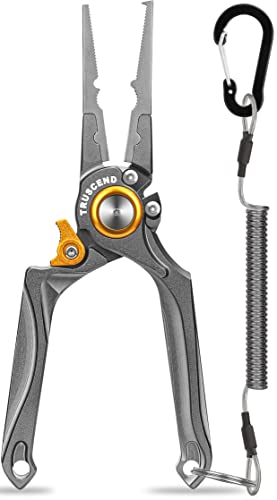
Truscend Fishing Pliers Saltwater with Mo-V Blade Cutter
Original price was: £26.99.£22.94Current price is: £22.94. *View On Amazon* - Fishing Crimping Tools
Hathever Stainless Steel Fishing Pliers with Sheath and Lanyard
£9.99 *View On Amazon* - Fishing Crimping Tools
Fishing Crimp Sleeves Kit, 500pcs Single Barrel Crimp Sleeves Brass Copper Crimping Loop Sleeve Assortment
£15.99 *View On Amazon* - Fishing Crimping Tools
BOXOB Fishing Pliers Stainless Steel Hook Remover and Line Cutter
£7.99 *View On Amazon* - Fishing Crimping Tools
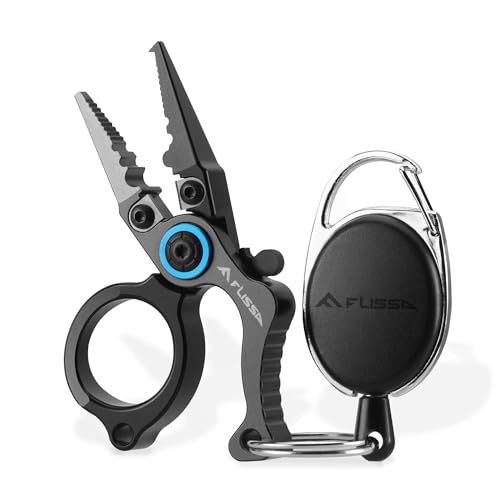
FLISSA Mini Fishing Pliers with Tungsten Steel Cutter, Aluminium Alloy Handle, Safety Lock and Fly Fishing Retractor
Original price was: £16.99.£13.71Current price is: £13.71. *View On Amazon* - Fishing Crimping Tools
Booms Fishing H01 Fishing Pliers Stainless Steel Multi Functional Tool with Lanyard
£9.99 *View On Amazon* - Fishing Crimping Tools
SPEEDWOX Fishing Pliers Hook Remover Mini Split Ring Pliers with Line Cutter
Original price was: £9.69.£6.99Current price is: £6.99. *View On Amazon* - Fishing Crimping Tools
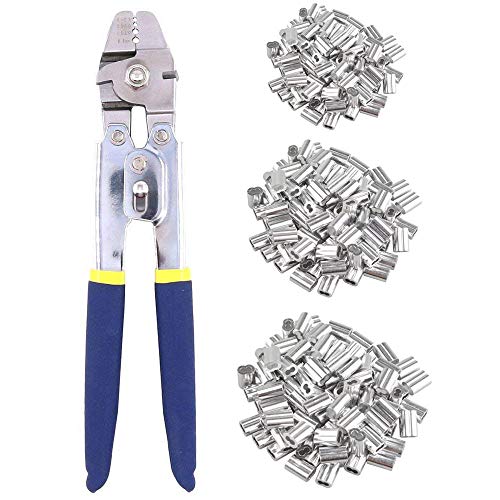
Dechengbao Wire Rope Crimping Swaging Tool for Cable Crimps up to 2.2mm
£18.99 *View On Amazon* - Fishing Crimping Tools
Rippton Bent Nose Plier for Predator Fishing and Sea Fishing 11 inch
£6.99 *View On Amazon* - Fishing Crimping Tools
Silverline Ratchet Crimping Tool 220mm Blue Hand Tool for Electrical Crimping and Cable Terminals (PL55)
£11.95 *View On Amazon* - Fishing Crimping Tools
Carp On 50 Pack of Double Crimps Rig Terminal Tackle 0.6mm Black [15-8306]
£3.99 *View On Amazon* - Fishing Crimping Tools
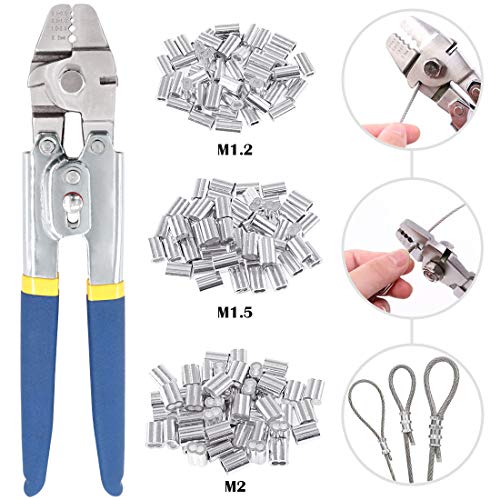
TooTaci Wire Rope Cable Crimping Tool with 200 PCS Aluminium Double Barrel Ferrule Crimping Loop Sleeves
Original price was: £25.99.£23.99Current price is: £23.99. *View On Amazon* - Fishing Crimping Tools
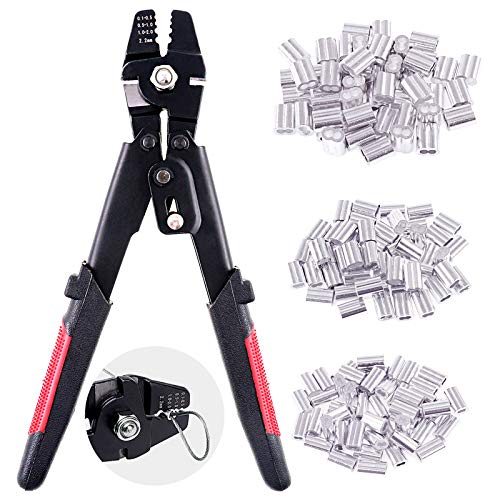
Swpeet Wire Rope Crimping Tool with 150 Piece Ferrule Kit, Black
£17.96 *View On Amazon* - Fishing Crimping Tools
iCrimp Wire Rope Crimping Tool Kit with 600 Aluminium Crimp Loop Sleeves
£22.99 *View On Amazon* - Fishing Crimping Tools
Cressi Crimping Tool Crimping Pliers Sleeves, Black Red, One Size, Adult Unisex
Original price was: £23.04.£22.19Current price is: £22.19. *View On Amazon*






![Carp On 50 Pack of Double Crimps Rig Terminal Tackle 0.6mm Black [15-8306]](https://m.media-amazon.com/images/I/41oW3BdRKRL._SL500_.jpg)




What Are Fishing Crimping Tools?
Fishing crimping tools are hand tools designed to compress small metal crimps or sleeves around line, wire, trace material or leader material. They help create secure loops, joins and rig connections when knots are not the preferred option.
Crimping is often used with wire traces, heavy monofilament, fluorocarbon leaders, sea fishing rigs and some predator fishing setups. It can be useful where a material is too thick, too stiff or too difficult to knot neatly.
A crimping tool should match the crimps and material being used. Using the wrong size crimp, too much pressure or an unsuitable tool can weaken the connection instead of improving it.
What Are Fishing Crimping Tools Used For?
Fishing crimping tools are used for making leaders, traces, hooklengths, sea rigs, lure leaders and strong terminal tackle connections. They can help anglers form neat loops around swivels, hooks, snaps, rig clips or other components.
Predator anglers may use crimping tools when building wire traces for pike or other toothy fish. Sea anglers may use them for heavier rigs, snoods and leader connections where strong, tidy loops are needed.
They can also be useful for preparing rigs at home before a session. A properly organised rig board, suitable crimps and the correct crimping tool can make rig making more consistent and less rushed.
How To Choose The Right Fishing Crimping Tool
Start by looking at the type of rigs you want to make. Light lure leaders may need a smaller, more precise tool, while sea fishing rigs and heavier traces may need stronger jaws and more robust handles.
Next, match the tool to the crimp sizes you use. Many crimping tools include different jaw sections for different crimp diameters, but this varies by product. Always check the product details before buying.
Comfort matters too. If you make several rigs at a time, a tool with comfortable handles and a controlled grip can make the job easier. For occasional use, a simple compact tool may be enough.
Key Features To Compare
When comparing fishing crimping tools, look at jaw size, crimp compatibility, handle comfort, tool length, grip material, build quality, cutting edges where listed, split ring features where listed and suitability for freshwater or saltwater use.
Jaw shape is important because crimps should be compressed evenly without cutting into the leader material. A poor crimp can slip, crush the line or create a weak point.
Some tools may include extra functions such as cutters, split ring tips or plier jaws. These can be useful, but the main crimping function should still be suitable for the crimps and rigs you use most often.
Crimping Tools Compared With Knots
Knots are common in many fishing setups and work well with suitable line and materials. They are often simple, quick and reliable when tied correctly.
Crimps can be useful with thicker, stiffer or wire based materials that do not knot easily. They can also create neat loops for traces, leaders and sea rigs.
The trade off is convenience versus precision. Knots require tying skill, while crimping requires the right crimps, the correct tool and careful pressure. Both methods can fail if done badly.
Crimps, Sleeves And Leader Materials
Crimps and sleeves must match the leader material. A crimp that is too large may slip, while one that is too small may crush or damage the line.
Leader materials can include wire, heavy monofilament, fluorocarbon, coated trace materials and other specialist rig materials depending on the fishing method. Each material behaves differently under pressure.
Always check compatibility before making rigs. If the crimp, tool and leader material do not match, the finished connection may not be safe or reliable.
Beginner, Regular Angler And Experienced Angler Guidance
Beginners should only use crimping tools after understanding how crimps work. For simple coarse fishing, knots and ready tied rigs may be easier at first.
Regular anglers who make predator traces, lure leaders or sea rigs may find a crimping tool useful for better organisation and repeatable rig preparation.
Experienced anglers often fine tune crimp size, loop size, sleeve position and pressure. Small details can affect rig strength, presentation and confidence when targeting stronger fish.
Crimping Tools For Predator Fishing
Predator fishing often involves strong leaders, traces and secure connections. Pike and other toothy fish may require bite resistant materials, and crimping can be useful when making wire traces.
A predator trace should be strong, neat and suitable for the hooks, snaps and swivels being used. The crimp should hold securely without damaging the trace material.
Long forceps, pliers, cutters, landing nets and unhooking tools are also important for predator fishing. A crimping tool is only one part of a responsible predator setup.
Crimping Tools For Sea Fishing
Sea fishing can place heavy strain on rigs because of casting weight, tide, surf, rough ground and larger fish. Crimping tools can be useful for building strong sea rigs and tidy connections.
Saltwater can be hard on tools and rig components. Check corrosion resistance claims where listed, and clean and dry suitable tools after use where appropriate.
For heavier sea fishing, make sure crimps, leader material, swivels, hooks and clips all match the intended casting weight and target species.
Crimping Tools For Lure Fishing
Lure anglers may use crimping tools to make fluorocarbon leaders, wire traces or strong lure connections, depending on the species and venue rules.
The crimped connection should be strong enough for casting and playing fish without being so bulky that it affects lure action. Small lures may need more subtle connections, while larger predator lures may need stronger hardware.
Check snaps, swivels and leaders regularly. Repeated casting and lure changes can put stress on connection points.
Crimping Pressure And Rig Strength
Crimping pressure is important. Too little pressure may allow the crimp to slip, while too much pressure can crush or weaken the leader material.
A good crimp should hold securely without cutting into the line or wire. The finished loop should be neat, and the tag end should not create sharp or awkward edges.
Test rigs carefully before fishing. Pulling steadily on the connection at home can help reveal obvious problems before the rig is used at the water.
Safety When Using Crimping Tools
Fishing crimping tools should be used carefully because they are often used around sharp hooks, wire, cutters and metal rig parts. Keep fingers clear of the jaws when applying pressure.
Cut wire, leader material and tag ends carefully. Sharp ends can catch skin, clothing, nets or fish, so trim and finish rigs neatly.
Store crimping tools safely in a tackle box, rig station or tool pouch. Avoid leaving tools loose where they can damage reels, lines, clothing or electronics.
Venue Rules And Responsible Rig Making
Always check venue rules before using crimped rigs, leaders, traces or specialist materials. Some waters may restrict wire traces, leaders, hook arrangements, lure fishing, sea rigs or certain rig systems.
Responsible rig making helps protect fish. Use suitable line, leaders, hooks, swivels, crimps and landing equipment for the fish being targeted.
Take old wire, cut off line, damaged crimps and packaging home with you. Small pieces of metal and line can harm wildlife and should never be left on the bank.
Care, Cleaning And Storage
Fishing crimping tools should be kept clean, dry and stored safely after use. Wipe away moisture, bait, mud, salt and dirt before packing them away.
After sea fishing, clean and dry suitable tools where appropriate, as saltwater can affect metal parts. Check hinges, jaws and cutters for rust, stiffness or damage.
Store crimps and sleeves separately by size. Keeping them organised helps you choose the correct crimp quickly and reduces mistakes during rig making.
Useful Accessories To Consider
Useful accessories for fishing crimping tools include crimps, sleeves, wire trace material, fluorocarbon leader, heavy monofilament, swivels, snaps, hooks, split rings, pliers, cutters, forceps, rig wallets and tackle boxes.
For predator fishing, suitable traces, lure boxes, long forceps, landing nets and unhooking mats may also be important. For sea fishing, rig boards, strong swivels, rig clips, snood material and storage wallets can help keep rigs organised.
The best crimping setup is one where the tool, crimp, leader material and rig components all match the same fishing method.
Why Buy Fishing Crimping Tools From YPC?
At YPC, we understand active lifestyles and the need for practical products that work in real use. Fishing crimping tools should be chosen carefully because jaw size, crimp compatibility, grip and rig strength all matter.
Browse the Fishing Crimping Tools category at YPC to compare available options, check the details that suit your rig making needs and choose tools that match the waters, species and tackle you plan to use.
Fishing Crimping Tools FAQs
What is a fishing crimping tool?
A fishing crimping tool is a hand tool used to compress crimps or sleeves around fishing line, wire or leader material. It helps create loops, joins and rig connections.
It is commonly used for predator traces, sea rigs, heavy leaders and specialist tackle setups.
Are fishing crimping tools suitable for beginners?
Fishing crimping tools can be suitable for beginners who want to make leaders or traces, but they need to be used carefully. The crimp, tool and material must match.
For basic fishing, knots or ready tied rigs may be easier to start with.
What are fishing crimps used for?
Fishing crimps are small metal sleeves used to secure loops or joins in leader material, wire or heavy line. They are compressed with a crimping tool.
They can be useful when the material is too stiff or thick to knot easily.
What is the difference between crimping and tying a knot?
A knot secures line by being tied and tightened. Crimping secures line or wire by compressing a metal sleeve around it.
Knots suit many normal fishing lines, while crimps are often used with wire, heavy mono, fluorocarbon leaders or sea rigs.
Can I crimp normal fishing line?
Some heavier monofilament or fluorocarbon leader materials may be crimped where suitable, but fine fishing line is often better tied with knots. It depends on the material, crimp and method.
Always check compatibility and test the connection before fishing.
Can I crimp braided line?
Braided line is not usually crimped in the same way as wire or heavy leader material. It can slip or behave differently under a crimp.
Use knots or connection methods suitable for braid unless the product guidance states otherwise.
What size crimp do I need?
The crimp size should match the diameter of the leader or trace material. A crimp that is too large may slip, while one that is too small may damage the material.
Check the product details for crimp and material compatibility.
Can using the wrong crimp weaken a rig?
Yes, the wrong crimp can weaken a rig. A poor fit, too much pressure or the wrong tool can crush the material or allow the crimp to slip.
Test every crimped connection before fishing.
How hard should I squeeze a fishing crimp?
You should use enough pressure to secure the crimp without crushing or cutting into the leader material. The correct pressure depends on the crimp, tool and material.
Avoid flattening crimps excessively unless the product guidance says that is correct.
Do I need crimping tools for pike traces?
Crimping tools can be useful for making pike traces, especially with wire trace materials. The trace should be strong, neat and suitable for the hooks, swivels and snaps being used.
Pike fishing also needs suitable unhooking tools and careful fish handling.
Do I need crimping tools for sea fishing?
Crimping tools can be useful for sea fishing rigs, especially when using heavier lines, snoods, leaders and rig bodies. They can help create neat and strong connection points.
Choose tools and crimps that suit the strength of the rig and the conditions.
Can crimping tools cut line?
Some crimping tools include cutters, but this depends on the product. Not every cutter is suitable for every material, especially wire, braid or heavy mono.
Check the product details before relying on the cutting feature.
Can crimping tools be used for wire trace material?
Yes, many fishing crimping tools are used with wire trace material. The crimp size and jaw size must match the wire and sleeve being used.
Always test the finished trace carefully before fishing.
Can crimping tools be used for fluorocarbon leaders?
Some anglers use crimps with heavier fluorocarbon leaders, depending on the material and crimp size. It must be done carefully to avoid damaging the leader.
For lighter fluorocarbon, knots may be more suitable.
What makes a good fishing crimping tool?
A good fishing crimping tool should match the crimp sizes you use, feel comfortable in the hand and compress crimps evenly. Strong jaws and a controlled grip are useful.
Extra features can be helpful, but crimp compatibility is the most important factor.
How do I check if a crimp is secure?
Inspect the crimp for even compression, sharp edges or crushed material. Then test the connection with steady pressure before fishing.
If the crimp slips, cracks or damages the line, remake the rig.
How should I store fishing crimping tools?
Store crimping tools clean and dry in a tackle box, tool pouch or rig station. Keep them away from loose hooks, salt, damp bait and heavy items that could damage the jaws.
Store crimps separately by size to avoid mixing them up.
What should I check before buying fishing crimping tools?
Check the jaw sizes, crimp compatibility, handle comfort, tool length, material, cutting features where listed, freshwater or saltwater suitability and the type of rigs you plan to make.
The right crimping tool should match your crimps, leader material and fishing method.
 Getting ready for Summer? View our Home and Garden Products

Heading outdoors this winter? Take a look at our Outdoor Clothing.