
Footballs
Footballs are essential for garden kickabouts, school sport, club training, coaching drills and match style play. The right football should suit the player’s age, the playing surface, the level of use and the type of football being played.
At YPC, you can browse footballs for casual play, regular practice, training sessions and more organised football activities. This category helps you compare size, material, feel, durability, surface suitability and inflation needs before choosing.
- Footballs
VIZARI Hydra Football Size 5, Red
Original price was: £13.79.£11.99Current price is: £11.99. *View On Amazon* - Footballs
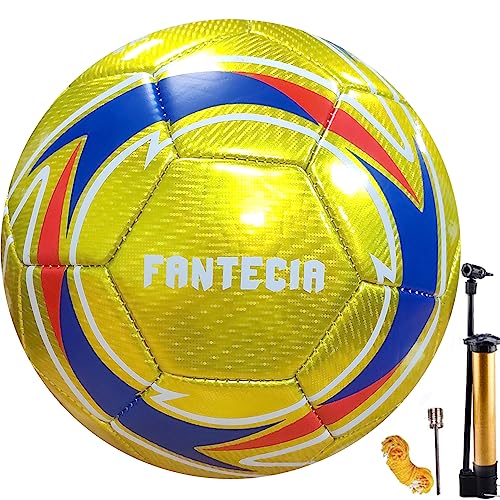
Fantecia Football Ball Size 5 for Youth and Adults
Original price was: £17.99.£12.59Current price is: £12.59. *View On Amazon* - Footballs
NIKE CU8047-102 Academy Recreational Soccer Ball, Unisex Adult, Size 5, White/Black/LT Blue Fury
Original price was: £24.99.£21.99Current price is: £21.99. *View On Amazon* - Footballs
adidas EURO24 Training Ball
Original price was: £23.47.£21.87Current price is: £21.87. *View On Amazon* - Footballs
Nike FZ2976-100 Premier League Academy Football, Size 4
Original price was: £26.99.£24.99Current price is: £24.99. *View On Amazon*






What Are Footballs?
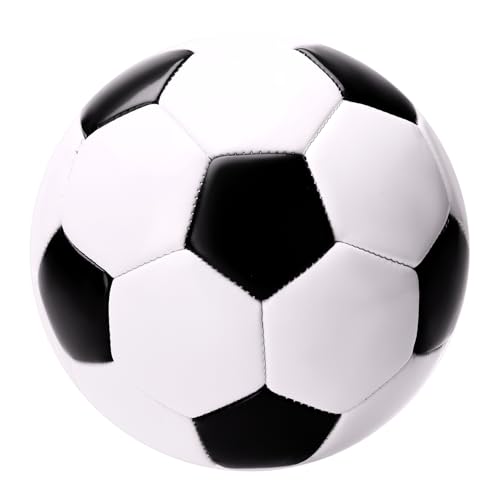
Footballs are round balls used for football practice, games and training. They are designed to be kicked, passed, controlled, saved and headed, depending on the age group and type of session.
Different footballs can suit different uses. Some are intended for casual garden play, while others are better suited to training, coaching, match style games, indoor sessions or specific formats such as futsal where listed.
The right choice depends on more than just appearance. Size, weight, touch, construction and surface suitability can all affect how the ball feels during play.
What Are Footballs Used For?
Footballs are used for shooting practice, passing drills, ball control, goalkeeper training, small sided games, school sport, club sessions and family play.
For children, a suitable football can help build confidence, coordination and basic technique. For regular players, the right ball can support more consistent touch and control during training.
For coaches, having the right footballs helps keep sessions organised and appropriate for the players involved. A ball that suits the age group and surface can make drills smoother and more enjoyable.
How To Choose The Right Football
Start with the player’s age and ability. Younger children usually need a smaller ball that is easier to control, while older players and adults usually use larger footballs, depending on the activity and guidance for their level.
Next, think about where the ball will be used. Garden grass, artificial turf, indoor floors and hard outdoor surfaces can all place different demands on a football. Check the product listing for surface suitability where stated.
Also consider how often the ball will be used. A ball for occasional garden play may have different priorities from one used every week for training. Regular use makes durability, air retention and outer material more important.
Key Features To Compare
When comparing footballs, look at size, outer material, construction, bladder type, surface suitability, grip, feel and whether the ball is supplied inflated or needs inflating where listed.
Size is one of the most important details. Smaller footballs are usually easier for younger players to handle, while larger balls suit older juniors and adults. Always check the listing and any age guidance shown.
The outer material affects touch, durability and how the ball feels in different conditions. Some footballs may have a softer feel, while others may be more focused on regular outdoor use, depending on the product.
Training Footballs Compared With Match Footballs
Training footballs are usually chosen for repeated practice, drills and regular handling. They are useful for schools, clubs, gardens and players who want a dependable ball for frequent use.
Match footballs are generally intended for game situations where feel, flight and consistency may matter more. Depending on the product, they may suit more formal play or players who want a more match style experience.
The trade off is practicality. A training football may be the more sensible choice for everyday use, while a match style football may suit players who want something closer to game day conditions.
Footballs Compared With Foam And Soft Play Balls
Standard footballs are made for kicking, passing and outdoor or indoor football use, depending on the product. They give a more familiar football feel and are suitable for many types of play.
Foam or soft play balls may be better for very young children, indoor play or lower impact activities where a softer feel is useful. They are not always a direct replacement for a standard football.
If the aim is proper football practice, a suitable football is usually the better choice. If the aim is gentle play for younger children or indoor spaces, a softer option may be worth considering where available.
Beginner, Regular Player And Experienced User Guidance
Beginners should focus on a football that is easy to control, suitable for the player’s age and appropriate for the space available. A simple, practical ball is often enough for early practice and garden games.
Regular players may want to compare durability, touch, air retention and how the ball performs on their usual surface. If the ball will be used often, these details become more noticeable over time.
Experienced players, coaches and clubs may need footballs for specific drills, surfaces or age groups. In this case, size consistency, construction and intended use are especially important.
Use Cases By Player Type And Activity
For children, footballs should be the right size for comfortable kicking and control. A ball that is too large or hard to manage can make practice less enjoyable.
For family garden play, a durable and easy to use football can be ideal for casual games, shooting practice and weekend activity.
For coaching, multiple footballs can help keep drills moving without constant stoppages. Coaches may want different balls for warm ups, passing, shooting and goalkeeper exercises.
For indoor football or futsal style play, check the product listing carefully. These formats may need different ball characteristics, depending on the surface and rules being used.
Size, Fit And Compatibility
Football size matters because it affects control, confidence and suitability. Size 3 is often associated with younger children, size 4 with junior players and size 5 with older juniors and adults, but you should always follow the guidance shown on the product listing or required by the activity.
Compatibility also includes the playing surface. Some footballs may be suitable for grass, artificial turf or indoor use where listed. Using a ball on an unsuitable surface may affect performance and wear.
If you are buying for a club, school or organised session, check whether a specific size or type is required before choosing.
Safety And Practical Play Considerations
A football should be suitable for the player and the environment. Younger children may need a smaller or softer feeling ball, while older players may prefer a more standard football feel.
Always use footballs in a safe space with enough room for missed shots, rebounds and movement. Avoid using full size footballs near fragile objects, windows or crowded areas.
Inflation also matters. A ball that is too soft may not play properly, while one that is over inflated may feel uncomfortable or be unsuitable. Follow the inflation guidance shown on the ball or product listing where available.
Care, Maintenance And Storage
Good care can help keep a football ready for regular use. Wipe away mud and moisture after play, especially after wet grass or muddy sessions.
Store footballs in a dry place away from sharp objects, heavy pressure and unsuitable heat. Avoid leaving them outside for long periods unless the product guidance says this is suitable.
Check air pressure regularly if the ball feels too soft. A ball pump and suitable needle can be useful, but always inflate carefully and follow any instructions supplied with the product.
Useful Accessories To Consider
Footballs work well with other practical football equipment. A ball pump, spare pump needles, cones, marker discs, training bibs and football goals can all support better practice sessions.
For goalkeeper training, goalkeeper gloves may be useful. For coaching, storage bags can help carry multiple balls and keep equipment organised.
For garden football, a suitable goal and a few spare balls can help keep play moving and make practice more enjoyable.
Why Buy From YPC?
At YPC, we understand active lifestyles and the need for practical products that work in real use. Footballs should suit the player, the surface and the type of football being played, whether that means garden practice, school sport, club training or match style games.
This category helps you compare football size, feel, construction, surface suitability and accessories without overcomplicating the choice. Browse the footballs at YPC, compare the available options and choose the ball that suits your players, space and style of play.
FAQs
What size football should I buy?
The right size depends on the player’s age and the activity. Smaller sizes usually suit younger children, while larger footballs are usually used by older juniors and adults. Always check the product listing and any required size guidance before buying.
Are footballs suitable for garden use?
Many footballs are suitable for garden use, depending on the product and surface. Check whether the ball is intended for outdoor play and make sure there is enough safe space for kicking and shooting.
What is the difference between a training football and a match football?
Training footballs are usually chosen for regular practice and repeated use. Match footballs are generally intended for game situations where feel and consistency may be more important, depending on the product.
Can I use the same football on grass and artificial turf?
Some footballs may be suitable for more than one surface where listed, but not all are. Check the product details for surface suitability before using the ball on grass, artificial turf, indoor floors or hard outdoor areas.
Do footballs arrive inflated?
This varies by product. Some footballs may arrive inflated, while others may need inflating before use. Check the listing and have a suitable ball pump available if needed.
How do I look after a football?
Wipe off mud and moisture after use, store the ball somewhere dry and check the air pressure when needed. Avoid sharp objects, heavy pressure and unsuitable storage conditions.
Are smaller footballs better for children?
Smaller footballs are often easier for younger children to kick, control and carry. The best size depends on the child’s age, ability and the activity they are playing.
What accessories should I buy with a football?
Useful accessories may include a ball pump, spare needles, football goals, cones, marker discs, training bibs and a storage bag. The right accessories depend on whether the ball is for garden play, coaching or regular training.
 Getting ready for Summer? View our Home and Garden Products

Heading outdoors this winter? Take a look at our Outdoor Clothing.