
Women's Tennis Shoes
Women’s tennis shoes are designed to support the quick movement, stopping, turning and side to side steps used in tennis. The right pair should feel comfortable, suit the court surface and give you confidence during practice, coaching sessions and match play.
At YPC, you can browse women’s tennis shoes for beginners, regular players, club sessions and active racket sport use. This category helps you compare fit, outsole style, cushioning, support, breathability and court suitability before choosing.
- Women's Tennis Shoes
DREAM PAIRS Women’s Road Running Shoes, Platform Lace-Up Trainers, Size 5.5, White, SDFN2368W
£27.99 *View On Amazon* - Women's Tennis Shoes
IVQDZL Ladies Trainers Women Running Shoes, Black, Size 7 UK
£19.99 *View On Amazon* - Women's Tennis Shoes
NORTIV 8 Women’s Hiking Shoes, Size 6, Khaki, NWUMHI2501
Original price was: £53.99.£43.19Current price is: £43.19. *View On Amazon* - Women's Tennis Shoes
Harvest Land Womens Walking Shoes Slip On Lightweight Sneakers White UK5.5
Original price was: £10.99.£9.99Current price is: £9.99. *View On Amazon* - Women's Tennis Shoes
Women’s Slip-On Trainers Wide Fit Mesh Running Walking Shoes Grey
£7.99 *View On Amazon* - Women's Tennis Shoes
Women’s Orthopaedic Trainers, Black/White, UK 5
Original price was: £32.98.£25.48Current price is: £25.48. *View On Amazon* - Women's Tennis Shoes
NORTIV 8 Women’s Trainers Walking Shoes Size 7.5 Pink SNWS246W
Original price was: £24.04.£14.80Current price is: £14.80. *View On Amazon* - Women's Tennis Shoes
FUJEAK Women Trainers Slip-On Mesh Sneakers Brown Size 5.5
£16.99 *View On Amazon* - Women's Tennis Shoes
GANNOU Womens Wide Toe Walking Trainers Black
Original price was: £59.99.£49.99Current price is: £49.99. *View On Amazon* - Women's Tennis Shoes
K-Swiss Performance Girls Court Express Omni Tennis Shoes, White Heather Peach Fuzz, UK 4
£34.41 *View On Amazon* - Women's Tennis Shoes
Women’s Running Shoes, Arch Support, Memory Foam, Lace-Up, Navy, UK 7
£31.99 *View On Amazon* - Women's Tennis Shoes
adidas Women’s BARREDA Shoes, Yellow/Off White/Gum 3, 5.5 UK
Original price was: £55.00.£44.24Current price is: £44.24. *View On Amazon* - Women's Tennis Shoes
Wrezatro Women’s Slip On Walking Running Shoes Orange
Original price was: £36.99.£35.99Current price is: £35.99. *View On Amazon* - Women's Tennis Shoes
LUCKY STEP Women’s Platform Chunky Walking Sneakers, White, 11US-41EU-8UK
£27.99 *View On Amazon* - Women's Tennis Shoes
CAIQDM Women Running Shoes Slip-on Walking Sneakers Black Size 8
£25.99 *View On Amazon*


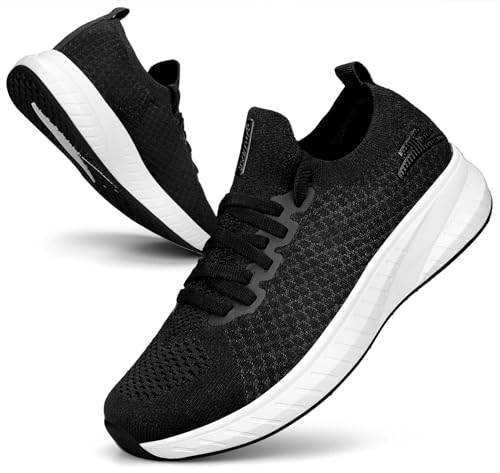


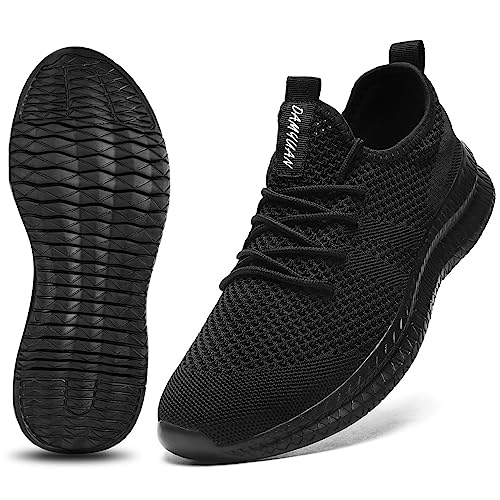
What Are Women’s Tennis Shoes?
Women’s tennis shoes are court focused sports shoes made for the movement patterns of tennis. Unlike general trainers, they are designed with court grip, lateral support and stability in mind.
Depending on the product, women’s tennis shoes may include features such as cushioned midsoles, supportive uppers, reinforced areas, breathable materials, padded collars, grippy outsoles or surface specific sole patterns where listed.
They can be used for casual tennis, lessons, club play, school sport, coaching sessions and match style games, depending on the shoe and court surface.
What Are Women’s Tennis Shoes Used For?
Women’s tennis shoes are used to help players move safely and comfortably around the court. Tennis involves short sprints, lunges, sharp turns, serves, split steps and quick recovery movements, so footwear needs to support more than straight line running.
They are useful for indoor and outdoor courts where suitable. A good tennis shoe should help with grip, comfort and support while allowing the player to move naturally.
They can also be useful for other court based sports where appropriate, but always check the product listing and intended use before using them outside tennis.
How To Choose The Right Women’s Tennis Shoes
Start with the court surface you play on most often. Some tennis shoes are designed for hard courts, some for clay courts and some for more general court use where listed. Choosing a sole that suits the surface can make a real difference to grip and wear.
Next, think about fit. Tennis shoes should feel secure around the heel and midfoot, with enough room at the front for comfort during movement. A shoe that slips at the heel or feels cramped in the toes can be distracting during play.
Also consider your playing style. If you move aggressively and change direction often, support and stability may matter more. If you play casually or are just starting out, overall comfort and easy wearability may be the main priorities.
Key Features To Compare
When comparing women’s tennis shoes, look at fit, outsole pattern, grip, cushioning, support, weight, breathability and upper material.
Outsole design is important because tennis courts place different demands on footwear. Some soles are intended for grip and durability on hard courts, while others may be made for clay or indoor surfaces where listed.
Cushioning can improve comfort during repeated movement, but too much softness may not suit every player. Stability and support are also important because tennis involves a lot of sideways movement.
Tennis Shoes Compared With Running Shoes
Running shoes are mainly designed for forward movement. They can be comfortable for walking and jogging, but they may not offer the side to side support needed for tennis.
Tennis shoes are designed for court movement, including stopping, turning and pushing off in different directions. They usually focus more on lateral stability, outsole grip and durability in court areas.
The trade off is that tennis shoes may feel more structured than running shoes. For regular tennis, that structure can be useful because it supports the way players actually move on court.
Tennis Shoes Compared With General Trainers
General trainers may be fine for casual activity, but they are not always suitable for tennis. They may lack the right grip, support or outsole design for court movement.
Women’s tennis shoes are made to handle the repeated starts, stops and turns of the game. They can also offer better court suitability where the product is designed for the surface being used.
If you are only trying tennis once, comfortable trainers may be enough for a gentle session if the venue allows them. If you plan to play more often, court suitable tennis shoes are usually the more practical choice.
Beginner, Regular Player And Experienced Player Guidance
Beginners should focus on comfort, secure fit and court suitability. A supportive tennis shoe that feels stable and easy to move in can make early sessions more enjoyable.
Regular players may want to compare cushioning, outsole wear, support and how the shoes feel during longer rallies or weekly sessions. If you play often, small fit issues can become more noticeable.
Experienced players may look more closely at surface specific outsoles, shoe weight, lateral stability, durability and how the shoe supports their playing style. Competitive players may also prefer different shoes for different court surfaces where suitable.
Use Cases By Player Type And Activity
For casual players, women’s tennis shoes should be comfortable, easy to wear and suitable for occasional court sessions with friends or family.
For coaching sessions, shoes should support repeated drills, demonstrations, short rallies and stop start movement. Comfort and stability are both important because lessons often involve lots of repetition.
For club players, a secure fit, dependable grip and good support can help during singles, doubles and match style practice. If you play several times a week, durability and cushioning may become more important.
For juniors and younger players moving into adult sizes, fit and comfort should be checked carefully. Shoes should support movement without feeling too heavy or restrictive.
Court Surface And Outsole Suitability
The court surface is one of the most important things to consider. Hard courts can place more wear on the outsole, so suitable grip and durability matter where listed.
Clay court shoes may use different sole patterns to help with grip and controlled sliding where appropriate. Indoor court shoes may focus on clean grip and court friendly soles where listed.
Some shoes may be described as suitable for multiple court types, but not every shoe is right for every surface. Always check the listing details and any venue requirements before choosing.
Fit, Sizing And Comfort
Fit can vary between brands and products, so always check the size information shown on the listing. Women’s tennis shoes should feel secure without rubbing, pinching or leaving the foot unstable.
There should usually be enough space for natural toe movement, while the heel should stay in place during quick changes of direction. If the foot slides inside the shoe, control and comfort can be affected.
Consider the socks you plan to wear as well. Tennis socks can affect fit, cushioning and overall feel, especially during longer sessions.
Support, Stability And Movement
Tennis shoes need to support sharp movement around the court. Lateral support is important because tennis is not just forward running. Players move sideways, recover quickly and push off from different positions.
A stable base can help the shoe feel more controlled during lunges, split steps and direction changes. Cushioning can help with repeated impact, but the shoe should still feel secure underfoot.
The right balance depends on the player. Some people prefer a lighter, more flexible feel, while others prefer a more supportive shoe.
Safety And Practical Play Considerations
Women’s tennis shoes should suit the court and should not damage the playing surface. Some venues may require appropriate court footwear, especially for indoor courts or specific surfaces.
Avoid wearing worn out shoes if the grip has become poor or the upper no longer supports the foot properly. Reduced grip or poor support can make movement feel less controlled.
Tennis shoes should be tied securely before play. Loose laces, poor fit or unsuitable soles can distract from the game and make movement less confident.
Care, Maintenance And Storage
Always follow the care instructions shown on the product label or listing. After play, remove loose dirt, clay or court dust where practical.
Allow shoes to dry naturally if they become damp. Avoid storing them wet inside a sports bag for long periods, as this can affect freshness and comfort.
Check the outsole, laces, heel area and upper regularly. If the sole is worn smooth or the shoe no longer feels supportive, it may be time to consider a replacement.
Useful Accessories To Consider
Women’s tennis shoes work well with practical tennis accessories. Tennis socks can improve comfort, while a tennis bag can help carry shoes, clothing, rackets, balls and spare layers.
Headbands, wristbands, caps, visors and towels can support comfort during warm or active sessions. For racket setup, grips and overgrips may also be useful where compatible.
If you play regularly, keeping spare socks, a water bottle and a change of clothing in your tennis bag can make sessions easier to manage.
Why Buy From YPC?
At YPC, we understand active lifestyles and the need for practical products that work in real use. Women’s tennis shoes should be comfortable, supportive and suited to the court surface and style of play.
This category helps you compare fit, grip, cushioning, outsole type, support and practical court suitability without making the choice more complicated than it needs to be. Browse the women’s tennis shoes at YPC, compare the available options and choose the pair that suits your next session on court.
FAQs
What makes women’s tennis shoes different from normal trainers?
Women’s tennis shoes are designed for court movement, including quick stops, turns and side to side steps. Normal trainers may be comfortable, but they may not provide the same grip, stability or support for tennis.
Can I wear running shoes for tennis?
Running shoes are designed mainly for forward movement, so they are not always suitable for tennis. If you play regularly, tennis shoes are usually a better choice because they support court movement more effectively.
What should I look for in women’s tennis shoes?
Look for a secure fit, suitable outsole, good grip, comfortable cushioning, support and court surface compatibility. The right choice depends on how often you play and where you play.
Do I need different tennis shoes for different courts?
You may need different shoes depending on the court surface. Some shoes are made for hard courts, some for clay courts and some for more general court use where listed. Always check the product details.
Should tennis shoes feel tight?
Tennis shoes should feel secure, but not painfully tight. Your heel should stay in place, and your toes should have enough room to move comfortably during play.
Are women’s tennis shoes suitable for indoor courts?
Some women’s tennis shoes may be suitable for indoor courts where listed. Check the outsole type and any court rules before wearing them indoors.
How long do tennis shoes last?
This depends on how often you play, the court surface, your movement style and the shoe itself. If the grip is worn, the upper feels loose or support has reduced, it may be time to replace them.
How do I clean women’s tennis shoes?
Follow the care instructions shown on the product label or listing. Remove loose dirt after play, let the shoes dry naturally and store them in a clean, dry place.
 Getting ready for Summer? View our Home and Garden Products

Heading outdoors this winter? Take a look at our Outdoor Clothing.