
Handheld GPS Devices
Handheld GPS devices help you navigate outdoors, record routes, mark waypoints and stay more aware of your location. This category is ideal if you want a dedicated GPS device for walking, hiking, camping, geocaching, trail use, travel, outdoor work or exploring places where relying only on a phone may not feel enough.
The right handheld GPS depends on where you go, how long you are outdoors and how much navigation detail you need. A simple GPS device may be enough for route recording and location checks, while a more advanced model may offer mapping, compass tools, longer battery life and stronger outdoor durability.
Handheld GPS Devices Buyers Guide
This Buyers Guide explains key differences between handheld GPS devices and outlines factors to consider when comparing navigation features, power handling, mapping, and outdoor suitability.
- Handheld GPS Devices
Garmin Alpha 10 Handheld Compact Tracking and Training Handheld
£365.46 *View On Amazon* - Handheld GPS Devices
Yarryuter A6 Handheld GPS Navigator for Hiking, Camping and Hunting
£97.71 *View On Amazon* - Handheld GPS Devices
CC600 Colour Screen Wireless Cycling Computer with Route Navigation
£49.99 *View On Amazon* - Handheld GPS Devices
Spacnana Handheld Navigation Land Area Meter with 16GB Memory and 4000mAh Battery for Camping and Hiking
£170.13 *View On Amazon* - Handheld GPS Devices
Koolenry A8 Handheld GPS Navigator for Hiking, Camping, Hunting and Backpacking
£136.00 *View On Amazon* - Handheld GPS Devices
Handheld GPS Area Meter with Colour Screen for Hiking, Camping, Hunting and Backpacking
£176.99 *View On Amazon* - Handheld GPS Devices
Naroote Handheld GPS Land Measuring Instrument with 3.2in Colour Screen
£116.70 *View On Amazon* - Handheld GPS Devices
Handheld GPS Navigator with USB Rechargeable Battery and Mini Torch
£27.62 *View On Amazon* - Handheld GPS Devices
Garmin eTrex 22x Outdoor Handheld GPS Unit with Duracell Optimum AA Batteries Pack of 4
£194.94 *View On Amazon* - Handheld GPS Devices
Outdoor Case for Garmin GPSMAP H1 Silicone Anti Drop Protection Cover Black
£10.39 *View On Amazon*


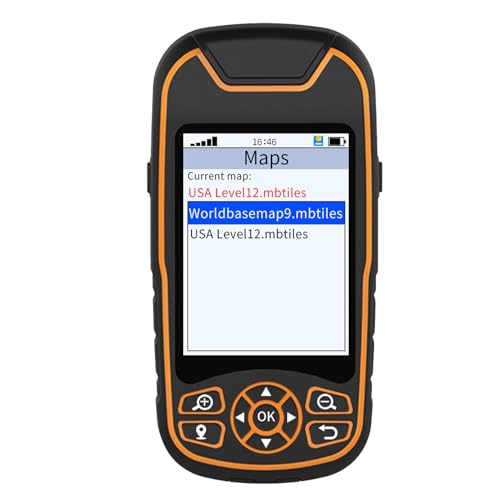


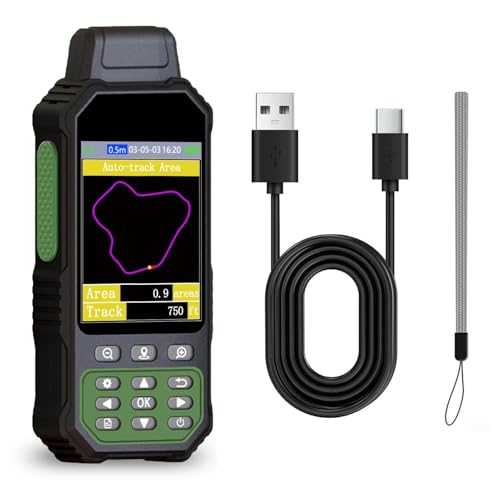
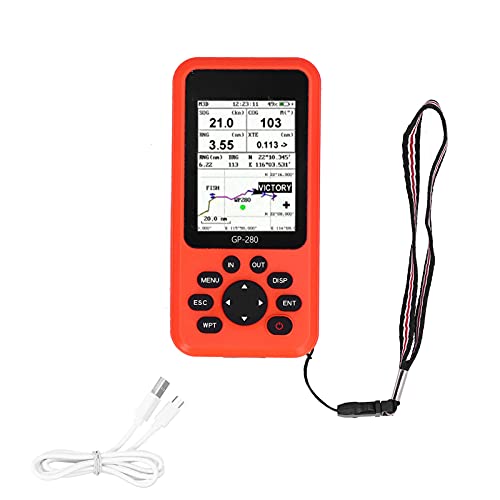


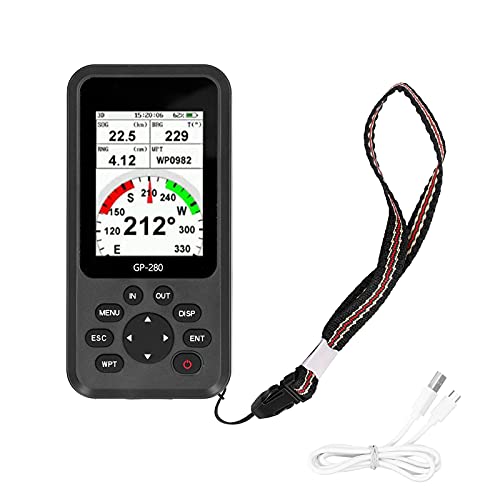


What Is A Handheld GPS Device?
A handheld GPS device is a portable navigation tool designed to show your location using satellite positioning. It can help you follow routes, record tracks, save waypoints and check where you are during outdoor activities.
Handheld GPS devices are commonly used by walkers, hikers, campers, geocachers, trail runners, outdoor workers, survey users and people who want a more rugged navigation option than a smartphone. They are especially useful when navigation is part of the activity, not just an occasional check.
How To Choose The Right Handheld GPS
Start with your main use. If you mainly want reassurance on local walks, a simple device with clear location and track recording may be enough. If you walk in hills, forests, remote areas or unfamiliar routes, mapping support, battery life and screen visibility become more important.
Battery life is one of the biggest buying factors. Outdoor trips can last longer than expected, and cold weather, screen use and GPS tracking can all affect power. Look at battery type, expected run time and whether spare or replaceable batteries are useful for your plans.
Screen readability matters too. A handheld GPS should be easy to read in bright daylight, rain, shade or low light. Buttons can be useful when wearing gloves or walking in wet weather, while touchscreen models may feel more familiar to smartphone users.
Handheld GPS Or Smartphone Navigation?
A smartphone is convenient because most people already carry one. It can be useful for short walks, simple route planning and quick map checks. The downside is that battery life, signal, weather resistance and screen handling can become problems outdoors.
A handheld GPS is usually better when navigation is a priority. It is designed around outdoor use, route recording, location checks and practical handling in changing conditions. It may also help preserve your phone battery for calls, photos or emergency use.
For casual use, a phone may be enough. For longer routes, poor weather or more serious outdoor navigation, a dedicated GPS device can be the more reliable choice.
Mapping, Waypoints And Route Recording
Mapping support is useful if you want to see paths, tracks, terrain details or planned routes on the device. Some handheld GPS units offer detailed maps, while others focus more on coordinates, routes and basic navigation.
Waypoints let you save important locations. These could include a car park, campsite, viewpoint, gate, fishing spot, trail junction or safe return point. This can be very useful when you need to find your way back later.
Route recording helps you see where you have been. It can be useful for reviewing walks, repeating favourite routes, sharing outdoor trips or checking your progress during a longer day.
Key Features To Compare
When comparing handheld GPS devices, look at battery life, mapping support, screen size, screen readability, button or touchscreen controls, GPS accuracy, compass features, altimeter features, waterproofing claims, durability, weight, memory, route tools and connectivity.
A digital compass can help show direction even when you are moving slowly or standing still. An altimeter can be useful in hill country where height matters. Waterproofing claims are important if you walk in rain, use the device near water or carry it in exposed pockets.
Connectivity can also matter. Some devices may connect to apps, phones, satellites, sensors or online route services, depending on the model. Check whether those features need subscriptions, accounts or extra setup before buying.
Basic GPS Or Advanced Outdoor GPS?
A basic handheld GPS is usually enough for simple location checks, track recording and waypoint marking. It can suit casual walkers, geocachers and people who want a straightforward backup device.
An advanced outdoor GPS may be better for hiking, remote routes, outdoor work or longer trips. It may offer better maps, stronger navigation tools, longer battery options, more storage and improved durability.
The best choice is not always the most advanced one. It is the device that matches your routes, confidence level and how much navigation support you actually need.
Using A Handheld GPS Sensibly
A handheld GPS can be a very useful navigation tool, but it should not be your only plan in serious outdoor conditions. Batteries can run down, screens can be damaged and electronic devices can fail.
For longer or more remote routes, it is sensible to understand the route before you set off, carry backup power where needed and consider a paper map and compass if the terrain demands it. Technology is most useful when it supports good planning, not when it replaces it completely.
Learn the device before relying on it. Practise saving waypoints, following a route and finding your starting point again in a familiar area before using it somewhere more demanding.
Beginner, Hiker Or Outdoor Explorer?
Beginners should look for a handheld GPS that is simple to use, easy to read and not overloaded with features. Clear buttons, reliable battery life and straightforward route recording can matter more than advanced settings.
Regular hikers may want maps, route planning, waypoint tools, compass support, weather suitable design and longer battery performance. Outdoor explorers may need stronger durability, more detailed mapping, satellite communication features or a device that works well in remote areas.
The right handheld GPS is the one that gives you confidence without making navigation feel more complicated than it needs to be.
Useful Handheld GPS Accessories To Consider
Useful accessories can include protective cases, screen protectors, lanyards, belt clips, handlebar mounts, charging cables, spare batteries, power banks and waterproof storage pouches.
A secure carry method is useful because a handheld GPS needs to be easy to reach while walking. Spare batteries or a power bank can be important for longer trips. A protective case can help reduce damage from knocks, mud, rain or rough outdoor handling.
Choose accessories that match your exact device because mounts, cables and cases are not always universal.
Why Buy Handheld GPS Devices From YPC?
At YPC, we have used a lot of outdoor equipment ourselves in real activity settings, so we understand why dependable navigation kit matters. A handheld GPS needs to be clear, practical and suited to the conditions where you actually plan to use it.
Browse the Handheld GPS Devices range, compare the options and choose the navigation device that fits your routes, confidence level and outdoor plans.
Handheld GPS Devices FAQs
What is a handheld GPS device used for?
A handheld GPS device is used for outdoor navigation, route recording, waypoint marking and checking your location. It is commonly used for walking, hiking, camping, geocaching and outdoor work.
Is a handheld GPS better than a phone?
A handheld GPS can be better for longer outdoor routes, poor weather, battery life and dedicated navigation. A phone may be enough for short walks, simple maps and casual use.
Do handheld GPS devices need mobile signal?
Handheld GPS devices use satellite positioning for location, so they do not rely on normal mobile signal in the same way as a phone. Some extra features may still need phone connection, apps or downloads.
What should I look for in a handheld GPS?
Look at battery life, mapping support, screen readability, button or touchscreen controls, durability, waterproofing claims, route tools, waypoint features, weight and ease of use.
Do handheld GPS devices show maps?
Some handheld GPS devices show detailed maps, while others focus on coordinates, tracks and basic navigation. Check the product details carefully if built in mapping is important.
What is a waypoint on a GPS device?
A waypoint is a saved location. You can use waypoints to mark places such as your car, campsite, viewpoint, route junction or any location you may want to return to.
Are handheld GPS devices good for hiking?
Yes, handheld GPS devices can be very useful for hiking, especially when they offer clear maps, long battery life, durable design and reliable route tools.
Do I still need a map and compass?
For serious outdoor routes, a map and compass can still be a sensible backup. A GPS device is useful, but batteries can fail and electronic devices can be damaged.
Are handheld GPS devices waterproof?
Some handheld GPS devices are water resistant or waterproof, but protection levels vary. Always check the product details before using one in rain, wet conditions or around water.
Can handheld GPS devices be used for geocaching?
Yes, many handheld GPS devices are suitable for geocaching. Look for waypoint support, accurate location tools, good battery life and an easy to read screen.
Do handheld GPS devices need subscriptions?
Some basic GPS functions may not need a subscription, but maps, satellite messaging, live tracking or extra services may involve additional costs. Check product details before buying.
What accessories are useful for handheld GPS devices?
Useful accessories can include cases, lanyards, mounts, screen protectors, spare batteries, charging cables, power banks and waterproof storage pouches.
 Getting ready for Summer? View our Home and Garden Products

Heading outdoors this winter? Take a look at our Outdoor Clothing.