
Microscopes
Microscopes help you see tiny details that are difficult or impossible to view clearly with the naked eye. This category is ideal if you want a microscope for home learning, school study, hobbies, nature observation, coin collecting, stamps, electronics inspection, craft work, jewellery, slides or general close up discovery.
The right microscope depends on what you want to examine. A student microscope may suit prepared slides and simple science learning, while a stereo microscope or digital microscope may be better for solid objects such as insects, stones, circuit boards, coins or small parts.
Microscopes Buyers Guide
This Buyers Guide explains key differences between microscopes and outlines decision factors such as magnification, image clarity, ease of use, and suitability for home learning or hobby use.
- Microscopes
Ninyoon Full HD 1080P USB Digital Microscope Camera for iPhone iPad Android PC
Original price was: £29.99.£25.49Current price is: £25.49. *View On Amazon* - Microscopes
1000X Handheld Digital Microscope for Kids, 4K 2.0 inch Screen, Rechargeable Mini Labster Portable Pocket Scope, Includes Slides Kit, Purple
Original price was: £39.99.£33.98Current price is: £33.98. *View On Amazon* - Microscopes
Digital Microscope for Kids Pocket Miniscope 2.0 Inch 4K Screen with 32GB Card EVA Case Rechargeable Handheld Coin Jewelry Portable Magnifying Glass STEM Toy for Children
Original price was: £39.99.£33.99Current price is: £33.99. *View On Amazon* - Microscopes
Kids Microscope High Magnification Portable Science Kit With LED Light
Original price was: £21.99.£20.99Current price is: £20.99. *View On Amazon* - Microscopes
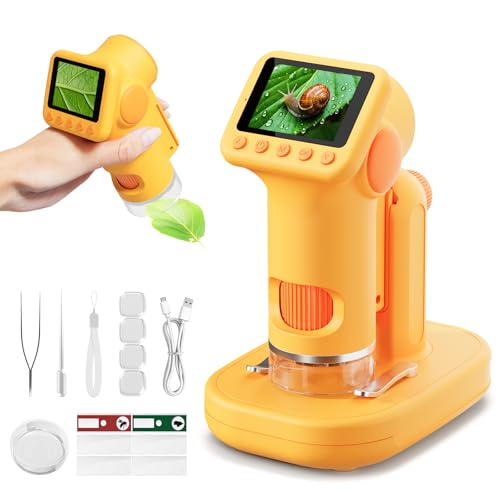
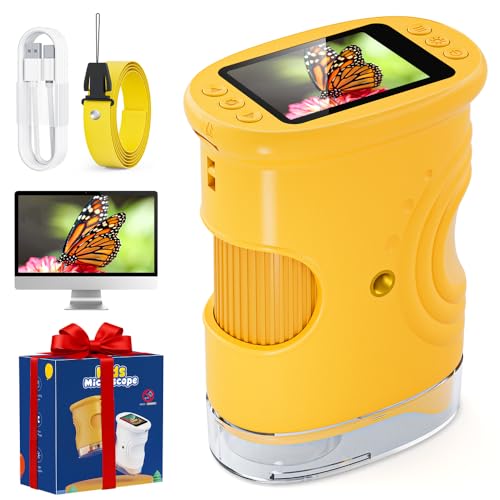
HEWEIMEI 1600X Microscope for Kids, 4K 2.0 inch Screen, Slides Kit, Yellow
Original price was: £31.98.£30.38Current price is: £30.38. *View On Amazon* - Microscopes
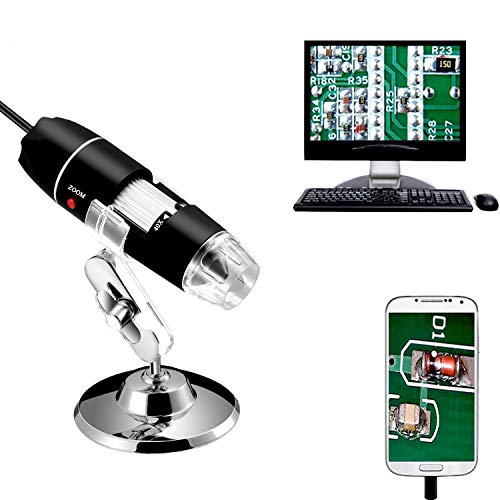
Jiusion 40 to 1000x Magnification Endoscope 8 LED USB 2.0 Digital Microscope with OTG Adapter and Metal Stand
Original price was: £18.99.£15.29Current price is: £15.29. *View On Amazon* - Microscopes
Microscope, 40 to 2000X Metal Optical Microscope with 10X and 25X Eyepieces, 4X 10X 40X Objective Lenses and 2X Magnifier, Microscopes for Adults
Original price was: £43.99.£39.99Current price is: £39.99. *View On Amazon* - Microscopes
Acoath Microscope for Kids, Auto Focus Handheld Digital Microscope with 2.0 inch Screen, 8 LEDs, Rechargeable Pocket Mini Microscope
Original price was: £17.99.£13.99Current price is: £13.99. *View On Amazon* - Microscopes
1000X 2 in 1 Handheld Microscope and Binoculars for Kids, Temodu 4K 2.0 Inch Screen Educational Science Kit Digital Microscope, Rechargeable Mini Pocket Binoculars, Birthday, Ages 3+ Orange
Original price was: £32.99.£28.04Current price is: £28.04. *View On Amazon*




What Is A Microscope Used For?
A microscope is used to magnify small objects so you can see fine detail more clearly. It can be used for education, science projects, hobby inspection, collections, repair work and close up viewing.
Different microscopes suit different jobs. Some are designed for viewing thin samples on slides. Others are better for larger objects that do not need to be sliced or prepared. Digital microscopes can display images on a screen, which can be useful for sharing, recording or working without constantly looking through an eyepiece.
How To Choose The Right Microscope
Start with what you want to look at. If you want to study prepared slides, cells, pond water or school science samples, a compound microscope is usually the most suitable option. If you want to view insects, leaves, rocks, coins, stamps, jewellery or electronics, a stereo microscope or digital microscope may be more practical.
Magnification is important, but higher magnification is not always better. Very high magnification can be harder to use and may need careful focusing, good lighting and properly prepared samples. For many beginners, clear optics, stable focus and easy controls matter more than the biggest magnification number.
Lighting also makes a big difference. Built in LED lighting can make viewing easier, especially for indoor use. Some microscopes light the sample from below, which suits thin slides. Others light from above, which suits solid objects.
Compound, Stereo Or Digital Microscope?
A compound microscope is usually best for thin samples on slides. It is commonly used for school science, biology, prepared slides, pond water and small transparent samples.
A stereo microscope is better for solid objects. It gives a more natural view and can be useful for insects, plants, rocks, coins, models, jewellery and repair tasks.
A digital microscope connects to a screen, computer or mobile device depending on the model. It can be useful for viewing, recording, teaching, inspecting or sharing close up images. The trade off is that screen quality, software support and device compatibility become important.
Key Features To Compare
When comparing microscopes, look at magnification range, optical quality, lighting type, focus controls, stage size, eyepiece comfort, build quality, power source, screen or camera support, accessories and ease of use.
A stable base helps keep the image steady while focusing. Smooth focus controls make it easier to sharpen the image. Adjustable lighting helps when viewing different samples. If the microscope is for children or beginners, simple controls and clear setup are especially important.
Accessories can also matter. Prepared slides, blank slides, cover slips, sample tools, dust covers, carry cases and cleaning cloths can make a microscope more useful from the start.
Beginner, Student Or Hobby Microscope?
Beginners should look for a microscope that is easy to set up, simple to focus and suitable for the objects they actually want to view. A clear, steady image is more useful than a complicated model that feels frustrating.
Students may need a compound microscope for slides, science lessons and basic biology work. Look for reliable lighting, useful magnification options and a design that supports careful learning.
Hobby users may prefer a stereo or digital microscope for coins, stamps, insects, plants, electronics, crafts or repairs. In this case, working distance, top lighting and ease of viewing may matter more than very high magnification.
Microscope Magnification Explained
Microscope magnification tells you how much larger the object appears. A 40x view makes the object appear forty times larger, while 400x gives much stronger magnification.
However, magnification only helps if the image stays clear. Poor lighting, weak optics, unstable focusing or unsuitable samples can make high magnification disappointing. For many home users, a sensible magnification range with good clarity is better than chasing the highest number.
Think about the object first. Slides may need higher magnification. Coins, stamps, insects and circuit boards often need lower magnification with more working space.
Using Microscopes Safely
Microscopes should be used carefully, especially by children. Glass slides, cover slips, sharp tools and small samples can cause problems if handled carelessly, so adult supervision may be needed.
Do not use unknown chemicals, biological samples or sharp preparation tools without proper knowledge and supervision. If using pond water, soil, insects or natural samples, wash hands afterwards and keep equipment clean.
For digital or powered microscopes, follow the product instructions for charging, cables, lighting and device connections. Good care helps keep the microscope easier to use and protects the lenses from dust, scratches and damage.
Useful Microscope Accessories To Consider
Useful accessories can include prepared slides, blank slides, cover slips, tweezers, pipettes, sample containers, cleaning cloths, lens paper, dust covers, carry cases and spare lighting parts where supported.
Prepared slides are a good starting point for beginners because they give something interesting to view straight away. Blank slides and cover slips are useful if you want to prepare your own samples.
A dust cover or case helps protect the microscope when it is not in use. Clean lenses carefully with suitable materials, as rough cloths or dirty fingers can affect image clarity.
Why Buy Microscopes From YPC?
At YPC, we have used a lot of outdoor and technical equipment ourselves in real activity settings, so we understand why practical usability matters. A microscope needs to be clear, stable and suited to the type of viewing you actually want to do.
Browse the Microscopes range, compare the options and choose the microscope that fits your learning, hobby or close up inspection needs.
Microscopes FAQs
What is a microscope used for?
A microscope is used to magnify small objects so you can see fine details more clearly. It can be used for science, learning, hobbies, inspection, repairs and close up observation.
What type of microscope is best for beginners?
A simple beginner microscope with clear lighting, easy focus controls and suitable magnification is usually best. The right type depends on whether you want to view slides or solid objects.
What is the difference between a compound microscope and a stereo microscope?
A compound microscope is usually used for thin samples on slides. A stereo microscope is better for solid objects such as insects, coins, rocks, jewellery, stamps and small parts.
Is a digital microscope worth buying?
A digital microscope can be worth buying if you want to view images on a screen, record close up photos or share what you are seeing. Check device compatibility and screen or software requirements before buying.
What magnification do I need in a microscope?
The right magnification depends on what you want to view. Slides and tiny biological samples often need higher magnification, while coins, insects, stamps and electronics usually need lower magnification with good lighting.
Is higher microscope magnification always better?
No. Higher magnification is only useful if the image remains clear and the sample is suitable. Good optics, stable focusing and proper lighting can matter more than the highest magnification number.
Can children use microscopes?
Yes, many microscopes are suitable for children with appropriate age guidance and adult supervision. Glass slides, small parts and sample tools should be handled carefully.
What can I look at with a microscope at home?
You can look at prepared slides, leaves, fabric, hair, paper, salt, sugar, coins, stamps, insects, feathers, pond water and small household details, depending on the microscope type.
Do microscopes need batteries?
Some microscopes use batteries, while others use mains power or USB power for lighting or digital features. Check the product details before buying.
What accessories do I need with a microscope?
Useful accessories can include prepared slides, blank slides, cover slips, tweezers, pipettes, sample containers, cleaning cloths, a dust cover and a carry case.
Can a microscope be used for electronics repair?
A stereo or digital microscope can be useful for inspecting circuit boards, solder joints and small components. Good lighting, working distance and stable focus are important for this use.
How do I care for a microscope?
Keep the microscope covered when not in use, avoid touching the lenses, clean optics only with suitable materials and store slides, tools and accessories safely.
 Getting ready for Summer? View our Home and Garden Products

Heading outdoors this winter? Take a look at our Outdoor Clothing.